How Do I Find a Trusted Pharmacy Near Me in Dublin?
Oh, the sheer relief of finding a trusted pharmacy when you’re new to Dublin, or even just visiting, is something every expat and tourist can relate to. Whether you've woken up with a sudden sniffle, need to refill a chronic medication, or just want some good old reliable advice for a minor ailment, locating a reliable chemist in an unfamiliar city can feel like a mission. You're not just looking for any shop with a green cross; you're looking for peace of mind. This guide is going to walk you through exactly how to find those trusted pharmacies in Dublin, understand what services they offer, and navigate the sometimes-tricky world of Irish prescriptions and over-the-counter remedies.
Understanding What "Trusted" Means for Pharmacies in Ireland
When you're trying to find a "trusted" pharmacy here in Ireland, it's important to know that by and large, all registered pharmacies operate under strict regulations. The Pharmaceutical Society of Ireland (PSI) is the regulatory body, ensuring that pharmacists and pharmacies maintain high professional and ethical standards. So, in essence, any pharmacy you walk into that displays the official green cross and has a registered pharmacist on duty is professionally "trusted."
The Different Faces of Irish Pharmacies
You’ll quickly notice that pharmacies in Dublin come in a few flavours, but they all provide essential services.
- Chain Pharmacies: These are the big names you'll see on almost every high street and in shopping centres. Think Boots, Lloyds Pharmacy, and Life Pharmacy. They're ubiquitous, often have longer opening hours, and sometimes offer a broader range of non-medicinal items like cosmetics, toiletries, and health and beauty products. They're a safe bet, always professionally run, and you can usually find one nearby. The pharmacists are highly trained and accessible, ready to offer advice on over-the-counter medications or explain your prescription. Because they're chains, you'll often find consistent stock and services, which can be reassuring when you're in a new country. They also tend to have online platforms and apps that can help you locate branches and check opening times.
- Independent Pharmacies (Local Chemists): These are the smaller, often family-run pharmacies that are deeply embedded in local communities. While they might not have the flashy branding of the chains, they often offer a more personalised service. The pharmacists here often know their regulars by name and can provide incredibly tailored advice, which can be a real comfort for an expat trying to build a new life. They might also offer specific local services like delivery for elderly patients or a more extensive range of specialist products that cater to their neighbourhood. Don't underestimate the value of these local gems; they are incredibly "trusted" by their communities. You'll often find them in residential areas or smaller villages surrounding the city centre.
- Late-Night and Emergency Pharmacies: While not a separate type of pharmacy, per se, these are crucial to know about. Dublin does have a limited number of pharmacies that offer extended hours or even 24-hour service for emergencies. Knowing where these are can be a lifesaver, especially if you or a family member needs urgent medication outside of standard business hours. We'll delve into how to find these later.
More Than Just Dispensing Pills: A Pharmacist's Role
In Ireland, pharmacists are so much more than just people who hand you medication. They are highly qualified healthcare professionals, often the most accessible point of contact for minor health concerns. You can walk into any pharmacy and ask to speak to a pharmacist for advice on a wide range of issues, from colds and flu to skin conditions, allergies, or even questions about managing chronic conditions. They can recommend suitable over-the-counter products, advise if you need to see a GP, and offer guidance on how to take your medications safely.
This level of direct, walk-in advice is something many expats find incredibly helpful, especially if they haven't yet managed to Registering with a GP in Ireland: The Complete Expat Guide (2027). It's an invaluable first port of call, and their professional opinion is definitely something you can trust. They’re part of the fabric of How Ireland's Health System Works: The HSE vs Private Explained (2027), working alongside GPs and hospitals.
Your Go-To Methods for Finding a Pharmacy in Dublin
Now that we've established what "trusted" means and the types of pharmacies you'll encounter, let's get down to the practicalities of actually finding one near you in Dublin.
Harnessing Online Tools and Mobile Apps
In this day and age, technology is your best friend when navigating a new place.
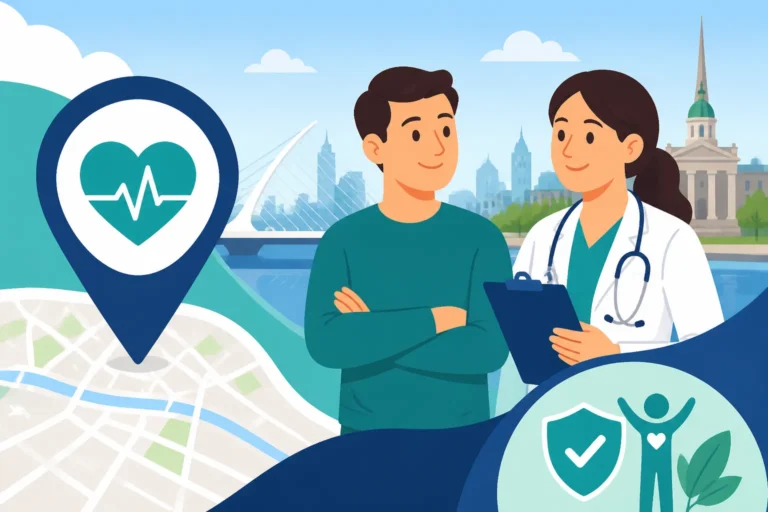
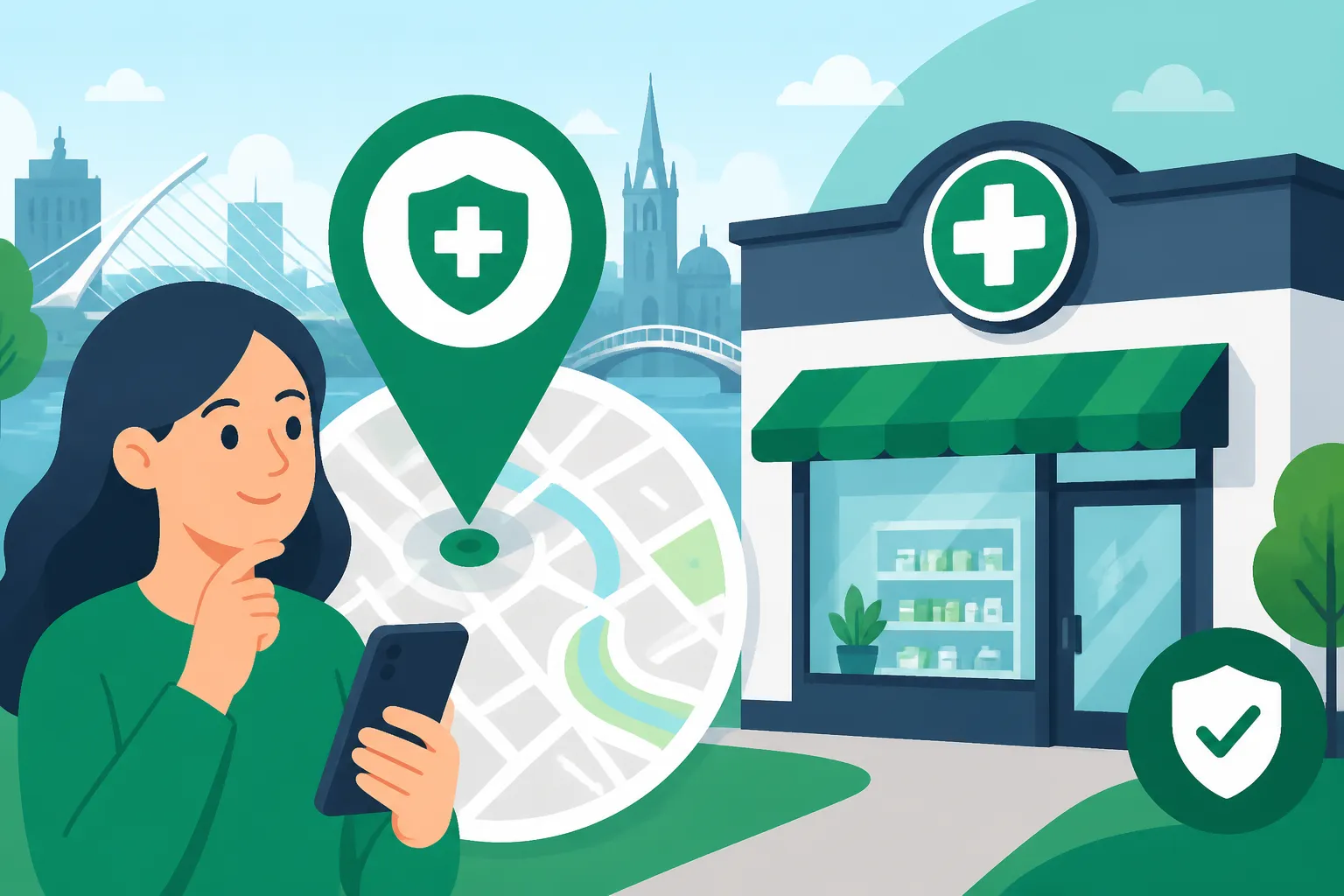
- Google Maps: This is probably your most straightforward option. Open Google Maps on your phone or computer and simply type "pharmacy near me" or "pharmacy Dublin." It will usually bring up a list of nearby pharmacies, complete with their opening hours, addresses, phone numbers, and often reviews. You can then check their website for more specific information. This is particularly useful for finding those open on weekends or public holidays.
- Pharmacy Chain Websites/Apps: If you know you prefer a particular chain, like Boots, their official website or app will have a store locator. This can be handy if you're looking for a specific product or service that a particular chain is known for.
- Health Service Executive (HSE) Website: The official HSE website can sometimes list pharmacies, especially those that participate in specific schemes like the Drugs Payment Scheme. While not always the most user-friendly for "near me" searches, it's a good official resource.
- Dedicated Pharmacy Locators: Some Irish health directories or pharmacy groups have their own locators. For example, the Irish Pharmacy News website might have a directory, or specific regional health portals. A quick online search for "Dublin pharmacy locator" can sometimes yield good results beyond just Google Maps.
Remember to double-check opening hours, especially if you're heading out late in the evening or on a Sunday. Dublin's city centre pharmacies tend to have longer hours, but those in residential areas might close earlier.
Local Wisdom: Asking Around
Don't underestimate the power of simply asking someone!
- Your GP (if you have one): Your General Practitioner will undoubtedly know several trusted pharmacies in their area. They might even have a preferred pharmacy they recommend to patients because of its reliability or specific services. If you've managed to How Do I Register with a GP in Ireland? already, don't hesitate to ask them for a recommendation.
- Hotel Staff or Your Landlord/Housemates: If you're a tourist or a recent arrival, the reception staff at your hotel or your new housemates/landlord will usually be able to point you towards the nearest and most convenient pharmacy. They live there, they know the ropes!
- Neighbours and Colleagues: As you settle in, local residents, colleagues, or even the friendly shopkeeper at your local SuperValu or Centra can be fantastic sources of information. They often know which pharmacies offer the best service, which ones are open late, or which pharmacist is particularly helpful. Building these local connections is part of the expat experience in Ireland.
- Just Look for the Green Cross: When all else fails, keep your eyes peeled for the universal symbol of a pharmacy: a flashing green cross. Many pharmacies are clearly marked and visible from the street, especially in busy commercial areas.
Key Dublin Areas and Pharmacy Hotspots
Dublin is a city of distinct neighbourhoods, and some areas are naturally better for finding a wide selection of pharmacies:
- City Centre (Grafton Street, Henry Street, O'Connell Street): These bustling commercial arteries are home to multiple large chain pharmacies like Boots and Lloyds Pharmacy, often with extended hours. They are easy to access if you're already in town, but can be very busy.
- Large Shopping Centres (e.g., Dundrum Town Centre, Blanchardstown Centre): These often house multiple pharmacies, offering convenience and ample parking. If you're out doing some shopping, you can easily pop in.
- Areas around Hospitals (e.g., St. James's Hospital, Mater Hospital, Beaumont Hospital): It's common to find several pharmacies in the vicinity of major hospitals, catering to patients, visitors, and hospital staff. These might also have more specialised stock or longer hours.
- Residential Neighbourhoods: As mentioned, you'll find independent chemists scattered throughout residential areas like Rathmines, Ranelagh, Drumcondra, and Ballsbridge. These are excellent for a more community-focused experience once you've settled into an area.
Navigating Pharmacy Services and Prescriptions in Ireland
Once you've located your chosen pharmacy, understanding what happens next, especially with prescriptions, is crucial.
The Irish Prescription System
Getting a prescription filled in Ireland is generally straightforward, but there are a few things to be aware of:
- GP Prescriptions: Most medications requiring a prescription will come from your General Practitioner (GP). They will either give you a physical, handwritten prescription or send it electronically to your chosen pharmacy. When you present your prescription, the pharmacist will dispense the medication. It's a good idea to bring your PPS number, especially if you have a Medical Card or are eligible for the Drugs Payment Scheme, as this helps with administration and cost-saving measures.
- European Prescriptions: If you're from another EU/EEA country and have a prescription issued there, it might be recognised in Ireland, provided it meets specific criteria (e.g., clearly states the patient's and prescriber's details, medicine details including generic name). However, pharmacists have discretion, and for controlled drugs or certain complex medications, you may still need to see an Irish GP to get a local prescription. Always bring the original prescription and be prepared that some may not be accepted without an Irish doctor's approval.
- The Cost of Prescriptions: The Cost of Healthcare in Ireland: A Complete Breakdown for Foreigners (2026) can vary. For those without a Medical Card or GP Visit Card, each item on a prescription has a dispensing fee (which can vary slightly between pharmacies) plus the cost of the medication itself. For long-term conditions or multiple medications, the costs can add up quickly. This is where schemes like the Drugs Payment Scheme (DPS) come in, which caps the maximum amount any individual or family has to pay for prescribed medicines in a calendar month. You can learn more about it in our guide on Understanding the Drugs Payment Scheme (DPS) in Ireland.
- Medical Card and GP Visit Card Holders: If you are eligible for and possess a The Expat Guide to the Medical Card and GP Visit Card in Ireland (2027), your prescription charges will be significantly reduced or even free, depending on the card type and your circumstances. Presenting your card and PPS number at the pharmacy is essential.
Over-the-Counter Wonders and Pharmacist Advice
One of the great things about Irish pharmacies is the wealth of over-the-counter (OTC) options available, often with a pharmacist’s guidance.
- Common Ailments: For headaches, minor aches, cold and flu symptoms, indigestion, mild allergies, or basic first aid supplies, you can usually find what you need without a prescription. Brands like Panadol (paracetamol), Nurofen (ibuprofen), and various cough syrups are readily available.
- Pharmacist's Role in OTC: If you're unsure what to buy, always ask the pharmacist. They can assess your symptoms and recommend the most appropriate product, or advise if your condition warrants a visit to the GP. This is where the "trusted" aspect really shines through; their advice is professional and tailored to your situation. They might recommend something you hadn't considered or warn you against a product that interacts with other medications you're taking.
- Behind-the-Counter Medications: Some medications, while not requiring a full GP prescription, are kept "behind the counter" and can only be dispensed by a pharmacist after a brief consultation. These might include stronger pain relievers, certain allergy medications, or specific treatments. Don't be shy about asking; it's a standard procedure to ensure your safety and the medication's appropriateness.
Pharmacy Services at a Glance
| Service Category | Common Offerings | Notes |
|---|---|---|
| Dispensing | Filling GP and (sometimes) EU/EEA prescriptions | Bring your PPS number, Medical Card/GP Visit Card if applicable. Be aware of the Drugs Payment Scheme cap. |
| Over-the-Counter | Medications for common ailments (pain, cold/flu, indigestion), first aid | Ask the pharmacist for advice if unsure. Some medications are behind the counter. |
| Health Advice | Consultations on minor illnesses, medication interactions, general wellness | Pharmacists are highly accessible healthcare professionals; use their expertise! |
| Vaccinations | Flu vaccine, sometimes other adult vaccines (e.g., pneumonia, shingles) | Many pharmacies offer seasonal flu jabs, often for a fee or free for eligible groups. Book in advance. |
| Other Services | Blood pressure checks, emergency contraception, smoking cessation support, blister packing, sometimes minor wound care | Services vary by pharmacy. Inquire directly about availability and potential costs. |
| Products | Cosmetics, toiletries, baby care, vitamins, health supplements | Chain pharmacies usually have a wider selection of non-medicinal products. |
Special Considerations for Expats and Tourists
Moving to or visiting Ireland brings its own unique set of circumstances, and understanding pharmacy access within that context is key.
Emergency Needs and After-Hours Pharmacies
It's inevitable that sometimes you'll need medication or advice when most shops are closed.
While 24-hour pharmacies are not as common as in some other countries, Dublin does have a few. O'Connell CarePlus Pharmacy on O'Connell Street in the city centre is well-known for its late-night opening hours, often until midnight or later, including weekends. Lloyds Pharmacy also has select branches with extended hours, particularly in larger urban areas.
For true emergencies, where a pharmacy visit isn't sufficient, you'll need to know about Emergency Medical Care in Ireland: What Every Expat Needs to Know. This means either an out-of-hours GP service (like GP Now or calling your own GP's out-of-hours number) or, for severe situations, the Accident & Emergency (A&E) department of a hospital. However, for anything that can be handled by a pharmacy, knowing these late-night options saves you a trip to A&E.
Always check Google Maps or the pharmacy's website for the most up-to-date opening hours before you head out, especially on public holidays.
Travel Insurance, SafetyWing, and Unexpected Costs
For tourists and newcomers, thinking about healthcare costs, especially unplanned ones, is vital. While pharmacies are generally affordable for OTC items, prescription costs can add up if you don't have a Medical Card or private health insurance.
If you're a visitor, or perhaps a digital nomad without traditional employment-based coverage, it’s really smart to have travel insurance that covers medical emergencies. Products like SafetyWing are specifically designed for remote workers and travellers, offering comprehensive medical coverage, including emergency care and prescriptions related to covered incidents, while you're abroad. Having a plan like this can really mitigate the financial stress of an unexpected illness or injury when you need to access pharmacy services for prescribed medication. Even for expats, before your full Irish health insurance kicks in (if you have it), travel insurance can be a temporary safeguard. Make sure you understand What Happens If I Get Sick Before My Insurance Starts in Ireland? means for you.
For longer-term expats, once you're settled, you might want to look into How to Buy Private Health Insurance as a Newcomer in Ireland to cover more extensive medical needs, but for initial stages or visitors, travel insurance is key. When you need medication, especially if it's a prescription from a GP visit due to an emergency, your travel insurance can potentially reimburse you for the costs. Keep all receipts!
Language and Cultural Nuances
Good news on the language front: English is the primary language spoken throughout Ireland, so you won't face a language barrier when communicating with pharmacists or pharmacy assistants in Dublin. They are well-versed in explaining medication instructions, side effects, and health advice in clear English.
Culturally, you'll find Irish pharmacists to be generally very approachable and willing to help. Don't be afraid to ask questions, no matter how small they seem. They understand that you might be unfamiliar with local medications or the healthcare system. The advice you get from a pharmacist is usually practical, empathetic, and aimed at getting you the right solution, whether that's an OTC product, a referral to a GP, or simply reassurance. They often act as a first line of advice, bridging the gap before a doctor's appointment.
In summary, finding a trusted pharmacy in Dublin is less about searching for a hidden gem and more about knowing where to look among the many highly regulated and professional establishments. Whether you prefer the consistency of a chain like Boots, the personal touch of an independent chemist, or need the late-night access of an emergency pharmacy, Dublin has you covered. Just use your digital tools, ask around, and don't hesitate to speak with the qualified pharmacists – they are there to help you navigate your health needs in your new Irish home.
Disclaimer
Please note that while this guide provides comprehensive information, healthcare guidelines and regulations in Ireland can change. Always consult official HSE (Health Service Executive) resources or a healthcare professional for the most current and personalised advice. This information is for general guidance only and does not constitute medical advice.