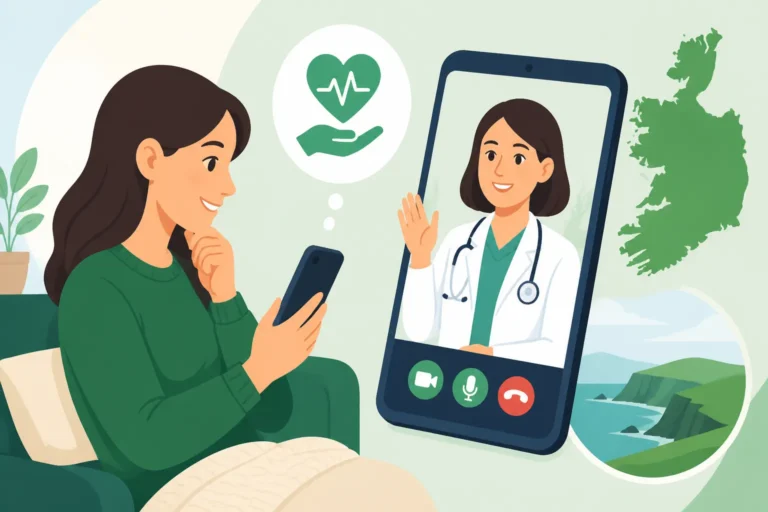
Where Can I Get an Annual Health Check in Dublin?
Moving to a new country like Ireland, especially to the bustling capital of Dublin, is exhilarating. But amidst the excitement of finding your feet, sorting out your PPSN, and navigating the public transport, it’s easy to let personal healthcare slip down the priority list. Many expats find themselves wondering, "Where can I even get a proper annual health check here?" It's not always as straightforward as it might be back home, and the system can feel a bit opaque. This guide is here to walk you through your options for getting an annual health check-up in Dublin, helping you stay on top of your health while you embrace your new Irish life.
Why an Annual Health Check is Crucial for Expats in Dublin
When you pack up your life and move continents, you're not just changing your address; you're often changing your diet, your sleep patterns, your stress levels, and even your exposure to different environmental factors. That's why keeping a proactive eye on your health through regular check-ups is more important than ever.
Navigating a New Healthcare System and Your Own Health
Let's be honest, getting set up in a new country is inherently stressful. You're learning a new culture, possibly a new job, finding a place to live, and grappling with Irish bureaucracy, which can, at times, feel like trying to solve a Rubik's Cube blindfolded. This constant low-level (or sometimes high-level!) stress can take a toll on your body without you even realising it. A routine health check offers a vital opportunity to hit pause and assess the impact of these changes on your well-being. It's not just about finding what's wrong; it's about establishing a baseline for your health in this new environment.
Many of us arrive in Ireland assuming we'll figure out the healthcare system "when we need it." But when you do need it, especially for something urgent, navigating the complexities can be overwhelming. Knowing where to go for preventative care means you're already familiar with at least one aspect of the system, making future interactions less daunting. For a more comprehensive overview of the entire system, you might want to look at The Complete Guide to Healthcare in Ireland for Expats (2027). Trust me, understanding it before you're in a pinch is a game-changer.
Identifying Potential Health Risks in a New Environment
Ireland, with its famously temperate (read: often damp and grey) climate, can pose different health challenges than you might be used to. For instance, many expats from sunnier climes find themselves struggling with Vitamin D deficiency, which can impact mood, bone health, and energy levels. Changes in diet, whether it's more processed foods or simply different portion sizes and ingredients, can affect cholesterol and blood sugar.
An annual health check in Dublin allows your doctor to catch these subtle shifts early. It's a chance to screen for common issues like high blood pressure, diabetes, and certain types of cancer, which are often more easily treated when detected early. For women, it's also a crucial time to ensure you're up-to-date on cervical smear tests and breast health checks. For men, discussions around prostate health become increasingly relevant with age. Beyond physical health, a good check-up also opens the door to discussing your mental well-being, which is often severely impacted by the expat experience. Early detection and intervention are key, and a yearly check-up is your best proactive step.
Where to Find Annual Health Checks in Dublin: Your Options
Alright, let's get down to the nitty-gritty: where do you actually go to get one of these annual health checks in Dublin? The good news is, you have a few options, though they vary in cost, comprehensiveness, and convenience.
Private GP Practices and Clinics
For most expats looking for a thorough annual check-up, a private GP practice is usually the most accessible and straightforward route in Dublin. While public GPs also exist, getting a comprehensive, preventative annual check-up (beyond addressing a specific ailment) can sometimes be more challenging under the public system, especially if you don't have a Medical Card or GP Visit Card. Private GPs, however, are specifically set up to offer these types of dedicated preventative health services.
When you visit a private GP for an annual check, you can typically expect a physical examination, a discussion about your medical history and lifestyle, and a range of blood tests. These blood tests often cover things like cholesterol levels, blood sugar (for diabetes screening), liver and kidney function, and sometimes vitamin levels (like the aforementioned Vitamin D). They might also check your blood pressure and weight, calculate your BMI, and offer advice on diet and exercise. The process is generally very professional, and doctors are accustomed to dealing with international patients. You can usually book these appointments directly by calling the clinic or, increasingly, through their online booking systems. Popular private clinics in Dublin that offer these services include many smaller, independent GP practices scattered across areas like Ballsbridge, Ranelagh, Rathmines, or those conveniently located in city centre business districts. You might also find private GP services linked to larger private hospitals like Blackrock Clinic or Mater Private. If you're wondering how the cost of a private GP visit might compare, you can get a good idea from articles like How Much Does a Private GP Visit Cost in Cork?, as costs are fairly consistent across the country for these services. Finding an English-speaking doctor in Ireland is generally not an issue, but if you have specific language preferences, articles like How to Find an English-Speaking Doctor in Ireland can provide guidance.
Specialist Health Screening Centres
If you're looking for something more in-depth than a standard GP check-up, Dublin also boasts specialist health screening centres that offer comprehensive "executive" or "wellness" packages. These are designed to provide a much more detailed assessment of your health, often including advanced diagnostics.
These centres often go beyond basic blood tests, incorporating things like cardiac screening (ECGs, sometimes stress tests), advanced blood panels (looking at a wider range of markers, including certain cancer indicators), body composition analysis, lung function tests (spirometry), and even imaging like ultrasounds in some cases. They are perfect for those with a family history of certain conditions, or anyone who simply wants a very thorough understanding of their current health status. You’ll find these comprehensive services at places like the Blackrock Clinic Health Check, the Mater Private Health Check, and the Beacon Hospital Health Check. These packages are considerably more expensive than a basic GP check-up, but they offer unparalleled peace of mind. While a simple GP visit typically doesn't require a referral, some of the more advanced tests within these comprehensive packages might, or they may be included as part of a pre-defined package. It’s always best to check directly with the centre when booking. If you're curious about the cost of specific imaging, you might find more information in How Much Does an MRI Scan Cost in Ireland in 2026?.
Employer-Provided Health Checks
A fantastic, and often overlooked, option for many expats in Dublin is the possibility of an employer-provided health check. Ireland is home to many large multinational companies, particularly in the tech, pharma, and finance sectors, and these employers often prioritise employee well-being as part of their benefits package.
Many companies offer comprehensive private health insurance to their employees, and these plans frequently include benefits for annual health screenings or wellness programmes. Some employers go a step further, organising on-site health checks or partnering with specific clinics to offer discounted or fully covered annual assessments. This is often the most convenient and cost-effective way to get a thorough check-up. My advice? Always check with your HR department as soon as you start your new role. They can provide details on what health benefits are included, how to avail of them, and if an annual health check is part of the offering. Don't leave this stone unturned! If you're unsure about whether your current employer provides such benefits, this guide on Does My Employer Provide Health Insurance in Ireland? can offer some valuable insights.
Understanding Costs and Insurance Coverage
Now, let's talk about the elephant in the room: money. Healthcare in Ireland, especially preventative and private care, comes with a price tag. Understanding these costs and how your insurance might (or might not) cover them is essential for any expat.
The Out-of-Pocket Reality of Private Health Checks
Unlike some countries where routine preventative care is covered by a universal public health system, in Ireland, if you want a comprehensive annual health check outside of an acute medical need, you'll almost certainly be going through the private system. And that means paying out-of-pocket if you don't have the right private health insurance.
A standard private GP consultation in Dublin can range from €60 to €80, but a dedicated annual health check, which involves more time, a physical exam, and often blood tests, will naturally be more. For a basic annual check-up with a private GP, including some standard blood tests, you could be looking at anywhere from €150 to €300. The cost can fluctuate depending on the clinic, the extensiveness of the blood panel, and any additional tests deemed necessary by the doctor. For the more comprehensive health screening packages offered by specialist centres, the costs escalate significantly. These can range from €500 for a basic screening up to €1,500 or more for an executive-level health assessment that includes extensive testing and specialist consultations. It’s vital to clarify the exact cost and what's included before you book to avoid any nasty surprises. For a broader understanding of overall healthcare costs, check out The Cost of Healthcare in Ireland: A Complete Breakdown for Foreigners (2026).
Leveraging Private Health Insurance for Preventative Care
This is where private health insurance truly shines for expats in Ireland. Most reputable Irish health insurance providers like VHI, Laya Healthcare, and Irish Life Health offer plans that include benefits for preventative care and health screenings. These benefits can significantly reduce, or even fully cover, the cost of your annual health check.
However, the level of coverage varies wildly between plans. Some basic plans might offer a small contribution towards a GP visit or a limited number of blood tests, while more comprehensive plans often include generous allowances for full health screenings at a partner clinic or a substantial cash back for preventative services. It's absolutely crucial to dig into your specific policy document or call your insurer directly to understand what's covered under "preventative health," "health screening," or "wellness benefits." Don't just assume! You'll need to know if there's an annual limit, if you need to use specific clinics, and what the claims process is. If you're a newcomer, understanding How to Buy Private Health Insurance as a Newcomer in Ireland will be invaluable. While international travel insurance providers like SafetyWing are invaluable for covering unexpected emergencies and medical treatments when you're abroad or just settling in, it's important to understand that comprehensive annual health checks and routine preventative care often fall under the purview of private health insurance specifically designed for residents within Ireland, like VHI, Laya, or Irish Life Health. Always check your specific policy for preventative health benefits, as the focus of travel medical insurance is usually acute care, not routine check-ups. For a deeper dive into the options available, consider reading Health Insurance in Ireland: VHI, Laya, Irish Life and Options Explained. And if you're curious about general costs, How Much Does Private Health Insurance Cost in Ireland in 2026? can give you a ballpark figure.
The Process: What to Expect and How to Prepare
So you've decided to get that annual check-up – excellent! Knowing what to expect and how to prepare can make the process much smoother and ensure you get the most out of your appointment.
Booking Your Appointment and Essential Documents
Booking your annual health check in Dublin is generally straightforward. For private GP practices, you can usually call the clinic directly, or many now offer online booking through their websites or dedicated apps. For specialist health screening centres, they almost always have dedicated booking lines or online forms. It's a good idea to book a few weeks in advance, especially if you have a specific date or time in mind, as popular clinics can fill up quickly.
When preparing for your appointment, gather a few essential documents. Your PPSN (Personal Public Service Number) is always good to have, though not strictly necessary for a private check-up. Proof of address might be requested, especially if it's your first time at that clinic. Crucially, bring a comprehensive list of any current medications you're taking, including dosages, and any over-the-counter supplements. Also, be prepared to discuss your past medical history, any significant family medical history, and current symptoms or concerns. If you're unsure about general documentation for doctor visits in Ireland, What Documents Do I Need to See a Doctor in Ireland? offers a helpful checklist. It's also a great idea to jot down any questions or specific health concerns you have beforehand. This ensures you don't forget anything important during the consultation, which can often feel rushed.
What Happens During the Health Check
The actual health check can vary slightly depending on whether you're at a GP practice or a specialist screening centre, but there are common elements. Typically, you'll start with a nurse taking your basic measurements: height, weight, and blood pressure. They may also ask you to provide a urine sample for analysis. If blood tests are part of your package, blood will be drawn at this stage, often after a period of fasting if required (you'll usually be advised of this when you book).
Following this, you'll have a consultation with the doctor. This is your opportunity to discuss your lifestyle habits – diet, exercise, smoking, alcohol consumption – as well as any stress you might be experiencing. The doctor will perform a physical examination, which usually includes listening to your heart and lungs, checking your abdomen, and examining your skin and lymph nodes. Depending on your age and gender, they might perform or recommend specific screenings (e.g., breast exam, testicular exam). For more comprehensive screenings, additional tests might be performed during your visit, such as an ECG (electrocardiogram) to check heart rhythm or a spirometry test for lung function. The entire process for a standard GP annual check can take 30-60 minutes, while a specialist screening might take several hours due to the range of tests involved.
Understanding and Acting on Your Results
Once your tests are complete, you'll usually be informed about how and when you'll receive your results. For basic blood tests, this might be within a few days to a week, often discussed in a follow-up call or a brief appointment with your GP. For comprehensive screenings, a dedicated follow-up consultation with the doctor who oversaw your screening is standard, where they will explain all the findings in detail and provide a full report.
This follow-up is critical. Don't be afraid to ask questions until you fully understand everything. What do the numbers mean? Are there any areas for concern? What lifestyle changes are recommended? If any abnormalities are detected, the doctor will explain what they are and recommend the next steps, which could include further diagnostic tests or a referral to a specialist consultant. This is where your private health insurance becomes invaluable again, as it typically covers specialist consultations and further diagnostics. For guidance on how specialist referrals work in Ireland, you might find this article helpful: How Do I Get a Referral to a Consultant in Ireland?. Remember, the point of an annual health check isn't just to get the results, but to empower you to act on them and take proactive steps towards maintaining or improving your health.
| Health Check Option | Typical Services Included | Estimated Cost (Out-of-Pocket) | Insurance Coverage | Best For Expats Who… |
|---|---|---|---|---|
| Private GP Check-up | Physical exam, lifestyle discussion, basic blood tests (cholesterol, glucose, liver/kidney) | €150 – €300 | Partial to full | Want a thorough annual overview and a relationship with a local GP. |
| Specialist Screening Centre | Comprehensive blood panels, cardiac screening (ECG), lung function, advanced diagnostics | €500 – €1,500+ | Partial to full | Seek in-depth health assessment, have specific concerns, or family history of illness. |
| Employer-Provided | Varies widely, often comprehensive, tied to corporate wellness programmes | Often Free or heavily subsidised | Full | Work for a company that offers robust health benefits. |
Disclaimer
The information provided in this guide is intended for general informational purposes only and does not constitute medical or legal advice. Healthcare services and policies in Ireland are subject to change. Always consult with a qualified healthcare professional or legal expert for advice tailored to your individual circumstances. While we strive to provide accurate and up-to-date information, we cannot guarantee its completeness or accuracy at all times.