Does My Employer Provide Health Insurance in Ireland?
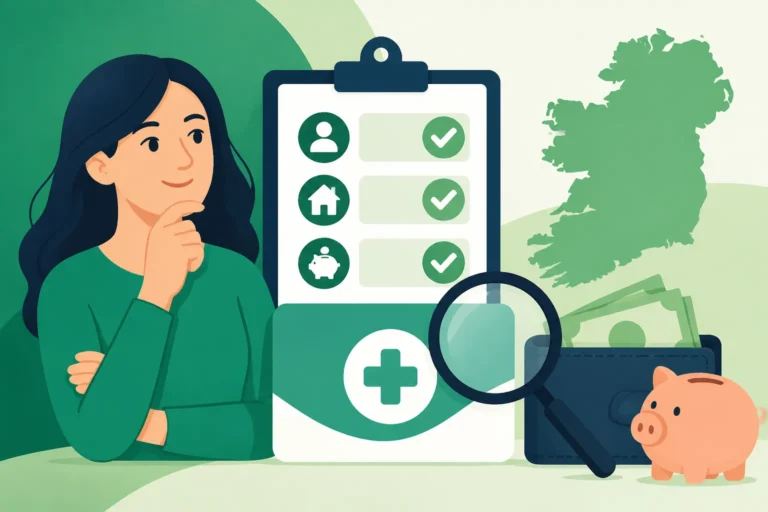
One of the trickiest things about moving to Ireland, especially when you're navigating a new job, is figuring out the healthcare system. Many expats arrive wondering, "Does my employer provide health insurance in Ireland?" It's a perfectly logical question, yet the answer isn't always as straightforward as you might hope, often leading to confusion and unnecessary stress. This guide will meticulously break down the reality of employer-provided health insurance in Ireland, helping you understand your entitlements and what you might need to arrange yourself.
Does Your Employer Really Provide Health Insurance in Ireland?
This is where the nuance often kicks in, and it's a frustration many of us expats have shared. You might hear during your job interview or see in your offer letter that "health insurance is provided," but the devil, as they say, is in the details. It's rarely a case of completely free, top-tier coverage for you and your entire family.
The Nuance of "Provided" vs. "Facilitated"
In Ireland, it's far more common for an employer to facilitate access to a group health insurance scheme rather than to fully provide it without any contribution from your side. What this often means in practice is that your employer has negotiated a corporate rate with one of the main private health insurance providers here – typically VHI, Laya Healthcare, or Irish Life Health.
With a facilitated scheme, your employer might cover a portion of the premium, often a base amount or a percentage, and then you, the employee, are responsible for paying the rest. This payment is usually deducted directly from your salary, which can be convenient but also means you might not fully grasp the actual cost or the extent of your employer's contribution until you see your payslip. For example, a company might offer a "company-paid" plan that covers the most basic tier, and anything above that, or adding dependents, comes out of your pocket. It's a wonderful benefit to have the group rates and potentially some employer contribution, but it's not always the all-inclusive package some might imagine.
Legal Obligations of Employers Regarding Health Insurance
It’s crucial for expats to understand that, unlike in some other countries, there is no legal obligation for employers in Ireland to provide private health insurance to their employees. The Irish healthcare system operates on a two-tier basis: public and private. Everyone ordinarily resident in Ireland is entitled to access public healthcare services, which are largely funded through general taxation and social insurance (PRSI contributions). This forms the baseline.
What employers are legally obligated to do is comply with employment law, which includes things like providing statutory sick pay and ensuring a safe working environment. However, private health insurance is considered an additional perk or benefit, not a legal requirement. So, if your job offer doesn't mention health insurance, or if you're with a smaller company, it's entirely possible they don't offer any private scheme at all. This isn't a red flag; it's simply the reality for many employees in Ireland. For a broader look at the system, check out The Complete Guide to Healthcare in Ireland for Expats (2027).
Understanding Employer-Sponsored Health Insurance Schemes
If your employer does offer a health insurance scheme, congratulations! It's definitely a valuable benefit, even if it requires some contribution on your part. These schemes are designed to give employees quicker access to private hospitals, a wider choice of consultants, and often better facilities than the public system.
Common Benefits and Limitations
Employer-sponsored health insurance plans typically offer a range of benefits, but these can vary wildly depending on the generosity of your employer and the specific plan negotiated.
Common benefits often include:
- Inpatient Coverage: This is usually the cornerstone, covering stays in private or semi-private hospital rooms, consultant fees for inpatient care, and surgical procedures in private hospitals.
- Outpatient Benefits: Many schemes include some level of outpatient cover, which might include a fixed number of GP visits, a contribution towards consultant visits (after a referral from your GP), some physiotherapy sessions, or even optical and dental benefits. However, these often come with excesses (an amount you pay first) or limitations on the number of claims or total value per year.
- Access to Private Hospitals: This is a major draw. Instead of potentially long waiting lists in the public system, you can often get appointments and procedures scheduled much faster in private hospitals like the Mater Private, Beacon Hospital, or Blackrock Clinic, depending on your plan.
- Employee Assistance Programmes (EAP): While not strictly health insurance, many corporate packages include EAPs, offering confidential counselling, legal advice, and other support services that can be incredibly helpful for expats adjusting to a new country.
However, these plans also come with common limitations:
- Varying Tiers of Coverage: Employers often choose a mid-range plan to keep costs down. This means you might not have full cover for every single medical scenario, or you might have significant co-payments (called "excesses" in Ireland) for certain treatments or hospital stays. You might have unlimited private room coverage or only semi-private, for instance.
- Dependent Coverage Costs: While you might be covered, adding a spouse, partner, or children almost always incurs additional costs that you will need to pay yourself. These can be substantial.
- Waiting Periods: While group schemes usually have shorter waiting periods than individual plans for new joiners, there might still be initial waiting periods for certain benefits, especially for pre-existing conditions if not a full "transfer of underwriting" from a previous insurer. Understanding Health Insurance in Ireland: VHI, Laya, Irish Life and Options Explained can shed more light on these intricacies.
- Geographical Limitations: Most Irish health insurance is designed for use within Ireland. If you're travelling frequently for work or leisure, you might need supplemental travel insurance. Providers like SafetyWing offer flexible travel medical insurance, which could be an excellent supplement for expats who are often on the move or need coverage during periods between employer schemes.
How to Check Your Entitlements and Plan Details
Don't wait until you're sick to figure this out! As an expat, being proactive is key to navigating life in Ireland.
- Read Your Employment Contract and Onboarding Documents: Your contract or offer letter should mention if health insurance is part of your benefits package. During your onboarding, HR should provide a summary of benefits.
- Contact Your HR Department: This is your primary resource. Ask for the specific policy number, the name of the insurer (VHI, Laya, Irish Life Health are the big three), and the full policy document. Don't be shy about asking questions like:
- What exactly does the company pay for, and what am I responsible for?
- What are the main benefits, and what are the key excesses or limitations?
- What is the process for adding dependents, and what are the costs?
- Are there any waiting periods for me or my family?
- Does this plan cover me if I travel outside of Ireland? (Often it won't, or only minimally).
- Review the Policy Document Directly: Once you have the policy details, go through the full document provided by the insurer. These can be complex, but they contain all the fine print. Pay close attention to sections on inpatient care, outpatient limits, excesses, and specific exclusions. The insurers also have helplines, so if something is unclear, call them directly.
- Understand Your Tax Implications: Employer-provided health insurance premiums paid by your employer are usually considered a "Benefit-in-Kind" (BIK) and are taxable. Your payroll department should be able to explain how this affects your take-home pay.
It's also worth noting that if you switch jobs, your health insurance through your previous employer will cease. You'll then need to decide if you want to continue private health insurance on an individual plan, or if your new employer offers a scheme. Transitioning between plans can sometimes affect waiting periods, so it's good to be aware. Find out more about Understanding Health Insurance Waiting Periods and Lifetime Loading in Ireland.
When Employer Coverage Isn't Enough (or Non-Existent)
Let's face it, not every employer offers health insurance, and even when they do, it might not cover everything you need. This is a common situation for many expats, particularly those working in smaller companies, starting a new business, or who simply have unique health needs.
Supplementing or Purchasing Your Own Policy
If your employer doesn't offer a scheme, or if the offered scheme feels inadequate, you have every right – and often the necessity – to explore private health insurance options independently. This is a very common path for expats in Ireland.
Here are some scenarios where you might need your own policy:
- No Employer Scheme: This is the most straightforward reason. If your company doesn't offer anything, you'll need to secure your own private health insurance if you want to access private healthcare.
- Inadequate Coverage: Perhaps your employer's plan is very basic, with high excesses or limited benefits. You might opt to purchase a more comprehensive individual policy to cover specific needs, or to ensure full coverage for specialist appointments or private hospital stays without significant out-of-pocket costs.
- Dependent Coverage: As mentioned, adding family members can be expensive on an employer's group scheme. Sometimes, it can actually be more cost-effective to purchase a separate family policy, especially if you compare plans across different providers like VHI, Laya, and Irish Life Health.
- Gap Coverage: If you're between jobs, or your employer's plan has a waiting period before you can enrol, a short-term individual plan or international health insurance can be a lifesaver. For example, some expats use international providers like SafetyWing for flexible, travel-oriented medical insurance that can cover them during initial relocation or periods of uncertainty. While not a substitute for comprehensive long-term private health insurance in Ireland, it's a good temporary measure.
- Self-Employment/Freelancing: If you're self-employed or freelancing, you are your own employer, so the responsibility for health insurance falls entirely on you. You'll need to research and purchase an individual policy.
When purchasing your own policy, you'll go through a similar process as an employer would, but directly with the insurer or through a health insurance broker. You'll compare plans based on your needs, budget, and desired level of coverage. Brokers can be particularly useful as they can navigate the complexities of plans from different providers and help you find the best fit. If you're a newcomer, learning How to Buy Private Health Insurance as a Newcomer in Ireland is a good next step.
Exploring Other Healthcare Options
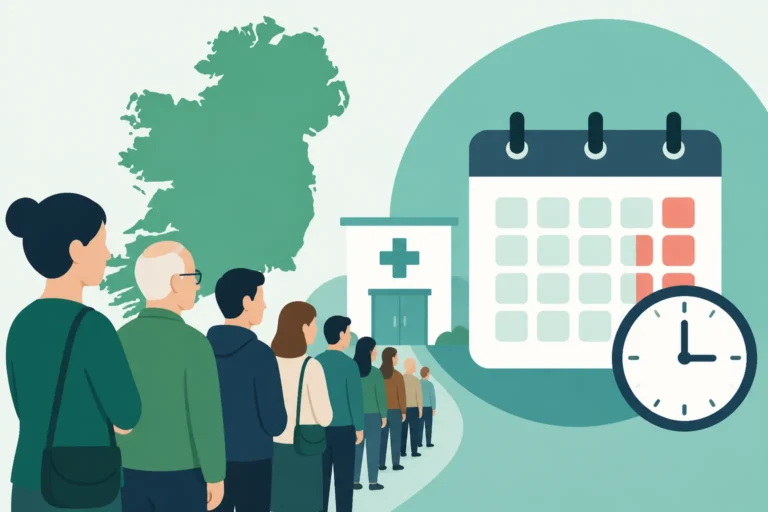
Remember, even without private health insurance, you are entitled to access Ireland's public healthcare system as an ordinarily resident individual. The public system, overseen by the Health Service Executive (HSE), provides a wide range of services, including GP care (though usually with a fee per visit unless you have a GP Visit Card or Medical Card), public hospital services, and emergency care. While it can be slower and involve longer waiting lists for non-emergency procedures, it's a vital safety net. Understanding How Ireland's Health System Works: The HSE vs Private Explained (2027) can help clarify this.
For day-to-day medical needs, registering with a General Practitioner (GP) is essential. You’ll usually pay for each GP visit without a specific card, but the costs are generally manageable. For more on this, check out How to Register with a GP (Family Doctor) in Ireland.
Some individuals might also be eligible for a Medical Card or GP Visit Card, which significantly reduces or eliminates out-of-pocket costs for GP visits, prescriptions, and some hospital services. Eligibility for these is means-tested, so it's not applicable to everyone, but it’s worth investigating if your circumstances align. A deeper dive into Understanding the Medical Card Means Test in Ireland is available.
Ultimately, your choice to rely solely on public healthcare, opt for private insurance, or a combination of both, will depend on your personal health needs, financial situation, and risk tolerance. For a more comprehensive overview of the two systems, see Public vs Private Healthcare in Ireland: Which Should Expats Choose?.
Key Considerations for Expats
Navigating health insurance in a new country can feel like walking through a minefield. For expats in Ireland, there are a few specific points that often cause confusion or concern. Being informed can save you a lot of grief and money down the line.
Waiting Periods and Pre-Existing Conditions
These two terms are perhaps the most anxiety-inducing when it comes to health insurance.
- Waiting Periods: When you first take out private health insurance in Ireland, whether through your employer or individually, there are statutory waiting periods before you can claim certain benefits. For new policies, this is typically 26 weeks for most benefits (e.g., hospital inpatient cover) and 52 weeks for pre-existing conditions. For maternity benefits, it's usually 52 weeks.
- The Expat Advantage with Employer Schemes: One of the biggest advantages of joining an employer's group scheme is that these waiting periods are often significantly reduced or even waived, especially if you're coming from another health insurance policy abroad or if the employer negotiates a specific "transfer of underwriting" with the insurer. This can be a huge relief, particularly for those with immediate health needs. Always confirm this with your HR department and the insurer directly.
- Pre-Existing Conditions: A "pre-existing condition" is any illness, injury, or symptom that you had before taking out your insurance. In Ireland, if you're new to private health insurance (or have had a break in cover), the standard waiting period for claims related to pre-existing conditions is 52 weeks.
- Lifetime Community Rating (LCR): This is an important Irish rule. If you don't take out private health insurance before your 35th birthday (or within 9 months of moving to Ireland if you're older), you'll incur a 2% loading on your premium for every year you are over 34, up to a maximum of 70%. This "loading" applies to all future private health insurance policies you take out in Ireland. Employer group schemes often don't waive LCR, so it's a factor to consider even if your employer contributes.
If you have a pre-existing condition, it's imperative to discuss this with your HR and the insurer to understand how your specific employer plan, or any individual plan you choose, will handle it. While SafetyWing provides robust travel medical insurance, for long-term pre-existing conditions that require ongoing management within Ireland, a local private health insurance policy is typically necessary.
Covering Dependents and Family Members
Moving to Ireland with family adds another layer of complexity to health insurance. While your employer might cover you, extending that coverage to your spouse, partner, or children usually means additional costs.
- Additional Premiums: Expect to pay extra premiums for each dependent you add to the employer's group scheme. These costs can vary based on their age and the level of coverage chosen. Sometimes, children might have a lower premium or a "child discount," but don't assume they're free.
- Comparing Family Plans: It's often worthwhile to do your own research into family plans offered by VHI, Laya, or Irish Life Health. Sometimes, an individual family policy could be more economical or offer better benefits for your specific family needs than adding everyone to your employer's corporate plan. This is especially true if your employer's contribution is minimal.
- Adding Dependents: The process typically involves informing your HR department, who will then coordinate with the insurer. You'll likely fill out forms and consent to payroll deductions for the additional premiums. For more guidance, see How to Add Dependants to Your Health Insurance Plan in Ireland.
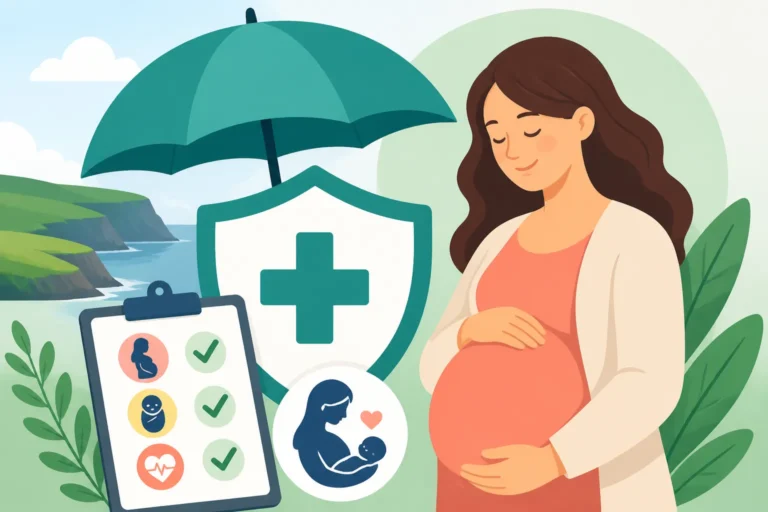
- Maternity Coverage: If you're planning a family, check the maternity benefits of any health insurance plan very carefully. There is typically a 52-week waiting period for maternity benefits, even on group schemes. Public maternity care in Ireland is excellent and largely free for residents, so many families opt for public maternity services even if they have private health insurance for other medical needs. The cost of healthcare in Ireland can be surprising, so understanding these aspects is key; read The Cost of Healthcare in Ireland: A Complete Breakdown for Foreigners (2026).
Employer-Provided vs. Individual Health Insurance for Expats
To help clarify the choices, here's a quick comparison of the pros and cons of relying on an employer's health insurance versus purchasing your own individual policy.
| Feature | Employer-Provided Health Insurance (Group Scheme) | Individual Health Insurance (Personal Policy) |
|---|---|---|
| Pros | Often lower personal cost (employer contribution). | Full control over plan choice & benefits. |
| Reduced or waived waiting periods (especially for new joiners). | Can be tailored exactly to personal/family needs. | |
| Convenience of payroll deductions. | Not tied to employment; portable if you change jobs. | |
| Access to group rates (can be cheaper than individual for same cover). | Can add dependents as needed. | |
| May include additional perks like EAP. | More options for specific needs (e.g., extensive dental/optical). | |
| Cons | Limited choice of plan (employer selects). | Full cost borne by you. |
| Coverage may not be comprehensive enough for individual needs. | Standard waiting periods apply (e.g., 26/52 weeks). | |
| Adding dependents can be expensive. | Lifetime Community Rating (LCR) surcharges may apply if over 34 without prior cover. | |
| Tied to employment; ends if you leave the job. | Can be complex to compare plans and choose the right one. | |
| Premiums paid by employer are a taxable Benefit-in-Kind (BIK). |
Disclaimer
The information provided in this guide is for general informational purposes only and does not constitute financial, legal, or medical advice. Healthcare regulations and insurance policies in Ireland can change. Always consult with your HR department, a qualified health insurance broker, or the relevant insurance provider for the most accurate and up-to-date information regarding your specific situation and entitlements.