Can I Get a Telehealth Appointment in Ireland?
Navigating a new healthcare system can be one of the most daunting challenges when you first arrive in Ireland, and often, getting a quick doctor's appointment feels like finding a pot of gold at the end of a rainbow. The good news is that Ireland has increasingly embraced telehealth, offering a much-needed lifeline for many common medical needs, especially for expats and visitors trying to get their bearings. This comprehensive guide will walk you through everything you need to know about accessing telehealth appointments across the Emerald Isle, from understanding what's available to navigating costs and eligibility.
Understanding Telehealth in the Irish Context
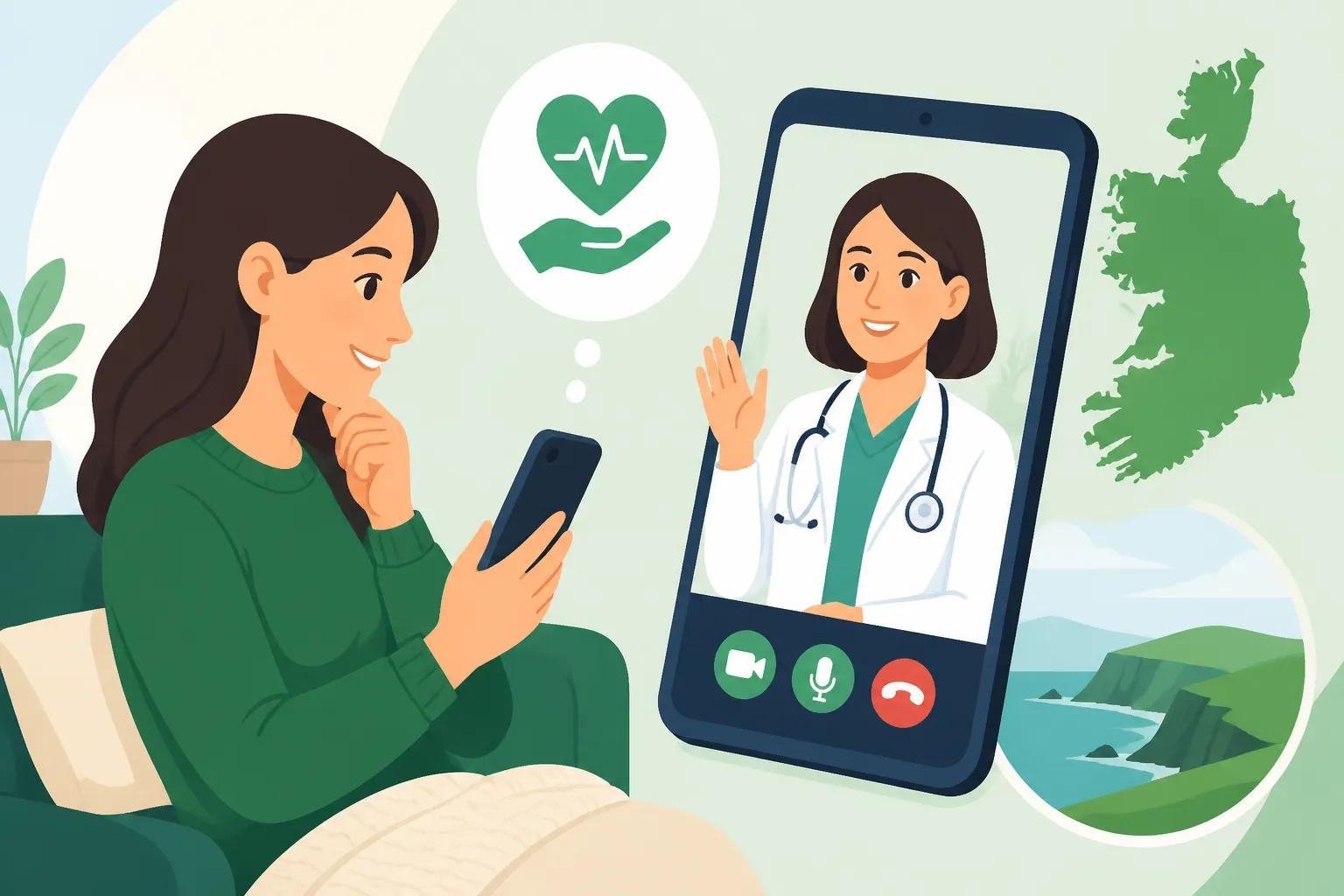
When you hear "telehealth" or "telemedicine" in Ireland, it generally refers to healthcare services delivered remotely through technology, most commonly video calls or phone consultations. It's a way for you to connect with a healthcare professional without physically stepping into a clinic or surgery. This has become particularly vital in a country where securing an in-person GP appointment can sometimes feel like winning the lottery, especially if you're new to the area or if your local practice is stretched thin.
What Does Telehealth Encompass Here?
Telehealth in Ireland isn't just a simple phone call with a doctor; it’s evolved to cover a range of services designed to make healthcare more accessible. At its core, it means consulting with a GP, a nurse, or sometimes even a specialist via a secure online platform. These platforms typically allow for video conferencing, secure messaging, and the electronic transfer of prescriptions. Think of it as your virtual doctor's office, right there on your phone, tablet, or computer.
For many minor ailments or follow-up consultations, telehealth can be incredibly convenient. For instance, if you've got a persistent cough, a mild skin rash, or need a repeat prescription for a stable condition, a virtual appointment can often save you the trip to the doctor's office. It’s also often used for mental health support, with many therapists and counsellors offering sessions remotely, which can be particularly helpful for expats dealing with the stress of relocation. However, it's crucial to understand that it’s not a substitute for all medical care; complex diagnoses, physical examinations, or urgent conditions still require an in-person visit or even emergency care.
Common Types of Telehealth Services
In Ireland, you'll generally encounter a few main types of telehealth services:
- GP-led Teleconsultations: Many General Practices (GPs) across the country now offer phone or video consultations as a first point of contact. If you're already registered with a GP, this is often the most straightforward option. When you call your GP surgery for an appointment, they might triage you for a telehealth consultation if they deem it appropriate. This has become a staple, especially since 2020, significantly easing the burden on physical waiting rooms. It's important to remember that if your GP decides they need to see you in person after a virtual chat, you'll then be asked to come into the surgery. This blending of virtual and in-person care is often referred to as a "hybrid" model. For a deeper dive into getting yourself set up with a GP, check out our guide on How to Register with a GP (Family Doctor) in Ireland.
- Private Online Doctor Services: Beyond your local GP, there are a growing number of private companies that offer virtual GP services, often on a subscription basis or per-consultation fee. These can be a godsend if you haven't yet managed to register with a GP, or if you need an appointment outside of standard surgery hours. Many private health insurance providers, like Vhi and Laya Healthcare, have integrated these services directly into their plans, offering policyholders easy access to online doctors. These services often promise faster appointment times, sometimes within minutes, which is a huge relief when you're feeling unwell and can't get to a physical clinic quickly.
- Specialist Consultations: While less common for initial assessments, some specialists are also offering follow-up consultations via telehealth. This could be for dermatology, mental health, or other areas where a physical examination isn't always necessary. Your GP would typically refer you to such a service, much like they would for an in-person specialist. Understanding How Specialist and Consultant Referrals Work in Ireland is key here.
- Pharmacy Consultations: Although not always classified as "telehealth" in the traditional sense, many pharmacies now offer private consultation rooms and pharmacists who can advise on minor ailments or provide emergency contraception. Some are even experimenting with virtual consultations linked to specific conditions, offering a convenient, accessible point of care without needing a doctor's appointment for every small issue.
Accessing Telehealth Services as an Expat or Visitor
Getting started with telehealth in Ireland can seem a bit opaque at first, especially if you're not yet fully integrated into the healthcare system. The process often depends on your current status – whether you’re a long-term resident with a registered GP, a new expat still finding your feet, or a short-term visitor. The key is to know your options and what to expect.
How to Book a Telehealth Appointment
The pathway to a virtual appointment largely depends on the type of service you're seeking.
If you have a registered GP:
- Contact Your GP Surgery: Simply call your doctor’s office as you normally would for an appointment.
- Explain Your Symptoms: Be clear about your symptoms. The receptionist or practice nurse might ask you a few questions to determine if a telehealth consultation is suitable or if an in-person visit is necessary.
- Schedule the Appointment: If a telehealth appointment is appropriate, they'll schedule a time for a phone or video call. They'll also explain how the call will take place (e.g., the doctor will call you, or you’ll receive a link for a video call).
- Prepare for the Call: Ensure you have a quiet, private space for your consultation. Have any relevant medical history or notes ready.
If you don't have a registered GP or need an urgent appointment:
- Explore Private Online Doctor Platforms: These are often your best bet if you're a new arrival or a visitor. Popular options include services offered by private health insurers like Vhi and Laya Healthcare (if you have their plans), or independent platforms. A quick web search for "online doctor Ireland" will bring up several providers.
- Register with the Service: You'll typically need to create an account, providing some personal details and payment information.
- Choose Your Doctor and Time: Many platforms allow you to see available doctors and choose a time slot that suits you. Some offer "on-demand" appointments, meaning you can often connect with a doctor within minutes.
- Attend the Consultation: Log in at your scheduled time. The platform will guide you through the process for your video or phone call.
For those just landing or visiting, especially if you're still figuring out your long-term health insurance, it's worth checking if your international travel health insurance, like SafetyWing, includes virtual doctor services. Many such policies understand the challenges of accessing local care quickly and offer telehealth as part of their benefits, providing a valuable bridge until you're fully settled in Ireland's system. Knowing How to Buy Private Health Insurance as a Newcomer in Ireland can help you plan for the longer term.
What to Expect During Your Virtual Consult
A telehealth appointment in Ireland is very similar to an in-person one in terms of the questions a doctor will ask. They'll inquire about your symptoms, medical history, medications, and any other relevant details. Be prepared to describe your condition clearly and concisely.
- Diagnosis and Advice: The doctor will use the information you provide to make a diagnosis and offer advice. This might include recommendations for over-the-counter medications, lifestyle changes, or simply reassurance.
- Prescriptions: If a prescription is needed, the doctor can typically send it electronically to a pharmacy of your choice. You’ll then go to the pharmacy to pick up your medication. This process is generally very efficient. Learn more about Prescription Medications and Pharmacies in Ireland: The Complete Guide.
- Referrals: If the doctor determines you need a physical examination, blood tests, or a specialist consultation, they can provide a referral. For private telehealth services, this might be a letter you can take to an in-person GP or specialist. If it's your registered GP, they'll manage the next steps within their practice or refer you to the HSE system.
- Sick Certs: If you need a sick certificate for work, a telehealth doctor can issue this for you electronically, which is incredibly convenient. Find out more about How Do I Get a Sick Cert from a Doctor in Ireland?.
Benefits and Limitations of Telehealth for Expats and Tourists
Telehealth has truly transformed how many of us interact with healthcare, offering a flexible and often quicker alternative to traditional appointments. For expats and tourists in Ireland, these advantages are particularly pronounced, but it’s not without its drawbacks. Understanding both sides is crucial for making informed decisions about your healthcare needs.
The Upsides: Convenience and Accessibility
- Overcoming GP Registration Challenges: One of the biggest hurdles for newcomers is often How Do I Register with a GP in Ireland?. GP practices, especially in larger cities like Dublin, can have long waiting lists or simply not be accepting new patients. Telehealth services, particularly the private online platforms, bypass this entirely, offering immediate access to a doctor without needing a long-term registration. This is especially helpful during your initial months when you're still navigating the local system.
- Speed and Efficiency: For minor ailments, telehealth appointments are often available much faster than in-person ones. Many private services boast consultation times within minutes or hours, rather than days. When you’re feeling unwell, this speed can make a world of difference.
- Geographic Flexibility: You can have an appointment from anywhere with an internet connection – your home, your office, or even a quiet corner of a café. This is incredibly beneficial if you live in a rural area where GP surgeries might be far apart, or if you simply don't have the time or means to travel to a clinic.
- Reduced Exposure to Illness: Especially pertinent in a post-pandemic world, virtual appointments mean you avoid waiting rooms filled with other sick people, reducing your risk of picking up another bug.
- Comfort and Privacy: Discussing sensitive health issues can sometimes be easier from the comfort and privacy of your own home, rather than in a busy clinic environment.
- Support for Tourists and Short-Term Visitors: If you’re here on holiday or for a short work assignment, needing a doctor can be a real worry. Telehealth offers a straightforward way to get medical advice without having to navigate an unfamiliar local system for a one-off visit. Again, for tourists, verifying if services like SafetyWing include virtual doctor access can offer peace of mind during your stay.
The Downsides: When Telehealth Isn't Enough
While telehealth is a fantastic tool, it’s not a panacea for all medical needs. There are inherent limitations that expats and visitors should be acutely aware of.
- No Physical Examination: This is the most significant limitation. A doctor cannot palpate your abdomen, listen to your lungs, check your blood pressure, or examine a suspicious mole remotely. For any condition requiring a physical assessment for accurate diagnosis, a telehealth appointment can only go so far and will often lead to a recommendation for an in-person follow-up. This means potentially two consultations for one issue, incurring extra cost and time.
- Limited Scope for Complex or Urgent Issues: Telehealth is not suitable for emergencies. If you suspect a serious condition like a heart attack, stroke, or severe injury, you absolutely must seek Emergency Medical Care in Ireland: What Every Expat Needs to Know immediately by calling 112 or 999 or going to an Accident & Emergency (A&E) department. Even for less urgent but complex chronic conditions, ongoing management often requires regular in-person check-ups.
- Potential for Misdiagnosis: While doctors are highly skilled, the absence of physical cues and examination tools can increase the risk of misdiagnosis for certain conditions. Doctors rely heavily on visual and tactile information, which is significantly reduced in a virtual setting.
- Technology Requirements: You need a stable internet connection, a device (smartphone, tablet, or computer) with a camera and microphone, and a basic level of tech proficiency. Technical glitches can disrupt appointments and add to frustration.
- Continuity of Care: If you’re using various private telehealth services, you might see a different doctor each time, which can hinder continuity of care. A consistent relationship with one GP who knows your full medical history is invaluable. This is why registering with a local GP for long-term care, even if it takes time, is highly recommended for residents.
| Aspect | Telehealth (Virtual GP) | In-Person GP Appointment |
|---|---|---|
| Availability | Often same-day/next-day, extended hours available | Can involve waiting lists, standard office hours |
| Access for Newcomers | Excellent, often no registration needed | Can be difficult to find a practice accepting new patients |
| Physical Exam | Not possible | Essential for many diagnoses |
| Best For | Minor ailments, repeat prescriptions, advice, mental health consults | Complex issues, chronic conditions, physical symptoms, urgent needs |
| Cost | Variable (private fee, covered by insurance or Medical Card/GP Visit Card if with registered GP) | Variable (private fee, covered by Medical Card/GP Visit Card) |
| Referrals | Possible, often to an in-person GP or specialist | Direct referral within the HSE or private system |
| Continuity of Care | Can be fragmented with private services, better with registered GP | Strong, builds long-term doctor-patient relationship |
| Emergency Use | Not suitable | Not suitable (go to A&E or call 112/999) |
Costs and Insurance Coverage for Telehealth in Ireland
Healthcare costs are always a hot topic for expats, and telehealth is no exception. Understanding what you might pay out-of-pocket and what your insurance or public health entitlements cover is essential for peace of mind. The cost structure for telehealth in Ireland can vary significantly depending on whether you’re using a service provided by your registered GP, a private online platform, or if you have private health insurance.
Public vs. Private Telehealth Costs
Ireland operates a two-tier healthcare system: public and private. Your access to free or subsidised telehealth depends heavily on your eligibility within the public system. For a comprehensive overview, see The Complete Guide to Healthcare in Ireland for Expats (2027).
- Public System (Registered GP): If you have a Medical Card or a GP Visit Card, your telehealth consultations with your registered General Practitioner are generally free. These cards are means-tested or age-based, and many expats won't initially qualify. Without one of these cards, a standard GP consultation (whether in-person or virtual) usually costs around €50-€70, though this can vary by practice. Many GPs have simply integrated phone or video consultations into their standard fee structure.
- Private Telehealth Platforms: These services operate entirely outside the public system and nearly always involve a fee. A single virtual consultation can range from €25 to €60, depending on the provider and the time of day. Some platforms offer monthly or annual subscription models, which can reduce the per-consultation cost if you anticipate frequent use. For example, some platforms might offer an initial consultation for a reduced fee or as part of a package. These are particularly useful for those who haven't yet been able to Registering with a GP in Ireland: The Complete Expat Guide (2027).
Insurance Coverage for Telehealth
This is where things can get a bit nuanced for expats.
- Private Health Insurance: If you have private health insurance in Ireland (e.g., with Vhi, Laya Healthcare, or Irish Life Health), most policies now include some form of telehealth coverage. Many insurers have their own dedicated digital GP services, offering free or significantly discounted virtual consultations to their members. This is a huge benefit and often a primary reason expats opt for private insurance. Always check the specifics of your policy to understand what's covered, how many consultations you're entitled to, and if there are any restrictions. For more detail on local providers, consult Health Insurance in Ireland: VHI, Laya, Irish Life and Options Explained.
- International/Travel Insurance: For short-term visitors or new expats who are still covered by international travel medical insurance (like SafetyWing), many of these policies also offer a telehealth component. This can be a lifesaver in the initial weeks or months before you secure local health insurance or register with a GP in Ireland. Review your policy documents carefully to confirm if virtual doctor visits are included and what the process is for claiming. It's an excellent interim solution that bridges the gap, ensuring you're not left without options if a minor medical issue arises.
- No Insurance/Direct Payment: If you don't have private health insurance, a Medical Card, or a GP Visit Card, you will be paying out-of-pocket for all private telehealth services. The costs can add up, so it's always worth considering the total The Cost of Healthcare in Ireland: A Complete Breakdown for Foreigners (2026) when budgeting for your life in Ireland.
Claiming Back Costs
If you pay for a private telehealth appointment, you might be able to claim a portion of the cost back, either through your private health insurance or through tax relief.
- Private Health Insurance: If your policy covers telehealth, you'll typically submit your receipt to your insurer for reimbursement.
- Tax Relief: In Ireland, you can claim tax relief on certain medical expenses. Keep all your receipts for telehealth consultations, as these might be eligible for relief at the standard rate of income tax. This can be a small but welcome saving at the end of the tax year. Understanding How to Claim Tax Relief on Medical Expenses in Ireland is a good idea.
Navigating the Irish healthcare system as an expat or tourist can feel like a labyrinth, but telehealth services offer a clear path for many common medical needs. By understanding your options, whether through your registered GP, private platforms, or your health insurance (like your initial SafetyWing travel medical policy), you can ensure you access timely and convenient care while living in or visiting Ireland.
Disclaimer
The information provided in this guide is intended for general informational purposes only and does not constitute medical, legal, or professional advice. While we strive to provide accurate and up-to-date information, healthcare policies, regulations, and costs in Ireland can change rapidly. Always consult with a qualified healthcare professional for medical advice and official sources like the HSE (Health Service Executive) or your insurance provider for the most current and specific information relevant to your situation. Reliance on any information in this guide is solely at your own risk.