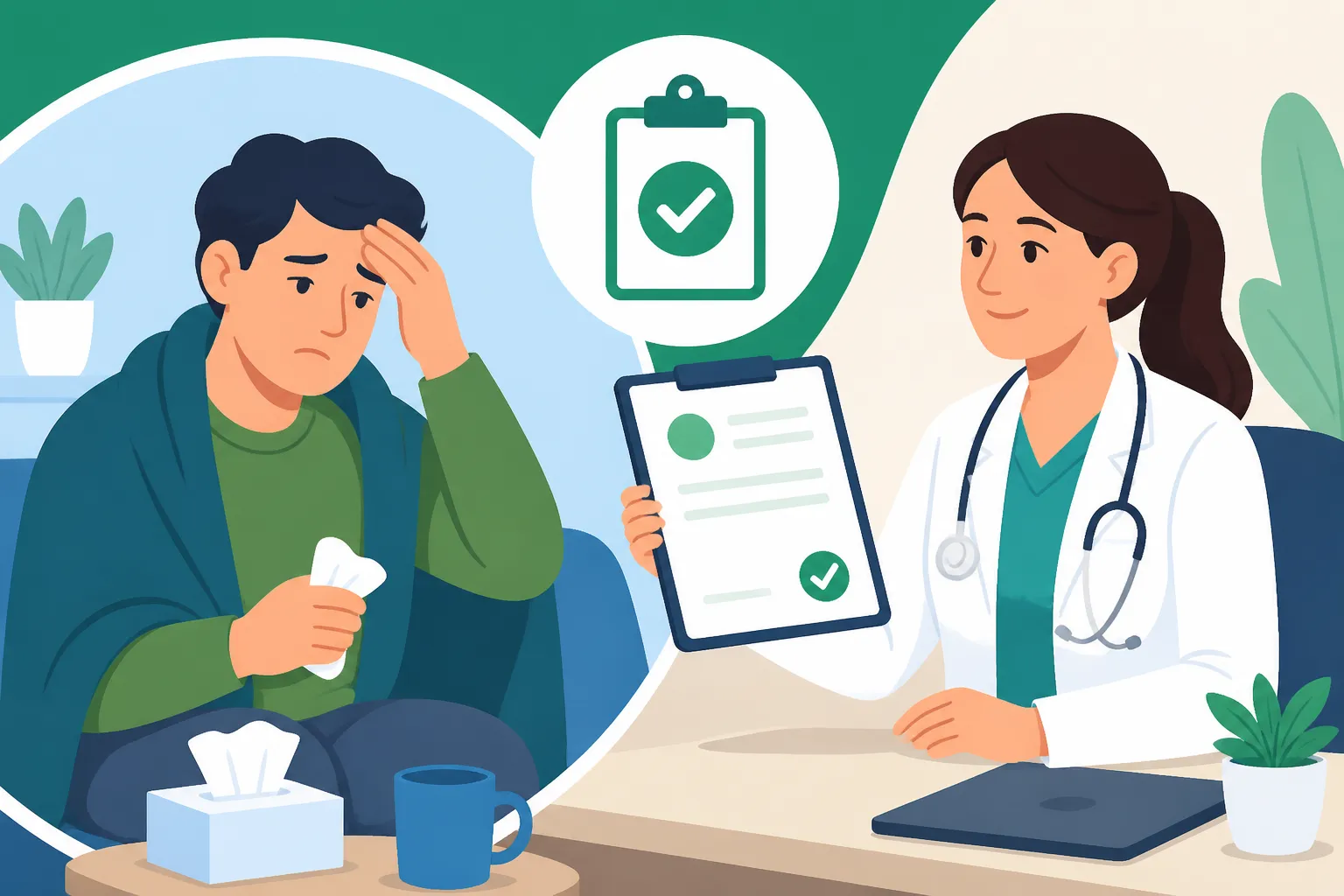
How Do I Get a Sick Cert from a Doctor in Ireland?
One of the trickiest parts of settling into a new country like Ireland is figuring out the everyday stuff, especially when you're feeling unwell and need to formally tell your employer. It’s not just about getting better; it’s about navigating the system to get a "sick cert" – that all-important doctor’s note. This guide is here to demystify the process, walking you through everything you need to know to secure a sick certificate from an Irish doctor without the usual expat headaches.
Understanding the Irish Sick Cert System
When you first arrive in Ireland, the healthcare system can feel like a labyrinth. Suddenly, something as simple as calling in sick requires paperwork you might not be used to. A sick cert, officially known as a medical certificate, is your doctor’s formal confirmation that you were unfit for work due to illness or injury. It’s crucial for employers, especially if you're taking more than a couple of days off, and it's essential for accessing certain social welfare benefits if your illness is prolonged.
What Exactly is a Sick Cert and Why Do You Need One?
A sick cert in Ireland isn't just a courtesy; it's a legal and contractual document. It states the period you were, or are expected to be, incapacitated and unable to perform your job duties. Most employers will require one if you're out for more than two or three consecutive days. This isn't just arbitrary bureaucracy; it helps them manage staffing, ensure compliance with employment laws, and process any sick pay you might be entitled to. Without one, you could face questions about your absence, and in some cases, it might even impact your pay. It's truly one of those little administrative details that can trip you up if you're not prepared, especially when you're still getting the hang of things.
Who Can Issue a Sick Cert in Ireland?
Generally speaking, a sick cert in Ireland must be issued by a registered medical practitioner – that means a doctor. For most everyday illnesses, this will be your General Practitioner (GP). You can’t just get one from a pharmacist, for example, unless they are also a qualified doctor. If you've been hospitalised or treated in an emergency department, a doctor there can also issue a sick cert covering your stay and initial recovery period. It’s always best to get the cert from the doctor who directly assessed your condition. If you're a newcomer, one of your absolute first tasks should be to figure out How Do I Register with a GP in Ireland?. Trust me, it makes everything else so much smoother.
The Difference Between Private and Public Sick Certs
In Ireland, a sick cert is a sick cert, regardless of whether you’re seen in the public or private healthcare system. The key difference lies in who pays for the consultation that leads to the cert, and potentially, the speed of access to that consultation.
If you have a Medical Card or GP Visit Card, your GP visit (and therefore your sick cert) will be free. However, getting either of these cards can be a lengthy process for expats and requires meeting specific income criteria, as detailed in The Expat Guide to the Medical Card and GP Visit Card in Ireland (2027). For most new arrivals, especially those not on a low income, you’ll be paying for private GP visits. This means you pay a fee directly to the doctor for your consultation, and the sick cert will be issued following that private consultation. The format and validity of the cert itself remain the same; it's simply a matter of the payment model for the underlying medical assessment. This distinction is really important for budgeting, as private GP fees can range significantly across the country.
The Step-by-Step Process to Obtain Your Sick Cert
Okay, so you’ve woken up feeling absolutely dreadful, and you know you can't make it into work. What now? The process might seem intimidating at first, but once you know the steps, it's quite straightforward. The key is to act promptly and communicate effectively.
Registering with a GP: Your First Port of Call
Before you even think about a sick cert, your absolute priority in Ireland should be to register with a General Practitioner (GP). I can’t stress this enough. This is your primary doctor, your first point of contact for most non-emergency health issues. Many GP practices in Ireland are quite busy and may not take on new patients, or you might find yourself on a waiting list, especially in urban centres like Dublin. So, don’t wait until you're sick!
The process involves finding a local practice, filling out a registration form, and sometimes providing proof of address and identification. They might even schedule an initial "meet and greet" appointment. If you're covered by temporary travel insurance like SafetyWing when you first arrive, make sure you understand how their reimbursement process works for GP visits, as you'll likely pay upfront. Having a registered GP means they have your medical history, making diagnosis and treatment much more efficient. This proactive step can save you a huge amount of stress down the line. For a deeper dive into this, check out Registering with a GP in Ireland: The Complete Expat Guide (2027).
Making the Appointment: What to Expect
Once you’re registered with a GP, getting an appointment for a sick cert is fairly standard. Call your GP practice as soon as you realise you're too ill to work. Explain your symptoms and that you need to be seen for a sick cert. Be prepared to describe your condition accurately. The receptionist will usually ask for a brief overview to help triage your appointment. They might offer a same-day appointment if it’s urgent, or schedule you for the next available slot. In some cases, if your GP knows you well and your symptoms are minor and well-understood, they might offer a phone consultation, but usually, a physical examination is required for a sick cert, especially if it's your first time seeing them for this particular ailment.
During the consultation, the doctor will assess your condition. This isn't just a rubber stamp process; they need to genuinely determine if you're unfit for work. Be clear about your symptoms, how long you've been unwell, and how it impacts your ability to perform your job. Don't exaggerate, but don't downplay either. The doctor will then issue the sick cert, specifying the start and end dates of your incapacity. Remember, getting your medical certificate from a qualified doctor is a fundamental part of The Complete Guide to Healthcare in Ireland for Expats (2027).
After the Consultation: Getting Your Cert
Once the doctor has completed your assessment, they will typically print out the sick cert for you. It will usually include your name, the doctor’s name and signature, the date of issue, and the period you are certified unfit for work. Sometimes, it might include a brief, general reason for your absence (e.g., "viral illness," "back pain") but typically, it avoids specific diagnoses for privacy reasons unless you explicitly request it or it's clinically necessary.
You are responsible for getting this cert to your employer promptly. Some employers might accept a scanned copy initially, but almost all will require the original physical document for their records. Always keep a copy for yourself! This document is vital, not just for your employer but also potentially for social welfare if your illness extends beyond a certain period, or if you need to claim statutory sick pay. Ensure all the dates on the cert are correct before you leave the practice. If you are still ill beyond the period stated on your current cert, you'll need another consultation and a new cert to extend your leave.
Important Considerations and Common Pitfalls for Expats
Navigating the sick cert system can throw up a few curveballs, especially for those new to Ireland. From not being registered with a GP to understanding your rights around sick pay, there are specific things expats should be particularly aware of.
What to Do If You're Not Registered with a GP Yet
This is perhaps the biggest pitfall for new expats. If you suddenly fall ill and haven't gotten around to registering with a GP, you're in a bit of a pickle. Your options are limited, but not non-existent:
- Walk-in Clinics/Urgent Care Centres: In larger cities like Dublin or Cork, you might find private urgent care centres or walk-in clinics. These facilities are often more expensive than a standard GP visit (expect €70-€150+), but they can see you without prior registration. Be aware that their primary purpose is urgent, non-life-threatening issues, not necessarily routine sick certs. They can, however, provide one if medically justified. Always call ahead to confirm they offer this service and their charges.
- Emergency Department (A&E): This should be your last resort and only for genuine emergencies. If you're seriously ill, go to A&E, and a doctor there can issue a cert. However, using A&E for a common cold or flu is inappropriate, will incur significant fees (currently €100 for A&E attendance if not admitted, unless exempt), and will contribute to already long waiting times.
- Find an Accepting GP: Call around to local GP practices and explain your situation. Some might be willing to see you as a temporary patient for a single visit, but this is less common due to patient loads. You will pay the full private fee.
It's clear that not having a registered GP makes things much harder and more expensive. This is why getting sorted with a family doctor is highlighted in Navigating the Irish Healthcare System: An Expat's Roadmap (2027). If you're still on your initial journey and perhaps relying on travel insurance, companies like SafetyWing can be a lifeline for these unexpected private costs, but they still require you to seek legitimate medical care.
Understanding Sick Pay Entitlements and Employer Expectations
Sick pay in Ireland is something every expat needs to understand. As of January 1, 2024, Statutory Sick Pay (SSP) mandates that employers must pay employees for a certain number of sick days per year. Currently, this is 5 days per year, rising to 7 in 2025 and 10 in 2026. The rate is 70% of your normal daily wage, capped at €110 per day. To claim SSP, you usually need a medical certificate from a GP for days you're out sick.
However, your employer's contractual sick pay scheme might offer more generous terms. Many companies in Ireland offer their own sick pay benefits that go beyond the statutory minimum, paying full wages for a longer period. Always check your employment contract or speak to your HR department to understand your specific entitlements. The rule of thumb, however, is that a sick cert is generally required for any absence exceeding a certain threshold, even for contractual sick pay. You’ll find more information on this in Understanding Sick Leave and Statutory Sick Pay in Ireland. Always clarify with your employer their specific requirements for submitting sick certs and what their policies are regarding sick leave documentation.
Lost or Late Sick Certs: How to Handle It
Life happens, and sometimes a sick cert can get lost in the shuffle, or you might forget to get one within the required timeframe. If you lose your sick cert, contact your GP practice immediately. They can usually issue a duplicate, though some practices might charge a small administrative fee for this. It's much easier for them to do this shortly after your appointment, rather than months later.
If you submit a sick cert late to your employer, it’s best to be upfront and explain the delay. Most employers will be understanding, especially if you had a genuine reason (e.g., you were too unwell to manage administrative tasks, or there was a delay in getting an appointment). However, consistent lateness or failure to provide certs could lead to issues, as it can impact their ability to process payroll or comply with HR policies. Good communication is key here. As an expat, it can be easy to overlook these details while dealing with a new illness in a new country, but a quick phone call can often clear things up.
Cost, Duration, and Other Practicalities
Understanding the financial and logistical aspects of sick certs in Ireland is essential for budgeting and planning. There are no hidden fees, but knowing what to expect can ease a lot of stress.
How Much Does a Sick Cert Cost?
The cost of a sick cert in Ireland is typically incorporated into the cost of the GP consultation itself. If you hold a Medical Card or GP Visit Card, the consultation and cert are free at a participating GP. If you don't have these, you'll be paying privately. The price for a private GP visit can vary significantly across the country, but generally, you can expect to pay anywhere from €50 to €70, with some practices charging up to €80 or even €90, especially in urban areas or for out-of-hours appointments.
Some GPs might charge a very small administrative fee (e.g., €10-€20) if you need a sick cert issued without a consultation (e.g., for a simple extension of a previous cert based on a phone call, if the doctor deems it appropriate, which is rare for initial certs), or for a duplicate. Always confirm the fee with the receptionist when booking your appointment. This can be a surprising expense for new arrivals, so it's worth factoring into your budget if you don't have public health entitlements. Knowing How Much Does a GP Visit Cost in Ireland Without a Card? is vital. If you have private health insurance, like some plans offered by VHI, Laya, or Irish Life, it may cover a portion of your GP visits, which would indirectly reduce the cost of your sick cert. It's always a good idea to understand Understanding Private Health Insurance Plans in Ireland and how to claim back any eligible expenses.
How Long Can a Sick Cert Cover?
The duration of a sick cert is entirely at the discretion of the examining doctor and will be based on their medical assessment of your condition. For common, short-term illnesses like a bad cold or flu, a cert might cover 2-5 days. For more significant illnesses, injuries, or surgeries, a cert could cover several weeks or even months.
It’s important to understand that a sick cert is not open-ended. If your illness extends beyond the period specified on your current cert, you will need to revisit your GP (or have a phone consultation if they agree) to get an extension and a new cert. Doctors typically only certify you for the period they believe you will be medically unfit for work. They cannot backdate a cert indefinitely for periods before you were assessed, or for periods when they did not medically review your inability to work. This makes timely doctor visits really important.
The Importance of Communication with Your Employer
Beyond the legal and administrative requirements, effective communication with your employer when you're unwell is crucial. As soon as you know you can't come to work, notify your manager or HR department according to your company’s established procedure. This usually involves a phone call or email on the first morning of your absence. Let them know you're unwell and will be seeking a medical certificate if your absence extends.
Follow up with updates if your condition changes or if there's a delay in getting your cert. Even if you're feeling under the weather, a quick email can prevent misunderstandings and unnecessary stress. Many expat employers, especially multinationals, are very understanding, but they appreciate being kept in the loop. This good practice helps you manage your sick leave effectively and ensures you meet your employment obligations, making your life in Ireland a little bit smoother.
| Scenario | GP Registration Required? | Typical Cost (Private) | Cert Duration | Key Action |
|---|---|---|---|---|
| Common Cold/Flu | Yes, ideally | €50-€70 | 2-5 days | Book GP appointment, communicate with employer |
| Minor Injury | Yes, ideally | €50-€70 | 3 days – 2 weeks | See GP, follow treatment, submit cert |
| Serious Illness/Surgery | Yes | €50-€70 (GP) / Hospital Bill | Weeks to Months | Follow medical advice, regular GP check-ins |
| Urgent, Non-Emergency (no GP) | No, but more expensive | €70-€150 (Urgent Care) | 1-7 days | Attend Urgent Care, then seek GP registration |
| Emergency (no GP) | No | €100+ (A&E Fee) | As required | Attend A&E, cert issued by hospital doctor |
Disclaimer
The information provided in this guide is for general informational purposes only and does not constitute medical, legal, or financial advice. While we strive to keep the information accurate and up-to-date, healthcare policies, costs, and employment laws in Ireland can change. Always consult with a qualified medical professional, legal expert, or your employer's HR department for advice tailored to your specific situation. Reliance on any information in this guide is solely at your own risk.