Do I Need Private Health Insurance in Ireland?
Moving to Ireland means diving headfirst into a lot of new systems, and let me tell you, the healthcare system can feel like trying to untangle a particularly stubborn knot. One of the biggest questions I hear from fellow expats, and one I certainly grappled with myself, is: "Do I really need private health insurance here?" It's not a simple yes or no, and depending on your circumstances, your answer might be very different from your neighbour's. This guide is here to walk you through the nuances, clear up the common misconceptions, and help you decide what's truly best for you and your family in Ireland.
Understanding Ireland's Dual Healthcare System
Before you can even begin to think about private health insurance, you first need to get a grip on how Ireland's healthcare system actually functions. It's not entirely public like the NHS in the UK, nor is it purely private like in some other countries. Instead, Ireland operates a bit of a hybrid, or "dual," system, which can be incredibly confusing when you're first arriving.
The Public System HSE: What It Covers and Its Limitations
At its core, Ireland has the Health Service Executive (HSE), which is the public healthcare provider. If you're an ordinary resident – and generally, this means you've been living here for at least a year or intend to live here for at least a year – you're entitled to access public health services. This sounds great on paper, doesn't it? Free healthcare! But here’s where the reality often hits.
The public system covers a wide range of services, including GP (General Practitioner, or family doctor) visits (though not always free without a specific card), public hospital care, maternity services, and some emergency care. For instance, if you end up in a public hospital's Accident & Emergency (A&E) department, you’re entitled to be seen. However, there’s typically an A&E charge, currently €100, if you’re not admitted or referred by a GP. That's a surprise bill many expats weren't expecting. You can read more about Understanding Public Hospital Charges and the A&E Fee in Ireland to grasp these costs fully.
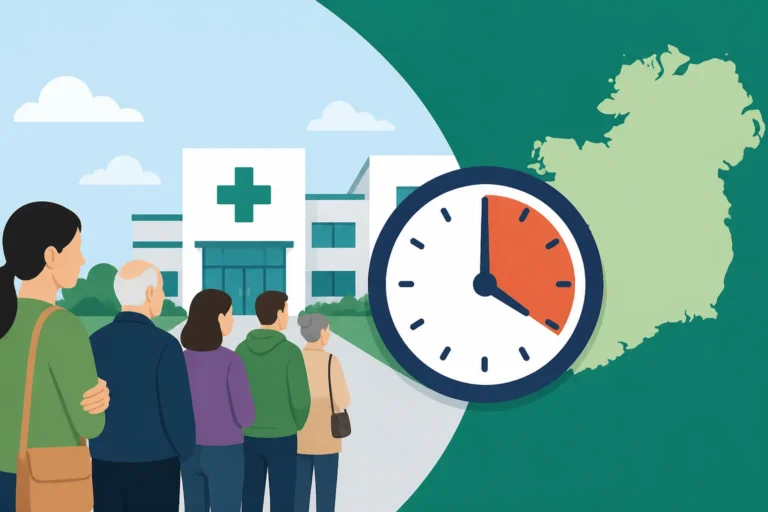
The biggest frustration and most significant limitation of the public system, which virtually every expat (and local!) will lament, is the waiting lists. Oh, the waiting lists! For non-urgent procedures, specialist consultations, or even some diagnostic tests like an MRI, you could be waiting months, or even years, in the public system. I’ve known people to wait over a year just to see a dermatologist or an orthopaedic specialist for a non-life-threatening but debilitating issue. If you need hip surgery or a cataract operation, the wait can be even longer. This isn’t a slight against the dedicated professionals in the HSE; it's a systemic issue of capacity and demand. If you're curious about the specifics, "How Long Are Waiting Lists in the Public Health System in Ireland?" is a common question, and unfortunately, the answer is often "too long."
The Role of Private Health Insurance: Bridging the Gaps
This is where private health insurance truly shines and becomes an almost essential consideration for many. Private health insurance doesn't replace the public system; rather, it runs parallel to it and is designed to bridge those frustrating gaps. It essentially offers you a shortcut – faster access to care, greater choice, and more comfortable surroundings.
With private health insurance, you gain access to private hospitals like the Beacon Hospital, Mater Private, or Blackrock Clinic, or the private wings of public hospitals. This means significantly shorter waiting times for specialist appointments, elective surgeries, and diagnostic scans. Instead of waiting six months to see a consultant, you might get an appointment within a few weeks. Instead of waiting two years for that knee surgery, it could be a matter of months. You also get a choice of consultant, which is often not possible in the public system, and you’re more likely to get a private or semi-private room if you need to stay overnight, offering a level of privacy and comfort that’s rarely available in public wards. If you want to dive deeper into the differences, Public vs Private Healthcare in Ireland: Which Should Expats Choose? might be a helpful read.
It's crucial to understand that even with private health insurance, you're still part of the HSE system in terms of your entitlement to public care. Private insurance simply gives you the option to opt out of the public waiting lists and choose a private pathway when you need it. It's not about escaping the public system entirely, but about giving yourself an alternative.
Who Needs Private Health Insurance in Ireland? Let's Get Real
Okay, so we've established that the public system has its strengths (entitlement for residents) and significant weaknesses (waiting lists). Now, let’s tackle the big question: do you need private health insurance?
The "Mandatory" vs. "Highly Recommended" Debate
Let me be absolutely clear: private health insurance is not mandatory for residents in Ireland. No one is going to force you to buy it. You can absolutely live in Ireland, pay your taxes, and rely solely on the public HSE system. Many people do, especially those with tight budgets, those who are generally very healthy, or those who simply can't afford the premiums.
However, for most expats, I would go beyond "recommended" and say it's highly recommended, bordering on essential for peace of mind. Why? Because you're coming from a different system, you're likely unfamiliar with the intricacies and the realities of Irish public waiting lists, and you probably want a bit more control and speed over your healthcare.
One critical factor to consider is Ireland's "Lifetime Community Rating" (LCR). This is a unique Irish system where, if you don't take out private health insurance before turning 35 (or within nine months of first becoming a resident if you move here after 34), you'll pay an additional 2% loading on your premium for every year you're over 34 when you do eventually get insurance. This loading applies for 10 years. So, if you wait until you’re 40 to get private health insurance, you’ll pay an extra 10% on your premium for the next decade. This incentivises people to get cover early and keep it. Also, most plans have waiting periods for certain benefits (e.g., 26 weeks for illness, 52 weeks for maternity), so you can't just sign up when you get sick and expect immediate coverage for pre-existing conditions. Understanding Health Insurance Waiting Periods and Lifetime Loading in Ireland is vital.
Scenarios Where Private Health Insurance Becomes a Lifeline
While it's not compulsory, there are several situations where having private health insurance really makes a difference and feels less like an optional extra and more like a necessity.
- Families with Young Children: If you have little ones, you know how often they need to see a doctor or specialist. Waiting months for a paediatrician in the public system for a recurring ear infection or a suspected allergy can be incredibly stressful. Private health insurance allows for much faster access to private paediatricians and specialists, reducing anxiety and getting your child the care they need sooner. This alone can be a huge factor for expat parents.
- Individuals with Specific Health Concerns: If you have a known chronic condition, a history of certain illnesses in your family, or just a feeling that you might need specialist care in the future, private insurance can be invaluable. While there are typically waiting periods and exclusions for pre-existing conditions when you first take out a policy, once those periods pass, you'll have much better access to ongoing specialist care, diagnostic tests, and treatments. For example, if you know you'll eventually need physiotherapy for an old sports injury, having private cover can expedite access and reduce out-of-pocket costs.
- Anyone Prioritising Choice and Speed: This is perhaps the biggest draw. If you are someone who cannot tolerate long waiting times, wants the flexibility to choose your own consultant, or desires the comfort and privacy of a semi-private or private hospital room, then private health insurance is pretty much a non-negotiable. Imagine needing an urgent but non-life-threatening procedure – a gallstone removal, for example. In the public system, you could be on a waiting list for a year or more. With private insurance, you could have it done within weeks or a couple of months. That difference in quality of life is profound.
- Digital Nomads/Short-Term Residents: If you're a digital nomad or only planning a shorter stay in Ireland (less than a year, or perhaps on a Working Holiday Visa), traditional Irish private health insurance might not be the most suitable or cost-effective option. In these cases, robust international travel insurance policies that cover medical emergencies abroad are often a better fit. Brands like SafetyWing are specifically designed for this demographic, offering flexible, comprehensive travel medical insurance that can be purchased and renewed on the go. While it won't give you access to the private hospitals in the same way an Irish policy would, it ensures you're covered for unexpected medical events and emergencies without breaking the bank or navigating complex local insurance schemes.
- People with Higher Incomes: If your income is above certain thresholds, you won't qualify for public supports like the Medical Card or GP Visit Card, meaning every GP visit, prescription, and hospital charge would be out-of-pocket unless you have private cover. Private insurance then becomes a way to manage these potential costs, especially for hospital stays or specialist care which can be very expensive without cover.
Weighing the Costs and Benefits: Is It Worth It for You?
Ultimately, the decision to get private health insurance in Ireland is a personal one, balancing financial outlay against potential benefits and peace of mind.
Financial Considerations: Premiums, Excesses, and Tax Relief
Let’s not sugarcoat it: private health insurance isn't cheap. Premiums vary wildly depending on your age, the level of coverage you choose, and the provider (the main ones being VHI, Laya Healthcare, and Irish Life Health). A basic hospital plan for an adult could start from around €60-€80 a month, but comprehensive plans offering full private hospital access and extensive outpatient benefits could easily run to €150-€300+ per person per month. Families, naturally, will face higher overall costs.
When looking at plans, you'll also encounter "excesses" or "deductibles." This is the amount you pay out of your own pocket before your insurance cover kicks in for a claim. For example, a plan might have a €75 excess for an overnight hospital stay or a €100 excess for certain outpatient procedures. Choosing a plan with higher excesses generally means lower monthly premiums, but you need to be comfortable paying that amount if you make a claim.
One small relief is that the Irish government provides a tax credit on private health insurance premiums. This is usually applied "at source," meaning your insurer will automatically reduce your premium by the amount of the tax credit (currently 20% of the premium, up to a certain limit). So, while you're paying a significant amount, it's slightly less than the headline price. If you’re looking for a detailed breakdown of potential costs, check out "How Much Does Private Health Insurance Cost in Ireland in 2026?" for current estimates.
The Real Value: Peace of Mind, Access, and Control
Beyond the financial spreadsheet, the real value of private health insurance often lies in the intangible benefits.
- Peace of Mind: Knowing that if something goes wrong, you have options beyond potentially endless public waiting lists is incredibly reassuring. This is particularly true if you have dependents.
- Faster Access to Diagnostics and Treatment: This cannot be overstated. Getting an early diagnosis for a worrying symptom or a timely surgery for a painful condition can significantly improve your quality of life and even prognosis. For example, I know someone who needed an MRI for a persistent back issue; on the public list, they were looking at an 8-month wait. With private insurance, they got one within two weeks, leading to a much faster treatment plan.
- Choice of Consultant and Hospital: You often have the ability to choose your specialist from a wide range of private practitioners, giving you more control over who provides your care. You can also pick the private hospital that suits you best, perhaps one closer to home or with a better reputation for a specific procedure. If you are interested in using private facilities, How to Use Private Hospitals Like the Mater, Beacon and Blackrock in Ireland provides excellent guidance.
- Comfort and Privacy: While not a medical necessity, having a private or semi-private room during a hospital stay can make a significant difference to your recovery and overall experience, especially during a stressful time.
Alternative and Supplementary Options
It’s important to remember that private health insurance is not the only piece of the puzzle. There are other schemes and options that might supplement your healthcare needs.
- Drugs Payment Scheme (DPS): This is a public scheme that caps the amount a household has to pay for prescribed medications in any calendar month. Currently, it's €80 per month. This isn't related to private insurance but is a vital support for anyone with ongoing prescription costs, whether they have private insurance or not. You can learn more about Understanding the Drugs Payment Scheme (DPS) in Ireland.
- GP Visit Card: If your income is below a certain threshold (higher than the Medical Card threshold), you might qualify for a GP Visit Card, which provides free GP visits for you and your family. This is another public support that can significantly reduce out-of-pocket costs for primary care. However, it doesn't cover hospital care or specialist consultations. How to Apply for a GP Visit Card in Ireland is a good resource if you think you might qualify.
- International Travel Insurance / Digital Nomad Insurance: As mentioned earlier, for very short stays or if you're uncertain about your long-term plans, a robust travel medical insurance like SafetyWing can be a sensible interim solution. It primarily covers unexpected medical emergencies and is not a substitute for comprehensive Irish private health insurance for long-term residents seeking access to elective private care. However, it fills a crucial gap for those who don't fit the traditional mold.
- Employer-Provided Insurance: Many multinational companies in Ireland, especially in tech and pharma, offer private health insurance as part of their benefits package. If your employer provides this, it's usually a fantastic perk, often covering a significant portion or even the full premium for you and sometimes even your family. Always check your employment contract carefully!
Here’s a quick comparison to help you weigh your options:
| Feature | Public Healthcare (HSE) | Private Health Insurance |
|---|---|---|
| Eligibility | Ordinary residents (generally >1 year) | Anyone who pays premiums (subject to waiting periods/LCR) |
| Cost | GP visits (may incur fees), A&E fee (€100 if not admitted), hospital charges for overnight stays (€80/night, capped) | Monthly/annual premiums, excesses/deductibles for claims, may include tax relief |
| Access to GPs | Entitled to register with a GP; fees apply if no Medical/GP Visit Card | Does not directly cover GP fees unless specific outpatient benefits included |
| Hospital Access | Public hospitals, public wards (often multi-bed) | Private hospitals or private/semi-private rooms in public hospitals |
| Waiting Times | Often long for specialist appointments & elective procedures | Significantly shorter for specialists, diagnostics, and elective surgeries |
| Choice of Consultant | Generally not available | Often allows choice of consultant |
| Privacy | Limited (public wards) | Higher likelihood of private/semi-private rooms |
| Emergency Care | Yes, via A&E (fee may apply) | Covers A&E fees if admitted, usually prioritises transfer to private facility if appropriate |
| Maternity Care | Comprehensive HSE Maternity and Infant Care Scheme | Covers private maternity hospitals or private services within public hospitals |
So, do you need private health insurance in Ireland? Not legally, no. But will it significantly improve your access to timely medical care, offer greater choice, and provide invaluable peace of mind, especially as an expat navigating a new system? For most, the answer is a resounding yes. Consider your personal health, your financial situation, and how much you value quick access and choice.
Disclaimer
The information provided in this guide is for general informational purposes only and does not constitute medical, legal, or financial advice. Healthcare regulations, costs, and insurance policies in Ireland are subject to change. While every effort has been made to ensure accuracy as of the date of publication, it is essential to consult with official sources, healthcare providers, and qualified insurance advisors for the most current and personalised information relevant to your specific circumstances.