Understanding the Drugs Payment Scheme (DPS) in Ireland
Moving to Ireland and being greeted by the wind and rain is one thing, but standing at a pharmacy counter and being told your monthly inhalers and skin creams will cost over €120 is a different kind of shock. Many newcomers assume healthcare is either fully free or prohibitively expensive, but this guide solves that confusion by explaining the Drugs Payment Scheme (DPS), a vital safety net that caps your monthly medication costs regardless of your income.
Navigating the Fundamentals of the Drugs Payment Scheme
The Drugs Payment Scheme, or DPS as everyone locally calls it, is one of those Irish administrative quirks that actually works in your favor once you understand the paperwork. Essentially, it is a government-funded program that ensures no individual or family pays more than a set amount for approved prescription medicines and certain appliances in a single calendar month. As of current regulations, that cap is €80. If your prescriptions cost €81 or €500, you only pay the first €80, and the Health Service Executive (HSE) covers the rest.
I remember when I first arrived, I was baffled by the system. I had come from a country where you either had a fixed co-pay or paid the full market price. In Ireland, the system is designed to protect those with chronic illnesses or families where multiple people might need treatment simultaneously. It is important to realize that the DPS is not "insurance" in the traditional sense; it is a residency-based entitlement. Whether you are a high-earning tech worker in Dublin or a student in Galway, the €80 cap applies to you equally.
One of the most common mistakes expats make is thinking they don't need to apply for a DPS card because they have private health insurance. However, even if you are looking at Health Insurance in Ireland: VHI, Laya, Irish Life and Options Explained, most private plans do not cover the first portion of your outpatient medicine costs. The DPS card acts as your primary shield against high pharmacy bills. It is also completely separate from the medical card system. While you might be asking Am I Eligible for a Medical Card in Ireland?, the DPS has no "means test," meaning your salary doesn't matter.
Establishing Eligibility and the Concept of Ordinary Residence
To get your hands on a DPS card, you must be "ordinarily resident" in Ireland. This is a term you will hear a lot in Irish bureaucracy. It doesn't mean you need to be a citizen or even have been here for years. It simply means you are living in Ireland and intend to stay here for at least one year. For most expats on a work permit or those from the EU, this is a hurdle you can clear relatively easily once you have your initial housing and employment sorted.
When you are starting your journey, the documentation can feel overwhelming. You'll need a PPS number (Personal Public Service Number) before you can even think about the DPS. I’ve seen many people get frustrated because they try to apply for healthcare benefits the week they land. It takes time. While you are in that "in-between" phase—waiting for your PPSN or your first utility bill—it is often wise to have a flexible travel medical plan. SafetyWing is a popular choice for many expats in this transition period because it covers you globally and can be started or stopped easily while you wait for your HSE entitlements to kick in.
If you are curious about how your status affects other parts of the system, you should read about How Ordinary Residence Affects Your Healthcare Entitlement in Ireland. For the DPS specifically, the HSE will look for proof that you are making Ireland your home. This usually involves providing a rental agreement or a letter from your employer. If you are moving with a spouse or children, they are all covered under your single family DPS application, provided they are also resident here.
The Step-by-Step Application Process
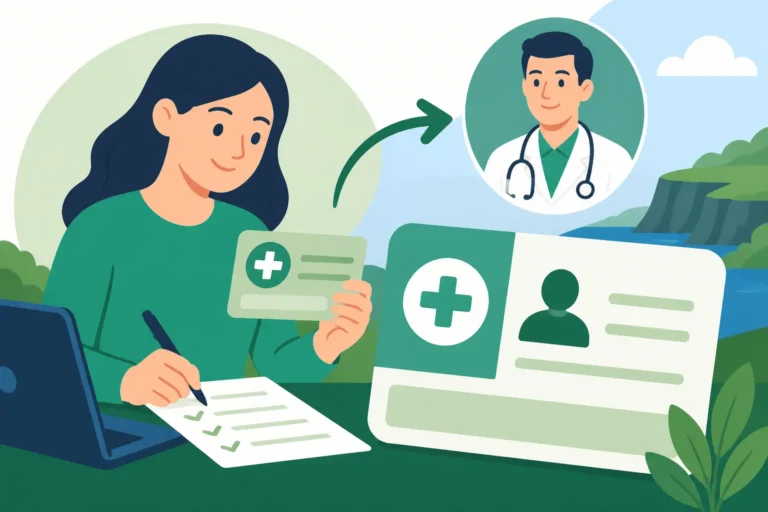
The application for a DPS card can be done online or via a paper form, but I strongly recommend the online route through the HSE website. It is faster and allows you to track your application status. You will need to provide your PPSN, your date of birth, and your current address. If you are applying as a family, you will need the PPSNs for your partner and all dependants under 18 (or under 23 if they are in full-time education).
The administrative burden is often what trips people up. You might think you can just walk into a pharmacy and show your passport, but the system doesn't work that way. You need that physical or digital card number. If you are still in the process of getting your paperwork together, you might find yourself paying full price at the pharmacy for a month or two. This is why understanding What Documents Do I Need to See a Doctor in Ireland? is crucial before your first appointment. Without the right info, the process stalls.
Once your application is submitted, it usually takes a few weeks to process. During this time, keep all your pharmacy receipts. If you spend more than the €80 limit while waiting for your card to arrive, you can actually claim a refund from the HSE later, provided your application was already in the system. It’s a bit of a manual process, but it’s better than losing out on €100 or more. If you find the HSE bureaucracy confusing, you are not alone; many foreigners find Navigating the Irish Healthcare System: An Expat's Roadmap (2027) a necessary read to keep their sanity.
What is Actually Covered Under the Scheme?
Not everything you buy at the pharmacy counts toward your €80 limit. This is a point of frequent frustration for expats who expect their luxury vitamins or over-the-counter (OTC) painkillers to be included. The DPS only covers items that are on the HSE’s approved list of reimbursable medicines. These are almost always medicines prescribed by a doctor that are deemed medically necessary.
For example, if your doctor prescribes a specific brand of blood pressure medication, that will count. However, if you decide to buy a bottle of high-end cough syrup or a box of branded hay fever tablets over the counter, those costs will not be added to your €80 total. This is why Are Prescription Medications Expensive in Ireland? is such a common question—it depends entirely on whether you are following the prescribed route or the self-medication route.
Beyond just "drugs," the scheme also covers certain medical appliances. This can include items like specialized dressings for chronic wounds or certain types of catheters. If you have a chronic condition that requires these items, the DPS becomes an absolute lifesaver. It is worth noting that for some very expensive "high-tech" drugs, there might be additional paperwork involved between your consultant and the HSE, but the €80 cap still remains the ultimate protection for your wallet.
| Feature | Drugs Payment Scheme (DPS) | Medical Card | Private Health Insurance |
|---|---|---|---|
| Eligibility | All Residents (No Means Test) | Low Income/Specific Needs | Anyone (Premium Based) |
| Monthly Cost | Free to join | Free to join | Monthly Premiums |
| Pharmacy Cap | €80 per month | Small prescription charge | Varies by plan/Often limited |
| GP Visits | Full cost applies | Free | Often 50% refund |
| Hospital Stays | Public charges apply | Free | Private/Semi-private rooms |
Using the Card at the Pharmacy: Practical Tips
The most efficient way to use your DPS card is to stick to one pharmacy. When you go to the same "chemist" (as the Irish call them) every month, their computer system tracks your spending automatically. Once you hit that €80 mark, the pharmacist simply stops charging you for the rest of the month. If you hop between different pharmacies, the systems don't always talk to each other in real-time, and you’ll end up having to pay the full amount and then go through the hassle of claiming a refund from the HSE manually.
I always tell newcomers to find a local pharmacy near their home or work and build a relationship with the staff. Irish pharmacists are incredibly knowledgeable and can often give you advice on How to Get a Sick Cert from a Doctor in Ireland or suggest cheaper generic versions of your medication. Using generics is a great way to stay under the limit if you only have one or two minor prescriptions, though the DPS cap makes this less of a financial concern once your total bill exceeds €80.
If you find yourself in an emergency situation where you need a prescription filled late at night at an "out-of-hours" pharmacy, don't panic if they can't see your DPS status immediately. Just pay the bill, keep the receipt, and bring it back to your regular pharmacy the next day, or use the HSE refund form. For those who travel frequently or are digital nomads, having SafetyWing as a backup is useful here because it can cover emergency prescriptions in other countries where your Irish DPS card has no power.
The Importance of the Family Unit in DPS
One of the most generous aspects of the DPS is how it defines a family. For the purposes of the €80 cap, a family is defined as an adult, their spouse or partner, and any children under 18. If you have a child between 18 and 23 who is in full-time education, they can also stay on your family card. This is a massive relief for parents. If you have three kids and they all come down with an infection in the same month, your total bill for the whole household is still capped at €80.
This is particularly helpful when you consider the other costs of being sick. Before you even get to the pharmacy, you likely paid for a doctor's visit. If you are curious about those prices, check out How Much Does a GP Visit Cost in Ireland Without a Card?. When you add up the GP fee and the medicine, a single illness can easily cost €140. With the DPS, a family facing multiple illnesses at once is protected from a total financial meltdown.
It is your responsibility to keep the HSE updated if your family circumstances change. If a child leaves school or you get a divorce, you need to update the records. The Irish system is quite strict about PPSN links. If the HSE sees a PPSN on a DPS card that is also linked to a Medical Card and GP Visit Card in Ireland (2026), they may cancel the DPS card because the Medical Card offers even better benefits (usually a small flat fee per item rather than a monthly cap). Understanding What Is the Difference Between a Medical Card and a GP Visit Card? is essential so you don't accidentally apply for the wrong thing.
Comparisons and Complementary Coverage
While the DPS is fantastic for prescription drugs, it doesn't cover everything. It won't help with the cost of a private hospital room or a specialized consultant's fee. This is where people often look toward private health insurance. For expats who move frequently or don't want to be tied down to a single country's public system, SafetyWing offers a middle ground that provides medical coverage without the heavy administrative burden of the local Irish private market. It works well alongside the DPS, covering the "big" emergencies while the DPS handles your monthly maintenance meds.
You should also be aware of the Drugs Payment Scheme's interaction with the Long Term Illness (LTI) Scheme. The LTI is for people with very specific conditions like diabetes or epilepsy. If you have a condition on the LTI list, your medication for that condition is totally free, with no €80 cap at all. However, you would still use the DPS for any other medications not related to your long-term illness. It sounds complicated, but your pharmacist can usually help you navigate which card to swipe for which box of pills.
If you are a freelancer or self-employed, you might worry about these costs more than someone with a corporate benefits package. I recommend looking into Understanding Health Coverage for the Self-Employed in Ireland to see how the DPS fits into your larger financial plan. Managing your health expenses is just as important as managing your taxes when you are working for yourself in a new country.
Common Pitfalls and How to Avoid Them
The biggest pitfall is simply forgetting to renew the card. DPS cards usually have an expiry date. The HSE doesn't always send a friendly reminder in the mail, and you don't want to find out your card is expired while you're standing in line at the pharmacy with a sick child. Mark the expiry date in your calendar as soon as the card arrives. If you move house, you also need to update your address with the HSE, or your renewal card will end up at your old flat in Ranelagh while you're living in Stoneybatter.
Another issue is the "31-day month." The cap is per calendar month. If you buy a 30-day supply of medicine on the 30th of January and then buy your next 30-day supply on the 2nd of February, you have paid for two different months. You won't hit the cap unless your January spend was over €80 or your February spend is over €80. To maximize the benefit, try to sync your prescriptions so that all your expensive items are purchased within the same calendar month.
Finally, remember that the DPS does not cover the "dispensing fee" for every item if you are under the cap, but that fee is included in the €80 total once you exceed it. If you are struggling with the overall cost of being unwell, you might also want to look into How to Claim Tax Relief on Medical Expenses in Ireland. You can actually get 20% of your non-reimbursed medical expenses (including the first €80 you pay every month) back as a tax refund at the end of the year. This makes the effective cost of your medication even lower.
Navigating the Irish Healthcare Disclaimer
The information provided in this guide is for informational purposes only and does not constitute legal, financial, or medical advice. Irish healthcare regulations, including the Drugs Payment Scheme thresholds and eligibility criteria, are subject to change by the Health Service Executive (HSE) and the Department of Health. Always verify the latest requirements and rates on the official HSE website or with a qualified professional before making decisions regarding your healthcare coverage.