How Much Does a GP Visit Cost in Ireland Without a Card?
One of the most jarring experiences for any newcomer moving to Ireland is the realization that the healthcare system is a hybrid model, far removed from the entirely tax-funded systems found in neighboring countries. Many expats arrive expecting free primary care, only to be met with a significant bill at the doctor’s reception. This guide breaks down the actual costs of a GP visit in 2026 for those without a medical card, helping you navigate the financial side of staying healthy.
The Financial Reality of a GP Visit
When you walk into a General Practitioner's clinic in Ireland as a private patient—which is the category most working expats fall into—you are essentially a customer in a private marketplace. Unlike the UK's NHS, Irish GPs are private contractors. This means they set their own rates, and those rates have been steadily climbing over the last few years due to rising overheads, insurance costs, and the general cost of living.
Current Price Ranges Across the Country
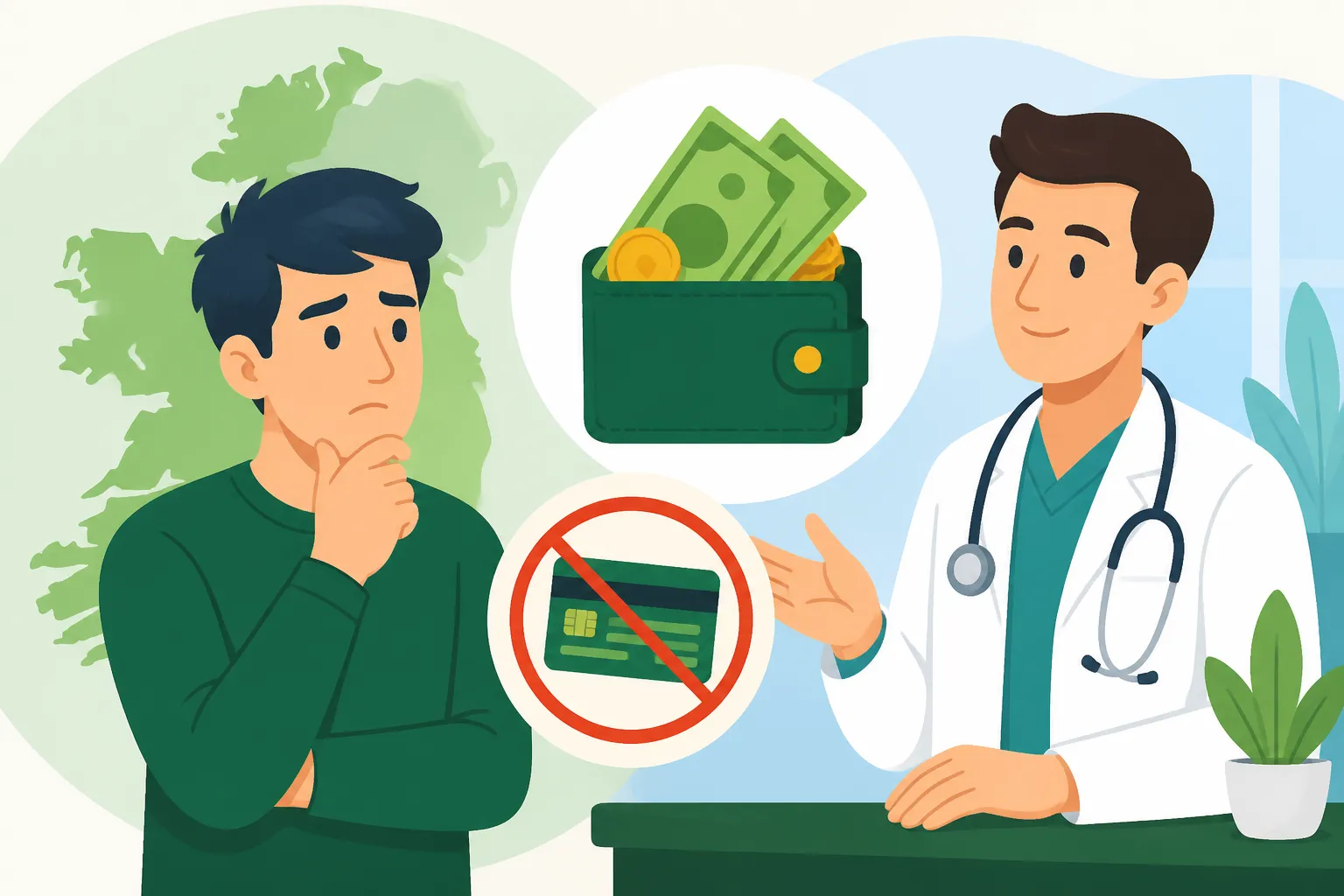
As of 2026, the standard fee for a basic 10 to 15-minute consultation with a GP typically ranges from €65 to €85. In major urban hubs like Dublin, Cork, and Galway, it is increasingly difficult to find a clinic charging less than €75. If you are living in a more rural area, you might find legacy practices still charging closer to €60, but these are becoming rare as younger doctors take over and modernize facilities.
It is important to remember that this fee only covers the time spent with the doctor. If you require a follow-up visit for the same issue, some clinics offer a reduced "review" rate if the second visit happens within a week or two, usually around €40 to €50. However, this is at the discretion of the practice. If you are a tourist or a digital nomad just passing through, you may also be charged a slightly higher "visitor" rate, which is why having a plan like SafetyWing can be a lifesaver for handling unexpected medical outlays before you are fully settled into the local system.
Why Prices Vary Between Clinics
You might wonder why one clinic in Dublin 4 charges €85 while one in West Dublin charges €70. The variance usually comes down to the clinic’s location-based overheads and the suite of services they offer. Newer, multi-disciplinary primary care centers often have higher fees because they provide on-site access to nurses, phlebotomists, and specialized diagnostic equipment.
Furthermore, the "sticker shock" often comes from the fact that Irish GPs operate on a fee-per-service model. If you go in for a consultation but also need a cryotherapy session for a skin lesion or a quick nebulizer treatment, those will likely be added to your base consultation fee. For many foreigners, this feels transactional and frustrating, especially when you are already paying high taxes, but understanding this structure is key to managing your budget.
The Difference Between Private and GMS Patients
To understand why you are paying out of pocket, you need to understand the General Medical Services (GMS) scheme. This is the system that provides "Medical Cards" and "GP Visit Cards" to those who meet certain income criteria or have specific medical needs. If you have one of these cards, the government pays the GP a capitation fee to look after you, and your visits are free at the point of service.
Why You Likely Do Not Have a Card Yet
Most expats moving to Ireland for work will initially find themselves ineligible for a Medical Card because their salary will exceed the "means test" threshold. Even if you are technically eligible, the administrative backlog to get a card issued can take months. During this transition period, you are classified as a private patient. This is a common point of frustration for those who may be struggling with the high cost of rent and relocation, only to find that they also have to shell out €80 every time they have a chest infection.
If you are concerned about how to bridge this gap, you should look into The Expat Guide to the Medical Card and GP Visit Card in Ireland (2027) to see if you might eventually qualify. Until then, you are responsible for the full cost of every appointment. This is also where many expats realize the importance of supplemental coverage. While waiting for your residency to be fully established, using a flexible provider like SafetyWing can offer peace of mind, especially if you are prone to minor illnesses or accidents during your first few months in the country.
The Eligibility Gap for Expats
There is often a misunderstanding regarding "Ordinary Residence." To be eligible for most state-funded healthcare benefits, you must prove you intend to live in Ireland for at least a year. Even once you prove this, it doesn't automatically make the GP free; it just gives you the right to apply for the means-tested cards. This leaves a significant portion of the expat population—the "squeezed middle"—paying for every single interaction with the primary healthcare system.
Beyond the Consultation: The Add-On Costs
One of the biggest mistakes newcomers make is assuming the €75 consultation fee is the end of the story. In Ireland, the GP clinic is often a gateway to other services, many of which carry their own price tags. If you have a complex health issue, your "quick check-up" can easily spiral into a €150 visit.
Blood Tests, ECGs, and Procedures
If your GP decides you need blood work, it is rarely included in the initial fee. A standard blood draw (phlebotomy fee) usually costs an additional €25 to €35. This covers the nurse's time and the transport of the samples to the hospital lab. Similarly, an ECG (heart tracing) will typically add €30 to €40 to your bill.
For those arriving from countries where these diagnostics are bundled into the primary care experience, this can feel like "nickel and diming." However, in the Irish system, these are viewed as distinct clinical procedures. If you are worried about the initial high costs of settling in, you should read up on What Happens If I Get Sick Before My Insurance Starts in Ireland? to understand how to navigate these early financial hurdles.
Charges for Repeat Prescriptions and Sick Certs
In many countries, calling your doctor for a refill on a long-term medication is free. In Ireland, most GPs charge a "prescription fee" for this service, usually between €20 and €30. This covers the clinical time required to review your file and ensure the medication is still appropriate.
Additionally, if you need a "Sick Cert" for your employer, you must see the doctor. While some employers accept a digital cert, the GP will still charge you the full consultation fee to verify your illness. This is a significant pain point for expats who are used to self-certification or free medical notes. To understand how this interacts with your workplace, check out our guide on Understanding Sick Leave and Statutory Sick Pay in Ireland so you aren't caught off guard by the dual cost of being unwell and paying for the proof.
Navigating the System as a Newcomer
The cost is only half the battle; the other half is actually getting an appointment. Ireland is currently facing a severe GP shortage, and many practices have "closed lists," meaning they are not taking new private patients.
Finding a GP That Is Actually Taking Patients
You might find yourself calling ten different clinics in your neighborhood only to be told they are full. When this happens, you have two choices: use a walk-in "urgent care" clinic or a digital GP service. Walk-in clinics are convenient but even more expensive, often charging upwards of €100 for a basic visit.
Digital GP services, often provided through private health insurance, are a great alternative for simple issues like prescriptions or basic medical advice. If you haven't yet committed to a local provider, many international residents use SafetyWing to ensure they have access to medical assistance and coverage while they search for a permanent local GP. For a deep dive into the registration process, see Registering with a GP in Ireland: The Complete Expat Guide (2027).
Using Health Insurance to Offset Costs
Most private health insurance plans in Ireland (from providers like VHI, Laya, or Irish Life) allow you to claim back a portion of your GP fees. Typically, you might get €20 to €35 back per visit, depending on your plan. However, you usually have to pay the full price upfront at the clinic and then submit your receipt through an app to get reimbursed later.
| Service Type | Typical Cost (Private) | Potential Insurance Refund |
|---|---|---|
| Standard Consultation | €65 – €85 | €20 – €35 |
| Review Appointment | €40 – €50 | €10 – €20 |
| Blood Tests (Extra) | €25 – €35 | Often 0% |
| Sick Cert Only | €20 – €30 | Often 0% |
| Home Visit | €100 – €150 | €30 – €50 |
| Out-of-Hours (D-Doc/NEDOC) | €70 – €95 | €20 – €35 |
Financial Safety Nets and Tax Benefits
While the costs are high, the Irish government does provide some mechanisms to help you recoup some of your healthcare spending at the end of the year.
Claiming Your 20% Back from Revenue
One of the best-kept secrets for expats is that you can claim tax relief on almost all unreimbursed medical expenses. If you pay €80 for a GP visit and your insurance doesn't cover it, you can claim 20% of that back through the Revenue "myAccount" system at the end of the tax year. This also applies to prescriptions and specialist fees. For a full walkthrough on how to get this money back, read our guide on How to Claim Tax Relief on Medical Expenses in Ireland.
The Drugs Payment Scheme Explained
If your GP visit results in a prescription for expensive long-term medication, you should immediately register for the Drugs Payment Scheme (DPS). Under this scheme, no individual or family pays more than a set monthly cap (currently €80) for approved prescription medicines. This is vital for expats who might be used to lower medication costs in their home countries. You can find more details in our post on Understanding the Drugs Payment Scheme (DPS) in Ireland.
Dealing with Emergencies and Specialized Care
Sometimes a GP visit isn't enough, and you are referred to a specialist or told to go to the hospital. This is where the costs can escalate rapidly.
A referral from a GP to a private consultant can lead to an initial appointment fee of €200 to €300. If you decide to skip the GP and go straight to an Emergency Department (A&E) without a referral letter, you will be hit with a flat charge of €100. This is a steep price to pay for what might just be a few stitches or an X-ray. To learn more about these specific charges, see How Much Does an A&E Visit Cost in Ireland?.
For many people, the best way to handle these high-stakes costs is through robust private insurance. If you are still evaluating your long-term options, you might want to compare the various local plans in our guide on Health Insurance in Ireland: VHI, Laya, Irish Life and Options Explained or see the broader cost implications in How Much Does Private Health Insurance Cost in Ireland in 2026?.
Even if you are just in the country for a few months, having a basic safety net like SafetyWing is crucial. It ensures that if a minor ailment turns into a major emergency, you aren't left trying to navigate the complex Irish billing system entirely on your own. Ireland’s healthcare is world-class, but it is undoubtedly expensive for those without the right cards or coverage. By planning ahead and keeping your receipts, you can minimize the "sticker shock" and focus on your recovery.
Disclaimer
The information provided in this guide is for informational purposes only and does not constitute professional medical or financial advice. Healthcare costs and government regulations in Ireland are subject to change. Always verify current fees and eligibility requirements with the Health Service Executive (HSE) or your specific healthcare provider.