How Do I Get a Same-Day Sick Cert from a GP in Ireland?
Waking up feeling absolutely terrible in a new country is a special kind of dread, isn't it? The sniffles turn into a full-blown flu, or a little niggle becomes an incapacitating pain, and suddenly you're faced with the immediate, urgent need for a sick cert for work, and you have no idea how to get one, let alone on the same day. This guide is going to walk you through exactly what to do when you need a same-day sick cert from a GP in Ireland, cutting through the confusion and helping you navigate the system when you're feeling your absolute worst.
The Urgent Need: Understanding Why a Same-Day Sick Cert Matters
When you’re feeling under the weather, the last thing you want to think about is paperwork, but in Ireland, a sick cert isn't just a suggestion – it's often a requirement from your employer. Ignoring this can lead to all sorts of unnecessary stress, from arguments with your boss to unexpected deductions from your wages. It's a hurdle many expats stumble over, especially when they're new to the Irish workplace norms.
Employer Requirements and Statutory Sick Pay
In Ireland, the moment you become unwell and can't go to work, your employer will likely ask for a sick cert. This isn't them being difficult; it's often tied into their internal policies and, more importantly, the legal framework around sick leave and statutory sick pay. Under Irish law, employers generally require medical certification for periods of absence due to illness, especially if it extends beyond a couple of days. For instance, if you're out for three consecutive days or more, a sick cert from a GP is usually a non-negotiable.
This is critical because it directly impacts your entitlement to Statutory Sick Pay (SSP). If your employer provides SSP, which is now a legal requirement, they'll need that cert to process it correctly. Without one, you might find yourself out of pocket for those sick days, which can be a real punch to the gut when you're already feeling rubbish. Imagine waking up with a terrible stomach bug, knowing you can’t possibly make it to work. You call in, explain you're ill, but forget to mention a sick cert. A few days later, feeling better, you get a call from HR asking for the cert, and suddenly you're scrambling, wishing you'd known to get one on day one. For a deeper dive into your rights and what to expect, you might want to read our article on Understanding Sick Leave and Statutory Sick Pay in Ireland.
The Realities of Irish GP Appointments and Availability
This is where the rubber meets the road for many expats. Getting a same-day GP appointment in Ireland, especially in busy urban centres like Dublin or Cork, can feel like trying to win the lottery. Many GP practices operate on a pre-booked appointment system, and their books can be full for days, if not weeks, in advance. This can be incredibly frustrating when you're genuinely ill and desperately need to see a doctor today.
I remember when I first moved here, I woke up with an ear infection that was absolutely throbbing. I called my GP, only to be told the next available slot was in three days. Three days! My employer needed a cert for the second day, and I was left in a panic, wondering if I'd have to go to A&E just for an earache. This isn't an uncommon scenario. Practices often hold a very limited number of "urgent" or "on-the-day" appointments, but these are snapped up within minutes of the phone lines opening. It often feels like you're fighting for a spot, especially if you're not a long-standing patient with an established relationship with the clinic. It's a stark reality check for many who come from countries where same-day doctor visits are more commonplace.
Your Action Plan: Securing a Same-Day GP Appointment and Sick Cert
When illness strikes and that sick cert becomes an immediate priority, you need a clear action plan. Don't panic – even though it feels like it sometimes – there are steps you can take to try and get seen.
Immediate Steps When You Wake Up Sick
Your first, absolute priority, the moment you realise you're too unwell to work, is to contact your registered GP practice. And I mean first thing. As soon as their phone lines open, usually around 8:00 or 8:30 AM, you need to be calling. Don't send an email, don't wait an hour, pick up the phone.
When you call, clearly explain that you are unwell and require a same-day appointment for a medical certificate for work. Don't just say "I need to see a doctor," specifically mention the sick cert. Receptionists are often the gatekeepers to these coveted urgent slots, and if they understand the urgency and the reason (employer requirement), they might be more proactive in trying to fit you in. Be prepared to briefly describe your symptoms, as this helps them triage your call and assess the severity. They might ask if it's an emergency – if it's not a life-threatening situation, be honest, but stress the impact on your ability to work. Having a regular GP makes this process infinitely smoother; if you're not yet registered, our guide on How to Register with a GP (Family Doctor) in Ireland is an essential read. Without a registered GP, getting a same-day appointment is even harder, often impossible, outside of emergency situations.
Exploring Alternatives for Urgent Care
What if your GP's office tells you they're fully booked, and there's absolutely no way to squeeze you in? This is where many expats hit a wall, feeling stranded. But don't give up hope just yet; there are a few alternatives to consider, though they come with their own caveats and costs.
First, some areas, particularly larger cities, have walk-in urgent care clinics or private GP services. These aren't everywhere, and availability can still be tight, but they might offer same-day appointments for a higher fee. For example, in Dublin, you might find private GP services that cater to urgent appointments, though you'll be paying out of pocket for these visits if you don't have private health insurance. Places like the Vhi SwiftCare Clinic are excellent for minor injuries or illnesses that don't quite warrant an A&E visit but need prompt attention. However, they may not always issue sick certs for non-injury/illness related issues, so always confirm beforehand. Remember, these are private services, so you’ll be footing the bill, and the cost can be significant. Our article on How Much Does a GP Visit Cost in Ireland Without a Card? goes into more detail on these expenses.
Next are out-of-hours GP services. If your illness strikes outside of regular clinic hours (evenings, weekends, public holidays), your GP practice will usually have an answering machine message directing you to an out-of-hours service like the 'Doctor on Call' or 'D Doc' in specific regions. These services are designed for urgent medical issues that cannot wait until your GP's surgery reopens. You'll typically call a central number, speak to a nurse, and they'll assess if you need to see a doctor, get a home visit, or be directed to an urgent care centre. They can certainly issue sick certs.
Finally, there's the Emergency Department (A&E). I cannot stress this enough: only use A&E for genuine emergencies. Going to A&E for a common cold, a headache, or routine sick cert will not only result in extremely long waiting times (we're talking 6-12+ hours sometimes), but it will also incur a significant A&E charge (currently €100 for those without a Medical Card or GP Visit Card) and take resources away from people with life-threatening conditions. Your employer will almost certainly not appreciate you using A&E just for a sick cert. For more on when to use A&E, check out Emergency Medical Care in Ireland: What Every Expat Needs to Know.
For new arrivals, or those still figuring out the long-term health insurance landscape, having a backup plan for unexpected urgent medical needs is smart. A travel medical insurance like SafetyWing can provide cover for sudden illnesses and injuries, helping to mitigate the financial shock of an urgent private GP visit or a trip to a private urgent care clinic while you're getting settled. It's not a replacement for comprehensive private health insurance but offers crucial peace of mind in those early, unpredictable months.
| Scenario | Recommended Action | Notes for Expats | Potential Cost (Approx.) |
|---|---|---|---|
| Wake up sick, need a cert for work (during GP hours) | Call your registered GP immediately when lines open. | Stress urgency and need for sick cert. Be prepared to describe symptoms. | €60-€70 (Standard GP fee, if not covered by GPC/MC) |
| GP fully booked, need cert today (during GP hours) | Ask about urgent slots, or if they recommend an out-of-hours service or private clinic. | Private clinics might be faster but more expensive. | €80-€150 (Private GP/Clinic) |
| Sick outside GP hours (evenings, weekends, holidays) | Call your GP's usual number for directions to an out-of-hours service (e.g., D Doc, Doctor on Call). | These are for urgent issues that cannot wait. Expect a triage call. | €60-€90 (Out-of-hours fee) |
| True Medical Emergency (e.g., severe chest pain, major injury) | Call 112 or 999 for an ambulance, or go to the nearest A&E. | Only for life-threatening conditions. Expect long waits if not critical. | €100 (A&E charge, unless exempted) + Ambulance fee (if used) |
| Minor illness/injury, don't have a GP yet, need urgent advice | Consider a private walk-in clinic or online doctor service. | Not all online services issue certs; confirm first. | €50-€100 (Online/Private GP) |
The Sick Cert Itself: What to Expect and Common Pitfalls
So, you've managed to secure an appointment – bravo! Now it's time to understand what happens during the consultation and what kind of sick cert you can expect. This isn't just a quick note; it's a formal medical document.
The GP Consultation and Certification Process
When you finally get in to see the GP, whether it's your regular doctor or an out-of-hours service, the consultation will be much like any other. The doctor will assess your symptoms, ask questions about your medical history, and may perform a physical examination. It's crucial to be honest and clear about how you're feeling and how your illness is impacting your ability to perform your job duties. The GP's decision to issue a sick cert is based on their professional medical judgment.
Once they've assessed you and agree that you're genuinely unfit for work, they will issue the sick cert. This document typically includes:
- Your name and address
- The date of the consultation
- The start and end dates of your certified illness (the period you're advised to stay off work)
- A general reason for your absence (e.g., "viral illness," "musculoskeletal pain" – they won't usually go into great detail for privacy reasons)
- The GP's signature and stamp.
Always double-check the dates on the cert before you leave the surgery. Ensure they align with the days you've missed or will be missing work. It's your responsibility to provide this cert to your employer promptly.
Understanding Backdating and Validity
This is a point of frequent confusion and sometimes frustration for expats. In Ireland, sick certs are generally issued from the date of the consultation. Backdating a sick cert is very rare and generally only done under exceptional circumstances. This means if you feel sick on Monday but don't get to see a doctor until Wednesday, your sick cert will most likely start from Wednesday, not Monday. The doctor cannot certify an illness for a period during which they did not assess you.
There are some very specific exceptions, such as if you were gravely ill and truly unable to seek medical attention earlier, or perhaps hospitalised, but these are few and far between. You cannot just ask a GP to backdate a cert because you couldn't get an appointment sooner or simply didn't bother to call. The general expectation is that you seek medical attention as soon as possible if you require a sick cert for your employer.
So, if you're feeling poorly on a Monday, and need a cert from that day, you must try to get seen on Monday. Waiting until Tuesday or Wednesday will likely mean your cert begins then, potentially leaving you in a tricky spot with your employer for the days prior. Always communicate with your employer about your efforts to get a cert if there's a delay. It's a key part of Navigating the Irish Healthcare System: An Expat's Roadmap (2027).
Long-Term Strategies: Preventing Future Sick Cert Scrambles
The "same-day sick cert scramble" is an expat rite of passage that most of us would rather avoid after the first time. The good news is, there are proactive steps you can take to make the process smoother and less stressful in the future.
Establishing Yourself with a GP
This cannot be overstated: the single most important thing you can do for your health and administrative peace of mind in Ireland is to register with a local General Practitioner (GP). When you have a regular GP, you become part of their patient list. They have access to your medical history (once you provide it), and you develop a relationship with the practice staff. This makes a huge difference when you need an urgent appointment. While they still have limited slots, existing patients often have a slightly better chance of being seen or at least getting timely advice.
I learned this the hard way. When I finally registered with a GP in my local area, the difference was night and day. When I needed to see a doctor urgently a few months later, the receptionist knew me, understood my situation, and managed to squeeze me into a cancellation slot. It felt like a small miracle! Building that relationship and having a point of contact for all your medical needs is truly invaluable. If you haven't done so already, make it a priority to Registering with a GP in Ireland: The Complete Expat Guide (2027). It's not just for sick certs; it's for everything from routine check-ups to managing chronic conditions. Learn How to Find and Register with a Local GP Practice in Ireland as soon as you can.
Health Insurance and Planning for the Unexpected
While registering with a GP is paramount for primary care, considering private health insurance is another layer of protection that many expats find worthwhile. Ireland operates a two-tier healthcare system: public and private. While residents can access public healthcare, private health insurance can offer quicker access to specialists, private hospitals, and sometimes even a wider choice of private GPs or urgent care clinics.
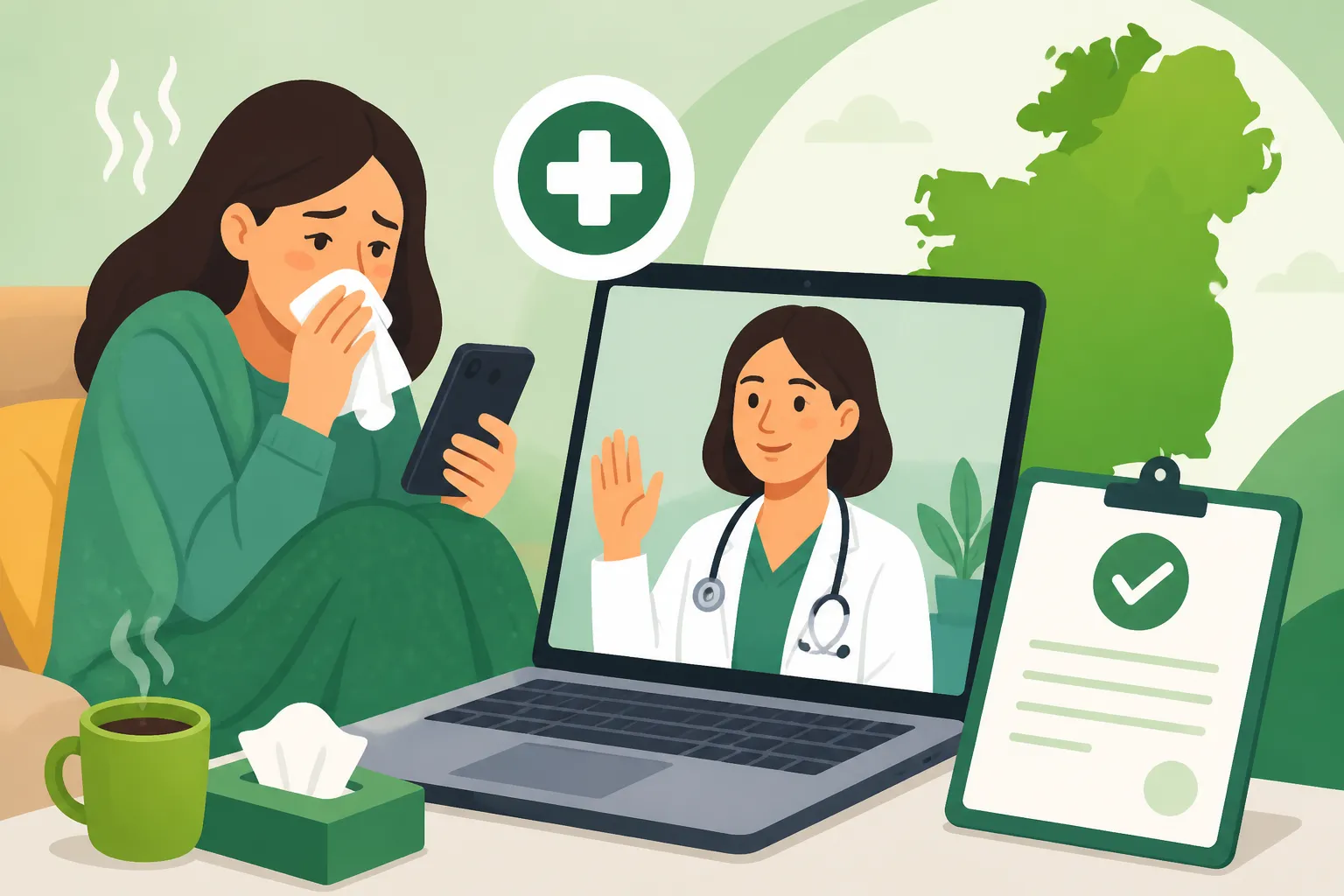
Companies like Vhi, Laya Healthcare, and Irish Life Health are the big players in the Irish private health insurance market. Having a plan with one of these providers can sometimes mean you have access to services that can issue sick certs more readily, or at least bypass some of the public system's longer waiting lists for diagnostics or specialist appointments. For example, some private plans offer access to a "virtual GP" service, where you can have a video consultation and potentially get a sick cert issued, which can be a game-changer if you're unable to leave the house. While the cost of private health insurance can be a significant outlay, many expats weigh it against the peace of mind and faster access to care. Our comprehensive guide, Health Insurance in Ireland: VHI, Laya, Irish Life and Options Explained, can help you understand your options.
It's also worth remembering that for those initial few months, or if you're frequently traveling, a robust travel medical insurance option, such as SafetyWing, can bridge the gap. While it doesn't replace the benefits of a full Irish private health insurance policy for long-term residency, it's designed to cover medical emergencies and urgent care needs when you're abroad or navigating those crucial first steps in a new country. It means you won't be hit with astronomical bills for unexpected illnesses that require immediate attention before your long-term plans are in place. Understanding The Cost of Healthcare in Ireland: A Complete Breakdown for Foreigners (2026) will help you budget for these possibilities. Remember, whether it's routine care, prescriptions, or an urgent medical issue, a well-prepared expat is a less stressed expat.
The journey of navigating healthcare in Ireland can feel like a maze at times, especially when you're caught off guard by an illness. But by understanding the system, proactively registering with a GP, and having a plan for urgent situations, you can significantly reduce the stress of needing a same-day sick cert and ensure you get the care you need.
Disclaimer
The information provided in this guide is for general informational purposes only and does not constitute medical, legal, or professional advice. While every effort has been made to ensure accuracy and up-to-date information, regulations and healthcare practices in Ireland can change. Always consult with a qualified medical professional, your GP, or your employer for specific advice regarding your health, sick leave, and medical certificates. We do not endorse any specific brand or service mentioned, and readers should conduct their own research to determine suitability.