Can I Keep My Health Coverage If I Work Remotely from Ireland?
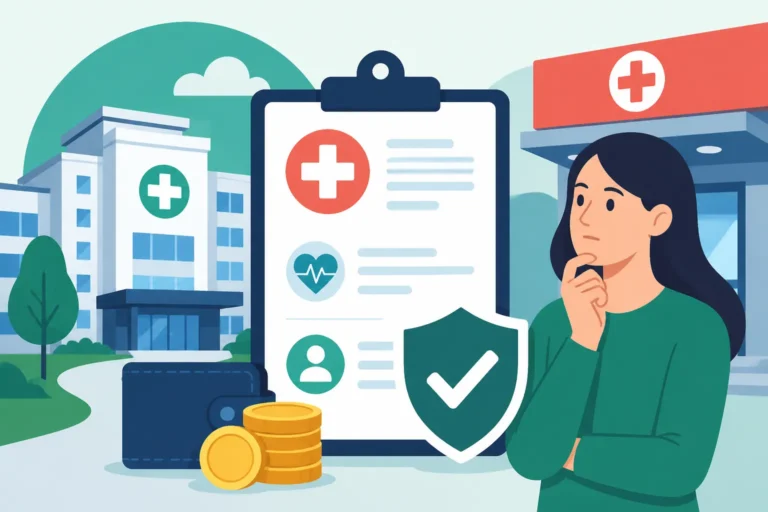
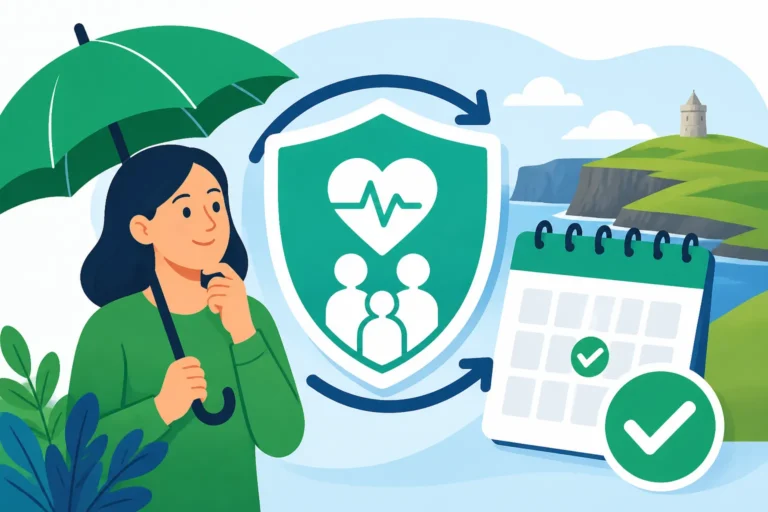
Ah, the joys of navigating healthcare when you're an expat, especially when you're working remotely from Ireland! It’s a completely different ball game than what you might be used to, and the question of whether your existing health coverage will hold up here is a truly valid and incredibly common worry. This isn't just about a quick holiday; it's about establishing a life, and that includes figuring out how you’ll access medical care, whether it's for a sudden emergency or just a routine check-up. This guide is here to untangle the complexities and help you understand how your health coverage works when you’re working remotely in the Emerald Isle.
Understanding Your Residency Status and Healthcare Entitlement in Ireland
One of the biggest misconceptions I’ve seen among expats here is assuming that because you’re living in Ireland, you’re automatically entitled to the same healthcare as an Irish citizen, especially if you’re still working for an overseas company. It’s not quite that straightforward, I'm afraid. Your eligibility for public healthcare and the validity of your existing insurance hinge almost entirely on your residency status.
The Crucial Link Between Residency and Irish Public Healthcare
In Ireland, access to the public healthcare system, which is overseen by the Health Service Executive (HSE), is primarily based on what's called "ordinary residence." This isn't just about being physically present in the country; it’s about having a "settled intention" to live here for at least one year. If you're working remotely from Ireland, even for a foreign employer, and you intend to stay for an extended period, you can potentially become ordinarily resident. However, proving this intent is where it gets tricky, and it usually involves demonstrating ties like a permanent address, a PPS number, evidence of employment (even remote), and even enrolling children in school.
Think about it this way: if you’re here on a short-term visa, or just bouncing around for a few months as a digital nomad, the Irish state won't consider you "ordinarily resident." This means you won't automatically qualify for the full suite of public healthcare services. You might still get emergency care, but you’ll likely be charged for it, often at significant rates. Many remote workers initially come over with the idea that their foreign employer's insurance will cover everything, but these policies are almost never designed for someone who establishes ordinary residence in a new country. It’s a common pitfall, and one that can lead to a lot of stress if you ever need medical attention.
Implications for Foreign Health Insurance: Employer-Provided or Private
So, you’ve got your health insurance from back home, maybe it’s a fantastic employer-provided plan or a private policy you've held for years. The big question is: will it work effectively in Ireland? The short answer is usually "no" for long-term stays, or at least not without significant limitations and headaches. Most national health insurance policies, even comprehensive private ones, are designed to cover you primarily within your home country, with perhaps limited international travel benefits.
If your policy states it covers "international travel," that usually means short-term trips, not establishing a new country of residence. They might cover emergency medical care, but they rarely cover routine GP visits, specialist consultations for non-emergencies, or ongoing treatment for chronic conditions while you're living abroad. Imagine trying to get a referral to a specialist here, or having a follow-up after an initial emergency, only to find your foreign insurer doesn't recognise Irish doctors or requires you to pay upfront and claim back – a process that can be lengthy and frustrating. It’s crucial to understand that simply having a policy that says it covers you "worldwide" often comes with a huge asterisk when it comes to residency.
Navigating Irish Healthcare with Remote Work: Public, Private, and Hybrid Options
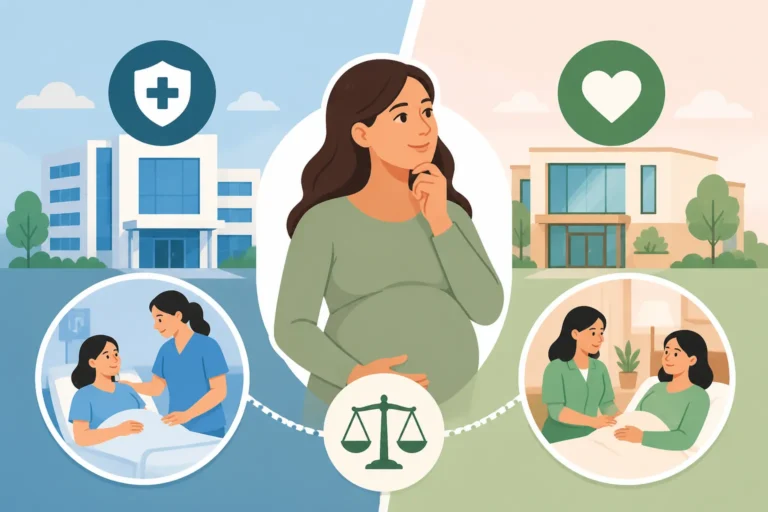
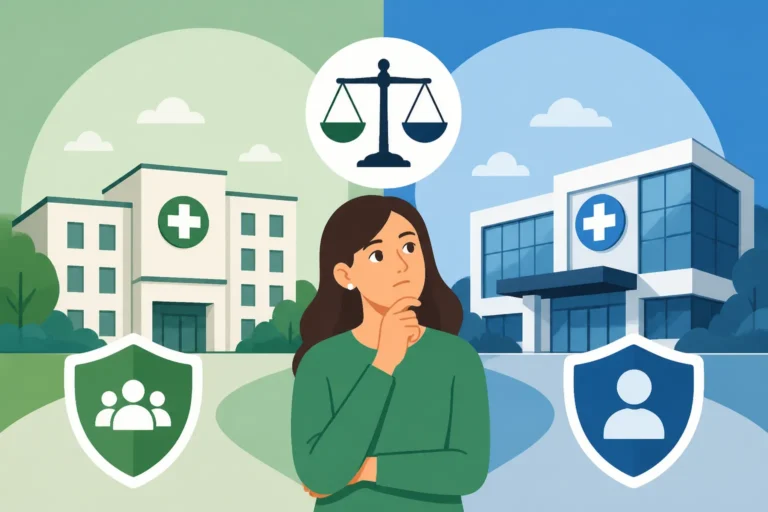
When you're working remotely from Ireland, your healthcare options generally fall into three categories: trying to access the public system, opting for private health insurance within Ireland, or relying on short-term travel insurance (though this has significant limitations for residents). Each has its own set of rules, costs, and benefits, and understanding them is key to making an informed choice.
The Public Healthcare System (HSE) and Remote Workers
If you successfully establish "ordinary residence" in Ireland, you become eligible to access the HSE public healthcare system. This means you can get a PPS number, register with a GP, and potentially be referred to public hospitals and specialists. However, it's important to manage your expectations. While the public system aims to provide universal care, it's notoriously under-resourced and can suffer from very long waiting lists for non-emergency specialist appointments and elective procedures. It’s not uncommon to hear stories of people waiting months, or even years, for certain treatments in the public system.
As a remote worker, even if you are contributing to Irish taxes and PRSI (more on that later), navigating the public system can still be challenging. To start, you'll need to find a General Practitioner (GP) who is accepting new patients, which can be surprisingly difficult in some areas, especially urban centres. Your GP acts as the gatekeeper to most public services, including referrals to consultants. For a comprehensive overview of this process, check out our guide on Registering with a GP in Ireland: The Complete Expat Guide (2027). While some GP visits are covered if you have a Medical Card or GP Visit Card (which have strict income-based eligibility criteria), most people pay a fee per visit, typically ranging from €50-€70. This system is very different from many countries where primary care might be fully covered by social security without upfront fees.
The Role of Private Health Insurance in Ireland
For many expats and remote workers in Ireland, private health insurance isn't a luxury; it's often a necessity for peace of mind. While it doesn't replace the public system entirely, it significantly enhances your access to care by offering faster appointments, a wider choice of hospitals and specialists, and generally more comfortable facilities. The major players in the Irish private health insurance market are VHI, Laya Healthcare, and Irish Life Health. These providers offer a wide range of plans, from basic hospital cover to comprehensive policies that include outpatient benefits like GP visits, dental, and optical care.
Opting for private health insurance means you’re essentially paying to bypass many of the public system’s bottlenecks. You can usually get quicker access to consultants, choose your preferred hospital (often a private one like the Mater Private, Beacon Hospital, or Blackrock Clinic), and often have shorter waiting times for procedures. If you're coming from a country with a robust private system or employer-provided health plans, this will feel much more familiar. Understanding these options, including their waiting periods and what they actually cover, is crucial. For an in-depth look at the providers and their offerings, our guide on Health Insurance in Ireland: VHI, Laya, Irish Life and Options Explained is a great resource.
Short-Term Remote Work and Travel Insurance
If you truly are a "digital nomad" and plan to be in Ireland for a relatively short period (e.g., a few weeks or months) without intending to establish long-term residence, then travel insurance might be a more appropriate fit than trying to grapple with the Irish public or private systems. Companies like SafetyWing offer travel medical insurance designed for nomads, covering emergency medical care and unforeseen accidents while abroad.
However, it's vital to understand the limitations. Travel insurance is not a substitute for comprehensive health insurance, especially if you become "ordinarily resident." It typically covers emergencies, urgent dental work, and sometimes repatriation, but it won't cover routine check-ups, ongoing treatment for chronic conditions that develop during your stay, or preventative care. If you plan to settle for more than a few months, or if you need to access regular medical services, relying solely on travel insurance like SafetyWing could leave you exposed to significant out-of-pocket costs. It's a fantastic option for its intended purpose, but for a true expat setting up a remote life here, it often falls short of what’s truly needed for long-term health and wellbeing.
Practical Steps for Securing Your Health Coverage While Working Remotely in Ireland
Once you’ve grasped the distinction between short-term travel and long-term residency, it’s time to get practical. Securing appropriate health coverage requires a proactive approach, starting with a frank assessment of your current situation and then exploring what Ireland offers.
Assessing Your Existing Coverage: What to Ask Your Provider
Before you even think about new policies, pick up the phone and have a very detailed conversation with your current health insurance provider from your home country or overseas employer. Don't just ask if you're covered "internationally"; get into the specifics. Here are some critical questions to ask:
- Geographic Scope: Does my policy cover medical treatment specifically in Ireland? Is there a time limit on this coverage when residing abroad, not just visiting?
- Residency Clauses: What happens if I establish residency in Ireland? Does my policy become null and void, or are there limitations to its coverage?
- Covered Services: What exactly is covered when I'm in Ireland? Does it include GP visits, specialist referrals, outpatient care, prescriptions, and hospital stays (both emergency and non-emergency)?
- Claims Process: How do I make a claim from Ireland? Do I need to pay upfront and seek reimbursement? What's the typical reimbursement timeline? Are there specific forms or processes Irish medical practitioners need to follow?
- Network: Does your policy have a network of approved doctors or hospitals in Ireland, or can I go to any healthcare provider?
- Pre-existing Conditions: How are my pre-existing conditions covered while I'm in Ireland? Are there any exclusions or special requirements?
Be prepared for answers that indicate significant limitations. It’s far better to know this upfront than to find out when you’re unwell and trying to navigate a foreign healthcare system. Most foreign employer plans, while generous in their home country, simply aren't designed to be comprehensive health insurance for someone residing and working remotely in a new country like Ireland. They might offer some peace of mind for sudden accidents, but for the day-to-day realities of healthcare, you’ll likely need more.
Exploring Irish Health Insurance Options
If your existing coverage proves inadequate (which it often does for long-term remote workers), your next step is to explore private health insurance options within Ireland. The market is competitive, with VHI, Laya Healthcare, and Irish Life Health being the dominant providers. Each offers a plethora of plans, so it can feel overwhelming at first.
When choosing a plan, consider:
- Hospital Cover: Do you want cover for public hospitals (private room access), private hospitals, or both? This significantly impacts cost.
- Outpatient Benefits: Do you need cover for GP visits, consultant fees (without a hospital stay), physiotherapy, dental, or optical care? Many basic plans offer limited or no outpatient cover.
- Waiting Periods: Be aware of initial waiting periods. For example, for new customers, there's typically a 26-week waiting period for pre-existing conditions and often a 52-week waiting period for maternity benefits. Understanding Health Insurance Waiting Periods and Lifetime Loading in Ireland is vital.
- Community Rating: Ireland operates under a system of community rating, meaning everyone pays the same premium for the same policy, regardless of age or health status (though "Lifetime Community Rating" can mean higher premiums if you don't take out cover by age 34).
It’s advisable to get quotes from all three main providers and compare not just prices, but also the specific benefits and exclusions of each policy. Broker services can also help you navigate the options and find a plan that suits your needs and budget. Remember, this isn’t just about having any insurance; it’s about having appropriate insurance for your life as a remote worker in Ireland. Our guide on How to Buy Private Health Insurance as a Newcomer in Ireland offers a detailed walkthrough.
Key Considerations and Potential Pitfalls for Remote Workers
Even once you've sorted out your health insurance, there are other aspects of working remotely from Ireland that can impact your healthcare access and financial wellbeing. It’s not just about the policy in your pocket; it’s about how you integrate into the overall system.
Tax Implications and Social Security Contributions (PRSI)
Here’s where it gets a bit fiddly, and it's a common area of confusion for remote workers for foreign companies. If you establish tax residency in Ireland – which you generally will if you spend 183 days or more in the country in a tax year, or 280 days over two consecutive tax years – you’ll be liable for Irish taxes, including income tax, Universal Social Charge (USC), and Pay Related Social Insurance (PRSI). Even if your foreign employer isn't directly running Irish payroll for you, as the employee, you still have obligations to declare your income and pay these taxes.
Paying PRSI is crucial because it’s Ireland's social security contribution system, and it contributes to your eligibility for certain social welfare benefits, including some health-related entitlements (like maternity benefits or long-term illness benefits). However, it’s a common misconception that paying PRSI automatically grants you full, free access to the public health system. While it's a component of being "ordinarily resident" and thus eligible, it doesn't bypass the potential for GP fees, public hospital charges (like the A&E fee), or long waiting lists. You’re contributing to the system, but you’re still subject to its rules and limitations. For more on this, our guide Understanding PAYE, PRSI and USC Deductions for Employees in Ireland breaks down the ins and outs of these deductions.
The Importance of a PPS Number and "Ordinary Residence"
We've mentioned the PPS (Personal Public Service) number and "ordinary residence" a few times, and that’s because they truly are the foundational pillars for accessing most services in Ireland, healthcare included. Without a PPS number, you’ll struggle to register with a GP, claim tax relief on medical expenses, or generally interact with public services. It’s your unique identifier for social welfare and tax purposes, and you’ll need proof of identity, address, and reason for needing the number (e.g., proof of employment).
Proving "ordinary residence" for healthcare purposes means providing documentation that shows your intent to live in Ireland for at least a year. This could include a rental agreement or utility bills in your name, evidence of your remote employment contract, bank statements showing regular Irish transactions, and proof of your Immigration Residence Permit (IRP) if you're a non-EU/EEA citizen. The more evidence you have that you are truly setting up a life here, the smoother your interactions with the HSE and other health services will be. Make sure to consult our detailed guide on How to Register for Tax and Get a PPS Number in Ireland to ensure you're ticking all the right boxes from the get-go.
What If You Get Sick Before Arranging Irish Coverage?
This is the nightmare scenario for any expat, and unfortunately, it happens. If you fall ill or have an accident before you’ve managed to sort out your local Irish health insurance or fully established your ordinary residence for public health services, you’re in a precarious position. In an absolute emergency, Ireland’s hospitals will not turn you away. You will receive immediate, life-saving care regardless of your insurance status. However, once the immediate crisis has passed, you will be liable for the costs.
These costs can be substantial. For example, there's typically a charge for attending an Emergency Department (A&E) if you're not referred by a GP or don't have certain entitlements. Hospital stays, diagnostics, and follow-up treatments can quickly rack up massive bills if you're not covered. Even if you have travel insurance like SafetyWing, you'll need to meticulously follow their claims process, which can involve upfront payments and lengthy reimbursement times. This is precisely why planning ahead is so critical. Nobody wants to be dealing with administrative nightmares while recovering from an illness or injury. Get familiar with our guide on Emergency Medical Care in Ireland: What Every Expat Needs to Know so you're prepared for any eventuality, even if you hope never to use it.
Conclusion
Working remotely from Ireland offers an incredible opportunity, but it also means taking personal responsibility for understanding and securing your health coverage. Relying solely on your overseas health insurance is rarely a sustainable long-term solution for someone establishing residency here. Your best bet is to assume you'll need an Irish private health insurance policy to supplement your access to the public system, especially if you want to avoid lengthy waiting lists and ensure comprehensive care. Proactive research, understanding your residency status, securing a PPS number, and choosing the right insurance are not just administrative tasks; they are fundamental steps to ensuring your peace of mind and well-being as you embrace your new life in Ireland.
Disclaimer
Please note that the information provided in this guide is for general informational purposes only and does not constitute legal, financial, or medical advice. Healthcare regulations, insurance policies, and eligibility criteria in Ireland are subject to change. It is highly recommended to consult with official sources, healthcare providers, and insurance professionals for the most accurate and up-to-date information tailored to your specific situation.