How to Register for an IRP Card with Immigration in Ireland
Moving to Ireland can feel like an incredible dream come true, but then you hit the reality of Irish bureaucracy, and it's easy to feel a bit lost in the shuffle. One of the first significant hurdles many non-EEA nationals face is understanding and obtaining the Irish Residence Permit (IRP) card. This little piece of plastic is your official key to legal residency here, proving your immigration status and permission to live and, often, work in this beautiful country. This comprehensive guide is here to cut through the confusion and walk you through every step of registering for your IRP card, ensuring you're well-prepared for this essential part of your expat journey.
Understanding the IRP Card: Your Gateway to Irish Life
Before we dive into the nitty-gritty of applications and appointments, let's get a handle on what the IRP card actually is and why it's so fundamental to your life in Ireland. It's more than just an ID; it's a declaration of your official status here, providing clarity for both you and the authorities.
What Exactly is an IRP Card?
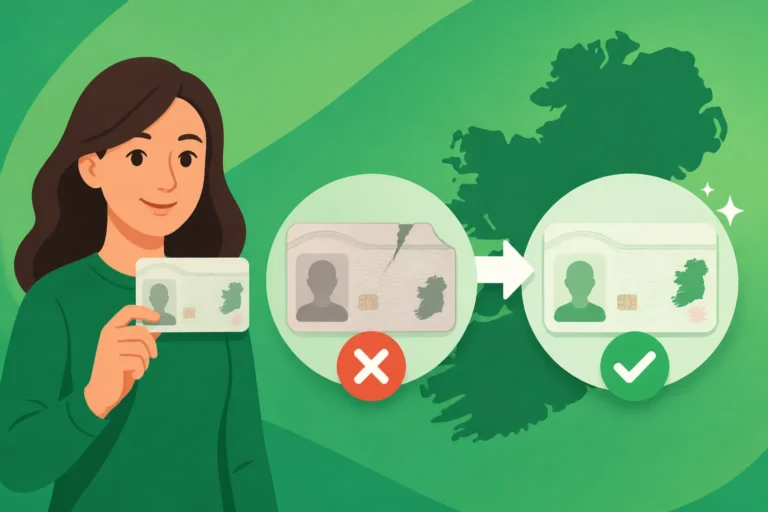
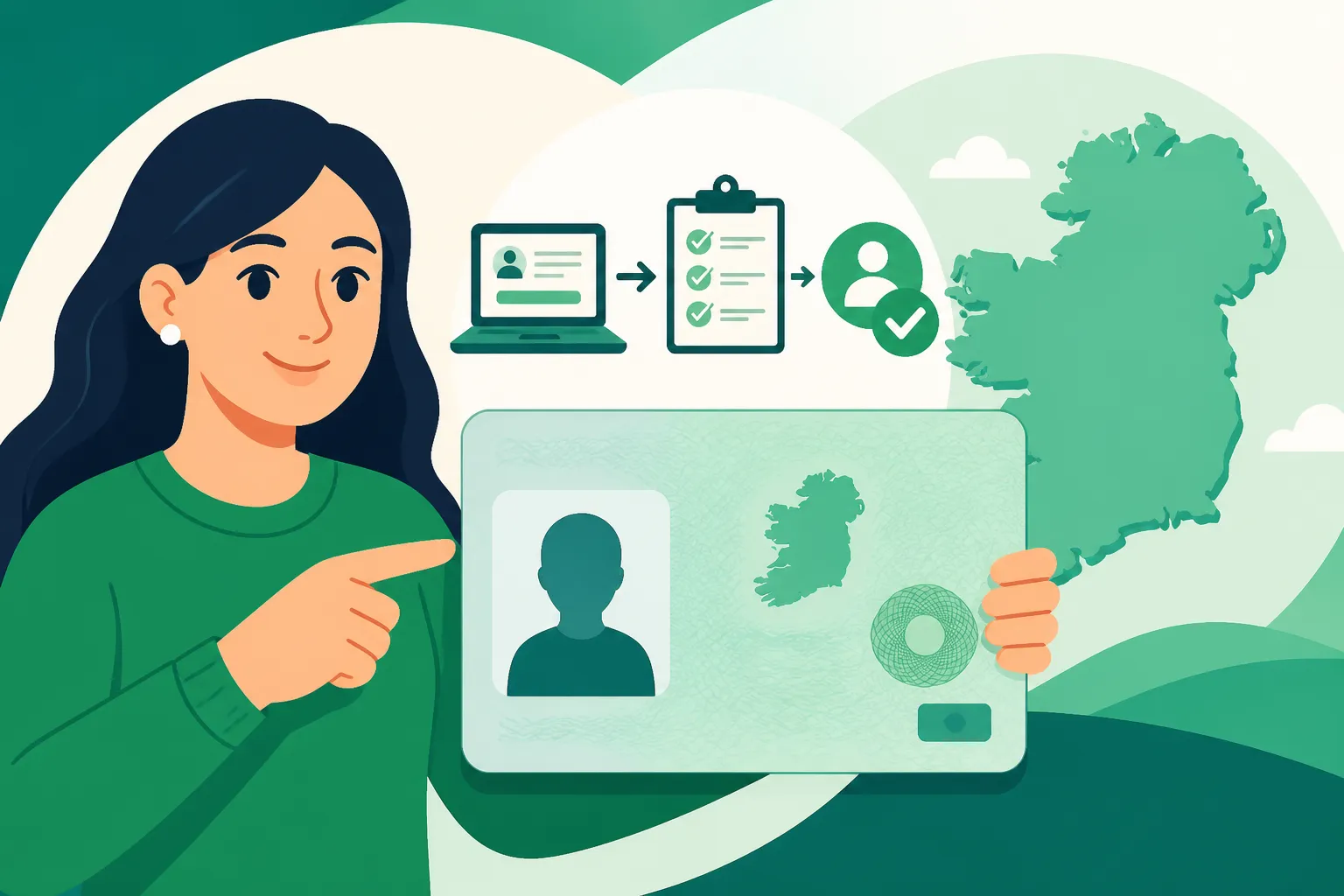
The Irish Residence Permit, or IRP card, is essentially your official residence permit issued by the Irish Immigration Service Delivery (ISD). It's a credit card-sized document, similar to an ID card or driver's license, featuring your photograph, personal details, and crucial information about your immigration status. On the card, you'll find your name, date of birth, nationality, a unique IRP card number, and most importantly, your immigration 'Stamp' (e.g., Stamp 1, Stamp 2, Stamp 4). This stamp indicates the type of permission you have to reside in Ireland and what you're permitted to do, such as work, study, or live with family. It also shows the validity period of your permission. Think of it as your official passport for domestic life in Ireland, confirming your identity and legal right to be here. Without it, you might find yourself in tricky situations when trying to access services or even just proving your identity.
Why is the IRP Card So Important for Expats?
For anyone moving to Ireland from outside the European Economic Area (EEA) or Switzerland, the IRP card is indispensable. It's your primary proof of registration with the immigration authorities. You'll need it for countless day-to-day activities, from proving your right to work to opening a bank account, setting up utilities like electricity and gas, and even accessing certain public services. Without a valid IRP card, your immigration permission is not fully regularised, and you could face complications. Imagine trying to start your first job, and your employer needs to verify your legal right to work – your IRP card is what they'll look for. Or perhaps you're renting a place, and the landlord needs official ID and proof of residency. The IRP card streamlines these processes, making your integration into Irish life smoother. It's also vital for international travel; while it's not a travel document itself, it can be required when re-entering Ireland, alongside your passport and any necessary re-entry visa.
The Evolution of Irish Residency Documentation
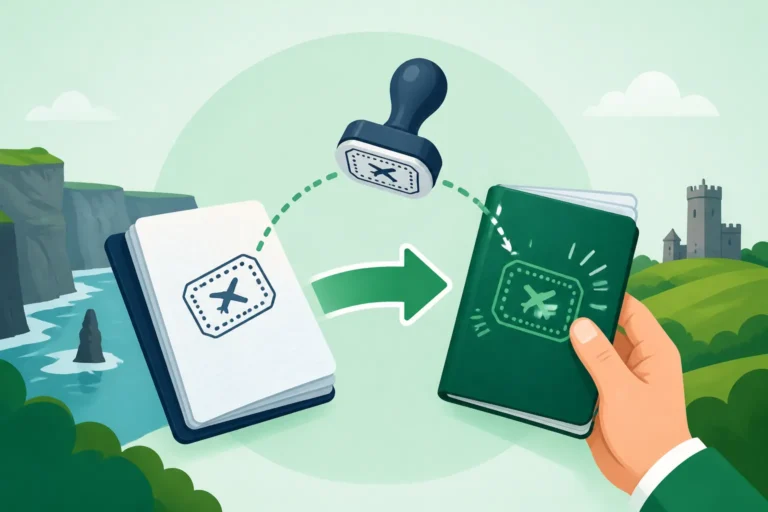
The IRP card itself isn't a completely new concept, but it represents an evolution in how Ireland manages and documents non-EEA residency. Before the IRP card was introduced in late 2017, foreign nationals registered their permission by getting a physical endorsement, a stamp, placed directly into their passport. This was often accompanied by an Garda National Immigration Bureau (GNIB) card, which served a similar purpose. The shift to the IRP card was designed to modernise the system, align with EU standards for residency documents, and provide a more secure and durable form of identification. It has simplified things in many ways, making it easier for expats to carry proof of their status without needing to present their passport for every small transaction. While the underlying immigration "stamps" remain, the IRP card is now the tangible proof you carry. For a broader understanding of the legal landscape, you might want to read The Complete Guide to Irish Visas and Immigration Permission for Expats (2027) which details the overall framework.
Who Needs to Register for an IRP Card?
This is a common question, and it's essential to get it right. Not everyone who arrives in Ireland needs an IRP card, but a significant number of expats will. Understanding your specific situation is the first step towards a smooth registration process.
Eligibility Criteria: Are You on the List?
Generally, if you are a non-EEA national and you intend to reside in Ireland for longer than 90 days, you will need to register for an IRP card. This includes individuals on various long-stay visas or immigration permissions, such as:
- Employment Permit Holders: If you've secured an Irish employment permit, be it a Critical Skills Employment Permit or a General Employment Permit, you absolutely need an IRP card. This confirms your right to work and live here.
- Students: International students attending a recognised course of study in Ireland for more than three months must register. Your IRP card will reflect your Stamp 2 or Stamp 2A permission.
- Researchers: Those on research schemes or academic visitor programmes.
- Family Reunification: Spouses, civil partners, or dependants joining a non-EEA national who already holds an eligible immigration permission.
- De Facto Partners: Individuals who have been granted permission to reside in Ireland as the de facto partner of an Irish citizen or a non-EEA national with specific permissions.
- Long-Term Residents: Those who have achieved long-term residency status and need to renew their permission.
Essentially, if your permission grants you a specific 'stamp' in your passport allowing you to live here for an extended period, the IRP card is the physical proof of that permission. You can learn more about the different types of permissions by checking out Understanding the Irish Immigration Stamp System (Stamp 1, 2, 4).
Navigating the Irish Immigration Stamp System
The Irish immigration system uses a series of 'stamps' to denote different types of permission to reside in the country. Your IRP card will clearly display which stamp you hold. Here's a quick rundown of some common ones you might encounter:
- Stamp 1: This is typically for people with employment permits (like the How to Apply for a Critical Skills Employment Permit in Ireland route) or those operating a business. It means you have permission to work and reside in Ireland, usually with a specific employer or business activity.
- Stamp 1G: Primarily for non-EEA graduates of Irish higher education institutions, allowing them to seek employment under the Third Level Graduate Programme. It gives you some time to find a job that can lead to a Stamp 1.
- Stamp 2/2A: For students enrolled in full-time courses on the Interim List of Eligible Programmes (ILEP). Stamp 2 allows for some part-time work, while Stamp 2A does not.
- Stamp 3: This is often granted to the spouse or civil partner of an Irish citizen or another non-EEA national who holds a Stamp 1 or Stamp 4, and generally does not permit employment unless specific permission is granted.
- Stamp 4: This is a highly sought-after permission, signifying long-term residency and the right to work without an employment permit. It's often granted after several years on a Stamp 1, or to certain dependants of Irish citizens or EU/EEA citizens exercising treaty rights.
Your initial visa or pre-clearance letter will typically specify the stamp you're eligible for, and your IRP card will reflect this. It's crucial to understand your stamp, as it dictates what you are legally allowed to do while living in Ireland.
Exceptions and Special Circumstances
While most non-EEA nationals staying for over 90 days need an IRP card, there are a few nuanced situations to be aware of:
- EU/EEA Citizens: If you're a citizen of an EU/EEA country or Switzerland, you do not need an IRP card. You have the right to live and work in Ireland under EU free movement rules. While you can register your presence with the authorities, it's not compulsory, and no IRP card is issued.
- Short-Stay Visitors: Tourists and those on short-stay visas for less than 90 days do not need to register for an IRP card. Their visa or visa-free entry covers their stay.
- UK Citizens: Due to the Common Travel Area agreement between Ireland and the UK, British citizens also do not require an IRP card to live and work in Ireland.
- Diplomatic Personnel: Members of diplomatic missions and their families typically have a different registration process, handled through official channels rather than the public IRP system.
Always check the most up-to-date guidance on the official Immigration Service Delivery (ISD) website to confirm your specific requirements, as rules can change. If you're unsure about your status, it's always best to err on the side of caution and seek clarification.
The Journey to Your IRP Card: Step-by-Step Registration
Okay, so you've established that you need an IRP card. Now, let's break down the practical steps to actually get one. This process involves a bit of planning, patience, and attention to detail.
Booking Your Appointment: The Digital Gauntlet
For those living in Dublin City or County, the process begins online. You need to book an appointment through the dedicated online booking system on the Immigration Service Delivery (ISD) website. And let me tell you, this can be a real test of patience. Appointments, especially in Dublin, are notoriously difficult to secure due to high demand.
- Persistence is Key: Appointments are released at specific times (often in the mornings, but this can vary without notice), and they get snapped up almost instantly. My advice? Set alarms, be logged in and ready a few minutes before release times, and refresh, refresh, refresh! It feels like trying to get concert tickets for a sold-out band, but for your right to live here. Don't give up if you don't get one on your first try.
- Essential Details: When you do get through, you'll need to provide your personal details, passport information, and contact info. Double-check everything for accuracy.
- Confirmation: Once booked, you'll receive a confirmation email with your appointment date, time, and location. Print this out and keep it safe!
If you reside outside Dublin City or County, the process is a bit different. You don't use the online booking system. Instead, you register at your local Garda National Immigration Bureau (GNIB) office or a designated Garda District Headquarters. It's best to call ahead or check their local website for their specific procedures – some operate walk-in services, others require you to call for an appointment, and some might even accept email requests. This local approach can sometimes be less stressful than the Dublin online scramble, but it varies by region.
Preparing Your Documentation: More Than Just Paper
Once your appointment is booked, whether online or locally, the real work begins: gathering your documents. This is where many expats encounter delays or rejections, so pay close attention to the details. The ISD is strict, and they expect everything to be in order.
- Originals and Copies: Always bring original documents, and ideally, a full set of photocopies. The immigration officer will typically want to see the originals and may keep the copies.
- Language: If any of your documents are not in English or Irish, they must be accompanied by a certified translation.
- Relevance to your Stamp: The exact documents required will depend heavily on the immigration stamp you are applying for. For example, a student will need proof of enrolment and fee payment, whereas an employment permit holder will need their permit and a letter from their employer.
- Don't Forget the Basics: Beyond your specific permission documents, everyone needs:
- Your current valid passport.
- Your initial entry visa (if applicable, for non-visa required nationals, this wouldn't apply).
- Proof of address in Ireland (utility bill, bank statement, letter from landlord).
- Proof of sufficient funds (bank statements, payslips, scholarship letters).
- For work permits, your official employment permit letter, and usually a recent letter from your employer confirming your continued employment.
- For students, a letter from your college confirming your enrolment and course details.
It can feel overwhelming, but a systematic approach helps. A detailed list of requirements is usually available on the ISD website or your local GNIB office's page. Don't leave anything to chance! If you're moving your whole life here, consider using services like Sirelo to help manage the logistics, including keeping track of vital documents during transit.
The Appointment Itself: What to Expect on the Day
The big day arrives! Whether you're at the Burgh Quay Registration Office in Dublin or a local Garda station, the process is generally similar.
- Arrive Early: Aim to arrive at least 15-20 minutes before your scheduled time. This gives you a buffer for unforeseen delays and ensures you don't miss your slot.
- Security Checks: Be prepared for security checks, similar to airport security. You might need to show your appointment confirmation and passport.
- Waiting Times: Even with an appointment, be ready for some waiting. Immigration offices can be busy, and delays are common. Bring a book or something to keep you occupied.
- The Interview: You'll be called to a counter or a private room where an immigration officer will review your documents. They might ask you questions about your purpose for being in Ireland, your employment, your studies, your finances, and your accommodation. Be honest, polite, and clear in your answers. They are simply verifying the information you've provided.
- Biometrics: Your fingerprints and a digital photograph will be taken. This is standard procedure for the IRP card.
- Payment: You will need to pay the registration fee. More on this later, but typically it's €300. This is usually paid by credit/debit card. They generally do not accept cash.
Once the officer is satisfied, they will process your application, give you a receipt, and inform you of the next steps. This receipt serves as temporary proof of your registration while you await your actual IRP card. For more specific details on what to expect, especially regarding fees and timings, you can consult Understanding the Cost and Timeline of the Immigration Process in Ireland.
Essential Documents: What to Bring to Your IRP Appointment
The success of your IRP registration hinges almost entirely on presenting the correct and complete set of documents. This isn't the time to guess or assume; meticulous preparation is paramount.
Core Identification and Residency Proof
Let's start with the absolute non-negotiables that every applicant will need:
- Valid Passport: This is your primary identification document. Ensure it's valid for at least six months beyond your intended stay, or preferably for the full duration of your desired permission. If your passport is nearing expiry, consider renewing it before your IRP application to avoid issues down the line.
- Entry Visa (if applicable): If you needed an entry visa to come to Ireland (e.g., a 'D' long-stay visa), bring the original document and a copy. Even if you're from a visa-exempt country, ensure you have your landing card or proof of entry if requested.
- Letter of Offer/Employment Permit: If you're here to work, you'll need your original employment permit letter from the Department of Enterprise, Trade and Employment. Additionally, an up-to-date letter from your employer on company letterhead, confirming your current employment, job title, and salary, is almost always required. This letter should be recent, ideally dated within the last month. For those entering Ireland under specific work permits, such as those discussed in How Non-EEA Nationals Get Permission to Work in Ireland, this proof is non-negotiable.
- College Enrolment Letter (for students): Students must provide an original, official letter from their recognised Irish college or university. This letter needs to confirm your enrolment on a full-time course, the course title, duration, and that your fees are paid or adequately funded.
- Marriage/Birth Certificates (for family reunification): If you're joining a family member, you'll need original marriage certificates for spouses, or birth certificates for children, along with a copy of your sponsor's IRP card and a letter from them confirming your relationship and their support. Remember, if these are not in English, certified translations are required.
Financial Stability and Employment Verification
Demonstrating that you can support yourself financially without becoming a burden on the state is a critical component of almost all immigration applications.
- Bank Statements: You'll typically need recent bank statements (usually for the last 3-6 months) from an Irish bank account, or if you've just arrived, from your home country. These statements must show sufficient funds to support yourself and any dependants for the duration of your permission. The exact amount varies, but generally, you need to show access to around €3,000 to €4,500 if you're not working, or regular income if you are. For those needing to open an account, check out How to Open a Bank Account at an Irish Bank as a Foreigner.
- Payslips/Proof of Income: If you are employed, recent payslips (e.g., the last three) will be required to confirm your ongoing employment and income.
- Scholarship Letter (for students): If your studies are funded by a scholarship, an official letter from the awarding body detailing the scholarship amount and duration is essential.
- Health Insurance: While not always a direct requirement for the IRP appointment itself for certain stamps, having comprehensive private health insurance is highly advisable and sometimes explicitly required for specific visa types (e.g., student visas initially). It's a non-negotiable for your own peace of mind, as healthcare costs can be substantial. Providers like Cigna Global offer robust expat health insurance plans that can give you essential coverage. Having your insurance documents ready can often speed things up if any questions about your ability to cover medical costs arise.
Accommodation and Other Supporting Evidence
Proving you have a stable place to live is also important, as is providing any other documentation that supports your application.
- Proof of Address: This is a big one. You need to show proof of your current address in Ireland. Acceptable documents often include a utility bill (electricity, gas, internet) in your name, a bank statement addressed to you, a tenancy agreement, or a letter from your landlord (accompanied by a copy of their passport/driver's license). If you've just moved in, securing a utility bill can take time, so a tenancy agreement is often the easiest initial proof. Guidance on The Expat Guide to Setting Up Utilities (Electricity, Gas, Water) in Ireland might be helpful here.
- Previous IRP/GNIB Card (for renewals): If you're renewing your IRP card, you'll need to bring your old card.
- Passport Photos: Although biometrics are usually taken digitally at the appointment, it's always a good idea to have a couple of passport-sized photos meeting Irish passport specifications, just in case.
- Any Other Supporting Letters: If you have any other official letters or documents that clarify your situation, such as a letter from an accountant for self-employed individuals, or a police certificate if requested for specific visas (like those mentioned in How Do I Get a Garda Vetting or Police Certificate for Ireland?), bring them along.
To give you a clearer picture, here’s a simplified table of commonly required documents. Remember, always check the ISD website for the most current and specific list relevant to your particular immigration stamp.
| Document Type | General Requirement for IRP Registration | Notes/Specific Uses |
|---|---|---|
| Identification | Valid Passport | Essential. Ensure validity. |
| Current IRP Card (for renewals) | Required when extending your permission. | |
| Entry Visa/Pre-clearance Letter (if applicable) | Proof of legal entry/permission to seek residency. | |
| Immigration Status | Employment Permit Letter (for Stamp 1) | Original from Dept. of Enterprise, Trade and Employment. |
| Current Employer Letter (for Stamp 1) | On company letterhead, recent, confirming employment & salary. | |
| College Enrolment Letter (for Stamp 2/2A) | Original, confirming full-time enrolment, course, duration, fee payment. | |
| Marriage/Birth Certificates (for Family) | Original, for dependants, with certified translations if not in English/Irish. | |
| Financial Proof | Bank Statements (3-6 months) | Showing sufficient funds or regular income. Irish bank account preferred if possible. |
| Recent Payslips (3 months, for employed) | Proof of ongoing income from employment. | |
| Scholarship Letter (for students) | Official letter detailing funding. | |
| Accommodation | Proof of Address (utility bill, tenancy agreement, bank statement) | In your name, dated within the last 3-6 months. Tenancy agreement can work if bills aren't yet in your name. |
| Miscellaneous | Appointment Confirmation Email | Crucial for entry to the registration office. |
| Two Passport-sized Photographs (optional but recommended) | For emergencies, though usually taken digitally. | |
| Health Insurance Documents (recommended, sometimes required for visas/stamps) | While not always for IRP specifically, highly recommended for all expats. Providers like Cigna Global offer comprehensive plans for peace of mind in Ireland. | |
| Photocopies of ALL documents | Officers usually keep copies; saves time if you bring them. |
Life After Registration: Receiving and Managing Your IRP Card
You've made it through the appointment, handed over your documents, and paid the fee. What happens next, and how do you ensure you keep your status active?
The Waiting Game: When Your Card Arrives
Once your registration is complete and approved at the office, you won't walk out with your IRP card that day. Instead, you'll be given a receipt, which serves as temporary proof of your permission until your card arrives. The physical IRP card is then produced centrally and mailed to the address you provided.
- Processing Times: The typical waiting time for an IRP card to arrive can vary. While the ISD aims for 5-10 working days, it's not uncommon for it to take 2-3 weeks, and sometimes even longer during peak periods or if there are any issues with your address. Remember, Ireland is on island time sometimes!
- Delivery Method: Cards are usually sent via standard post. It's incredibly important that the address you provide is accurate and clearly marked with your name, especially if you're living in shared accommodation where mail can sometimes go astray. Make sure your name is clearly on the letterbox or known to housemates/landlords.
- What if it doesn't arrive?: If the expected delivery time passes and you haven't received your card, don't panic immediately. First, check with anyone else living at your address. If it's truly missing, you'll need to contact the ISD directly. Details on how to do this are usually provided on your receipt or on the ISD website. They will have a process for reporting lost or undelivered cards.
During this waiting period, keep your receipt safe. It's your official proof that you've registered and are awaiting your card.
What to Do Once You Have Your IRP Card
Congratulations, you've got your IRP card! This is a significant milestone. Here's what you should do:
- Check All Details: Immediately check all the information on the card for accuracy. Are your name, date of birth, nationality, stamp type, and expiry date correct? Mistakes can happen, and it's much easier to rectify them promptly. If you find an error, contact the ISD immediately.
- Keep it Safe: This card is precious. Treat it like you would your passport. Do not laminate it, as this can invalidate it. It's a good idea to keep a photocopy or a digital photo of both sides of your card separately, along with your passport. However, do not share images of your card on social media or with unverified individuals, as it contains sensitive personal data.
- Carry it (mostly): While you don't need to carry it everywhere you go, it's wise to have it with you if you anticipate needing to prove your identity or immigration status, such as when interacting with banks, employers, or certain government agencies. When you travel internationally and return to Ireland, you will need to present it along with your passport.
- Understand Your Stamp: Reiterate what your specific stamp allows you to do. For example, a Stamp 1 means you can work, but a Stamp 2 means you can only work part-time (if permitted at all). Being aware of these rules helps you remain compliant with Irish immigration law.
Renewing Your IRP Card: Keeping Your Status Active
The IRP card is not indefinite; it has an expiry date, usually aligned with your immigration permission. To maintain your legal residency in Ireland, you must renew your IRP card (and by extension, your immigration permission) before it expires.
- When to Renew: The ISD generally recommends starting the renewal process about 6-8 weeks before your current card expires. Don't leave it to the last minute!
- The Process: The renewal process is very similar to the initial registration. You'll need to book another appointment (online for Dublin, local for elsewhere) and provide updated documentation. This will include your current IRP card, your passport, updated proof of address, and renewed evidence of your basis for residency (e.g., a new employment permit, an updated college enrolment letter, or proof of continued family reunification). You will also pay the €300 registration fee again.
- Changes in Circumstances: If your circumstances have changed significantly since your last registration (e.g., new job, new college, marriage), make sure your documentation reflects this. You might even be applying for a different stamp type (e.g., moving from a Stamp 1 to a Stamp 4 after a certain period). The process for How to Renew Your IRP and Immigration Permission in Ireland is critical to understand.
- Consequences of Lapsing: Allowing your IRP card and immigration permission to expire without renewal can have serious consequences, including losing your legal status to reside or work in Ireland and potential difficulties with future immigration applications. So, mark that expiry date prominently on your calendar!
Overcoming Hurdles: Common IRP Registration Challenges
Let's be real, the immigration process, even for something as seemingly straightforward as an IRP card, can throw some curveballs. Having lived through these hurdles myself, I want to share some common frustrations and how to tackle them.
Dealing with Appointment Scarcity and Delays
This is, hands down, one of the biggest headaches for expats, particularly in Dublin. The demand for IRP appointments often far outstrips supply, leading to significant stress and delays.
- The Dublin Booking Frenzy: As mentioned, securing an online appointment for Dublin is a test of endurance. Many expats report needing to try for days, even weeks, to get a slot. The frustration is palpable, especially when your visa might have a limited window for registration. My best advice here is pure persistence. Keep trying. Early mornings are often cited as prime release times, but these can be unpredictable. You may also hear anecdotal evidence about certain days of the week, but rely on your own disciplined checking.
- Local Office Variations: Outside of Dublin, while you avoid the online booking battle, local Garda stations might have their own queues or limited appointment availability. Always call ahead, understand their specific system, and be prepared to be flexible.
- Expired Visa/Permission While Waiting: This is a major concern. If your initial entry visa or permission is about to expire and you cannot secure an IRP appointment in time, you must contact the Immigration Service Delivery (ISD) directly. They have processes for those who are genuinely trying to register but cannot get an appointment. Sometimes they will provide a temporary extension or advice via email. Document all your attempts to book an appointment (screenshots, dates, times). This proactive communication is crucial to avoid becoming undocumented.
- Planning Ahead: The most effective strategy is to start looking for an IRP appointment as soon as you have a confirmed need for one, ideally soon after you arrive or even before if your visa allows. Don't wait until the last minute. This proactive approach is part of the broader advice you'd find in The Complete Guide to Moving to Ireland: Your First 90 Days (2027).
Troubleshooting Document Issues and Rejections
Having your application stalled or rejected due to incorrect or missing documents is incredibly frustrating, but it's a common issue.
- Missing or Incorrect Documents: The immigration officer will be thorough. If a required document is missing, or if it doesn't meet the specified criteria (e.g., not recent enough, not correctly translated), your application might be rejected, or you might be asked to return with the correct paperwork. This means another appointment, another wait. Always cross-reference your checklist with the official ISD website's requirements for your specific immigration stamp. A common mistake is not having a recent letter from your employer or college.
- Proof of Address Hurdles: For newcomers, getting a utility bill in your name can be tricky. Banks often need proof of address to open an account, creating a Catch-22. A tenancy agreement is often the best initial proof, or a letter from your landlord confirming your residency at the address, accompanied by a copy of their ID. If you're staying with friends or family, a utility bill in their name plus a formal letter from them confirming your residence, along with their ID, might be accepted, but this is less ideal than a direct bill or lease.
- Insufficient Funds: If your bank statements don't show sufficient funds, or your income isn't deemed adequate, your application could be denied. Ensure your financial proof is robust and clearly demonstrates your ability to support yourself.
- Language Barrier Issues: If your documents require translation, ensure it's a certified translation. A casual translation by a friend won't cut it. This typically means a professional translator whose work is recognised.
In case of rejection or being asked for more documents, don't despair. Understand exactly why your application was deficient, gather the correct information, and reapply. Keep all correspondence, as it might be needed for your next attempt.
Seeking Assistance: When to Ask for Help
Sometimes, despite your best efforts, you just hit a wall. That's when it's okay, and often necessary, to seek professional help.
- Immigration Lawyers/Consultants: For complex cases, such as dealing with a rejection, changes in circumstances, or if you're unsure about your eligibility for a particular stamp, an immigration lawyer or registered consultant can be invaluable. They specialise in Irish immigration law and can guide you through intricate processes. However, be prepared for legal fees.
- Organisations Supporting Migrants: In Ireland, there are several non-profit organisations that offer free or low-cost advice and support to migrants and refugees. While they might not handle individual IRP applications, they can offer general guidance and point you to appropriate resources. The Immigrant Council of Ireland is one such organisation that provides advice and advocacy.
- Your Employer/Educational Institution: If you're here on an employment permit or as a student, your employer's HR department or your college's international office can often provide significant assistance. They are familiar with the IRP process and can offer guidance on necessary letters or documentation. They have a vested interest in ensuring your status is regularised.
Remember, you're not alone in this journey. The IRP card is a vital step for many expats in Ireland, and while the process can be challenging, it is entirely manageable with thorough preparation and a good understanding of the requirements. Don't be afraid to ask questions and seek help when you need it.
Disclaimer
The information provided in this guide is intended for general informational purposes only and does not constitute legal or immigration advice. While we strive to keep the information up-to-date and accurate, immigration laws and procedures in Ireland are subject to change. It is essential to consult the official Immigration Service Delivery (ISD) website (www.irishimmigration.ie) or seek advice from a qualified immigration professional for the most current and specific guidance pertaining to your individual circumstances. We cannot be held responsible for any outcomes resulting from reliance on the information presented here.