How Do I Transfer My Immigration Stamp to a New Passport in Ireland?
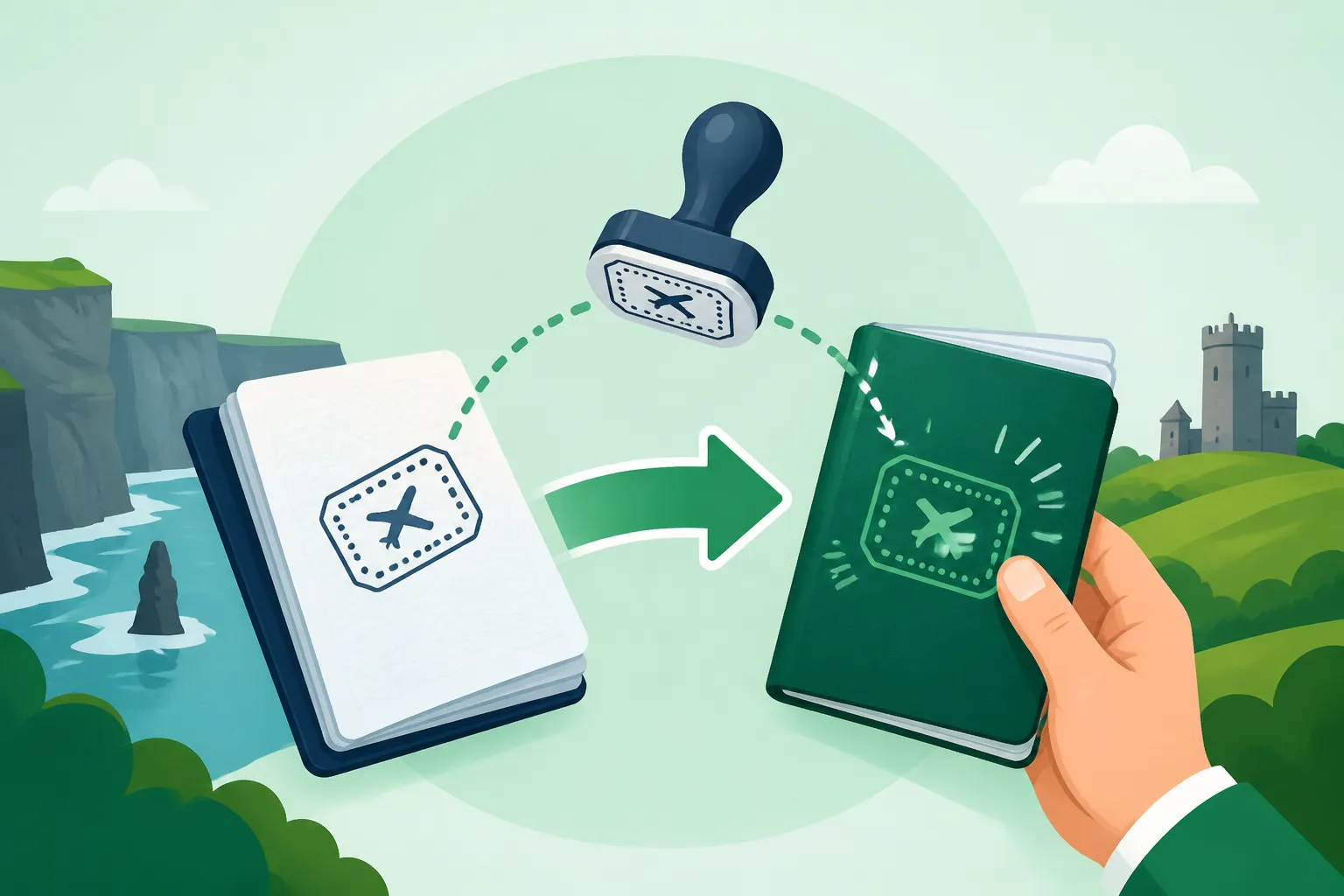
Ah, the never-ending dance with Irish bureaucracy, eh? Just when you think you've finally got your head around your immigration status and have that precious IRP card in hand, your trusty passport decides it's time to expire or, joy of joys, fill up with stamps. Suddenly, you're faced with another administrative hurdle: how on earth do you transfer that Irish immigration stamp – your proof of permission to be here – to your shiny new travel document? It's a common stressor for many of us expats, and this guide is here to walk you through the surprisingly straightforward, yet often confusing, process of getting your immigration permission correctly recorded in your updated passport.
Why Your Immigration Stamp Needs to Be Tied to Your Current Passport
It might seem like a small detail, but believe me, in Ireland's immigration system, details matter. Your immigration stamp, which typically indicates your permission type (like Stamp 1, Stamp 2, or Stamp 4) and its expiry date, is intrinsically linked to the passport it was originally placed in. Even with your Irish Residence Permit (IRP) card, which is your primary proof of registration, issues can arise if the underlying passport information isn't up-to-date.
The Intricate Link Between Your Stamp, IRP Card, and Passport
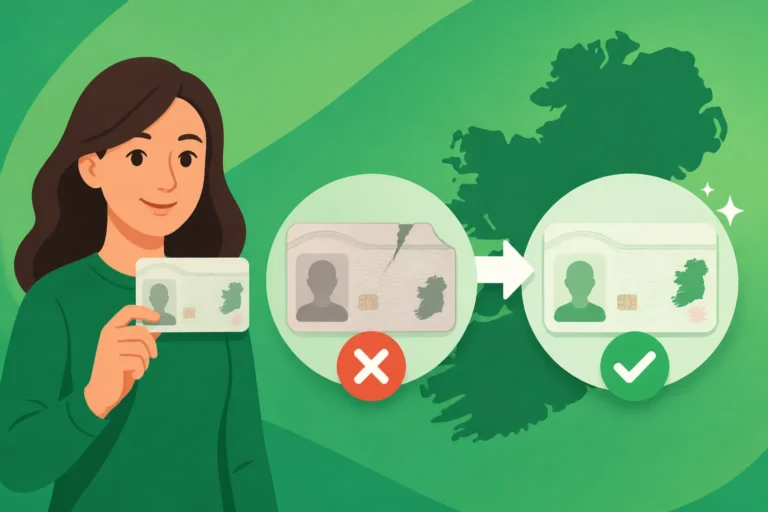
Think of your IRP card as your national ID in Ireland for immigration purposes. It contains your photograph, personal details, immigration stamp type, and expiry date. However, this card is issued based on the information in your current passport at the time of registration. When you travel internationally, border officials will scrutinise both your passport and your IRP card. If your IRP card refers to a passport number that no longer exists (because you have a new one), or if your previous visa stamp is in an expired passport, it can raise red flags.
It's not that your immigration permission instantly becomes invalid when your passport expires – the permission itself (the Stamp 1, Stamp 4, etc.) is typically linked to the IRP card and a duration of stay, not just the physical stamp in a specific passport. The problem arises with verification and proving your status. Imagine explaining to a stern border control officer at Dublin Airport why your IRP card shows one passport number, but you're presenting a different, new passport, and your old passport with the actual stamp is either expired or at home in a drawer. This is where the headache begins. Keeping everything aligned ensures a smoother journey through life in Ireland, both domestically and internationally.
Common Scenarios That Require a Stamp Transfer or Update
You might find yourself needing to update your passport details with Irish immigration for a few key reasons:
- Passport Expiration: This is by far the most common reason. Passports have a shelf life, typically 5 or 10 years, and renewing them is a regular part of life. Once you get that crisp new document, you'll need to inform the authorities.
- Lost or Stolen Passport: This is a much more urgent and stressful situation. Not only do you have the immediate concern of replacing the lost document, but you also need to ensure your immigration permission is securely transferred to your new passport. The moment you realise your passport is gone, report it to the Gardaí (Irish police) and your embassy immediately.
- Passport Full of Stamps: If you're an avid traveler, you might find your passport pages filling up with entry and exit stamps from various countries. While a fun testament to your adventures, it means you'll need a new passport sooner than expected, necessitating an immigration update.
- Name Change: Less frequent, but if you've legally changed your name, you'll update your passport first, then need to ensure your immigration records and IRP card reflect this change. This will involve the process of transferring your stamp to your new passport with updated details.
In all these scenarios, the underlying goal is to ensure that your Irish immigration permission is always clearly and correctly linked to the valid travel document you are currently using. For a broader understanding of permissions, you might want to delve into Understanding the Irish Immigration Stamp System Stamp 1, 2, 4.
The Practical Steps to Transfer Your Immigration Stamp
The process of transferring your immigration stamp to a new passport, or more accurately, updating your immigration record to reflect your new passport details, is managed by the Immigration Service Delivery (ISD). The specific steps vary slightly depending on whether you live in Dublin or outside the capital.
Getting Your Affairs in Order: Essential Documents
Before you even think about booking an appointment, you need to gather a very specific set of documents. Over the years, I've learned that Irish bureaucracy appreciates thoroughness, so having everything in order will save you immense hassle.
Here's what you'll typically need to bring:
- Your New, Valid Passport: The shiny new one you want your immigration permission to be linked to. Make sure it's signed!
- Your Old Passport: If available, especially if it contains the original immigration stamp. Even if it's expired, it's a crucial piece of your immigration history.
- Your Current Irish Residence Permit (IRP) Card: This is non-negotiable. It's the primary proof of your permission in Ireland.
- Proof of Address: A utility bill (gas, electricity, landline phone), bank statement, or official letter from a government department, dated within the last three to six months. Make sure your name and address are clearly visible. If you're still settling in, sometimes a letter from your employer or landlord can work, but a utility bill is king. When moving, remember services like Sirelo can assist with shipping your documents and belongings safely.
- Letter from Employer/College (if applicable): While not always explicitly required for a simple passport update, if your IRP card is also nearing expiry or you're on a Stamp 1 or Stamp 2, having a recent letter confirming your employment or student status can be very helpful. This is especially true if you are on a specific employment permit.
- Police Report (for lost/stolen passports): If your old passport was lost or stolen, you must have the official police report from the Gardaí. Your embassy or consulate might also provide a letter confirming the loss and your new passport issuance.
Top Tip: Always bring originals AND photocopies of everything. They might only need to see the originals and take the copies, but it's always better to be over-prepared.
Securing Your Appointment: Dublin vs. Regional Differences
This is often where expats pull their hair out, particularly in Dublin. The process is distinct:
- For Residents in Dublin City and County:
If you live in Dublin, you'll need to book an appointment online via the official Immigration Service Delivery (ISD) appointment system: Appointments.Immigration.IE. This website is notoriously busy. Appointments are released at specific times (historically, mornings, but this can change), and they get snapped up instantly. You'll need perseverance, patience, and often, a bit of luck.
When you attend your appointment, it will be at the Garda National Immigration Bureau (GNIB) office in Burgh Quay. While the website is for booking, the physical registration and updates happen there. - For Residents Outside Dublin:
If you live anywhere else in Ireland, your immigration registration and updates are handled by your local Garda (police) station that deals with immigration matters. You'll need to find out which station covers your area and how they operate. Some may allow walk-ins, others may require you to call ahead and book an appointment, and some might even have specific days or hours for immigration services. It's best to call your local station or check their website (if they have one) for their specific procedures.
This regional difference is a source of frequent confusion, but it's vital to get it right. Turning up at Burgh Quay when you live in Cork will just result in a wasted journey and added frustration.
What Happens at Your Appointment
Once you've finally secured an appointment and gathered all your documents, here’s a general idea of what to expect:
You'll present your documents to an immigration officer. They will verify your identity, check your new and old passports, and ensure all your details match your IRP card. The officer will typically update your immigration record in their system to reflect your new passport number. In most cases, if your IRP card is still valid, they will not issue you a new IRP card or place a new physical stamp in your passport for a simple passport update. The IRP card itself is your primary evidence of permission.
However, if your IRP card is also due for renewal soon, or if it has less than, say, six months validity left, they might process a full IRP renewal at the same time. In that instance, you would pay the €300 IRP renewal fee and eventually receive a new IRP card. Be prepared for this possibility by bringing your debit/credit card. For comprehensive guidance on IRP management, you might find How to Renew Your IRP and Immigration Permission in Ireland incredibly helpful.
Table: Document Checklist for Passport Update/Stamp Transfer
| Document Required | For Dublin Residents (Burgh Quay) | For Outside Dublin Residents (Local Garda Station) | Notes |
|---|---|---|---|
| New, Valid Passport | Yes (Original & Photocopy) | Yes (Original & Photocopy) | Essential for linking new identity. |
| Old Passport (if available) | Yes (Original & Photocopy) | Yes (Original & Photocopy) | Crucial for historical record, especially if it contains the original stamp. |
| Current Irish Residence Permit (IRP) Card | Yes (Original & Photocopy) | Yes (Original & Photocopy) | Primary proof of permission in Ireland. |
| Proof of Address | Yes (Original & Photocopy) | Yes (Original & Photocopy) | Utility bill, bank statement (dated within 3-6 months). |
| Employer/College Letter | Recommended (Original & Photocopy) | Recommended (Original & Photocopy) | Especially for Stamp 1, 1G, or 2 holders, or if IRP is also near expiry. |
| Garda Police Report (Lost/Stolen) | Only if applicable (Original & Photocopy) | Only if applicable (Original & Photocopy) | Mandatory if old passport was lost or stolen. |
| Appointment Confirmation | Yes (Printout/Digital) | N/A (unless local station requires) | For Dublin, essential to show proof of booked slot. |
Crucial Considerations and Insider Tips for a Smooth Transfer
Navigating immigration can be a minefield of anxiety, especially when it involves something as fundamental as your passport. A little foresight can save you a lot of grief.
Timing is Everything: Don't Leave It to the Last Minute!
I cannot stress this enough: do not wait until your passport has expired to start this process. While your IRP card might still be valid, traveling with an expired passport that your IRP references can cause complications at airports, both coming into and leaving Ireland. Border officials might take a dim view if your travel document isn't fully in order.
Ideally, you should aim to get your new passport at least 6-9 months before your old one expires. Once you have your new passport, immediately book your appointment (if in Dublin) or contact your local Garda station. This proactive approach ensures you have ample time to complete the transfer without any last-minute stress or travel disruptions. If you're planning any international travel, make sure your passport update is completed well in advance of your departure date. Imagine missing a flight because your documents aren't aligned – a nightmare scenario!
Keeping Your Entire Immigration Record Up-to-Date
Updating your passport details is not just about a stamp; it's about maintaining an accurate and consistent immigration record with the ISD. This record is critical for various aspects of your life in Ireland, from employment to future applications for long-term residency or even citizenship.
Your IRP card is currently your central document, detailing your permission to reside and work (or study) in Ireland. Any change to your identity or primary travel document needs to be reflected in the ISD system. This ensures that when the time comes to renew your IRP card or apply for a different immigration stamp (like moving from a Stamp 1G to a Stamp 4), all your details are consistent. Remember, every piece of your immigration puzzle should fit perfectly. If you're still figuring out the basics, The Complete Guide to the IRP Card and Registering with Immigration (2027) is an excellent resource.
Navigating Lost Passports and Emergency Travel Documents
Losing your passport while living abroad is a truly dreadful experience, compounding the stress with immigration concerns.
- Report Immediately: The very first step is to report the loss or theft to the Gardaí. You’ll need an official police report for your embassy and for Irish immigration.
- Contact Your Embassy/Consulate: They will assist you in obtaining an emergency travel document or a new passport.
- Expedite Immigration Update: Once you have a new passport, prioritize informing Irish immigration. Explain your situation clearly and provide the police report. While it might take time to get a new IRP if yours was also lost, updating your passport details is crucial.
If you have to travel in an emergency with an emergency travel document or a new passport that hasn't been linked to your IRP yet, be prepared for extensive questioning at the border. Carry all available supporting documents: your IRP card, the police report, and any correspondence from your embassy or Irish immigration. It's a highly stressful situation, but being prepared with documentation is your best defence.
For peace of mind, especially during such unpredictable situations, having robust international health insurance can be a game-changer. Companies like Cigna Global offer plans that can cover you even when you're in the midst of administrative chaos, ensuring your health isn't another worry. Also, remember that your health coverage in Ireland is often tied to your residency, so ensure you understand Understanding Health Insurance Waiting Periods and Lifetime Loading in Ireland as part of your overall planning.
Unpacking Common Questions and Potential Hurdles
Even with the best preparation, questions pop up. Here are some clarifications on typical queries and scenarios expats face when updating their passport and immigration records.
Demystifying Fees and Charges
A common concern is whether you'll have to pay another hefty fee. The good news is that a simple passport detail update or stamp transfer typically does not incur the €300 IRP card fee. That fee is primarily for the issuance of a new IRP card, usually during a renewal or a first-time registration.
If your IRP card is still valid and has plenty of time left, and you are solely updating your passport details, you should not be charged. However, if your IRP card is also expiring within a few months, or if the officer decides for any reason that a new IRP card is needed (e.g., significant data change, photo update), then you would be required to pay the €300 fee for the new card. Always bring a debit or credit card, just in case. They do not accept cash.
The "No Physical Stamp" Scenario
It's important to understand that in many cases, especially after your initial registration, you might not receive a physical stamp in your new passport when you update your details. The Irish immigration system has increasingly moved towards the IRP card as the primary document of proof of your permission. The physical stamp in the passport is becoming less common for routine updates and renewals.
So, if you go through the process, and the officer simply updates your record in their system and hands back your passport and IRP card without placing a new physical stamp, don't panic! This is increasingly normal. The crucial part is that your details are updated on their system, correctly linking your current, valid passport to your immigration permission. Your IRP card remains your proof.
When to Bring in the Professionals: Seeking Expert Advice
While this guide aims to be comprehensive, immigration rules can be nuanced, complex, and subject to change. There are situations where seeking professional legal advice is not just helpful but essential.
- Complex Cases: If you have an unusual immigration history, multiple passport changes, or specific conditions attached to your permission, a simple update might not be straightforward.
- Lost IRP Card and Passport: If both your IRP card and passport are lost or stolen, the situation becomes much more complicated, and legal advice can guide you through the process of re-establishing your identity and immigration status.
- Doubts or Concerns: If you are unsure about any part of the process, your eligibility, or the documents required, consulting an immigration solicitor can provide clarity and peace of mind. They can also help with apostilling documents, a process explored in How to Get Your Documents Apostilled for Irish Immigration.
Don't hesitate to invest in expert advice if you feel out of your depth. It's better to get it right the first time than to face complications down the line. Remember, securing your immigration status is a critical part of making Ireland your home. For new arrivals or those planning a move, resources like The Complete Guide to Moving to Ireland Your First 90 Days (2026) offer invaluable tips on getting settled and understanding processes like how What Documents Do I Need to Register with Immigration in Ireland?. It’s all part of the expat journey.
Disclaimer
The information provided in this guide is for general informational purposes only and does not constitute legal or professional advice. Immigration laws and procedures in Ireland are subject to change by the Immigration Service Delivery (ISD) and the Department of Justice. While we strive to provide accurate and up-to-date information, it is essential to consult official government sources (such as the ISD website or your local Garda station) or an immigration solicitor for advice tailored to your specific situation. Reliance on any information in this guide is solely at your own risk.