How to Open a Bank Account at an Irish Bank as a Foreigner
Arriving in Ireland as a newcomer, full of excitement and maybe a little trepidation, you quickly realise that one of the most fundamental tasks – opening a simple bank account – can feel like trying to solve a Rubik's Cube blindfolded. It's a common and deeply frustrating experience for many expats, the kind of administrative hurdle that makes you want to pull your hair out. This guide is here to walk you through the labyrinthine process of opening a bank account at an Irish bank as a foreigner, offering realistic advice and practical workarounds to help you establish your financial footing in your new home.
Why Opening an Irish Bank Account is Essential for Expats
When you first land, it might feel tempting to rely on your existing bank account from back home, especially with so many digital banking options available globally. However, for anyone planning to live and work here for more than a fleeting visit, an Irish bank account quickly moves from a 'nice to have' to an absolute 'must-have'. Trust me on this one; I've seen countless folks struggle trying to avoid this step, only to hit brick wall after brick wall.
Daily Life and Practicalities
Think about your daily life. How will you get paid? How will you pay for essentials? Most employers in Ireland will insist on paying your salary directly into an Irish bank account. It’s simply standard procedure and makes their payroll system far simpler. While some might make exceptions for a short period, it's not sustainable long-term. Beyond your wages, paying bills here is largely done via direct debits or standing orders from an Irish account. Rent, electricity, gas, broadband – almost all recurring payments expect an Irish IBAN. Trying to set these up from an international account is often impossible, or at the very least, a massive headache that banks and service providers here aren't equipped to deal with. Imagine trying to get a refund for a utility bill error and having it sent to your overseas account; it becomes a convoluted mess involving exchange rates and international transfer delays.
Establishing Financial Footprint
Beyond the day-to-day, having a local bank account is crucial for building a financial history in Ireland. If you ever dream of buying a home, getting a car loan, or even just building a good credit score for future financial products, having a history with an Irish bank is non-negotiable. Lenders here want to see stability and a track record of managing finances within the Irish system. They're not going to be impressed by your flawless credit history in your home country; they want to see how you operate here. It’s all about integrating yourself into the local financial ecosystem, and a bank account is the very first step on that journey. Don't underestimate its importance for future financial freedom.
Avoiding International Transfer Fees
Relying solely on your foreign bank account for everyday expenses means you’re going to be hit with international transaction fees and unfavourable exchange rates, possibly multiple times a day. Every time you tap your card at the shop or withdraw cash from an ATM, your foreign bank will likely charge you a percentage or a flat fee, and the exchange rate used will rarely be in your favour. These small amounts add up surprisingly quickly, quietly eating away at your hard-earned money. Over weeks and months, you could be losing hundreds of euros without even realising it. An Irish bank account eliminates this entirely for local transactions, keeping more money in your pocket where it belongs. Plus, when you do need to transfer funds from overseas, using services like Wise can often be a more cost-effective way to get money into your Irish account, once it's set up.
The Hurdles: Why It Feels So Difficult for Foreigners
Now, let’s be real. If you've already tried to open a bank account here, you know it's not always straightforward. It often feels like you're caught in a bizarre administrative loop that makes no logical sense, particularly when you're just starting out. This isn't just you, it's a common experience, and there are very real reasons why it feels so difficult.
The "Catch-22" of Proof of Address
This is perhaps the biggest and most infuriating obstacle for many new arrivals. To open a bank account, banks require proof of address. Sounds simple, right? Except, the accepted forms of proof of address are typically utility bills (electricity, gas, landline phone), letters from government bodies (like a PPSN letter from the Department of Social Protection or a Revenue tax certificate), or an official tenancy agreement. Here's the kicker: to get a utility bill in your name, you often need an Irish bank account to set up direct debits, or at least a stable Irish address that you've been at for a while. And if you've just arrived, you probably don't have a PPSN letter yet, and your tenancy agreement might be with housemates, not directly from a landlord, or for short-term accommodation.
It's a classic Catch-22: you need an address to get a bank account, but you need a bank account to get the documents that prove your address. This loop can leave you feeling utterly helpless and frustrated, especially when the bank staff just recite policy without offering practical solutions. It's not a uniquely Irish problem, but it's certainly one that expats here face head-on.
Documentation Requirements and Variations
While there's a general list of documents you'll need, the specific requirements can feel like they shift slightly depending on the bank, the branch, and even the individual staff member you deal with. Generally, you'll always need a valid photo ID (like your passport or a national ID card if you're from the EU/EEA), your Personal Public Service Number (PPSN), and proof of address. However, some banks might also ask for proof of employment (a letter from your employer on company letterhead stating your job title, start date, and salary), proof of student status (if applicable, an acceptance letter from your university), or even proof of funds (though this is less common for standard accounts).
The key here is consistency. Ensure all your documents are recent, clear, and match each other exactly – no discrepancies in spelling or address format. A minor difference could lead to delays or outright rejection, forcing you to go back to square one. It's a testament to the thoroughness, or perhaps over-thoroughness, of the Irish banking system's anti-money laundering and Know Your Customer (KYC) regulations.
Different Bank Policies and Bureaucracy
Ireland’s banking landscape is dominated by a few key players: AIB (Allied Irish Banks), Bank of Ireland, and Permanent TSB. While they offer similar core services, their internal policies for opening accounts for non-residents or new arrivals can vary. Some branches, particularly in larger cities, might be more accustomed to dealing with expat applications and might have slightly more flexible options or a dedicated "new to Ireland" department. Other smaller, more rural branches might be stricter or less familiar with non-standard documentation.
The process often involves a face-to-face appointment, which can be difficult to secure, especially during busy periods. Expect paperwork, waiting times, and a general air of bureaucracy that might feel slow compared to what you're used to in other countries. It’s part of the charm (or frustration!) of Irish administration. Don't expect to walk in and out with a new account in an hour; this is a process that requires patience and persistence.
Choosing the Right Irish Bank for Your Needs
With a handful of options available, it's worth taking a moment to consider which type of bank will best suit your initial needs as an expat. Each has its pros and cons, and what works for one person might not be ideal for another.
Traditional Banks: AIB, Bank of Ireland, Permanent TSB
These are the big names you'll see everywhere. They have physical branches scattered across the country, ATMs on every corner, and offer a full suite of services from current accounts to mortgages and investments.
Pros:
- Physical Presence: Having a local branch where you can speak to a person can be incredibly reassuring, especially when you're dealing with complex initial setup or need to resolve an issue. This can be a huge comfort when you're grappling with new systems.
- Comprehensive Services: They offer everything from basic current accounts to savings, loans, mortgages, and investment products. If you plan to settle long-term and need a bank that can grow with your financial needs, a traditional bank is a solid choice.
- Established Trust: These banks are deeply ingrained in the Irish financial system, and most employers, landlords, and service providers are familiar and comfortable dealing with them.
Cons:
- Bureaucracy and Slow Onboarding: As mentioned, opening an account can be a lengthy process. It often requires multiple documents, a scheduled appointment, and then a wait for cards and PINs to arrive by post.
- Fees: Traditional banks typically charge monthly maintenance fees for their current accounts, as well as potential fees for certain transactions or international transfers. While seemingly small, these add up.
- Less Flexible for Expats: Their strict "proof of address" requirements and other documentation hurdles can be particularly challenging for new arrivals who haven't yet established a stable local footprint.
Online and Digital-First Banks: Revolut, N26, Wise
These fintech companies have revolutionised banking for many, especially those who are tech-savvy and prefer managing their money through an app. While not always Irish banks in the traditional sense, they operate here and offer Irish IBANs.
Pros:
- Fast Setup: Often, you can open an account in minutes directly from your smartphone, with far fewer physical document requirements. This can be a godsend when you're fresh off the plane.
- Low or No Fees: Many digital banks offer free basic accounts and competitive or no fees for international transactions and currency exchange. This is particularly appealing if you still need to transfer money regularly from your home country.
- Multi-Currency Capabilities: Services like Revolut and N26 allow you to hold and exchange multiple currencies within the same account, which is incredibly useful for expats who travel frequently or receive income from different sources. Wise (formerly TransferWise) is another excellent platform in this space, primarily focused on making international money transfers incredibly efficient and cost-effective, often with better exchange rates than traditional banks. If you're managing money across borders, using a service like Wise alongside your local Irish account can save you a significant amount.
- Irish IBAN: Both Revolut and N26 now provide Irish IBANs, which means they function just like a traditional Irish bank account for receiving salaries and setting up direct debits here.
Cons:
- No Physical Branches: This is the main drawback. If you prefer face-to-face interaction or need to deposit physical cash or cheques regularly, a digital bank might not be enough on its own.
- Limited Services for Complex Needs: They typically don't offer services like mortgages, complex loans, or investment advice. For long-term financial planning, you'll likely need a traditional bank or a financial advisor.
- Potential for Customer Service Issues: While usually efficient for basic queries, resolving more complex issues can sometimes be frustrating without a physical branch to visit.
Credit Unions: A Local Alternative
Credit unions are member-owned financial cooperatives that operate on a community basis. There are hundreds of them across Ireland.
Pros:
- Community Focus: They often have a strong community feel and can be more flexible and understanding, particularly for those establishing themselves in a new area.
- Simpler Requirements (sometimes): For certain types of accounts or services, they might have slightly less stringent requirements than big banks, especially if you can build a relationship with a local branch.
- Ethical Banking: As member-owned organisations, their profits are often reinvested into the community or returned to members.
Cons:
- Limited Services: They typically offer a more restricted range of services compared to commercial banks. You might get a current account and savings, but complex financial products are usually unavailable.
- Not Always Expat-Friendly Initially: While community-focused, their initial onboarding for new arrivals might still present some of the same proof of address challenges, particularly if you haven't been in the area long enough to establish local ties.
- No International Reach: They are not designed for international transfers or multi-currency accounts.
Here's a quick comparison of popular options:
| Bank Type / Service | Ease of Opening for Expats (Initial) | Physical Branches | Fees (Basic Current Account) | International Transfers | Range of Services | Notes |
|---|---|---|---|---|---|---|
| AIB / Bank of Ireland | Moderate to Difficult | Yes | Monthly fees (€4-€6) | Yes (fees apply) | Full banking, loans, mortgages | Best for long-term, comprehensive needs |
| Permanent TSB | Moderate to Difficult | Yes | Monthly fees (can be waived) | Yes (fees apply) | Full banking, loans, mortgages | Similar to AIB/BOI, worth checking specific offers |
| Revolut / N26 | Easy and Fast | No | Free (basic accounts) | Excellent (low fees) | Current, savings, budgeting | Great for immediate needs, daily spending |
| Credit Unions | Varies by branch/community | Yes (local) | Often minimal/free | Limited or none | Current, savings, local loans | Good for community engagement, smaller needs |
| Wise | Very Easy (for transfers) | No | Low fees (per transaction) | Excellent (core service) | Multi-currency account | Best for international transfers, not a primary bank |
Ultimately, many expats find a hybrid approach works best: a digital bank like Revolut or N26 for immediate needs and daily spending upon arrival, and then a traditional bank like AIB or Bank of Ireland once they have all their ducks in a row (PPSN, stable address, employer letter) for long-term financial stability and services.
Step-by-Step: How to Successfully Open Your Account
Alright, let's get down to brass tacks. You know why you need an account and what your options are. Now, here's the practical, step-by-step guide to actually getting that account open. Patience is your best friend here.
Gathering Your Essential Documents
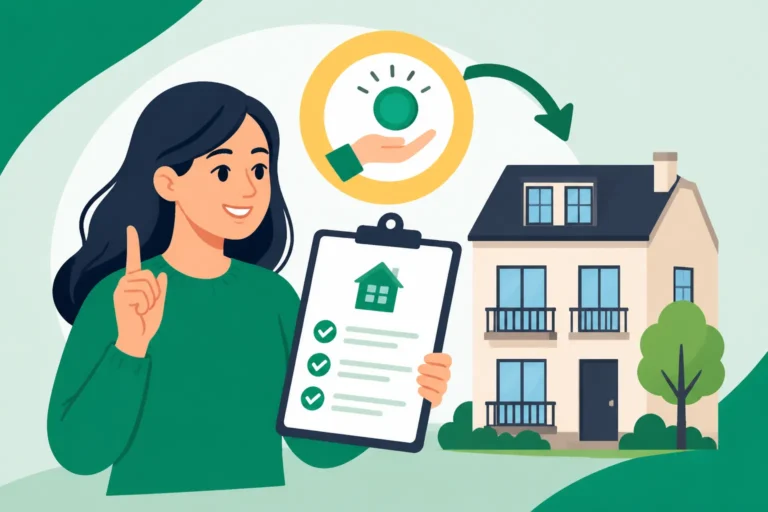
This is the make-or-break stage. Before you even think about walking into a branch or clicking 'apply online,' make sure you have these documents lined up. Missing even one can send you right back to the start.
-
Proof of ID:
- Passport: This is universally accepted and your safest bet. Ensure it's valid and not close to expiry.
- National ID Card (for EU/EEA citizens): If you're from the European Economic Area, your national ID card is usually sufficient.
- Irish Residence Permit (IRP) Card: If you're a non-EU/EEA citizen and have already registered your immigration permission, your IRP card is a strong form of ID.
-
Proof of Address: This is where it gets tricky, as we've discussed. You'll need one recent document (usually less than 6 months old) showing your name and your current Irish residential address.
- Utility Bill: An electricity, gas, landline phone, or internet bill in your name. Mobile phone bills are generally not accepted. This is often hard to get initially.
- Bank Statement: A statement from another Irish bank account (if you somehow managed to open one already, or a joint account).
- Government Letter: A letter from a recognised Irish government department or agency. The most common and useful here is your PPSN (Personal Public Service Number) allocation letter from the Department of Social Protection, or a letter from Revenue. This is often the first "official" document with your address you'll receive in Ireland and is often accepted. If you haven't yet applied for your PPSN, you can find detailed guidance in our post on How to Register for Tax and Get a PPS Number in Ireland.
- Tenancy Agreement (Lease): A formal, signed lease agreement from a registered landlord or letting agency. It needs to clearly show your name, the property address, and the landlord's details. If you're sharing, your name must be on the agreement.
- Letter from Employer: Some banks might accept a letter from your employer, on company letterhead, confirming your employment and your residential address in Ireland. This is a common workaround for expats.
- Letter from a Solicitor: If you've recently purchased property, your solicitor can provide a letter confirming your address.
-
PPSN (Personal Public Service Number): Your PPSN is your unique identifier for all social welfare, public services, and tax purposes in Ireland. You'll need proof of this. The best proof is your official PPSN allocation letter. If you haven't got one yet, prioritise getting it. This is fundamental to almost everything you'll do financially here, including Understanding PAYE, PRSI and USC Deductions for Employees in Ireland.
-
Proof of Employment/Student Status (if required):
- Employer Letter: On company letterhead, stating your name, employment status (full-time, part-time), job title, start date, and annual salary.
- University Acceptance Letter/Student ID: For students.
Top Tip: Always bring originals AND photocopies of everything. Some banks will only accept originals, while others will take copies. Being over-prepared is always better than under-prepared when dealing with Irish bureaucracy!
The Application Process: Online vs. In-Branch
How you apply can significantly impact your experience, especially as a foreigner.
Online (Primarily for Digital Banks like Revolut, N26):
- Download the App: Start by downloading the bank's mobile app.
- Verification: You'll typically be asked to upload photos of your ID (passport/IRP), take a selfie for identity verification, and potentially upload a utility bill or government letter for address proof.
- Irish IBAN: Once approved, you'll usually get an Irish IBAN almost immediately. Your physical card will then be mailed to your address (usually takes 5-7 working days).
- Speed and Convenience: This is by far the fastest and most convenient method, especially for initial setup, as it bypasses the need for an appointment and often accepts a wider range of address proofs or has less stringent initial checks.
In-Branch (For Traditional Banks like AIB, Bank of Ireland, Permanent TSB):
- Book an Appointment: This is crucial. Do not just walk in expecting to open an account; you'll likely be turned away or told to book. Call ahead or use their online booking system to schedule an appointment for 'opening a new current account' or 'new customer services'.
- Attend the Appointment: Bring ALL your original documents and photocopies. The bank official will review everything, ask you questions about your income, employment, and why you need an account. They will make copies of your documents.
- Initial Account Setup: If everything is in order, they'll usually initiate the account opening process right there. You might get account details immediately, but your debit card and PIN will almost certainly be mailed to your address separately (for security reasons).
- Waiting Period: Be prepared for a waiting period for your card and PIN. This can be anywhere from 5 to 10 business days. Until you have both, you can't really use the account fully.
- Benefits of In-Branch: For expats, an in-branch appointment can be beneficial. You have a chance to explain any nuances about your situation (e.g., just arrived, no utility bills yet), and sometimes a human touch can help overcome initial hurdles that an online system might flag automatically. It's also an opportunity to ask questions face-to-face about fees, online banking setup, and other services.
What to Expect During the Appointment
When you finally get that coveted bank appointment, come prepared mentally as well as physically. The process typically involves sitting down with a banking advisor. They'll verify your identity and address documents rigorously. Expect questions about your source of income, your employer, the purpose of the account, and your residency status in Ireland. They need to fulfil their regulatory obligations, so answer patiently and clearly. If you have any unusual circumstances regarding your address proof, this is your chance to explain it and offer alternatives like the employer letter. Sometimes, if a document isn't quite right, they might ask you to come back with something else, which is frustrating but common. Don't be disheartened; it's part of the process.
Should you face a rejection, ask for the specific reason in writing if possible. This can help you understand what exactly was missing or incorrect, so you can rectify it for your next attempt, either with the same bank or a different one. It's a test of resilience, but getting through it is a rite of passage for many expats.
Navigating Common Issues and Pro-Tips for Expats
Even with all the preparation, you might still encounter a snag or two. Knowing some common issues and having a few tricks up your sleeve can make a world of difference.
The Elusive Proof of Address Solution
As a veteran expat, I've heard every story under the sun about this. If the standard utility bill isn't an option, here are some actionable workarounds:
- Employer Letter: Get a formal letter from your employer on company letterhead. It should confirm your employment, start date, and, crucially, your residential address in Ireland. Many banks will accept this as interim proof.
- Tenancy Agreement: Ensure your name is clearly on the lease. If you're sub-letting or staying with friends, try to get a formal letter from the main tenant/landlord confirming your residence. Sometimes, a solicitor's letter confirming your residency at a specific address can also work, especially if you're dealing with a property purchase.
- PPSN Letter: As mentioned, your PPSN allocation letter from the Department of Social Protection is one of the strongest and most easily obtainable proofs of address for new arrivals. Prioritise getting your PPSN. Our guide on The Complete Guide to Moving to Ireland: Your First 90 Days (2027) has more details on this.
- Temporary Accommodation + Bank Statement: Some expats have had success using a proof of temporary accommodation (like a hotel bill for an extended stay, or a letter from a B&B) combined with a statement from their home country bank showing a transaction made in Ireland at that address. This is less common but worth a try if you're truly stuck.
Understanding Fees and Charges
Irish banks aren't known for being free. Most traditional current accounts come with monthly maintenance fees, typically in the range of €4 to €6. However, some banks like Permanent TSB or AIB may waive these fees if you maintain a certain minimum balance or make a minimum number of transactions (e.g., 10 debit card transactions) per month. Always ask about fee structures during your application. Additionally, look out for fees on international money transfers. If you plan to regularly send money home or receive funds from abroad, platforms like Wise are specifically designed to offer much better rates and lower fees than traditional banks. It's about being savvy with your money, rather than just accepting whatever fees come your way.
Activating Your Account and Setting Up Payments
Once your card and PIN arrive, you're almost there!
- Activate Your Card: Follow the instructions provided by your bank, which usually involves making your first transaction at an ATM using your PIN or a quick call to an automated line.
- Set Up Online Banking: This is essential. Register for your bank's online or mobile banking service. This is how you’ll manage your account, check balances, and set up payments. Our guide on How to Set Up Online and Mobile Banking in Ireland provides more insight here.
- Direct Debits and Standing Orders: You'll need your new Irish IBAN and BIC to set up direct debits for rent, utilities, and other recurring bills. Your landlord or utility provider will usually give you a form or an online portal to do this. Remember, the Irish banking system uses SEPA (Single Euro Payments Area) for Euro transactions, meaning transfers within the Eurozone are treated like domestic transfers.
Transferring Funds and Managing Your Money
Now that you have your Irish bank account, you'll inevitably need to transfer money to and from it.
- Inbound Transfers: If you're moving savings from your home country, you can initiate an international wire transfer from your foreign bank to your new Irish account. Be aware of potential fees and exchange rates. For larger amounts or frequent transfers, using a specialist foreign exchange service like Wise can often provide significantly better rates and lower transaction costs than traditional banks.
- Outbound Transfers: Similarly, if you need to send money back home, you can do so through your Irish bank's online platform, but again, compare their rates and fees with dedicated services.
- Budgeting: With your money now flowing through an Irish account, it’s a good time to get a handle on your The Complete Guide to Cost of Living in Ireland for Expats (2026). Understanding your expenses here is crucial for financial planning. Also, don't forget the broader implications for your finances, especially if you have foreign income or assets. This ties into Understanding Tax Residency, Ordinary Residence and Domicile in Ireland and ultimately The Complete Guide to Taxes in Ireland for Expats (2027) when you need to file your tax return. For complex tax situations involving income from multiple countries, consulting services like Taxes for Expats could be beneficial to ensure you're compliant in both jurisdictions.
Disclaimer
The information provided in this article is intended for general guidance only and does not constitute financial, legal, or immigration advice. While every effort has been made to ensure accuracy, regulations and procedures in Ireland can change. Always consult with the relevant financial institutions, legal professionals, or government bodies for the most up-to-date and personalised information specific to your situation.