Can I Use My Foreign Bank Card in Ireland?
When you first arrive in Ireland, jet-lagged and a bit overwhelmed, the thought of opening a new bank account probably feels like another mountain to climb. Naturally, your immediate instinct is to rely on the foreign bank card you already have in your wallet. And for those first few days, maybe even a week or two, you’ll find that your trusty card often works just fine. But let me tell you, from personal experience and watching countless other expats navigate the same choppy waters, relying solely on that foreign card for anything more than transient needs in Ireland is a recipe for headaches, unnecessary expenses, and a surprisingly difficult integration into Irish life. This guide is here to shed light on exactly where your foreign card will serve you, where it will fall short, and why embracing the Irish banking system, even with its quirks, is your best long-term bet.
The Initial Reality of Using Your Foreign Card in Ireland
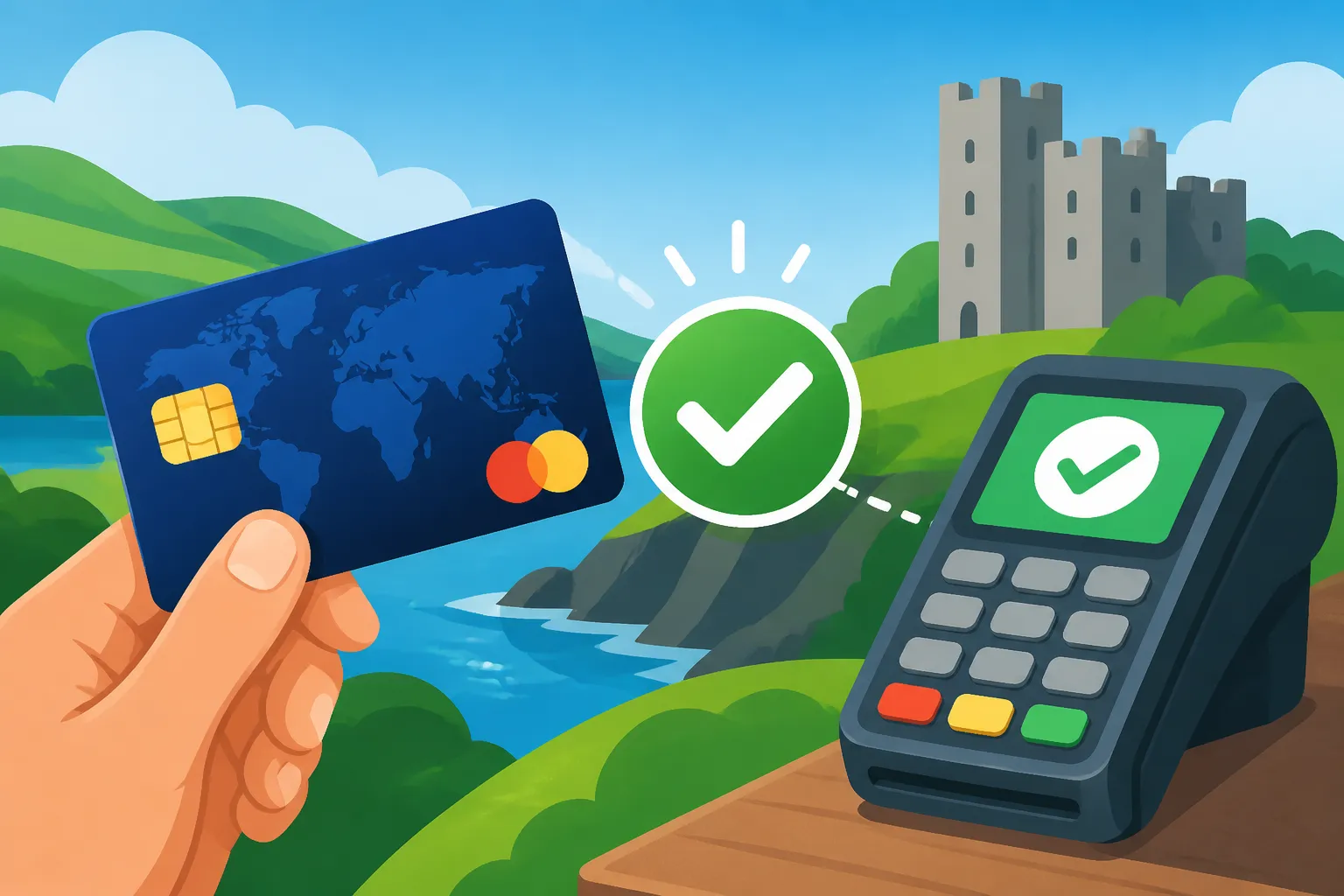
Yes, for the most part, major foreign bank cards – think Visa, Mastercard, American Express – are widely accepted across Ireland, especially in urban areas and by larger retailers. You'll likely be able to tap your way through your morning coffee order, pay for groceries at Tesco or Dunnes Stores, and even get your first pint at a local pub without a hitch. But don't let this initial ease lull you into a false sense of security; the devil, as always, is in the details, and those details often involve fees and inconveniences you might not expect.
Everyday Transactions and Merchant Acceptance
When you pull out your foreign debit or credit card in Ireland, particularly if it's a major global brand, you'll generally find acceptance at most points of sale. Contactless payments, or "tap and go," are incredibly prevalent here, with a typical limit of €50 per transaction before you're asked for your PIN. This makes small purchases quick and easy. Many modern payment terminals support Apple Pay and Google Pay, so if your foreign card is linked to one of these, you're usually good to go.
However, move beyond the big chains and city centres, and things can get a bit trickier. Smaller, independent shops, particularly in more rural towns or niche markets, might be cash-only or only accept Irish-issued cards for certain transactions. I remember once trying to pay for a lovely artisanal cheese at a small market in West Cork with my foreign card, only to be met with a friendly but firm "cash only, tá fáilte romhat" (you're welcome) and a pointing finger to the nearest ATM. It's not a widespread issue, but it's enough to catch you off guard if you're not prepared. Also, some online Irish retailers or service providers might have issues processing foreign cards, leading to frustrating checkout failures. This is less about the card type and more about their payment processor's security settings or regional limitations.
ATM Withdrawals and Associated Fees
Accessing cash with your foreign card in Ireland is certainly possible, as ATMs are plentiful, particularly in towns and cities. You'll find them at most bank branches (AIB, Bank of Ireland, Permanent TSB are the big ones), in supermarkets, and even at many petrol stations. However, this convenience often comes at a cost, sometimes a double whammy of fees.
Firstly, your own bank back home will likely charge you a foreign transaction fee for withdrawing cash abroad. This is usually a percentage of the amount withdrawn, plus a flat fee. Secondly, the ATM operator in Ireland might also charge a direct fee for using their machine, which you'll usually be notified of on screen before completing the transaction. These charges can quickly add up, turning a simple €50 withdrawal into a €55-€60 expense.
Then there's the infamous "Dynamic Currency Conversion" (DCC). This is where the ATM or point-of-sale terminal offers you the choice to pay in your home currency (e.g., USD, CAD, AUD) instead of Euro. While it might seem convenient to see the amount in your familiar currency, always decline DCC. The exchange rate offered by the local ATM operator or merchant is almost always worse than the rate your own bank will give you, often by a significant margin. Always opt to be charged in the local currency (Euro in Ireland) to get the best possible exchange rate from your card issuer. Trust me, I learned this the hard way many years ago, watching a perfectly good meal cost me an extra 5% because I wasn't paying attention. These small differences in exchange rates can really eat into your budget over time, especially if you're regularly using your foreign card for larger purchases.
Hidden Costs and Considerations
Beyond the immediate fees at ATMs, there are broader financial implications to relying on your foreign bank card in Ireland that often go unnoticed until your monthly statement arrives. These "hidden costs" can significantly impact your overall budget and even cause administrative headaches further down the line.
Exchange Rates and Foreign Transaction Fees
Every time you use your foreign card for a purchase or withdrawal in Ireland, your bank back home performs a currency conversion. While major card networks like Visa and Mastercard use very competitive wholesale exchange rates, your bank then adds its own mark-up. This is your foreign transaction fee, typically ranging from 1% to 3% of the transaction value. It might not sound like much, but imagine you spend €2,000 in a month using your foreign card – that's potentially an extra €20 to €60 gone, just for the privilege of using your own money. Over a few months, this can amount to a substantial sum that could have been better spent on exploring the Wild Atlantic Way or enjoying a few extra rounds.
It's a subtle drain on your finances. You might not notice it with each individual tap, but it becomes glaringly obvious when you look at the aggregate charges on your statement. For example, if your home bank uses an exchange rate that's consistently 1-2% less favourable than the market rate, plus a 2.5% foreign transaction fee, every €100 purchase is effectively costing you €103.50 or more. These costs are completely avoidable once you establish local banking facilities.
Security and Fraud Concerns
While Ireland is a relatively safe country, using a foreign card always carries certain security risks, not least the inconvenience if something goes wrong. If your foreign card is lost, stolen, or compromised, reporting it and getting a replacement can be a bureaucratic nightmare. You’d have to contact your bank in your home country, often across different time zones, and then wait for a replacement card to be shipped internationally, which can take weeks. This leaves you in a vulnerable position, potentially without access to your funds, in a new country.
Many foreign banks also have algorithms that flag "unusual" international spending patterns. While you might have told them you're travelling, a prolonged period of exclusive international transactions could still trigger fraud alerts, leading to your card being temporarily blocked. This is incredibly frustrating when you're trying to pay for something essential and suddenly your card is declined. I've heard countless stories of expats having their cards frozen at the most inconvenient times – at the petrol pump, during a large grocery shop, or even trying to pay for accommodation. It’s a level of uncertainty you really don’t need when settling into a new country.
The Imperative to Get a Local Irish Bank Account
I can’t stress this enough: getting a local Irish bank account isn’t just about convenience; it’s an absolute necessity for anyone planning to live and work in Ireland long-term. Without it, you’ll find yourself hitting brick wall after brick wall when trying to establish yourself.
Why a Local Account is Not Just Convenient, but Essential
Imagine trying to rent an apartment. Most landlords or letting agents will insist on receiving rent via direct debit from an Irish bank account. They're simply not set up to handle international transfers for monthly payments, nor do they want the hassle of fluctuating exchange rates. Similarly, setting up utilities – electricity, gas, broadband – almost always requires a direct debit from an Irish bank. Providers like ESB Networks or Bord Gáis Energy prefer this method for consistent billing.
Then there's your salary. Your employer, whether it's a multinational like Google or a local Irish company, will require an Irish bank account to pay you. They won't pay into your foreign account; it's a non-starter from an administrative and payroll perspective. Beyond that, receiving any kind of government payment or assistance, registering for Irish Citizenship: Naturalisation and Citizenship by Descent Explained (2026), or dealing with the Revenue (Ireland's tax authority) for matters like tax refunds or claiming tax credits will typically require an Irish bank account. You simply won't be able to fully integrate into the financial and administrative systems of Ireland without one. For a deeper dive into financial matters, you might want to look at our guide on The Complete Guide to Taxes in Ireland for Expats (2027).
Navigating the Irish Banking System for Expats
Opening a bank account in Ireland can sometimes feel like a gauntlet. The key thing to remember is that Irish banks, much like many European banks, are very particular about "Know Your Customer" (KYC) regulations. This means they need concrete proof of your identity and, crucially, your address in Ireland.
The biggest hurdle for many newcomers is proving an address when you might just be in temporary accommodation. Banks generally require a recent utility bill, a rental agreement, or a letter from your employer or a government department. If you're still staying in a hotel or Airbnb, this becomes a catch-22. My best advice here is to secure some form of official document with your Irish address as quickly as possible. A letter from your employer stating your local address, or even registering for your PPS Number (Personal Public Service Number) first, can sometimes generate a letter that banks will accept. For detailed steps, check out our guide on The Expat Guide to Opening a Bank Account in Ireland.
Expect to need:
- Proof of Identity: A valid passport or national ID card.
- Proof of Address: A recent utility bill (gas, electricity, landline phone), a formal tenancy agreement, or an official letter from a government department (like the one confirming your PPSN) or your employer, dated within the last 3-6 months.
- PPS Number: While not always strictly necessary for opening an account, it's highly recommended and will eventually be needed for almost everything else. You'll need it for your salary, taxes, and accessing any public services, so it's best to How to Register for Tax and Get a PPS Number in Ireland as soon as possible.
The process often requires an in-person appointment at a bank branch. Don’t expect to walk in and walk out with an account on the same day. It typically involves setting up an appointment, bringing all your documents, filling out forms, and then waiting a few days or a week for your card and PIN to arrive by post. Patience, my friend, is a virtue when dealing with Irish banks as an expat.
Practical Solutions for Managing Your Money
So, you're in Ireland, your foreign card is getting you by (for now), but you know you need a local account. What's the best strategy to bridge that gap and manage your finances efficiently in the long run?
Digital Banking and Money Transfer Services
While you’re navigating the traditional banking system, modern financial technology can be your best friend. Services like Revolut and N26 have gained huge popularity among expats in Ireland precisely because they offer a more straightforward account opening process, often entirely online, with fewer initial proof-of-address requirements than traditional banks. They provide an IBAN (International Bank Account Number), which means you can receive your salary, set up direct debits for utilities, and effectively operate like you have a "local" account almost immediately. These digital banks also offer excellent exchange rates and minimal or no foreign transaction fees, making them ideal for the interim period and even for long-term day-to-day spending. You can learn more about these options in How to Use Revolut, N26 and Digital Banks in Ireland.
For transferring larger sums of money from your home country to Ireland, or between currencies, dedicated money transfer services like Wise (formerly TransferWise) are invaluable. Forget the exorbitant fees and poor exchange rates of traditional bank transfers. Wise offers competitive mid-market exchange rates and transparent, low fees, making it significantly cheaper to move your savings across borders. This is particularly useful for things like putting down a deposit on a rental property or transferring funds to cover your initial cost of living in Ireland. I personally use Wise regularly and recommend it to anyone looking to minimise transfer costs. It's a lifesaver when you need to send money home or bring funds over without getting fleeced by bank charges.
The Best Approach: A Hybrid Strategy
The most effective strategy for most expats moving to Ireland is a hybrid one, combining the immediate utility of your foreign card and digital banking with the long-term necessity of a traditional Irish bank account.
- Initial Days/Weeks: Rely on your foreign debit/credit card for essential purchases, but be mindful of fees and DCC. Use a digital bank like Revolut or N26 if you can set one up quickly for day-to-day spending and receiving initial funds, bypassing some of those foreign transaction fees.
- Transitional Period: As soon as humanly possible, work on gathering the documents needed to open a traditional Irish bank account. Get your PPSN, secure that rental agreement or employer letter. This is where you'll really start to feel like you're putting down roots financially. Don't procrastinate on this; it will save you so many headaches down the line.
- Long-Term Living: Once your Irish bank account is fully operational, make it your primary account for salary, rent, utilities, and daily spending. Keep your foreign card for emergencies or specific online purchases from your home country if needed. Continue to use services like Wise for international money transfers, moving funds from your home country savings account to your Irish account as needed, enjoying favourable exchange rates and low fees. For those who are self-employed, managing your finances and understanding How to Pay Tax as a Sole Trader in Ireland will also become critical. Additionally, for any tax-related advice, especially concerning international income, resources like Taxes for Expats can be incredibly helpful in understanding your obligations and optimising your financial situation.
Here's a quick comparison of these options to help you visualise the benefits:
| Feature | Foreign Bank Card (Traditional Bank) | Digital Bank Card (e.g., Revolut, N26) | Irish Bank Card (Traditional Irish Bank) |
|---|---|---|---|
| Initial Access | Immediate | Often quick (online application) | Can be slow (in-person appointment, docs) |
| Acceptance in Ireland | High (major networks) | High (Visa/Mastercard) | Universal |
| ATM Withdrawal Fees | High (home bank + local ATM fees) | Low/Free (within limits) | Low/Free (own bank network) |
| Foreign Transaction Fees | High (1-3% typically) | Low/None (excellent exchange rates) | None (for Euro transactions) |
| Exchange Rates | Bank's rate (often unfavourable) | Mid-market rate | N/A (local currency) |
| Salary Deposit | Not possible | Possible (with IBAN) | Essential |
| Utility Direct Debits | Not possible | Possible (with IBAN) | Essential |
| Proof of Address Ease | N/A | Easier (online verification) | Difficult (strict requirements) |
| Security Risk (Lost/Stolen) | High (international shipping for replacement) | Moderate (digital freeze, new card posted) | Low (quick replacement locally) |
Making the move to Ireland means embracing some new financial habits. While your foreign bank card can be a helpful stopgap, it’s crucial to understand its limitations and actively work towards establishing your financial footing here. It's not always the easiest process, but trust me, getting that local Irish bank account sorted will remove a significant layer of stress from your expat journey. Don't be afraid to ask for help from fellow expats or online communities; we've all been there!
Disclaimer
The information provided in this guide is for general informational purposes only and does not constitute financial, legal, or tax advice. While we strive to keep the information up-to-date and correct, rules and regulations in Ireland, particularly regarding banking and immigration, can change frequently. Expats should always consult with a qualified financial advisor, legal professional, or tax consultant for advice tailored to their individual circumstances. We recommend verifying current policies with official Irish government sources and financial institutions before making any decisions.