How to Use Revolut, N26 and Digital Banks in Ireland
Oh, the joy of trying to open a bank account when you first arrive in Ireland! I remember it like yesterday, battling with forms, trying to prove an address I barely had, and feeling like I was asking for a loan, not just somewhere to put my hard-earned cash. It's a common story for expats, a rite of passage almost, filled with frustration and often, a surprising amount of paperwork. But thankfully, the landscape has changed, and digital banks like Revolut and N26 have become absolute lifesavers. This guide is all about cutting through that old-school banking hassle and showing you how these modern solutions can make your financial life in Ireland so much smoother.
Why Traditional Banking in Ireland Can Be a Headache for Expats
Let's be honest, for many of us coming to Ireland, the idea of getting a bank account set up feels like a Herculean task. It's one of those things you need for everything – getting paid, paying rent, setting up utilities – but the process itself can feel like it's actively trying to keep you from doing any of those things. The traditional Irish banks, while reliable, haven't always adapted to the fast-paced needs of newcomers.
The Documentation Maze
The biggest hurdle, and one that still makes my blood boil a little when I think about it, is the sheer volume and type of documents required by traditional banks. You’d think a passport, a work visa, and a utility bill would be enough, wouldn't you? Not always. Often, you're asked for a Proof of Address (POA) that predates your arrival or requires a specific type of bill that you simply haven't had time to acquire yet. I recall a friend being asked for a letter from the Gardaí confirming his address, which he naturally found rather bemusing given he’d just landed! They often want a utility bill in your name, but you can't get a utility bill until you have an address, and sometimes you can't even get that address without proof of funds… it's a ridiculous catch-22 that leaves many expats feeling utterly stuck.
Imagine arriving, excited for your new job, only to be told you can't set up a direct debit for your rent because your mobile phone bill (which you just got) isn't considered sufficient proof of address. It’s a circular problem that can delay everything from getting your first pay cheque to simply buying groceries with ease. This struggle to present the right combination of documents is a common story, and it's precisely where digital banks shine by offering a much more streamlined process. For those looking to understand the full traditional banking landscape, our guide on The Expat Guide to Opening a Bank Account in Ireland delves much deeper into these challenges.
Long Waiting Times and Bureaucracy
Beyond the paperwork, the actual process of opening an account with a high street bank like AIB or Bank of Ireland can be a slow, drawn-out affair. You might need to book an appointment weeks in advance, then wait what feels like an eternity for your physical debit card to arrive in the post. In a world where we expect instant gratification, this can feel incredibly frustrating. You’ve just landed, you have a job offer, maybe even a place to live, but you’re stuck in financial limbo for weeks.
I've heard stories of people waiting over a month for their bank account to be fully functional, which is an age when you're trying to set up your entire life from scratch. It’s not just the initial setup, either. Even simple tasks like updating your details or resolving an issue can sometimes require a branch visit and waiting in queues. It’s a stark contrast to the instant, in-app support and immediate card issuance that digital banks offer. It often feels like you're stepping back in time, navigating a system designed for a different era, which can be particularly jarring for those coming from countries with more advanced banking infrastructures.
Limited Branch Access and Opening Hours
For those who do manage to get a traditional account, the reality of modern banking means fewer physical branches and often, quite restrictive opening hours. If you’re working a standard 9-to-5 job, getting to a bank during their weekday-only hours can be a challenge. Need to pop in on a Saturday? Forget about it, unless you're in a major city, and even then, options are limited.
This lack of flexibility can make life unnecessarily complicated, especially if you have a complex query that needs face-to-face interaction or if you're dealing with cash deposits regularly. Many expats find themselves relying heavily on online banking platforms, but even those can sometimes fall short in terms of user experience compared to the sleek, intuitive apps offered by digital banks. Understanding How to Set Up Online and Mobile Banking in Ireland is crucial, but these digital-first banks take it to another level.
Introducing the Digital Banking Revolution: Revolut and N26
When I first heard about digital banks, I was skeptical. No physical branch? All on my phone? It felt a bit futuristic, a bit risky. But let me tell you, for expats, they've been nothing short of a godsend. These aren't just apps; they're fully regulated banks or financial institutions that operate almost entirely without the traditional brick-and-mortar infrastructure.
What Exactly Are Digital Banks?
Digital banks, sometimes called neobanks or challenger banks, operate primarily online and through mobile apps. They don't have physical branches you can walk into (with very few exceptions), and that's precisely how they keep their overheads low and pass those savings onto you, the customer. They offer all the core services you'd expect from a bank: current accounts, debit cards, money transfers, and often, budgeting tools and savings features, but all managed through a user-friendly app on your smartphone.
They're designed from the ground up to be seamless, intuitive, and efficient. Think of them as banking reimagined for the digital age, focusing on ease of use, speed, and often, competitive exchange rates for international transactions. For anyone moving to a new country, where navigating local services can be tough, having your bank literally in your pocket, accessible 24/7, is a game-changer. Our overarching guide, Banking in Ireland: A Complete Guide for Foreigners (2027), offers a broader view of both traditional and digital options.
The Appeal for Expats in Ireland
The appeal for expats in Ireland is undeniable, and it boils down to two main things: ease of setup and international functionality. When you’re scrambling to get settled, the last thing you want is more bureaucratic red tape. Digital banks cut through that. They generally require far less stringent proof of address and can often have your account up and running, complete with a virtual card, in minutes.
Beyond the initial setup, many expats are still dealing with finances in their home country, sending money back and forth, or dealing with different currencies. Digital banks are often built with this international perspective in mind. They offer multi-currency accounts, excellent exchange rates, and low or no fees for international transfers, which can save you a significant amount compared to traditional banks. This international focus is a massive benefit, making them one of the Best Multi-Currency Accounts in Ireland for global citizens.
Key Differences from Traditional Banks
The differences extend beyond just the lack of a physical branch. Traditional banks, while secure and established, can feel rigid. Their technology might not be as cutting-edge, their fees for certain services (especially international ones) can be higher, and their customer service often involves phone queues or in-person visits.
Digital banks, on the other hand, boast slicker apps, real-time spending notifications, budgeting tools, and often, instant chat support directly within the app. They tend to be more transparent about fees, and many offer premium tiers with additional perks like travel insurance or metal cards. However, it's worth noting that while they are regulated, the level of consumer protection might differ slightly depending on the specific institution and its licensing. For most day-to-day banking, these differences translate into a much smoother, more modern user experience, particularly important when you're adapting to a new country.
Getting Started with Revolut in Ireland
Revolut has become almost synonymous with digital banking for expats in Ireland, and for good reason. It burst onto the scene offering a fresh, mobile-first approach to money, and it's quickly become a go-to for many international residents here, myself included.
The Application Process: Simplicity Itself
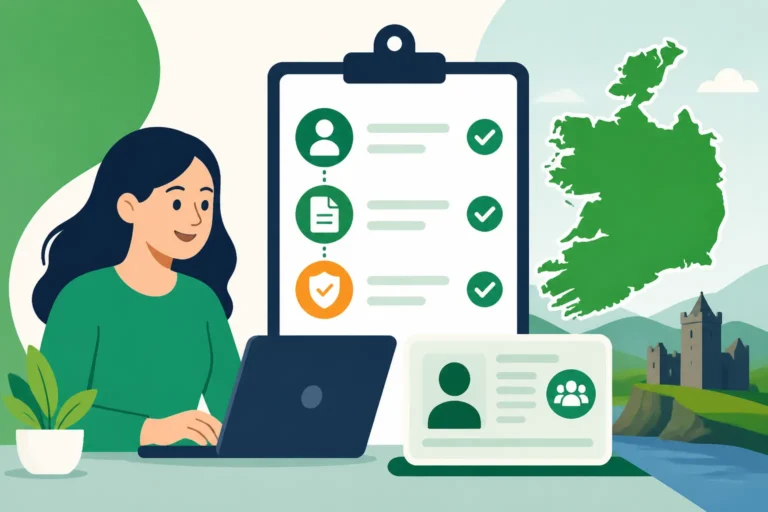
Remember that documentation maze I talked about? With Revolut, it’s often a breeze. You simply download the app, provide some personal details, and verify your identity using your passport or national ID card – usually just a quick selfie and a scan of your document. In many cases, you don't even need traditional proof of address to open the account, though you may need it for certain features or higher limits later on. They often accept things like a letter from your employer or even a tax document once you're settled. This low barrier to entry means you can often have a functioning account with a virtual card in just a few minutes, allowing you to link it to Apple Pay or Google Pay and start spending almost immediately.
Once verified, you'll get an Irish IBAN, which is crucial for receiving your salary from an Irish employer and setting up direct debits for things like rent and utilities. This simple, swift process is a major relief when you're fresh off the plane and need to hit the ground running. It makes getting a foundational financial tool in Ireland incredibly easy, sidestepping much of the traditional bureaucracy.
Key Features and Benefits for Daily Life
Revolut is packed with features that are incredibly useful for daily life in Ireland and for managing international finances. Here are just a few:
- Multi-Currency Accounts: Hold and exchange money in dozens of currencies at interbank rates, which is fantastic for those still managing funds from their home country or traveling frequently.
- Instant Spending Notifications: Get a ping on your phone every time you spend, helping you keep track of your budget in real-time.
- Budgeting and Analytics: The app provides detailed breakdowns of your spending, categorised and easy to understand, making it much easier to manage your finances in a new country where costs might be different.
- Savings Vaults: Set aside money for specific goals, like a trip home or a new apartment, and even earn interest on some plans.
- Irish IBAN: Essential for local transactions, receiving your salary, and setting up direct debits for bills.
- Disposable Virtual Cards: For online shopping, these add an extra layer of security, generating a new card number after each transaction.
I've personally used Revolut for everything from splitting restaurant bills with friends to paying for flights and easily converting currencies for online purchases. It's incredibly versatile and genuinely simplifies financial management.
Understanding Different Account Tiers and Fees
Revolut offers a range of account tiers, from the free Standard account to paid Premium and Metal options, each with increasing benefits and features.
- Standard (Free): Offers basic banking, free EUR/GBP transfers, free ATM withdrawals up to a certain limit (currently €200 or 5 withdrawals per rolling month, after which a fee applies), and excellent exchange rates during weekdays.
- Plus (Paid Monthly): Adds perks like purchase protection, ticket cancellation insurance, and higher limits for free ATM withdrawals (€200-€300 depending on region), plus priority customer support.
- Premium (Paid Monthly): Includes all Plus benefits, higher free ATM withdrawal limits (€400), travel insurance, discounted lounge access, and unlimited foreign exchange at interbank rates.
- Metal (Paid Monthly): The top tier, with all Premium benefits, even higher free ATM withdrawals (€800), cashback on spending, and a sleek metal card.
It’s important to review the latest fee schedule, as these can change. For example, while foreign exchange during weekdays is typically free, a small markup might apply on weekends. The main thing to watch out for is ATM withdrawal limits and fees, especially if you're a heavy cash user, and the foreign exchange weekend surcharge. For general everyday use and occasional international transfers, the Standard plan is often more than sufficient for many expats, but if you travel a lot or want more comprehensive insurance, the paid tiers can offer good value.
Navigating N26 in the Irish Market
N26 is another strong contender in the digital banking space, offering a similar mobile-first experience that has resonated with many expats across Europe, including here in Ireland. While sharing many similarities with Revolut, N26 also has its own unique flavour and set of benefits that might appeal to different users.
Setting Up Your N26 Account
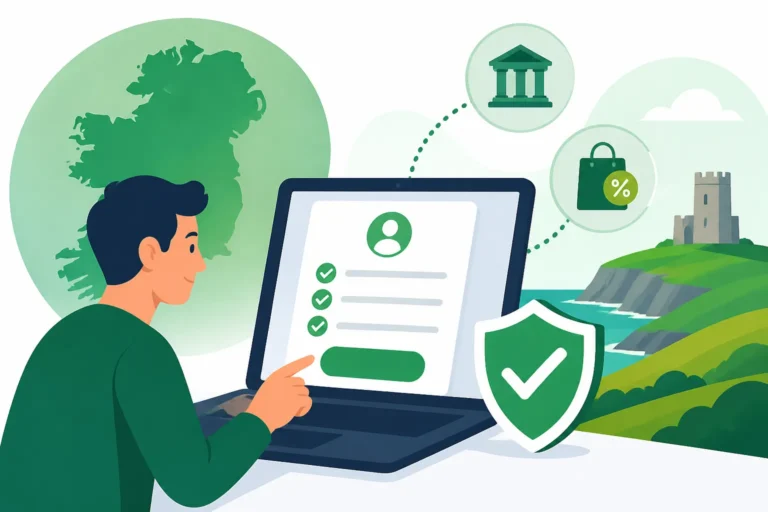
Much like Revolut, N26 prides itself on a quick and hassle-free account setup. You download the N26 app, register with your email, and verify your identity through a video call with one of their agents, or by uploading photos of your ID document and a selfie. This typically takes just a few minutes, provided you have a stable internet connection and good lighting. Once verified, you'll receive your account details, including an Irish IBAN (starting with IE), and your physical debit Mastercard will be dispatched to your Irish address.
The key here, again, is the absence of the traditional paper trail. N26 understands that newcomers might not have an established credit history or a pile of utility bills, making it an accessible option for those still finding their feet in Ireland. This streamlined digital process allows you to get an account quickly and efficiently, paving the way for easier financial integration into your new life. If you're comparing options, our guide on How to Choose the Best Bank for Expats in Ireland provides a comprehensive overview.
Core Offerings and Advantages
N26 offers a robust set of features designed to make banking simple and intuitive:
- Full European Bank Licence: Unlike some e-money institutions, N26 operates under a full European banking licence, meaning your deposits are protected by the German Deposit Guarantee Scheme up to €100,000, offering an extra layer of peace of mind.
- Irish IBAN: Essential for managing local payments, receiving salaries, and setting up direct debits.
- Spending Insights: The app categorises your transactions automatically, giving you clear insights into where your money is going.
- Spaces (Sub-Accounts): Similar to Revolut's vaults, N26's "Spaces" allow you to create separate sub-accounts for different savings goals, helping you budget and save more effectively.
- Free Euro Transfers: Send and receive Euro payments at no cost.
- Virtual Card: Get access to a virtual card immediately after account setup for online purchases and digital wallet integration.
N26 is often praised for its clean interface and strong focus on security. I've found their budgeting features particularly helpful for getting a handle on my expenses when adapting to the cost of living here.
Comparing N26 Plans and Costs
N26 also operates on a tiered subscription model, catering to different financial needs and offering varying levels of features:
- N26 Standard (Free): This is the basic current account offering, including a virtual Mastercard, an Irish IBAN, free Euro transfers, and free ATM withdrawals up to 3-5 times a month within the Eurozone (depending on your country of residence and age; additional withdrawals incur a fee). There's no fee for spending in foreign currencies, but a 1.7% fee applies to ATM withdrawals outside the Eurozone.
- N26 Smart (Paid Monthly): This tier includes all Standard features plus additional budgeting tools, dedicated phone support, and up to 10 "Spaces" for savings goals. You also get a physical Mastercard in one of five colours.
- N26 You (Paid Monthly): Designed for travellers, this plan offers all Smart features, plus comprehensive travel insurance (including medical emergencies, flight and luggage delays), no foreign transaction fees on purchases, and 5 free foreign currency ATM withdrawals per month.
- N26 Metal (Paid Monthly): The premium offering, including all You features, an exclusive metal Mastercard, phone support, and a higher number of free foreign currency ATM withdrawals.
When choosing an N26 plan, consider how often you travel, your need for insurance, and how frequently you'll be using ATMs outside the Eurozone. For most expats, the free Standard account is an excellent starting point, providing all the essential features for living and working in Ireland without monthly fees. Like Revolut, it’s always wise to check their most current terms and conditions for exact fee structures.
Beyond Revolut and N26: Other Digital Options and Money Transfer Services
While Revolut and N26 dominate the digital banking scene in Ireland for expats, they're not the only players. The financial technology (FinTech) world is constantly evolving, offering more choices, and it's also important to consider specialized money transfer services that complement your digital bank account.
Other Digital Banks with an Irish Presence
While not as widely adopted as Revolut or N26 in Ireland, other digital-first options can occasionally appear or cater to niche needs. For instance, Monese is another digital bank that has gained traction, particularly for those who might struggle with proof of address even with Revolut or N26, offering accounts that can be opened with just a passport and sometimes requiring less stringent address verification. It also offers multi-currency accounts and aims to serve a truly global customer base.
Other services might offer similar features, but it's crucial to verify their regulatory status and whether they provide an Irish IBAN, which is essential for smooth financial integration in Ireland. Always check if the service is a licensed bank or an e-money institution and what level of deposit protection they offer. The landscape changes quickly, so a quick online search for "digital banks Ireland" can sometimes reveal new entrants or services expanding their offerings.
The Role of International Money Transfer Services
While digital banks like Revolut and N26 often boast excellent exchange rates for international transfers, dedicated money transfer services like Wise (formerly TransferWise) still play a vital role, especially for larger transfers or specific currency corridors. Wise specialises in moving money across borders at the real mid-market exchange rate, with transparent, low fees.
For expats who need to transfer a lump sum from their home country to Ireland, or vice-versa, Wise can often be more cost-effective than using a traditional bank or even some digital bank features, particularly for certain currencies or amounts. I've used Wise countless times to send money home, and the speed and transparency are incredibly reassuring. They also offer a multi-currency account with local bank details for several countries, which can be useful if you're maintaining financial ties elsewhere. Understanding How to Transfer Money Into and Out of Ireland as an Expat is key, and Wise is frequently a part of that solution.
Hybrid Solutions and Prepaid Cards
Some expats opt for a hybrid approach: using a digital bank for day-to-day spending and quick transfers, while maintaining a traditional Irish bank account for specific needs, such as mortgages (though some digital banks are moving into this space), or simply because their employer requires it for salary payments (less common now, but still happens). This allows you to leverage the best of both worlds – the agility and international focus of digital banks and the perceived stability and comprehensive services of traditional institutions.
Prepaid cards are another option, though less common for full-time residents. They allow you to load funds onto a card and spend only what you’ve put on it, acting as a budgeting tool or a safe option for travel. While not a replacement for a full bank account, they can be useful for specific situations or as a temporary measure when you first arrive. Ultimately, the best setup depends on your personal financial habits and how integrated you need to be with the Irish financial system right away.
The Practicalities: Pros, Cons, and Things to Consider
Choosing a banking solution in a new country isn't just about picking the first easy option. It's about understanding how it fits into your broader financial life. Digital banks offer immense convenience, but like everything, they come with their own set of advantages and limitations.
Advantages of Digital Banking for Expats
The benefits for expats in Ireland are numerous and often game-changing:
- Ease and Speed of Setup: This is probably the biggest selling point. Getting an account with an Irish IBAN can take minutes, not weeks, easing one of the most significant initial hurdles for newcomers. No more chasing down obscure documents or waiting for appointments.
- Lower Fees (Often Zero for Basic Accounts): Many digital banks offer free standard accounts, with no monthly maintenance fees that traditional banks often charge. International transfers and currency exchanges also tend to be cheaper, making them ideal for managing money across borders.
- Excellent Exchange Rates: For those sending money home or travelling, the near interbank exchange rates offered by Revolut and N26 can save you a significant amount compared to the mark-ups of traditional banks.
- User-Friendly Mobile Apps: Designed for intuitive use, these apps provide real-time transaction alerts, budgeting tools, and easy management of your funds, all from your smartphone.
- International Functionality: Built with a global mindset, they cater perfectly to expats who are often dealing with multiple currencies and international payments.
- Modern Features: From disposable virtual cards for online security to spending analytics and savings vaults, digital banks are at the forefront of financial technology.
For anyone who’s had to open an Irish bank account without an address or struggled with getting a PPS Number, the ease of digital banking is a breath of fresh air.
Potential Drawbacks and Limitations
It's not all sunshine and rainbows, though. Digital banking has some limitations you should be aware of:
- No Physical Branches: While this is their strength, it can also be a weakness. If you prefer face-to-face interaction, need to deposit large amounts of cash regularly, or require complex financial advice, digital banks might fall short.
- Cash Deposits and Withdrawals: While you can withdraw cash from ATMs (subject to limits and fees), depositing cash can be trickier. Revolut, for example, has limited options for cash deposits in Ireland, sometimes via Paysafecard or specific third-party providers. N26 used to offer cash deposits in Germany and Austria but doesn't have a similar widespread solution in Ireland.
- Limited Financial Products: Digital banks often focus on current accounts, debit cards, and basic savings. They typically don't offer mortgages, complex investment products, or extensive loan portfolios that traditional banks might.
- Customer Service: While often responsive via in-app chat, this might not suit everyone. For complex issues, speaking to someone directly can be preferred, and phone support might be reserved for premium tiers.
- Dependence on Your Smartphone: If your phone is lost, stolen, or runs out of battery, accessing your money can become a challenge. Always have a backup plan, like a secondary card or some emergency cash.
These points are worth considering if you’re planning to fully rely on a digital bank for all your financial needs.
Security and Regulation: Are Your Funds Safe?
This is a big one, and it's completely understandable to be concerned about the security of your money with a purely digital institution. Both Revolut and N26 are highly regulated, but their specific regulatory status in Ireland differs slightly.
N26 operates under a full German banking licence, supervised by the European Central Bank and the German financial regulator (BaFin). This means your deposits are protected up to €100,000 by the German Deposit Guarantee Scheme, just as they would be with a traditional bank in Ireland. This provides a strong level of reassurance.
Revolut operates under an e-money licence in Ireland (Revolut Bank UAB). While it holds a full banking license in Lithuania and some other EU countries, its primary operation for Irish customers has been as an e-money institution for some time, with its Irish entity, Revolut Bank UAB, holding a specialised banking license. This means your funds are "safeguarded" – held in segregated accounts at major banks – rather than protected by a deposit guarantee scheme in the same way a full bank licence would. However, Revolut has expanded its banking licence to Ireland in late 2021/early 2022, offering full banking services to Irish customers, meaning deposits are protected by the Lithuanian Deposit Guarantee Scheme up to €100,000. It's always a good idea to check the very latest information directly on their website as these things can evolve.
Both companies employ advanced security features like two-factor authentication, biometric logins, and instant card freezing/unfreezing via the app. For daily transactions, they are generally considered very secure. The choice often comes down to personal preference regarding features and the specific regulatory comfort level.
Integrating Digital Banks with Your Financial Life
So, how do these digital banks fit into your broader financial picture in Ireland? For most expats, they serve as an excellent primary or secondary current account. You can have your salary paid into your Revolut or N26 account using its Irish IBAN. This is also what you'll use to set up direct debits for rent, utility bills from providers like Electric Ireland or Bord Gáis Energy, and mobile phone contracts.
When it comes to taxes, while digital banks make everyday spending and international transfers easier, they don't replace your need to understand the Irish tax system. Whether you're using a traditional or digital bank, you'll still need to Register for Tax and Get a PPS Number in Ireland and understand how to manage your income tax, PRSI, and USC deductions. Services like Taxes for Expats can help navigate the complexities of filing returns, especially if you have foreign income. Your bank statements from Revolut or N26 can be used as part of your financial records when it comes to filing your income tax return (Form 11 or Form 12) with Revenue, which is something you'll need to do if you have multiple income streams or are self-employed. It's all about ensuring your money flows smoothly, both for spending and for meeting your obligations here.
| Feature | Revolut (Standard) | N26 (Standard) | Traditional Irish Bank (e.g., AIB/BOI) |
|---|---|---|---|
| Account Opening | Fast (minutes), minimal documents | Fast (minutes), video verification | Slow (days/weeks), extensive POA |
| IBAN | Irish (IE) | Irish (IE) | Irish (IE) |
| Physical Branch | No | No | Yes |
| Monthly Fees | €0 | €0 | Often €0-€6 (may be waived with activity) |
| ATM Withdrawals | Free up to €200/month (fee after) | Free 3-5/month in Eurozone (fee after) | Free at own bank ATMs (fees elsewhere) |
| Currency Exchange | Interbank rate (weekdays) | Interbank rate (no fee for spending, ATM fee applies outside EZ) | Mark-up on interbank rate |
| International Transfers | Low/transparent fees | Free Euro transfers, 1.7% non-EZ ATM fee | Higher fees, less transparent |
| Deposit Protection | Lithuanian DGS up to €100k | German DGS up to €100k | Irish DGS up to €100k |
| Customer Support | In-app chat, AI | In-app chat, email | Phone, branch, online |
| Budgeting Tools | Yes | Yes | Limited/Basic |
| Virtual Card | Yes | Yes | Sometimes (limited) |
Note: Information is subject to change. Always check the official websites for the most up-to-date terms and conditions.
Disclaimer
The information provided in this guide is for general informational purposes only and does not constitute financial, legal, or professional advice. While we strive to keep the information accurate and up-to-date, banking services, fees, and regulations in Ireland can change. Always consult with the respective bank or financial institution directly for the most current and specific details relevant to your situation. Neither the author nor the publisher assumes any responsibility for any loss or damage incurred as a result of using this information.