How to Transfer Money Into and Out of Ireland as an Expat
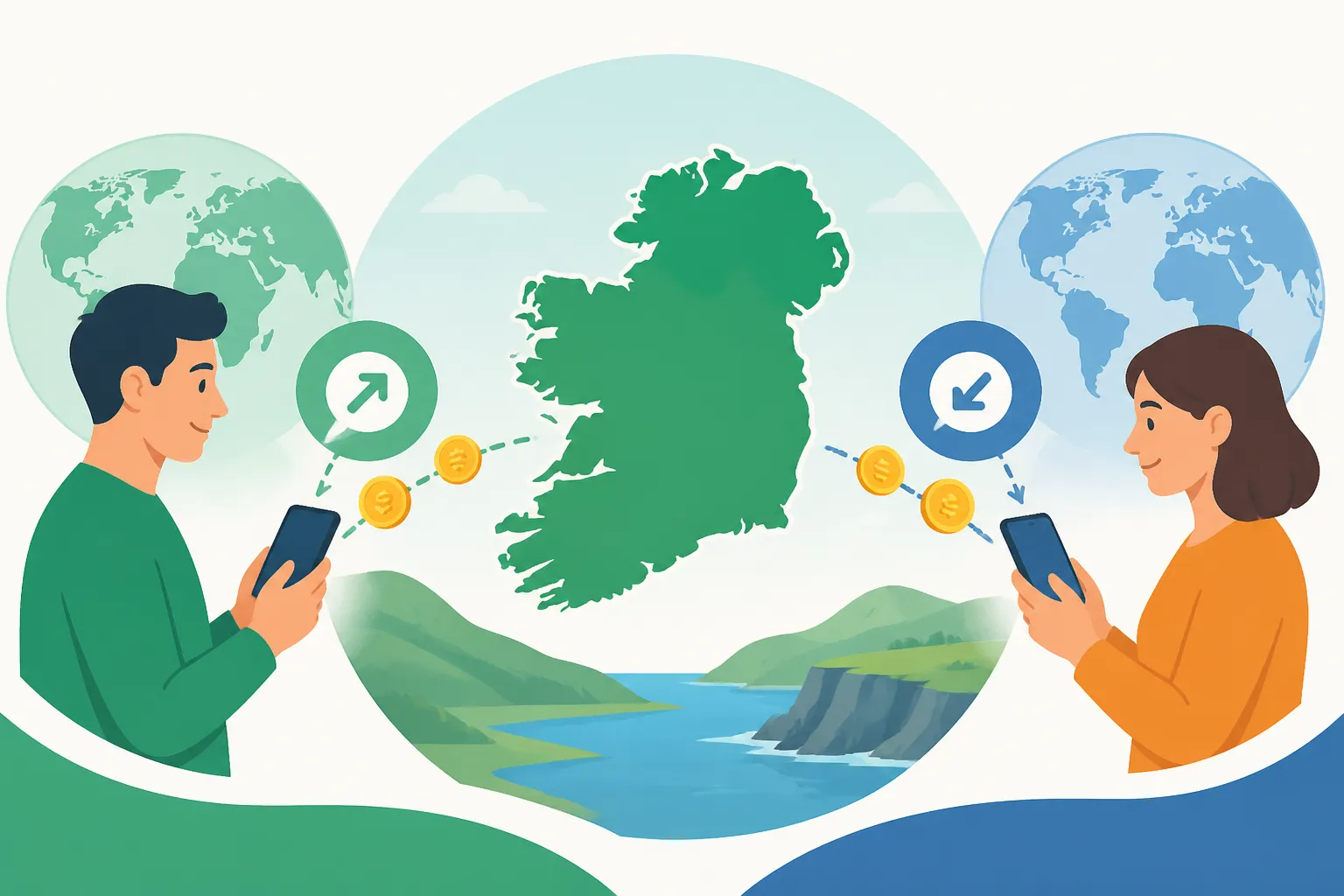
One of the trickiest things about settling into life in Ireland, beyond finding a decent rental or navigating the utterly charming but often confusing public transport, is figuring out how to manage your money across borders. Many of us arrive with funds in our home currency, needing to convert them to Euro for daily life, or perhaps you're sending money back home to family or investing abroad. It can feel like walking through a minefield of exchange rates, hidden fees, and frustrating bank delays. This guide is here to demystify the process of transferring money into and out of Ireland, offering practical, expat-tested advice to help you keep more of your hard-earned cash.
Understanding Currency Exchange in Ireland: The Expat Reality
When you first arrive in Ireland, the sheer reality of currency conversion hits you quickly. Whether you're paying for your first month's rent, setting up utilities, or just buying groceries, those numbers in your home currency suddenly look very different in Euro. It's not just about the fluctuating exchange rate; it’s also about the mechanisms and costs involved in actually moving your funds. Many expats initially stick with what they know – their home country bank or their new Irish bank – only to discover a labyrinth of charges and less-than-favourable exchange rates that can eat into their savings.
The Initial Shock of Exchange Rates
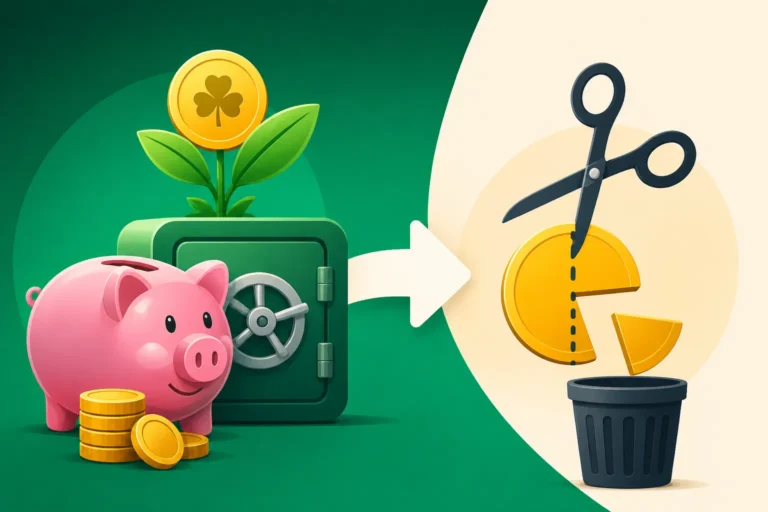
You might check the mid-market rate on Google and think you know exactly how much your dollars, pounds, or yen are worth in Euro. Then you go to actually make a transfer, and the numbers don’t quite add up. That discrepancy is often the bank’s profit margin, embedded in a slightly worse exchange rate than the one you saw online. It’s a common frustration, and one that traditional banks are notorious for. For instance, if you're trying to send a large sum, say to cover a deposit on a house, a difference of even a few cents per Euro can translate to hundreds, if not thousands, of Euro lost in the exchange.
Imagine you're moving €50,000 from USD to EUR. If the mid-market rate is 1 USD = 0.92 EUR, you'd expect €46,000. However, your bank might offer you 1 USD = 0.90 EUR, resulting in only €45,000. That €1,000 difference can be a significant chunk of your moving budget. This is why understanding the real exchange rate you're being offered is paramount. Always compare it to the mid-market rate, which is the true value of the currency on the global market.
Why Fees Aren't Always Obvious
Beyond the exchange rate, there are often explicit fees. These can come in various forms: a flat fee per transaction, a percentage of the amount transferred, or even correspondent bank fees if the money has to pass through multiple institutions. Sometimes, your sending bank will charge a fee, and then your receiving bank will charge another. It's a double whammy, and it’s especially irritating when you're caught unaware.
This can be particularly frustrating when you're trying to send money for time-sensitive payments, like rent or a mortgage. You calculate the amount, factor in what you think are all the fees, only to find the recipient has received less than expected, leaving you scrambling to make up the difference. This scenario is a tale as old as time for expats. It’s why it's so important to dig into the fee structure of any service you're considering and to ask very direct questions about all potential costs involved, from both the sending and receiving ends.
Traditional Banks vs. Online Money Transfer Services
The landscape of moving money across borders has shifted dramatically in recent years. Gone are the days when traditional high street banks were your only option. Now, a plethora of online money transfer services offers a compelling alternative, each with its own advantages and disadvantages. As an expat, choosing the right method can save you significant time and money.
The Traditional Bank Approach: Familiarity and Cost
When you open an account at an Irish bank like AIB or Bank of Ireland, your first instinct might be to use them for international transfers, especially if you already have an account with a major bank in your home country. On the surface, it feels secure and straightforward. You're dealing with established institutions, and there's a certain comfort in that familiarity.
However, this comfort often comes at a cost. Traditional banks typically offer less competitive exchange rates compared to specialist online services, and they often charge higher transfer fees. These fees might be fixed or a percentage of the amount, and sometimes hidden charges can appear, like intermediary bank fees. For instance, a transfer from a US bank to an Irish bank might incur a fee from the US bank, an additional fee from an intermediary bank if it's not a direct transfer, and then potentially a receiving fee from the Irish bank. This can quickly add up, especially for larger sums. While they offer robust security and often personal assistance for complex transactions, the slower processing times – sometimes several business days for international transfers – can also be a significant drawback if you're on a tight schedule. For a deeper dive into banking in Ireland, you might find this guide helpful: The Expat Guide to Opening a Bank Account in Ireland.
The Rise of Digital Transfer Services: Speed and Savings
The advent of dedicated online money transfer services has revolutionised international banking for expats. Companies like Wise (formerly TransferWise) and Revolut have built their models around transparency, lower fees, and better exchange rates, often using the mid-market rate and charging a small, upfront fee. They leverage technology to streamline the transfer process, cutting out many of the intermediary costs associated with traditional bank transfers.
These services are typically much faster, with many transfers arriving within hours, or even minutes, depending on the currencies and receiving methods. For instance, sending money through Wise often means you see the exact amount your recipient will receive before you even confirm the transfer, and their exchange rates are consistently among the best available. This transparency is a breath of fresh air for expats who are tired of hidden costs. They are regulated entities, often by financial authorities in multiple jurisdictions, providing a high level of security. They also tend to have user-friendly apps and online platforms, making it incredibly convenient to manage transfers from your phone, wherever you are. This convenience is crucial when you're trying to navigate life in a new country. You can learn more about digital banking options here: How to Use Revolut, N26 and Digital Banks in Ireland.
Hybrid Approaches and Lesser-Known Options
Beyond the two main categories, there are other methods to consider, especially for niche situations. Some people still opt for international wire transfers (SWIFT), which are reliable but often carry similar disadvantages to traditional bank transfers in terms of cost and speed. Others might look into using international cheques, although these are notoriously slow and often incur significant fees for both issuing and cashing. For very small, frequent transfers, some digital wallets or peer-to-peer payment apps might offer competitive rates, but they often have lower limits and might not be suitable for larger sums.
It’s also worth considering multi-currency accounts offered by some challenger banks or specialist services. These accounts allow you to hold funds in different currencies, making it easier to receive money in, say, USD, and then convert it to EUR only when the exchange rate is favourable, or vice-versa. This can be particularly useful if you have income or significant assets in multiple currencies. For someone looking to manage finances across different regions, having an option like a multi-currency account can provide flexibility that traditional single-currency accounts simply can't match.
| Feature | Traditional Banks (e.g., AIB, Bank of Ireland) | Online Transfer Services (e.g., Wise, Revolut) |
|---|---|---|
| Exchange Rate | Often less competitive, with hidden mark-ups | Usually mid-market rate, transparent mark-up |
| Fees | Higher flat fees, percentage fees, intermediary fees | Lower, transparent upfront fees, often percentage-based |
| Speed | 1-5 business days, sometimes longer | Same-day to 2 business days, often faster |
| Transparency | Fees and rates can be opaque | Clear breakdown of costs and rates upfront |
| Security | Highly regulated, robust security | Regulated, strong digital security features |
| Convenience | Branch access, online banking portal | User-friendly apps and web platforms, 24/7 access |
| Ideal For | Large, less frequent transfers; those preferring traditional services | Frequent transfers, cost-conscious users, fast transfers |
Key Factors to Consider When Transferring Money
Making an international money transfer isn't just about picking a service and clicking 'send'. There are several critical factors that can significantly impact how much money actually arrives at its destination, how quickly it gets there, and the overall security of your transaction. Overlooking these details can lead to unexpected costs and stress, a common expat headache.
Exchange Rates and Hidden Fees: The Real Cost
As discussed, the exchange rate is arguably the most crucial factor in determining the actual cost of your transfer. Always compare the rate offered by your chosen service against the mid-market rate (the rate you see on Google or Reuters). The difference between these two is the provider's margin, and it can vary wildly. A service might advertise "zero fees," but then give you a terrible exchange rate, effectively hiding their profit within the conversion. This is a tactic many traditional banks employ, making it seem cheaper than it actually is.
Beyond the exchange rate, scrutinise all fees. These might include:
- Transfer Fees: A flat fee or a percentage of the amount being sent.
- Recipient Fees: Some banks or services charge the recipient to receive international funds.
- Intermediary/Correspondent Bank Fees: For transfers involving multiple banks, especially with SWIFT transfers, additional fees can be deducted en route.
- Cancellation/Investigation Fees: Charges if you need to cancel a transfer or investigate a lost one.
Always ask for a complete breakdown of all costs involved before initiating a transfer. A good practice is to do a dummy transfer calculation with a few different services to see which one delivers the most Euro for your sending currency. This approach helps to unveil any hidden charges that might not be immediately obvious.
Transfer Limits and Speed: Getting Your Money When You Need It
Different services have different limits on how much you can send in a single transaction or over a specific period (daily, weekly, monthly). If you're planning a large transfer, like buying property or moving a substantial portion of your savings, ensure your chosen method can accommodate it. Some services might require additional verification for very large sums, which can add to the processing time.
The speed of a transfer is also critical, particularly for urgent payments. While some online services boast near-instant transfers, others can take several business days. Factors influencing speed include:
- Currencies Involved: Transfers between major currencies (e.g., USD to EUR, GBP to EUR) are often faster.
- Sending and Receiving Countries: Regulatory differences or banking holidays can impact speed.
- Payment Method: Paying via bank transfer might be slower than using a debit or credit card, though card payments often incur higher fees.
- Verification Requirements: First-time transfers or large amounts might require additional identity verification, delaying the process.
Always check the estimated delivery time frame before committing to a transfer, and factor in potential delays, especially around public holidays in either the sending or receiving country. It's always better to send money a day or two earlier than strictly necessary, just to be safe.
Security and Regulation: Protecting Your Funds
Your money's security should always be a top priority. Ensure that any service you use is properly regulated by relevant financial authorities. In Ireland, the Central Bank of Ireland oversees financial service providers, but many international transfer services are regulated in multiple jurisdictions (e.g., by the FCA in the UK, FinCEN in the US, or other European bodies). This regulation provides a layer of protection, meaning they adhere to strict rules designed to safeguard customer funds.
Look for services that use robust encryption for online transactions and secure identity verification processes (like two-factor authentication). Read reviews from other users, particularly those with similar transfer needs. While no system is entirely foolproof, choosing a reputable and well-regulated provider significantly reduces your risk. This is particularly important for expats, who might be dealing with larger sums as they relocate or manage investments across borders. Remember, while a new service might offer a tempting exchange rate, always prioritise the security and reliability of your funds.
Step-by-Step Guide to Sending Money to Ireland
The process of sending money to Ireland as an expat can seem daunting at first, especially with the different providers and requirements. However, once you break it down, it's quite manageable. Here’s a general step-by-step guide to help you navigate the process.
Choosing Your Transfer Method
Before you do anything, you need to decide how you're going to send your money. As we've discussed, your main options are traditional banks or online money transfer services.
- Traditional Banks: If you prefer using your existing bank in your home country, contact them to inquire about their international transfer services. You'll likely need to do this in person, by phone, or through their online banking portal. Be prepared for potentially higher fees and less favourable exchange rates. For large, one-off transfers where you value established trust and don't mind the cost, this might still be an option.
- Online Money Transfer Services: For most expats, services like Wise, Revolut, or Remitly offer a more cost-effective and efficient solution. These services are designed for international transfers and typically provide better exchange rates and lower fees. They often have intuitive mobile apps or websites that make the process very straightforward. For instance, Wise allows you to send money from numerous currencies directly to Euro accounts, often with very transparent fees.
Do your homework: compare exchange rates, transfer fees, and estimated delivery times across a few different providers for your specific currencies and amount. Remember to also consider "How Much Does It Cost to Transfer Money to Ireland?" as part of your research.
Gathering Necessary Information
Once you’ve chosen your method, you’ll need to collect all the necessary details for the transfer. Accuracy here is crucial to avoid delays or, worse, funds going to the wrong account.
- Recipient's Bank Details:
- Full Name of Account Holder: This must match the name on the bank account exactly.
- IBAN (International Bank Account Number): This is a unique identifier for the recipient's bank account in Ireland, typically 22 characters long (e.g., IE64AIBK93115212345678).
- BIC (Bank Identifier Code) or SWIFT Code: This identifies the recipient's bank itself (e.g., AIBKIE2D for AIB, BOFIIE2D for Bank of Ireland).
- Bank Name and Address: While often derived from the BIC/SWIFT, it's good to have it on hand.
- Your Identification: For regulatory purposes (Anti-Money Laundering – AML and Know Your Customer – KYC), you'll likely need to verify your identity. This usually involves providing:
- Proof of Identity: A valid passport or national ID card.
- Proof of Address: A utility bill or bank statement (from the last 3 months).
- For larger sums or first-time transfers, some services might ask for additional documentation regarding the source of funds.
Have these documents ready, especially for online services, as you might need to upload images of them during registration or for specific transfers.
Initiating the Transfer
With your method chosen and information gathered, you can now initiate the transfer.
- Log In/Sign Up: If using an online service, you’ll need to create an account. For traditional banks, log into your online banking or visit a branch.
- Select Currencies and Amount: Specify the currency you're sending from and the Euro amount you want the recipient to receive (or the amount you're sending from your source currency). The system will usually show you the exchange rate and total fees, and the exact amount the recipient will get.
- Enter Recipient Details: Carefully input the recipient's IBAN, BIC/SWIFT, and full name. Double-check everything for typos. A single incorrect digit can cause significant issues.
- Choose Payment Method: Select how you want to pay for the transfer. Common options include:
- Bank Transfer (EFT): You initiate a transfer from your bank account to the transfer service's local account. This is often the cheapest option but can be slower.
- Debit/Credit Card: Generally faster, but often comes with higher fees due to card processing charges.
- Direct Debit: Some services offer this for recurring payments.
- Review and Confirm: Before finalising, review all the details one last time: sender details, recipient details, amount, exchange rate, and fees. Once you're satisfied, confirm the transfer.
- Tracking: Most services will provide a transaction reference number or a tracking link. You'll typically receive email updates on the status of your transfer, letting you know when it's been sent, is in transit, and has been delivered.
Following these steps meticulously will help ensure your money reaches its destination in Ireland smoothly and efficiently, allowing you to focus on other aspects of your expat life.
Sending Money Out of Ireland: Considerations for Expats
Just as important as bringing money into Ireland is the ability to send it back out, whether that's to family, investments, or other financial commitments in your home country or elsewhere. The process shares many similarities with inbound transfers but also has its own unique considerations, particularly around tax and the choice of service.
Transferring Funds to Your Home Country
Many expats regularly send money back home for various reasons: supporting family, paying off mortgages or loans, or maintaining investments. When sending funds from your Irish bank account, you'll again face the choice between your Irish bank and online money transfer services.
Irish banks like AIB and Bank of Ireland will facilitate international transfers directly from your account. You'll typically need the recipient's full name, bank name, account number, and SWIFT/BIC code, and potentially their IBAN if it's within the SEPA zone or a country using IBANs. Be mindful of their exchange rates and transfer fees, which can be less competitive than online alternatives. For example, if you're trying to send funds back to the US, the exchange rate offered by an Irish bank might be notably poorer than what you could get from a specialist service.
Online platforms like Wise and Revolut are often the preferred choice for sending money out of Ireland. They generally offer more transparent fee structures and better exchange rates, ensuring more of your Euro converts to your desired foreign currency. Their platforms also make it easy to set up recurring payments, which can be invaluable for regular contributions back home. For instance, if you're sending a monthly allowance to your parents, setting it up through Wise can ensure they receive a predictable amount each time, without you having to constantly recalculate and manually initiate. Another helpful resource for general banking advice in Ireland is Banking in Ireland: A Complete Guide for Foreigners.
International Investments and Diversification
Beyond family support, many expats use international transfers to manage global investment portfolios. You might want to invest in stocks, property, or other assets in your home country or in another jurisdiction. This often requires larger, less frequent transfers, where exchange rates and fees can have a significant impact on your overall returns.
When dealing with investment transfers, look for services that specialise in larger sums and potentially offer more favourable rates for high-volume transactions. Some investment platforms might also have their own integrated currency exchange services, but always compare these to independent providers. Ensure the service you choose has robust security measures, as these transfers are often substantial. Moreover, be aware of any reporting requirements from your investment institution, particularly if funds are coming from or going to accounts that are not in your name. For guidance on how to manage your financial assets across different countries, you might want to consider "Can I Keep My Foreign Bank Account After Moving to Ireland?" or "Can I Hold Investments Abroad While Living in Ireland?".
Navigating Tax Implications for Money Transfers
One often-overlooked aspect of moving money internationally, especially large sums or regular transfers, is the tax implications. While merely transferring your own money from one account to another in different countries typically doesn't trigger income tax, there are situations where it can become relevant.
For instance, if you're sending money as a gift, both the sending and receiving countries might have gift tax rules. In Ireland, Capital Acquisitions Tax (CAT) can apply to gifts or inheritances received, although there are generous thresholds and exemptions, particularly for gifts between spouses. If you're sending money for a business transaction or as payment for services, then income tax, VAT, or other business taxes could apply in either jurisdiction.
It's crucial to distinguish between transferring your existing capital and transferring income. If you're transferring foreign income that you've earned while resident in Ireland, that income may be subject to Irish income tax, even if it's held abroad. Ireland's tax residency rules, particularly the concept of 'ordinary residence' and 'domicile' for non-domiciled individuals, can affect how your foreign-sourced income is taxed. This is where specialist advice becomes invaluable. Companies like Taxes for Expats can provide guidance on these complex situations, helping you understand your obligations in both Ireland and your home country. Keeping accurate records of all large transfers, including the source and purpose of the funds, is always a good idea in case Revenue (Ireland's tax authority) ever has questions. You can find more information on this topic in our detailed guide on How to File Taxes If You Have Both Foreign and Irish Income.
Protecting Yourself Against Fraud and Scams
Moving money, especially across international borders, unfortunately, attracts those with nefarious intentions. As an expat, you might be particularly vulnerable if you're unfamiliar with local practices or feeling pressure in a new environment. Protecting your funds from fraud and scams is paramount.
Recognising Common Scams
Scammers are constantly evolving their tactics, but many common scams involve exploiting trust or urgency. Be highly suspicious of any unsolicited requests for money, especially if they involve international transfers. Common scenarios include:
- Romance Scams: Scammers build emotional relationships online, then invent crises requiring urgent financial help.
- Lottery or Inheritance Scams: You're told you've won a huge sum or inherited money, but need to pay "fees" or "taxes" upfront to release the funds.
- Rental Scams: You might be asked to transfer a deposit for a rental property you haven't seen in person or for which the landlord seems suspiciously eager for an immediate transfer. Always view a property and meet the agent/landlord if possible. Never transfer money for a rental without a signed tenancy agreement and confirmation of the landlord's identity and ownership.
- Emergency Scams: A scammer impersonates a family member or friend in distress, claiming to need money immediately for an emergency (e.g., arrest, hospitalisation). Always verify such requests through a separate, trusted contact method (e.g., calling them directly on a known number).
- Investment Scams: Promises of unusually high returns with little to no risk. These often involve complex, opaque investment schemes that are designed to disappear with your money.
The golden rule is: if it sounds too good to be true, it almost certainly is. And if someone is pressuring you to transfer money quickly, especially through an unfamiliar method, that's a massive red flag.
Best Practices for Secure Transfers
To mitigate the risk of becoming a victim of fraud, adopt these best practices:
- Use Reputable Services: Stick to well-known, regulated financial institutions and money transfer services. Avoid any service that seems obscure or has no verifiable regulatory information. Check reviews and look for official registrations.
- Verify Recipient Details: Double, triple, and quadruple-check all recipient information, especially IBANs and BIC/SWIFT codes. A single digit error can send your money to the wrong account, and recovering it can be incredibly difficult, if not impossible. For first-time recipients, consider sending a small test amount first.
- Confirm Requests Independently: If you receive a request for money, even from someone you know, always verify it through an independent method. Call them on a known number, or if it's a business, contact them using official contact details from their website, not just the details provided in an email. Be wary of emails that request changes to bank details, even if they appear to be from a known sender.
- Beware of Phishing: Be vigilant against phishing emails or texts that impersonate banks or transfer services. Never click on suspicious links, download attachments from unknown sources, or enter your login credentials on sites you haven't directly navigated to.
- Secure Your Devices: Use strong, unique passwords for all your online accounts, enable two-factor authentication (2FA) wherever possible, and keep your computer and mobile devices updated with the latest security software.
- Trust Your Gut: If something feels off, it probably is. Don't let anyone rush or pressure you into making a transfer. Take your time, do your research, and if you have any doubts, seek advice from a trusted friend, family member, or financial advisor.
By being informed and cautious, you can significantly reduce your risk of falling victim to scams and ensure your money transfers are secure, allowing you to manage your finances in Ireland with greater peace of mind.
Final Thoughts for Expats on Money Transfers
Navigating international money transfers is a crucial part of expat life in Ireland, and it's something many of us learn through trial and error, often at the cost of hard-earned money. From the initial bewilderment of converting your life savings into Euro to setting up regular payments back home, the process is fraught with potential pitfalls if you're not informed. But with the right knowledge and tools, it truly doesn't have to be a source of stress.
Remember, the landscape of financial services is always evolving. What might have been the best option last year might be outmanoeuvred by a new, more efficient service today. So, it's always worth periodically reviewing your transfer methods. Stay vigilant about exchange rates, be absolutely meticulous with recipient details, and never underestimate the importance of robust security measures. Whether you choose the established reliability of a traditional bank or the cost-effectiveness and speed of modern online platforms, being an informed consumer is your best defence against hidden fees and potential fraud.
By applying the insights shared here, you can approach money transfers with confidence, ensuring your finances work for you, not against you, as you build your life in beautiful Ireland.
Disclaimer
The information provided in this guide is for general informational purposes only and does not constitute financial, legal, or tax advice. While we strive to provide accurate and up-to-date information, financial regulations, exchange rates, and service offerings can change rapidly. Expats should consult with a qualified financial advisor, tax professional, or legal expert for advice tailored to their specific circumstances. We recommend independently verifying any information and thoroughly researching any financial service provider before making a decision.