Can I Open an Irish Bank Account Without an Address?
Oh, the age-old expat riddle: you can't get an address without a bank account, and you can't get a bank account without an address! It’s enough to make you pull your hair out, isn't it? Trust me, I’ve been there, fumbling through paperwork and feeling utterly lost. This guide is going to walk you through exactly how to tackle the often frustrating process of opening an Irish bank account, especially when you’re fresh off the plane and still looking for a place to call home.
The Catch-22: Why an Irish Address is Usually Required
Let's start with the elephant in the room: why do Irish banks insist on a local address for new accounts? It’s not to make your life difficult, I promise, though it certainly feels that way sometimes! The core reason boils down to regulatory requirements around Anti-Money Laundering (AML) and Know Your Customer (KYC) directives. Banks are legally obliged to verify who you are and where you live to prevent financial crime.
Understanding the "Proof of Address" Conundrum
When you walk into a bank in Ireland, whether it’s a big player like AIB or Bank of Ireland, or a smaller one like Permanent TSB, they're looking for iron-clad proof that you reside at the address you provide. This isn't just about receiving your bank statements; it's about establishing your physical presence in the country for legal and compliance reasons. For a newcomer, who might be staying in temporary accommodation like a hostel, an Airbnb, or with friends, this becomes an immediate hurdle. You simply don't have the standard documentation ready yet, and that’s perfectly normal, yet incredibly frustrating. It’s a classic chicken-and-egg situation that many foreigners moving to Ireland face head-on.
What Traditional Banks Typically Ask For
So, what are these "iron-clad" documents they typically demand? Brace yourself, because it's usually a list of things you won't have until you're settled. Common requests include:
- Utility Bill: An electricity, gas, or landline phone bill in your name, less than 6 months old.
- Government Letter: A recent letter from a government department like the Revenue Commissioners (for tax purposes), or social welfare, often linked to your PPS Number.
- Rental Agreement: A formal tenancy agreement or lease, registered with the Residential Tenancies Board (RTB), with your name and address clearly stated.
- Bank Statement: A recent statement from another Irish bank, which of course, you don’t have yet!
- Official Correspondence: Sometimes a letter from your employer on company letterhead confirming your employment and address, but this is often accepted alongside other proofs, not as a standalone.
As you can see, for someone still looking to sign a tenancy agreement, or waiting for their PPS Number to generate that all-important Revenue letter, these requirements can feel insurmountable. This is why many expats find themselves in limbo, unable to open an account with a traditional Irish bank until they’ve sorted out their accommodation and initial governmental paperwork. It's a common struggle, and it's why it's so important to understand The Expat Guide to Opening a Bank Account in Ireland before you even arrive.
Navigating the Obstacle: Solutions for New Arrivals
Fear not, fellow expat! While traditional banks might present a stern front, the financial landscape has evolved, offering viable workarounds for those of us who haven't yet locked down a permanent address and a stack of utility bills. It often involves embracing modern solutions or leveraging temporary administrative documents.
The Role of Digital Banks and FinTech Solutions
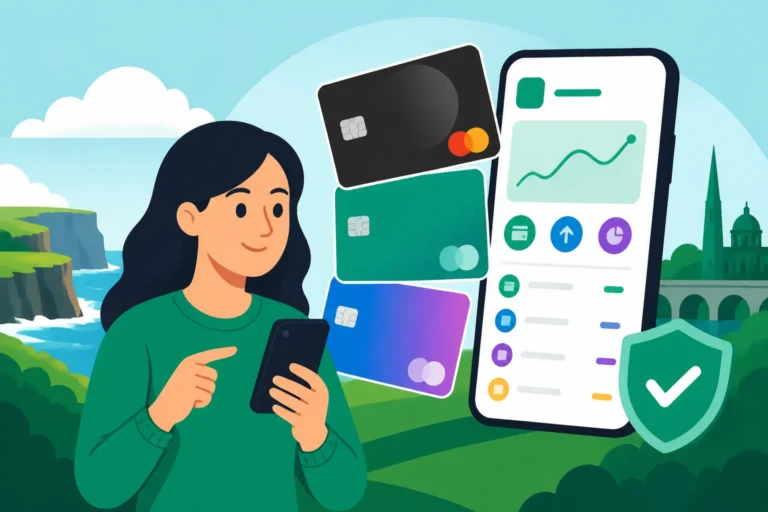
This is where the game-changers come in – digital banks and FinTech companies. These innovative platforms have fundamentally reshaped how newcomers can access banking services, often with far less stringent address requirements. Companies like Wise (formerly TransferWise), Revolut, and N26 have become absolute lifesavers for expats globally, and Ireland is no exception.
These platforms operate primarily through mobile apps, often providing a virtual account that functions much like a traditional bank account, complete with an IBAN (International Bank Account Number) for receiving payments, and a debit card for spending.
- Wise (formerly TransferWise): This service is famous for international money transfers, offering competitive exchange rates and low fees. But it also provides multi-currency accounts that can hold balances in EUR (among other currencies), issue a debit card, and crucially, often only requires proof of identity (passport) and an address for receiving your physical card – which can initially be a temporary one, or even a non-Irish address. This makes it an invaluable tool for getting your salary paid and managing your initial expenses while you're still hunting for a permanent place. I've personally used Wise for years, and it's been a godsend for moving money across borders and getting set up quickly.
- Revolut and N26: These are full-fledged digital banks that allow you to open an account and get an Irish (or at least European) IBAN with minimal fuss. While they do generally require a valid European address for card delivery and to fully unlock all features, many expats have successfully opened accounts using their initial temporary accommodation address (like a friend's place with permission, or even a hostel address, but always confirm with the bank first). The key is that they often don't demand a utility bill in your name right off the bat, relying more on identity verification and sometimes geotagging your device. For more detailed information, check out How to Use Revolut, N26 and Digital Banks in Ireland.
The beauty of these platforms is their flexibility and speed. You can often set up an account within minutes from your smartphone, allowing you to receive your salary, pay for groceries, and manage your money long before you’ve accumulated the necessary paperwork for a traditional Irish bank.
Temporary Solutions and Proof of Residency Alternatives
While digital banks offer a great initial solution, many expats still want a traditional Irish bank account for various reasons down the line (e.g., mortgages, certain direct debits). So, what can you use as temporary "proof" if you don't have a utility bill?
- Employer Letter: If you've secured a job, a formal letter from your employer on company letterhead can sometimes be accepted. This letter should explicitly state your name, your temporary address in Ireland (if you have one, even if it's a friend's place), and confirm your employment start date and salary. It's crucial for the letter to be clear and unambiguous. While not always a standalone solution for all banks, it can significantly bolster your application.
- Solicitor's Letter: If you’re involved in a property purchase or another legal matter, your solicitor might be able to provide a letter confirming your address, though this is less common for simple bank account opening.
- PPS Number Correspondence: Once you apply for and receive your PPS Number, the letter from the Department of Social Protection confirming your PPSN and address is an excellent piece of official government correspondence. While you might still need a temporary mailing address to receive this letter initially, it can then serve as your proof of address for banks. This highlights the importance of getting your PPS Number sorted as one of your first tasks. You can learn more about this essential step in How to Register for Tax and Get a PPS Number in Ireland.
- Hostel/Hotel Confirmation (with caveats): Some (very few) banks might accept a long-term booking confirmation from a hostel or hotel if it clearly states your name and the duration of your stay. However, this is increasingly rare due to stricter regulations and you'd likely need to combine it with other forms of ID and possibly an employer letter. Always call ahead and speak to a bank branch manager directly to see if this is even a remote possibility.
The key here is persistence and thoroughness. Gather every single piece of official documentation that has your name and an Irish address, no matter how temporary.
Banks with Potentially More Flexible Approaches
While the "no address, no account" rule is generally rigid for major Irish banks, some anecdotal evidence suggests slight variations depending on the branch, the bank officer you deal with, or if you have an existing relationship with the bank in another country (e.g., if they have a European presence).
- Credit Unions: Irish Credit Unions are community-based financial cooperatives. While they often require proof of address, their local nature might sometimes allow for a more personal assessment of your situation, especially if you can demonstrate strong ties to the community or have a local sponsor. This isn't a guaranteed loophole, but worth exploring if you're struggling with traditional banks. You’d need to live or work within their "common bond" area.
- Specific Branch Policies: It's a long shot, but sometimes a smaller, local branch of AIB or Bank of Ireland, particularly in less urban areas, might have slightly more flexibility than a bustling city centre branch. Your best bet is to dress smartly, walk in, and politely explain your situation, armed with as much documentation as possible (passport, employment contract, PPSN letter if you have it). Remember, the person behind the counter is just doing their job, so politeness and preparedness go a long way.
However, don't rely solely on this. Prepare for the likelihood that you'll be directed towards the digital solutions mentioned above first, and then transition to a traditional account once you have all your ducks in a row. It's often a two-step process for newcomers.
Step-by-Step: Opening a Digital Account with Minimal Address Proof
Since getting a traditional bank account without an established address in Ireland is usually a non-starter, let's focus on the most practical and immediate solution: setting up a digital banking account. This is typically the fastest way to get an Irish IBAN and a debit card in your hands.
Choosing Your Digital Banking Partner
The landscape of digital banking has expanded rapidly, and for expats, the choices often boil down to a few key players. The "best" one depends on your specific needs, but for initial setup with minimal address proof, they are largely similar in their utility.
Let's consider the top contenders:
- Revolut: Hugely popular across Europe, Revolut offers a slick app, instant notifications, and often requires only your ID and sometimes a European address for card delivery. They offer a free standard account with a European IBAN, which is perfect for getting your salary paid and daily spending. They also have budgeting tools and options for multi-currency holding.
- N26: Another strong European digital bank, N26 also provides a free current account with an IBAN and a Mastercard debit card. Their setup process is straightforward, focusing on identity verification via video call and typically requiring a European delivery address for the card. Like Revolut, they don't usually ask for utility bills as proof of address to get started.
- Wise (formerly TransferWise): While primarily known for international transfers, Wise's multi-currency account is incredibly useful. You get local account details for several currencies, including a Euro IBAN. For card delivery, you might be able to use a temporary Irish address (e.g., a friend’s) or even your home country address, depending on their current policy and your residency status. This flexibility is a major plus for new arrivals. They also offer excellent rates for transferring money, which is often a concern for expats.
When choosing, consider:
- Ease of Setup: How quickly can you get an account and card?
- Fees: Are there monthly fees, international transaction fees, or ATM withdrawal fees?
- Currency Exchange: How good are their rates for international transfers, particularly if you're sending money home or receiving it from abroad?
- Features: Do you need budgeting tools, virtual cards, or specific integrations?
Many expats choose to start with one (or even two) of these to get immediate access to banking, and then open a traditional account later once they have all their Irish documentation in order.
The Application Process
The beauty of digital banks is their streamlined application. Here’s a general step-by-step for most of them:
- Download the App: Search for Revolut, N26, or Wise in your smartphone's app store.
- Start Application: Follow the on-screen prompts to create an account. You'll typically need to provide your full name, date of birth, and email.
- Identity Verification: This is the crucial part. You'll usually be asked to:
- Provide a Photo ID: A clear photo of your passport or national ID card.
- Take a Selfie: To verify you are the person on the ID.
- Video Verification: Some services, like N26, might require a quick video call with an agent to confirm your identity.
- Proof of Address (for card delivery): This is where flexibility comes in. While they need an address to send your physical debit card, they often don't demand a utility bill or government letter in your name at that specific address. You might be able to:
- Use a friend’s address (with their permission, of course).
- Use a temporary hotel/hostel address for card delivery (confirm with the support team first if you're unsure).
- Some even allow you to initially use your home country address, then update it later once you're settled in Ireland.
- Fund Your Account: Once your account is approved, you can typically top it up via another bank transfer (from your home country bank) or by linking a debit card.
- Order Your Physical Card: Make sure the delivery address is one where you can reliably receive mail.
It’s often a remarkably quick process, sometimes taking just minutes for approval and a few days for card delivery. This allows you to quickly get a functional bank account and start Managing Your Money Into and Out of Ireland as an Expat.
How to Get a "Pseudo" Irish Address for Mail
Even with digital banks, you’ll eventually need an address for receiving your physical card or other correspondence. When you don’t have a formal lease or utility bill yet, these options can bridge the gap:
- Friend’s or Family’s Address (with consent): This is the most common and often easiest route. If you’re staying with friends or family, ask if you can use their address for mail. Make sure they’re okay with it, as they’ll be receiving your bank card and other sensitive documents. It’s also wise to ensure your name is clearly marked on their letterbox.
- Employer’s Address (for mail only): Some employers might allow you to use their office address for receiving personal mail, particularly if it's just for a physical debit card. This is less common for official proof of residence but can work for delivery. Always ask your HR department first.
- PO Box (Less Common for Banks): An Post (the Irish postal service) offers PO box services. However, most banks, even digital ones, prefer a physical residential address for compliance reasons, so a PO box might not be accepted for primary registration, though it could work for certain mail deliveries once the account is established. Always check with the specific bank.
- Parcel Motel/Locker Services: Services like Parcel Motel or similar locker networks are designed for package delivery, not typically for official bank correspondence. They are unlikely to be accepted as a valid address for card delivery or account registration.
It's vital to distinguish between an address for receiving mail and a verifiable "proof of address" document that banks demand. For initial digital bank setup, a reliable mailing address is usually sufficient.
Long-Term Strategies: Securing a Permanent Irish Bank Account
While digital banks are fantastic for immediate needs, most expats eventually want a proper Irish bank account with a traditional institution. These accounts offer a wider range of services, are universally recognised, and are often necessary for things like mortgages, complex direct debits, and certain financial products.
Once You Have a Rental Agreement or Utility Bill
The game changes dramatically once you secure long-term accommodation and start receiving bills in your name. This is when the doors to traditional Irish banking swing open.
- Signed Tenancy Agreement: A formal lease agreement for your rental property, especially if it’s registered with the RTB (Residential Tenancies Board), is gold. This document clearly links you to a physical address in Ireland and is readily accepted by banks.
- Utility Bills: Once you’ve set up your electricity, gas, or even broadband in your own name, these bills become primary forms of address verification. Providers like ESB Networks for electricity, Bord Gáis Energy for gas, or even Virgin Media or Eir for broadband, will send bills to your new address, which can then be presented to the bank. Remember that setting up utilities in Ireland is one of your first tasks. For more guidance on this, check out The Expat Guide to Setting Up Utilities Electricity Gas Water in Ireland.
- Government Correspondence: The letter confirming your PPS Number, or subsequent letters from Revenue (the Irish tax authority) regarding your tax credits or tax returns, are excellent official proofs. Once you're registered for tax and have begun Filing Your Tax Return with Revenue in Ireland: The Complete Walkthrough, these documents will naturally become available. This can also tie into broader financial planning, as discussed in The Complete Guide to Taxes in Ireland for Expats.
With these documents in hand, you'll find the process of opening an account with AIB, Bank of Ireland, or Permanent TSB much smoother. You’ll still need your passport or national ID for identity verification, but the address puzzle will finally be solved.
The Benefits of a Traditional Irish Bank Account
You might wonder why bother with a traditional bank if digital options are so convenient. Well, traditional accounts offer several advantages for long-term residents:
- Wider Acceptance and Trust: While digital banks are gaining traction, traditional banks still hold a certain weight. Some older systems or niche services might still only accept accounts from established banks.
- Comprehensive Services: Traditional banks offer the full spectrum of financial products:
- Current Accounts: For day-to-day spending.
- Savings Accounts: With various interest rates and structures.
- Overdraft Facilities: Useful for short-term cash flow needs.
- Loans and Mortgages: If you plan to buy property in Ireland, having a banking history with an Irish bank will be crucial for securing a mortgage. You can find more details on this in How to Get a Mortgage to Buy a Home in Ireland.
- Investment Products: A broader range of investment options.
- Physical Branches: While many services are online, having access to a physical branch for complex queries, depositing cash, or simply speaking to a human can be invaluable.
- Integration with Irish Financial System: For things like government payments, local business transactions, and setting up various direct debits for rent, utilities, and services, a traditional Irish bank account ensures seamless integration into the local financial ecosystem. This becomes especially important when you’re dealing with the finer points of Irish finances and Understanding the Irish Tax System Revenue Works PAYE PRSI and USC Explained.
Think of it as building your financial foundation in Ireland. While digital banks provide the initial scaffolding, a traditional account creates the solid groundwork for your financial future here. For a detailed guide on the process, consider reading How to Open a Bank Account at an Irish Bank as a Foreigner.
Navigating Banking for Expats: Digital vs. Traditional Accounts
To help you decide which banking solution is best for your current situation, here's a quick comparison of digital and traditional Irish banks, specifically from an expat's perspective when you're just starting out.
| Feature | Digital Banks (e.g., Revolut, N26, Wise) | Traditional Irish Banks (e.g., AIB, Bank of Ireland, Permanent TSB) |
|---|---|---|
| Address Requirement | Highly flexible; often accepts temporary or non-Irish address for card delivery; less stringent proof. | Strict; requires formal proof of Irish address (utility bill, tenancy agreement, government letter). |
| Setup Time | Very fast (minutes to hours for approval); card delivery 3-7 days. | Can be slow (days to weeks for appointment and approval), requires specific documents. |
| Documents Needed | Passport/National ID, selfie, sometimes proof of funds. | Passport/National ID, PPS Number, strict proof of Irish address. |
| Account Type | Primarily current accounts, multi-currency features, virtual cards. | Full range: current, savings, credit cards, loans, mortgages, investments. |
| Fees | Often free standard accounts; premium tiers with monthly fees; transparent FX rates. | Free for basic current accounts, but sometimes transaction fees; less transparent FX. |
| Physical Branches | None (app-based support). | Extensive branch network across Ireland. |
| International Transfers | Excellent exchange rates, low fees, fast. (e.g., Wise's core strength) | Can be slower, higher fees, less competitive exchange rates. |
| Suitability for New Expats | Excellent for immediate needs, receiving salary, daily spending. | Essential for long-term financial integration, mortgages, complex services. |
As you can see, digital banks are your best friend when you first arrive and don't yet have all the official paperwork. They'll get you up and running financially, allowing you to focus on securing your address and PPS number. Once those are sorted, you can smoothly transition to a traditional Irish bank account for all your long-term financial needs in Ireland. This phased approach is often the most realistic and least stressful path for expats moving to Ireland. It really is about understanding what documents you need to open a bank account in Ireland.
Ultimately, don't let the initial "no address, no bank account" hurdle discourage you. It’s a temporary challenge that every expat faces, and with the right strategy, you'll be managing your finances in Ireland like a pro in no time.
Disclaimer
The information provided in this guide is for general informational purposes only and does not constitute financial, legal, or professional advice. While we strive to keep the information up-to-date and accurate, banking regulations and requirements in Ireland can change. Always consult with the specific bank or a qualified financial advisor for advice tailored to your individual circumstances. We cannot be held responsible for any decisions made based on the information presented herein.