How Does the Drugs Payment Scheme Work in Ireland?
Ah, the cost of prescription medications in Ireland – it can really add up, can't it? Many of us expats arrive here, get settled, and then realise that even with a GP visit card or private health insurance, those recurring pharmacy bills can still pack a punch. It’s a common frustration, juggling your health needs with the financial realities of a new country. This guide is here to walk you through one of Ireland’s most valuable support systems for managing those costs: the Drugs Payment Scheme. We’ll break down exactly how it works, who can benefit, and how to get yourself signed up, so you can stop stressing about every prescription refill.
Understanding the Drugs Payment Scheme (DPS) in Ireland
When you’re navigating the healthcare system in a new country, it often feels like you need a degree in local bureaucracy just to get by. Ireland's system is no different, with various cards and schemes that can make your head spin. But trust me, the Drugs Payment Scheme (DPS) is one you absolutely want to understand, especially if you or your family have ongoing medication needs. Essentially, it's a social support scheme designed to cap the amount any individual or family has to pay for approved prescribed drugs and certain medical/surgical appliances in any calendar month.
Let’s be real, those monthly pharmacy trips can be financially daunting. Before the DPS, if you had multiple prescriptions or expensive long-term medications, the costs could be astronomical. The beauty of the DPS is that it sets a maximum amount you’ll pay. Currently, that cap is €80 per month per individual or family unit. So, whether your monthly prescriptions add up to €80, €180, or even €800, you will never pay more than €80 out of your own pocket in a single calendar month. The Health Service Executive (HSE) covers the rest. It’s a huge relief for many families, offering predictability and significant savings.
How the Monthly Cap Works
The €80 cap isn't just a number; it's a lifeline for many. Imagine this: you have a chronic condition requiring three different medications, each costing €30 a month. Without the DPS, that's €90 right there. But with your DPS card, you’d only pay €80. If your partner also needs medication that month, let’s say another €40, the family unit's total bill would still only be €80, as the scheme applies to the entire family. It simplifies budgeting for healthcare expenses immensely.
The pharmacy keeps a running total of your costs throughout the month. Once you hit that €80 threshold, all subsequent eligible prescriptions for you and your registered family members within that same calendar month become free. It resets on the first day of each new month. It's crucial to understand that this scheme is separate from a Medical Card, which provides free GP visits and prescriptions regardless of cost, or a GP Visit Card, which only covers the GP consultation fee. The DPS is specifically about reducing the financial burden of prescription medications. For a broader overview, you might want to look into The Complete Guide to Healthcare in Ireland for Expats (2027).
DPS vs. Other Schemes: What's the Difference?
It’s easy to get confused with all the different cards and schemes. I certainly did when I first moved here! Think of it this way:
- Medical Card: This is the big one. If you qualify through a means test (meaning your income and assets are below a certain threshold), you get free GP visits, free prescriptions, some dental and optical benefits, and free public hospital services. This is generally for those on lower incomes or with significant medical needs. You can learn more about this in Understanding the Medical Card Means Test in Ireland.
- GP Visit Card: This covers the cost of seeing your GP but not the cost of your prescriptions. It’s often for people whose income is above the Medical Card threshold but still below a certain point. It doesn't help with the pharmacy bill, so if you have this, the DPS is still highly relevant for you. For details, check out How to Apply for a GP Visit Card in Ireland.
- Drugs Payment Scheme (DPS): This scheme is not means-tested. It’s available to all ordinary residents of Ireland, regardless of income, specifically to cap your monthly out-of-pocket expenses for prescribed medicines. This is the beauty of it – it’s universal for residents.
So, if you don't qualify for a Medical Card due to your income, the DPS is your go-to for keeping prescription costs manageable. Even if you have private health insurance, the DPS works alongside it; it covers costs that your insurance might not, or reduces your out-of-pocket expenses before your insurance kicks in, or covers co-pays. It truly is a fundamental pillar for managing The Cost of Healthcare in Ireland: A Complete Breakdown for Foreigners (2026).
Who is Eligible for the Drugs Payment Scheme?
The eligibility criteria for the Drugs Payment Scheme (DPS) are fairly straightforward, which is a welcome relief compared to some other administrative hurdles in Ireland! The primary requirement is that you must be "ordinarily resident" in Ireland. This isn't just about physically being here; it means you're living here and intend to continue living here for at least one year. It's about establishing a genuine link to the country, which makes sense, as the scheme is funded by the taxpayer.
For many expats, the moment they receive their Irish residence permit (like an IRP card) and have established a permanent address, they typically meet this "ordinary residence" criterion. You don't need to be an Irish citizen, or even an EU/EEA citizen, to qualify. As long as you're legally residing in Ireland and plan to stay, you're usually in the clear. This is fantastic news for anyone on an employment permit or working holiday visa who intends to make Ireland their home for a significant period.
It’s worth noting that unlike the Medical Card, the DPS is not means-tested. Your income, your savings, your lavish lifestyle (or lack thereof) – none of it matters for DPS eligibility. This removes a significant barrier for many working expats who earn too much to qualify for a Medical Card but still find monthly prescription costs a strain.
What "Ordinary Residence" Truly Means for Expats
Navigating the concept of "ordinary residence" can be a bit of a grey area for newcomers. It’s not simply about having a stamp in your passport or a visa. The HSE (Health Service Executive), which manages the scheme, will typically look at several factors to determine if you meet this criterion:
- Intention to reside: Do you genuinely intend to live in Ireland for at least one year? Your employment contract length, tenancy agreement, and visa type can all play a role here.
- Duration of stay: While the intention is key, a track record of residing here helps. New arrivals are usually fine if they can demonstrate this intention.
- Establishment of life: Do you have a permanent address, are you registered with a GP, do you have a PPSN (Personal Public Service Number), and are you working or studying here? These all contribute to proving your "ordinary residence."
- Purpose of stay: Are you here for long-term work, study, or family reunification, rather than just a short visit or temporary assignment?
If you’re unsure about your status, the HSE application form often guides you through this, or you can contact your local HSE office. For those who are just arriving, or perhaps still awaiting their long-term residency documentation, remember that robust travel insurance, like that offered by SafetyWing, can be a sensible safeguard against unexpected medical costs until you’re firmly established and eligible for schemes like the DPS.
Including Your Family Unit
One of the most family-friendly aspects of the Drugs Payment Scheme is that it covers your entire family unit under a single monthly cap. A "family unit" for DPS purposes includes:
- You, the primary applicant.
- Your spouse or partner (if living with you).
- Any children under 18 years of age who are ordinarily resident in Ireland and dependants.
- Any children aged 18 to 23 years who are ordinarily resident in Ireland, dependants, and in full-time education.
This means if you, your partner, and your two children all need prescriptions in a given month, all those eligible costs contribute to the one €80 cap. It's not €80 per person, but per household. This is incredibly beneficial for families with multiple members requiring ongoing medication, or those with young children who might frequently need antibiotics or other common prescriptions. It’s a collective relief, truly easing the financial pressure on family healthcare. You'll definitely want to ensure you've got everyone covered when you're Registering with a GP in Ireland: The Complete Expat Guide (2027).
How to Apply for the Drugs Payment Scheme
The application process for the Drugs Payment Scheme (DPS) is fairly straightforward, which is a blessing, especially when you're still finding your feet in Ireland. The good news is that you don't need endless stacks of documents, and for many, it can even be done online. Let’s walk through the steps.
Online Application
The easiest and quickest way to apply for the DPS is usually online through the HSE's online client registration portal. You'll need a few key pieces of information to get started:
- Your Personal Public Service (PPS) Number: This is essential for any public service in Ireland. If you haven't got one yet, that's your first step.
- Your date of birth.
- Your current address in Ireland: Make sure it's accurate and where you genuinely reside.
- Details of your dependants: If you're applying for a family unit, you'll need the PPS Numbers and dates of birth for your spouse/partner and any eligible children.
The online form guides you through each section. It’s designed to be user-friendly, and you can usually complete it in one sitting. Once submitted, you'll typically receive confirmation, and your DPS card (or notification of your registration and card number) should arrive in the post within a few working days. Many pharmacies can also look up your DPS eligibility with your PPSN even before the physical card arrives, so you might not have to wait to start benefiting from the cap.
Paper Application
If you prefer good old-fashioned paperwork, or if you encounter any issues with the online portal, you can also apply by post. You can download the application form (Form DPS 1) from the HSE website or pick one up at your local pharmacy, GP surgery, or HSE Local Health Office.
The paper form will ask for the same information as the online version: your PPSN, date of birth, address, and details of any family members. Once completed, you’ll sign and date the form and mail it to the address provided on the form itself, usually a central HSE office that handles DPS applications. While a bit slower than the online method, it's a perfectly valid way to apply. Just ensure all details are clearly written and accurate to avoid delays.
What Happens After You Apply?
Once your application is processed, the HSE will issue you with a DPS card. This card contains your name, DPS number, and the expiry date. It’s important to note that the DPS card is not a physical photo ID; it's purely for administrative purposes at the pharmacy.
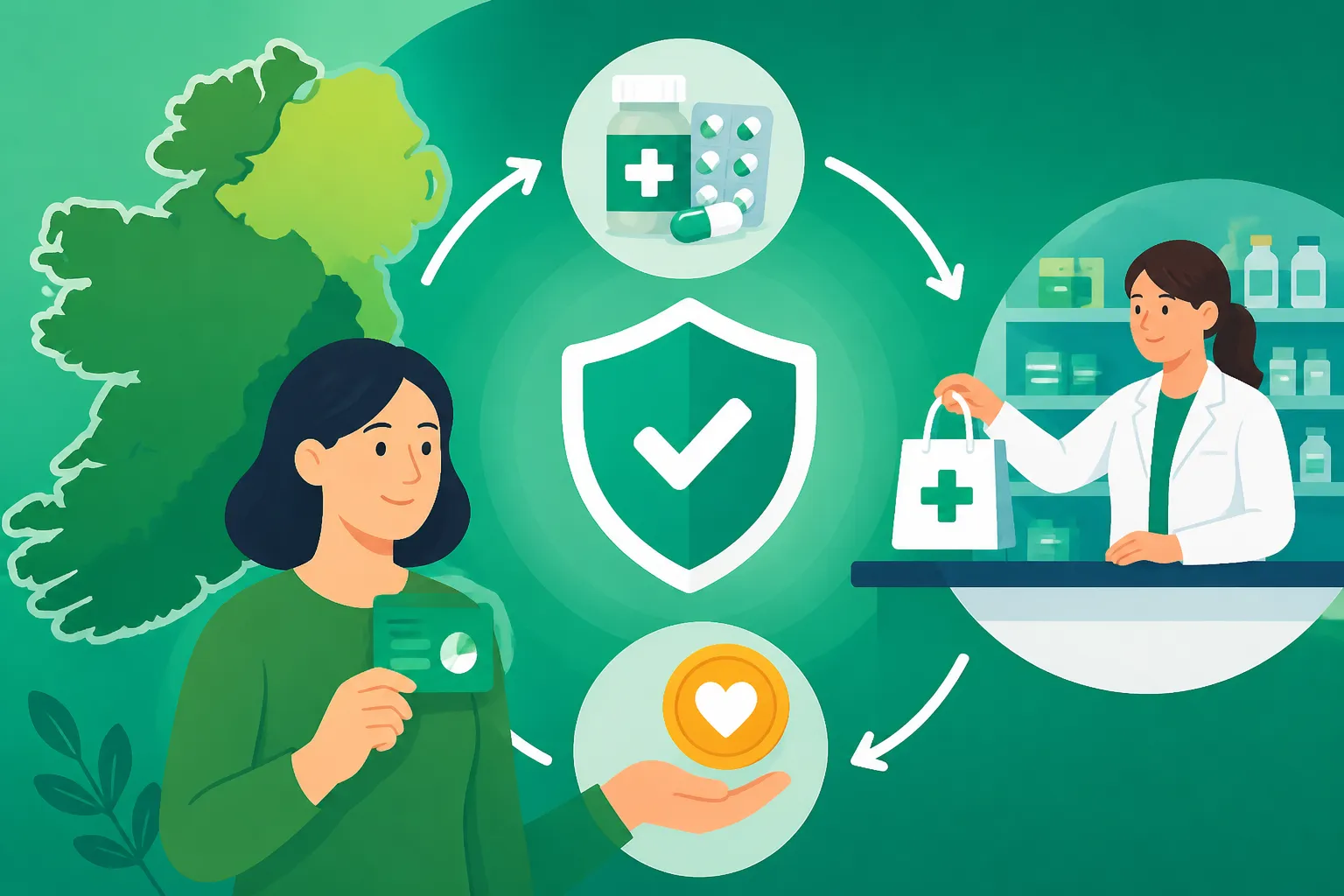
When you go to the pharmacy to pick up your prescriptions, simply present your DPS card (or provide your PPSN) along with your prescription from your GP. The pharmacist will log your purchases against your unique DPS number. They will keep track of your monthly spending on eligible items. Once your family unit reaches the €80 threshold in a calendar month, any further eligible prescriptions for that month will be provided free of charge. It’s that simple. Remember, it's a good idea to use the same pharmacy for all your prescriptions each month, or at least ensure all pharmacists know your DPS number, to accurately track your spending towards the cap.
If you ever change address or have changes to your family unit (e.g., a new baby, a child finishing full-time education), it’s vital to inform the HSE to ensure your DPS record is up-to-date. This maintains your eligibility and ensures the cap is applied correctly to your household.
| Aspect | Details |
|---|---|
| Purpose | Caps monthly spending on prescribed medications and certain medical/surgical appliances for individuals/families. |
| Current Monthly Cap | €80 per individual or family unit (as of early 2026, subject to change). |
| Eligibility | All persons "ordinarily resident" in Ireland. Not means-tested (income/assets irrelevant). |
| Family Unit | Includes applicant, spouse/partner, and dependent children (under 18, or 18-23 in full-time education) living at the same address. |
| Application Method | Online via HSE portal or by post (Form DPS 1) from HSE website, pharmacy, or GP. |
| Required Info | PPS Number(s), date(s) of birth, current Irish address. |
| Coverage | Most prescribed medicines and certain medical/surgical appliances listed on the GMS (General Medical Services) formulary. |
| Exclusions | Over-the-counter medicines, non-prescribed items, certain specialist drugs not on the GMS formulary (though exceptions exist). |
| Activation | Present DPS card or PPSN at the pharmacy. Pharmacist tracks spending towards the monthly cap. |
| Renewal | Typically renewed automatically annually, but always check the expiry date on your card. |
What Does the Drugs Payment Scheme Cover (and Not Cover)?
This is where the rubber meets the road, isn't it? Knowing you're eligible is one thing, but understanding precisely what items will count towards that €80 cap is another. Generally, the Drugs Payment Scheme (DPS) covers most prescribed drugs and medicines that are dispensed by a retail pharmacy in Ireland. It also extends to certain medical and surgical appliances.
The key here is that the medication must be prescribed by a doctor, dentist, or other authorised healthcare professional, and it must be dispensed by a registered pharmacy. This isn't a scheme for grabbing paracetamol off the shelf! It's focused on legitimate medical needs that require professional oversight. This coverage is comprehensive enough to make a real difference for the vast majority of people with ongoing health conditions. It truly helps to manage those recurring costs that can otherwise really sting, especially when you're just getting used to How Ireland's Health System Works: The HSE vs Private Explained (2027).
Covered Medications and Appliances
The range of items covered under the DPS is quite broad. It primarily includes:
- Prescription Medicines: The vast majority of drugs that your doctor or consultant prescribes will be covered. This includes everything from antibiotics and blood pressure medication to antidepressants and asthma inhalers. The drugs must be on the General Medical Services (GMS) formulary, which is a list of approved medications. Rest assured, most common and widely used prescription drugs are on this list. For specific questions about your medication, your local pharmacist is always the best resource.
- Certain Medical and Surgical Appliances: This can include things like ostomy products, specific wound dressings, diabetic supplies (such as test strips and needles), and certain nebulisers or inhaler devices. Again, these must be prescribed by a healthcare professional and dispensed by a pharmacy or authorised supplier.
It’s important that your prescribing doctor is aware you're on the DPS, as they can sometimes opt for a generic version of a drug if it’s available and clinically appropriate, which can often be cheaper for the HSE and still count towards your cap. Pharmacies like Boots, McCauley Health & Beauty Pharmacy, and local independent chemists are all well-versed in the DPS and will process your prescriptions accordingly. For detailed information on where to get your medicines, check out Prescription Medications and Pharmacies in Ireland: The Complete Guide.
What's Not Included in the DPS
While the DPS is incredibly helpful, there are a few important exclusions that expats should be aware of:
- Over-the-Counter (OTC) Medicines: Any medication you can buy without a prescription, such as standard painkillers, cough syrups, vitamins, or certain allergy medications, will not count towards your €80 cap. You'll pay the full price for these items.
- Items Not on the GMS Formulary: Very occasionally, a specialist might prescribe a brand-new or highly specialised drug that isn't yet listed on the GMS formulary. In such rare cases, it might not be covered by the DPS. Your pharmacist can usually advise if this is an issue.
- Private Prescriptions for Non-GMS Items: If you have a private prescription for an item that isn't typically covered by public schemes, the DPS won't cover it.
- Medical Procedures or Services: The DPS is purely for pharmaceutical and appliance costs. It does not cover GP consultation fees (though a GP Visit Card or Medical Card might), hospital charges, specialist fees, or other medical services. If you're wondering about GP fees, read How Much Does a GP Visit Cost in Ireland Without a Card?.
- Items for which you have a Medical Card: If you already hold a Medical Card, you automatically get free prescriptions without any cap, so the DPS would be redundant for you.
It’s always a good idea to chat with your pharmacist if you have any doubts about whether a specific item will be covered by the DPS. They are a wealth of knowledge and can clarify any queries you might have about your specific medications. For newcomers, it’s worth reiterating that while the DPS is fantastic for residents, during the initial phase of moving and settling, before you've fully established ordinary residence, having comprehensive travel health insurance from providers like SafetyWing is a smart move to cover unexpected medical costs, as you won't be eligible for DPS right away.
Making the Most of Your DPS Card
Getting your Drugs Payment Scheme (DPS) card is a significant step towards managing your healthcare costs in Ireland, but there are a few practical tips and considerations that can help you maximise its benefits and avoid any unnecessary headaches. Think of it as mastering the nuances of a new system – a skill all expats eventually develop!
Keep Your Information Up-to-Date
Life in Ireland, like anywhere, evolves. You might move house, welcome a new family member, or a child might start university. It’s absolutely crucial to keep your DPS records updated with the HSE.
- Change of Address: If you move, even just across town, inform the HSE immediately. Your "ordinary residence" is linked to your address, and having outdated information can cause issues.
- Changes in Family Unit: If you have a new baby, they can be added to your family unit, immediately benefiting from the cap. Conversely, if a child turns 24 and is no longer in full-time education, they'll no longer be eligible under your family unit and might need to apply for their own DPS card. You can usually update these details through the same online portal you used to apply, or by contacting your local HSE office.
Ensuring your records are accurate prevents administrative delays and ensures your monthly cap is always applied correctly to your household. It's a small step that makes a big difference.
Using Your DPS Card with Private Health Insurance
Many expats choose to get private health insurance from providers like VHI, Laya, or Irish Life to complement the public healthcare system. This can be a smart move, especially for reducing public hospital waiting times or accessing a wider range of services. But how does it interact with the DPS?
The good news is that they can work together. Here's how:
- Outpatient Prescriptions: For most day-to-day prescriptions from your GP, the DPS will be your primary port of call. Your private health insurance usually doesn't cover routine outpatient prescription costs directly, or if it does, it might have a high excess. The DPS fills this gap perfectly, ensuring your out-of-pocket maximum is €80.
- Hospital Discharge Prescriptions: If you've been in hospital and are discharged with new medications, the DPS will cover these after the initial cap is met.
- Specialised Drugs: For very expensive, highly specialised drugs that might be covered by your private health insurance, you should typically claim those costs through your insurance first. If there's an excess or a co-payment amount, that amount might count towards your DPS cap if the drug is also on the GMS formulary. It’s always best to clarify this with your private health insurer and your pharmacist.
The general rule of thumb is that the DPS is your first line of defence against high prescription costs. Use it for all eligible medications. Then, for other medical expenses like specialist visits or hospital stays, your private health insurance comes into play. Understanding How to Buy Private Health Insurance as a Newcomer in Ireland can be a complex decision, so be sure to weigh up your options. And for those fleeting moments of travel outside Ireland, or for family visiting you from abroad, remember that global health and travel insurance options like SafetyWing remain excellent choices for comprehensive coverage.
Renewals and Expiry Dates
Your DPS card will have an expiry date, usually a few years from its issue date. For most people, the DPS is automatically renewed by the HSE. You typically won’t need to do anything, and a new card will be sent to you before your old one expires.
However, it’s always a good practice to:
- Check the expiry date: A month or two before your card is due to expire, just double-check the date.
- Keep an eye on the post: If you haven't received a new card within a few weeks of your old one expiring, contact your local HSE office. Don't wait until you're at the pharmacy and your card is rejected!
- Inform of Changes: As mentioned earlier, if any of your circumstances have changed, this is a good prompt to update your details with the HSE to ensure a smooth renewal process.
By staying on top of these small administrative tasks, you can ensure uninterrupted access to the benefits of the Drugs Payment Scheme, continuing to save money on your essential medications. This peace of mind is invaluable, allowing you to focus on your health and enjoying life here in Ireland.
Disclaimer
The information provided in this guide about the Drugs Payment Scheme in Ireland is for general informational purposes only and is subject to change. While every effort has been made to ensure accuracy and relevance, official policies, eligibility criteria, and financial thresholds (such as the monthly cap) are determined by the Health Service Executive (HSE) and the Irish government and may be updated without prior notice. Always consult official HSE resources, your local GP, or a pharmacist for the most current and personalised advice regarding your eligibility and coverage. This guide does not constitute professional medical, legal, or financial advice.