What Should I Do in a Medical Emergency in Dublin?
Finding yourself in a medical emergency is terrifying, no matter where you are. But when you’re an expat or a tourist in a new country like Ireland, away from your usual support system and familiar healthcare routines, that fear can multiply tenfold. The Irish healthcare system, while robust, operates differently from many others, and knowing exactly what to do when minutes matter can literally be a lifesaver. This guide is here to walk you through the precise steps to take if you experience a medical emergency in Dublin, helping you navigate the system with confidence and calm.
Understanding Emergency Services in Dublin
Let's face it, when you're in a panic, the last thing you want is to be fumbling for numbers or trying to figure out if your situation warrants a trip to the hospital or a call to the doctor. In Dublin, and indeed all of Ireland, clarity is key.
When to Call 112 or 999
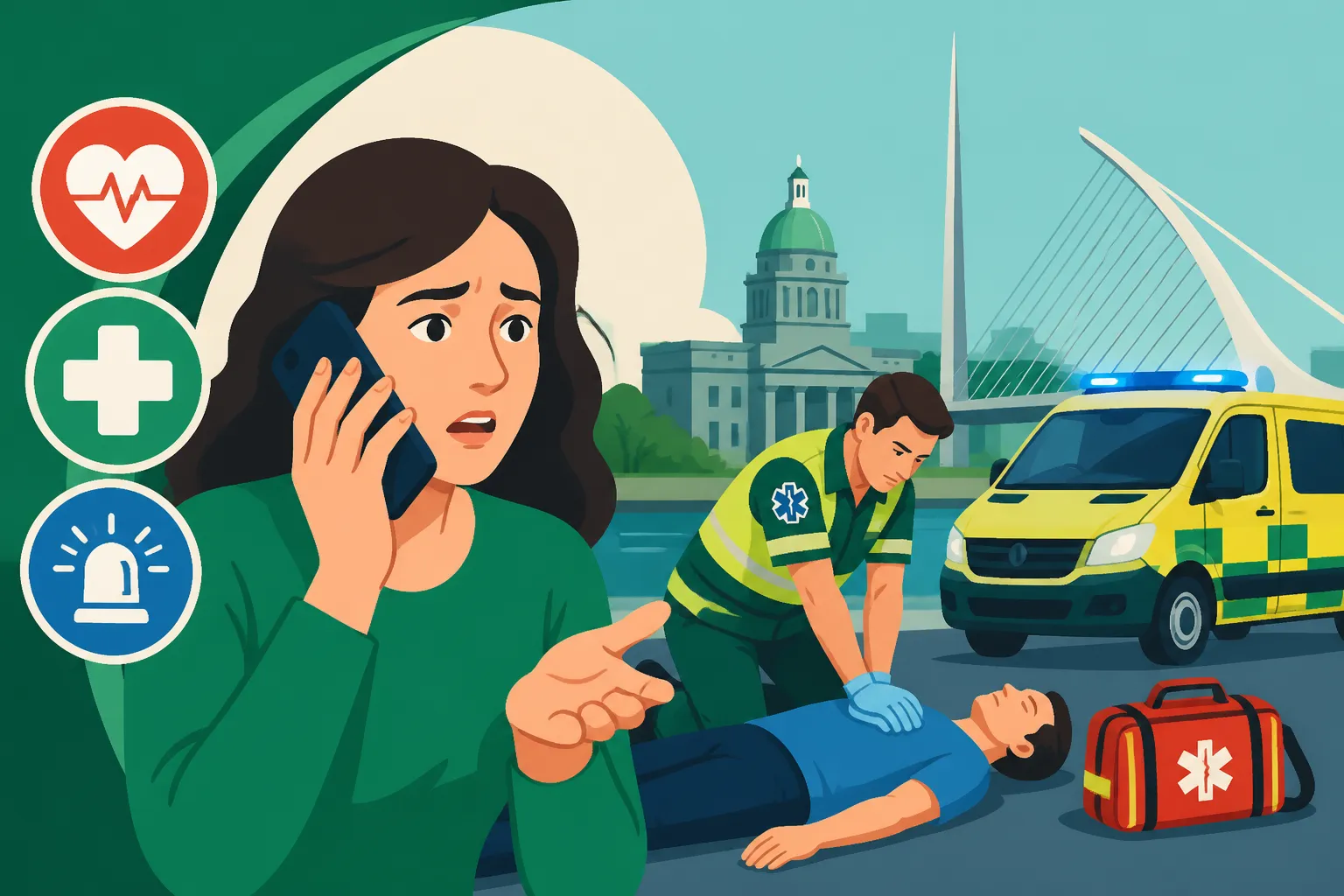
When an actual emergency strikes, time is of the essence. You need immediate, life-threatening assistance, and that means dialling 112 or 999. These are the national emergency numbers for Ireland, and they connect you to ambulance, Garda (police), fire, and coast guard services. It doesn’t matter if you’re in the bustling city centre or a quiet suburb of Dublin, these numbers are your first port of call for critical situations.
What constitutes a genuine emergency? Think along the lines of severe chest pain, signs of a stroke (like facial drooping, arm weakness, or speech difficulty), significant bleeding, unconsciousness, severe allergic reactions, serious burns, or any injury that you suspect could be life-threatening or cause permanent disability. If you're unsure, it's always better to call. When you get through, a trained operator will ask you what service you need (ambulance, in this case), your exact location in Dublin – be as precise as possible with street names, building numbers, and even nearby landmarks – and the nature of the emergency. They’ll also ask for your name and phone number. Staying calm and providing clear, concise information will help the emergency services respond as quickly and effectively as possible. Remember, ambulance services aren't free in Ireland, even for residents, so understanding how much an ambulance costs in Ireland is a good idea for anyone living here.
Navigating Emergency Departments A&E
If you find yourself needing urgent medical attention but it's not quite a 999 situation, or if you've been transported by ambulance, you'll end up in an Emergency Department (ED), commonly known as Accident & Emergency (A&E) in Ireland. Dublin is home to several major hospitals with A&E departments, serving both public and private patients. For public hospitals, some of the key ones in Dublin include St. James’s Hospital, Beaumont Hospital, Mater Misericordiae University Hospital, Tallaght University Hospital, and Connolly Hospital. These are generally open 24/7 and will treat anyone who walks through their doors, regardless of their ability to pay upfront.
However, be prepared for potentially long waiting times, especially during peak hours or for non-critical conditions. The Irish public health system, while committed to care, does experience significant pressure on its A&E services. You will usually be triaged by a nurse upon arrival, who will assess the severity of your condition and prioritise you accordingly. This means if you have a broken ankle, you'll likely wait longer than someone presenting with a suspected heart attack. There is an A&E charge for attending a public hospital ED without a GP referral or a Medical Card/GP Visit Card. To understand more about these charges, you might find it helpful to read up on How Much Does an A&E Visit Cost in Ireland?
For those with private health insurance, or if you simply prefer to avoid the public waiting lists and are prepared to pay, Dublin also has private hospitals with their own emergency or urgent care facilities. Notable examples include the Beacon Hospital, Mater Private Hospital, and Blackrock Clinic. These tend to have shorter waiting times and offer more comfortable surroundings, but the costs can be substantial if not covered by private health insurance. Before attending a private facility, it’s always wise to check if your insurance policy covers the visit. You can find out more about these options by looking into What Hospitals Accept Private Insurance in Dublin?
Non-Emergency Medical Care When You're Ill
Sometimes you're just really unwell, maybe with a nasty flu or a stomach bug, but it’s not life-threatening. In these instances, heading straight to A&E isn't the best use of resources for anyone, and it certainly won't be a pleasant experience for you with the long waits.
When a GP is the Right Call
For illnesses or injuries that aren’t critical but still require medical attention, your General Practitioner (GP) is your first port of call. A GP can diagnose common ailments, prescribe medication, and refer you to specialists if needed. If you’re living in Dublin long-term, it's absolutely crucial to Registering with a GP in Ireland: The Complete Expat Guide (2027) as soon as you can. This gives you a familiar medical point of contact and ensures your medical records are in one place. Most GP surgeries operate during standard business hours, Monday to Friday.
But what if you fall ill outside of these hours? Many GP practices participate in out-of-hours GP services. These are typically accessed by calling your own GP’s number, which will often redirect you to the local out-of-hours service. In Dublin, these services include organisations like D-Doc (Dublin Doctor on Call) or Northdoc. They can provide consultations or even house calls in urgent but non-emergency situations. Keep in mind that a GP visit in Ireland isn't free unless you have a Medical Card or GP Visit Card. Knowing How Much Does a GP Visit Cost in Ireland Without a Card? can help you prepare financially. Don't forget, if your GP determines you need specialist care, they will issue a referral – learning How Do I Get a Referral to a Consultant in Ireland? is a key step in navigating more complex health issues.
Pharmacy Support and Minor Ailments
Don't underestimate the power of your local pharmacist in Dublin! For minor ailments like colds, flu symptoms, minor cuts, headaches, or even thrush, a pharmacist can offer a wealth of advice and over-the-counter remedies. They are highly trained healthcare professionals and can often save you a trip to the GP, especially if you know what you're dealing with and just need symptom relief. Major pharmacy chains like Boots, Hickey's Pharmacy, and Lloyds Pharmacy are ubiquitous across Dublin, and many smaller, independent pharmacies also offer excellent service.
Pharmacists can also help with managing repeat prescriptions, and if you're on regular medication, understanding Prescription Medications and Pharmacies in Ireland: The Complete Guide is essential. They can advise on proper dosage, potential side effects, and interactions. If you're travelling or new to Ireland, it's worth noting that some medications that might be over-the-counter in your home country may require a prescription here, and vice versa. Always ask a pharmacist if you're unsure. They’re a fantastic, accessible resource for everyday health concerns.
Crucial Considerations for Expats and Tourists
As someone who’s lived here a while, I can tell you that understanding the nuances of the Irish healthcare system as a foreigner is half the battle. It’s not just about knowing where to go, but also what you’ll need once you get there.
Health Insurance and Costs
This is where it can get a bit tricky and where preparation truly pays off. For EU/EEA citizens, your European Health Insurance Card (EHIC) is absolutely invaluable for accessing public healthcare services in Ireland on the same basis as a resident. This means that if you're an EU/EEA tourist or temporary visitor in Dublin, you can present your EHIC for urgent medical care in public hospitals or with a public GP. However, it's crucial to understand that the EHIC isn't a substitute for travel insurance; it only covers medically necessary treatment and doesn't cover repatriation or private care.
For non-EU/EEA citizens, it's a completely different ball game. Public healthcare is generally not free, even if you are working here. While emergency care will never be denied, you will be expected to pay for services. This is why having comprehensive private health insurance is not just recommended, but often a visa requirement for those moving to Ireland. Companies like VHI, Laya Healthcare, and Irish Life Health are the main providers in Ireland, offering a range of plans. Deciding on Health Insurance in Ireland: VHI, Laya, Irish Life and Options Explained can be a bit overwhelming, so do your research. If you're a tourist or digital nomad, a flexible travel insurance provider like SafetyWing could be a lifesaver, offering coverage for medical emergencies and other travel-related incidents. Always check the terms and conditions of your policy, especially regarding waiting periods and pre-existing conditions. For a more detailed breakdown, you might want to look into How Much Does Private Health Insurance Cost in Ireland in 2026? or Can Tourists Access Emergency Care in Ireland? for specifics.
Communication and Documentation
Even though Ireland is an English-speaking country, the medical terminology can sometimes feel like a foreign language. Don't hesitate to ask for clarification if you don't understand something a doctor or nurse says. Most healthcare professionals are accustomed to explaining things in layman's terms. If English isn't your first language, consider bringing a friend or family member who is fluent to help interpret, or ask if the hospital can provide translation services, although this isn't always readily available for every language.
When it comes to documentation, always, always have your essential papers ready. This includes:
- Passport or ID card: For identification purposes.
- Proof of address: A utility bill or bank statement can work.
- PPSN (Personal Public Service Number): If you're a resident, this is vital for accessing public services and for administrative purposes.
- Health Insurance Details: Your private health insurance card and policy number, or your EHIC.
- GP details: Name and phone number of your registered GP.
- Medication list: A clear list of any current medications you're taking, including dosage.
- Allergies: Any known allergies, especially to medications.
- Medical history: A brief overview of significant past medical conditions.
Keeping these in an easily accessible folder or a secure digital format can save precious time and stress in an emergency. If you're a digital nomad travelling with a global health insurance like SafetyWing, having all your policy details easily accessible on your phone or a printed document is critical.
Preparing for the Unexpected: Your Emergency Toolkit
Prevention and preparation are your best friends when it comes to medical emergencies, especially when you're far from home. A little foresight can save a lot of heartache.
Essential Information to Keep Handy
Imagine this: you've had a fall and hit your head. You're conscious but a bit disoriented. What do you do? If you've prepared, you'll have all the vital information either on your phone (with clear instructions on how to access it if your phone is locked) or a physical card in your wallet.
Here's a checklist of what you should keep readily available:
- Emergency Contacts: At least two contacts, clearly labelled "ICE" (In Case of Emergency) in your phone, and on a physical card in your wallet. Include their full name, relationship, and phone number (including international dialling codes if they’re outside Ireland).
- Medical Information Card: A small card listing:
- Your full name and date of birth
- Any known allergies (medications, food, environmental)
- All current medications and dosages
- Any significant medical conditions (e.g., diabetes, epilepsy, heart condition)
- Your blood type (if known)
- Your GP’s name and contact number
- Insurance Information: Policy number, insurer's contact number, and your membership ID. This is especially important for private plans or travel insurance like SafetyWing.
- PPSN: Your Personal Public Service Number if you’re a resident.
Consider carrying a small, brightly coloured emergency wallet card with this information printed clearly. There are also medical ID bracelets or apps that can store this critical data.
Practical Steps for Peace of Mind
Beyond the physical documents, there are proactive steps you can take to make dealing with a medical emergency in Dublin less daunting.
- Register with a GP: I cannot stress this enough. Even if you're young and healthy, having a registered GP makes accessing primary care infinitely easier. It also creates a medical record for you in Ireland, which is crucial if you ever need specialist care or hospital admission.
- Understand Your Insurance: Whether it's the EHIC, a private plan, or travel insurance, really dig into what it covers and, perhaps more importantly, what it doesn't. Don't wait until you're unwell to read the fine print. Does your policy cover private A&E visits? What about follow-up consultations or physiotherapy? Does your travel insurance, perhaps from a provider like SafetyWing, cover unexpected costs beyond immediate medical attention?
- Know Your Local Facilities: Take some time to familiarise yourself with the nearest A&E department to your home or workplace in Dublin. Know the address and how you would get there via public transport or taxi if an ambulance isn't necessary. Knowing the nearest out-of-hours GP service and your local pharmacy is also invaluable.
- Learn Basic First Aid: A basic first aid course can empower you to help yourself or others in a minor emergency before professional help arrives. There are many organisations in Dublin that offer these courses.
- Emergency Contact System on Your Phone: Most smartphones have an "Emergency Call" feature that allows first responders to access vital medical information and emergency contacts even if your phone is locked. Make sure this is set up with all your relevant details.
By taking these steps, you’ll not only be better prepared for a medical emergency in Dublin but also gain a deeper understanding of the Irish healthcare system, allowing you to navigate it with far less anxiety. After all, the aim is to enjoy your life here, and knowing you’re ready for the unexpected is a huge part of that peace of mind.
| Scenario | Action Recommended | Key Things to Remember | Estimated Cost (Without Insurance/Card) |
|---|---|---|---|
| Life-Threatening Emergency | Call 112 or 999 for an ambulance immediately. | Provide precise location, nature of emergency. Stay calm. Ambulance fee applies, typically €120-€160, plus A&E charge. | Ambulance: €120-€160. A&E: €100-€150. (These are general figures and can vary). |
| Urgent, Non-Life Threatening | Go to a public hospital A&E (e.g., St. James's, Beaumont) or a private urgent care centre (if insured/paying privately). | Be prepared for long waits in public A&E. An A&E charge applies without a GP referral or relevant card. Private options are faster but expensive. | Public A&E: €100-€150 (without GP referral). Private ED/Urgent Care: €200-€300+ initial consultation. |
| Non-Urgent Illness/Injury | Contact your registered GP during business hours. For out-of-hours, call your GP's number which will redirect to an out-of-hours service (e.g., D-Doc). | Requires GP registration for residents. GP visit fees apply unless you have a Medical Card/GP Visit Card. Be aware of How Do I Register with a GP in Ireland? for seamless access. | GP Visit: €60-€75. Out-of-hours GP: €80-€120. |
| Minor Ailments (Cold, Cut) | Visit your local pharmacy (e.g., Boots, Hickey's Pharmacy). Pharmacists can advise on over-the-counter medication and minor first aid. | No appointment needed. Pharmacists are trained to assess and advise. | Cost of medication (varies). Consultation often free. |
Disclaimer
The information provided in this guide is intended for general informational purposes only and does not constitute medical advice. While every effort has been made to ensure accuracy and relevance, healthcare policies and procedures in Ireland can change. Always consult with a qualified healthcare professional for any medical concerns or emergencies. Relying on any information provided here is solely at your own risk.