Can I Get IVF Treatment in Ireland?
The journey of considering In Vitro Fertilisation (IVF) is profoundly personal and often fraught with emotional ups and downs, even more so when you're navigating it as an expat in a new country. Figuring out how the healthcare system in Ireland handles such a specialised, sensitive, and costly treatment can feel like trying to solve a Rubik's Cube blindfolded. This guide is here to untangle the complexities, walk you through the realities of accessing IVF in Ireland, from public versus private options to understanding the financial implications, and ultimately help you take confident steps on your path to parenthood here.
Understanding IVF Treatment in Ireland: The Basics
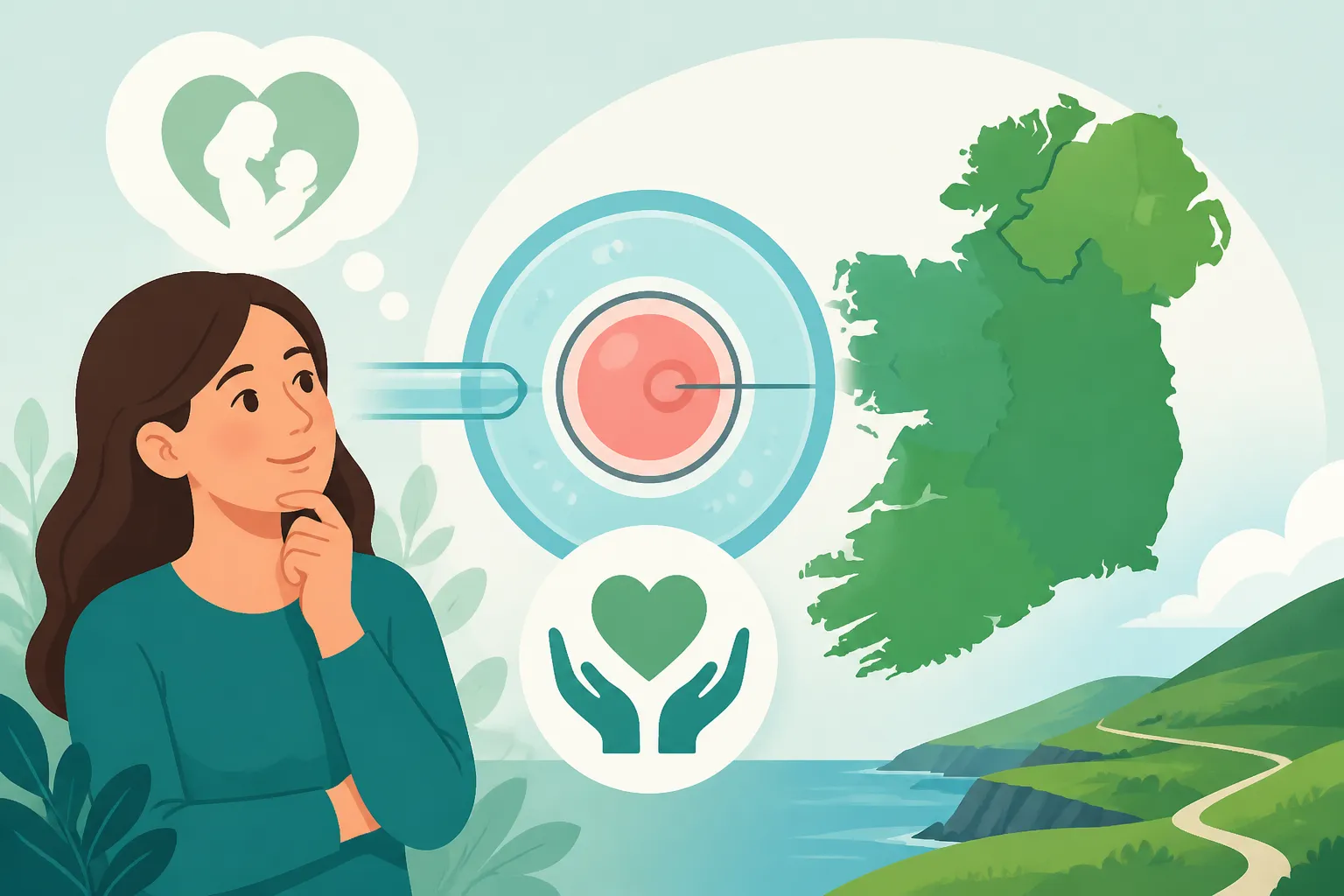
Let's start with the fundamental understanding of what IVF actually entails, especially in the context of living in Ireland. IVF, or In Vitro Fertilisation, is a complex series of procedures used to help with fertility or prevent genetic problems and assist with the conception of a child. It's one of the most effective forms of assisted reproductive technology (ART). The process involves retrieving eggs from your ovaries and a sperm sample, then manually combining an egg and sperm in a lab dish. The embryo (or embryos) is then transferred to the uterus.
For many couples and individuals in Ireland, IVF represents a beacon of hope after struggling with infertility. However, as an expat, the emotional weight of this journey can be compounded by the administrative hurdles and the lack of familiarity with the local system. It's not just about the medical procedure; it's about finding the right information, understanding your rights, and preparing for a significant financial and emotional commitment in a country that might still feel new to you.
Public vs. Private Fertility Services
One of the biggest eye-openers for many newcomers to Ireland is the distinct split between public and private healthcare when it comes to fertility treatments. It’s crucial to grasp this distinction from the outset, as it will heavily influence your path forward.
Public System: The Reality of Limited Access
When we talk about the public healthcare system in Ireland, managed by the Health Service Executive (HSE), it’s important to set realistic expectations for IVF. While the HSE does provide some fertility services, these are almost exclusively limited to initial diagnostic tests and consultations. You might get referred to a public hospital's gynaecology or fertility clinic for basic investigations, but the actual, full-cycle IVF treatment is generally not funded or directly provided by the HSE for most patients.
This can be incredibly frustrating, especially if you come from a country where state-funded fertility treatments are more commonplace. You might find yourself on incredibly long waiting lists just for those initial diagnostic appointments, which can stretch for months, or even over a year, depending on your location and the specific clinic. These delays can be emotionally taxing when you're already in a time-sensitive situation concerning fertility. While the government has pledged to increase access to publicly funded fertility care, including IVF, the full implementation and widespread availability of these services are still evolving. For now, the reality is that the public system mainly serves as a diagnostic gateway rather than a direct provider of comprehensive IVF cycles. If you're looking for a broader understanding of how the Irish healthcare system works, especially the distinction between public and private, take a look at our guide on How Ireland's Health System Works: The HSE vs Private Explained (2027).
Private Clinics: Where Most IVF Journeys Begin
For the vast majority of people seeking IVF in Ireland, the journey leads directly to private fertility clinics. These clinics are the workhorses of assisted reproduction in the country, offering a full spectrum of services from initial diagnostics and consultations to advanced IVF cycles, ICSI, embryo freezing, genetic testing, and donor programmes. You’ll find reputable private clinics dotted across major cities, such as SIMS IVF and ReproMed in Dublin, Beacon Care Fertility also in Dublin, and Waterstone Clinic in Cork and Limerick, as well as NeoFertility.
The primary advantage of going private is significantly shorter waiting times. Once you have a referral (or sometimes even without one, though it's usually recommended), you can typically get an initial consultation much faster, sometimes within weeks. These clinics are equipped with state-of-the-art technology and specialist teams dedicated solely to fertility. However, this level of service comes at a considerable cost, as you will be responsible for the full financial burden of the treatment.
Many expats find this a necessary compromise, trading the long waits and limited options of the public system for the speed and comprehensive care of private providers. It's a pragmatic choice for a highly time-sensitive and emotionally charged medical need. Our comprehensive guide, The Complete Guide to Healthcare in Ireland for Expats (2027), delves deeper into the overall healthcare landscape and might offer further context on navigating these choices.
Eligibility and Referral Process for IVF in Ireland
Navigating the Irish healthcare system for something as specific as IVF means understanding the steps from initial concern to actual treatment. The referral process is key, and while it might seem like just another bureaucratic hoop, it's designed to ensure you get the right care at the right time.
Starting with Your GP and Initial Investigations
Your first port of call, just like for most medical concerns in Ireland, should be your General Practitioner (GP). This is not a step to skip, even if you’re already fairly certain you need fertility treatment. Your GP plays a crucial role in initiating the process and ruling out simpler issues that could be addressed without specialist intervention. If you're new to the country and haven't registered with a family doctor yet, our guide on Registering with a GP in Ireland: The Complete Expat Guide (2027) will walk you through it.
During your initial GP visit, explain your concerns about fertility. They will likely start by taking a detailed medical history from both you and your partner (if applicable), asking about menstrual cycles, previous pregnancies, lifestyle factors, and any underlying health conditions. This initial consultation will also involve a discussion about the duration of your attempts to conceive, as guidelines often suggest seeking help after one year of regular unprotected intercourse, or six months if the female partner is over 35.
Following this, your GP will typically order some preliminary diagnostic tests. For women, these might include blood tests to check hormone levels (like FSH, LH, oestrogen, progesterone, and AMH to assess ovarian reserve), and potentially a physical examination. For men, a semen analysis is usually the first and most important test. These initial investigations are vital for identifying any obvious issues that could be contributing to infertility. The GP may also check for conditions like thyroid disorders, polycystic ovary syndrome (PCOS), or endometriosis. Waiting for these results and then discussing them can be another anxious period, but it's a necessary step to gather information for the specialists. You can find more practical advice on this in How to Register with a GP (Family Doctor) in Ireland.
Referral to a Private Fertility Clinic
Once your GP has completed the initial investigations and determined that specialist fertility intervention is warranted, they will typically issue a referral. This referral is usually directed to a private fertility clinic, as discussed earlier, given the limited IVF services in the public system.
When choosing a private fertility clinic, your GP might have recommendations, or you can do your own research. Factors to consider often include the clinic's location (especially if you'll be travelling for multiple appointments), their success rates (though these can be presented in various ways, so ask for clarification), the range of treatments offered, and patient reviews. Clinics like SIMS IVF, ReproMed, and Waterstone Clinic are well-established and have multiple locations across Ireland, offering a broad spectrum of services.
Once referred, you'll schedule your first consultation at the chosen private clinic. This appointment is comprehensive. The fertility specialist will review all your previous test results, conduct further investigations if needed (which might include more advanced blood tests, ultrasound scans, or a hysteroscopy for women, and further sperm analysis or genetic testing for men). They will then discuss a tailored treatment plan based on your specific diagnosis, which could range from ovulation induction, intrauterine insemination (IUI), to IVF or ICSI. This is where the real planning for your IVF journey begins, and it's essential to feel comfortable with the clinic and its team, as you'll be spending a significant amount of time and trust with them.
The Cost of IVF in Ireland: A Detailed Breakdown
Let's not sugarcoat it: IVF treatment in Ireland is a significant financial undertaking. This is often one of the biggest shocks for expats, especially those coming from countries with more comprehensive state-funded fertility programmes. Understanding the costs upfront, and how you might mitigate them, is absolutely essential.
Typical Costs for a Single IVF Cycle
A full cycle of IVF treatment in a private clinic in Ireland typically ranges from €4,000 to €7,000 or even more, and this is just for the basic procedure. This figure doesn't always include the extensive medication, initial consultations, or additional necessary procedures. Let's break down the common components of this cost:
- Initial Consultations & Investigations: Before you even start the IVF cycle, you'll have several consultations with the fertility specialist, and possibly nurses, along with a battery of diagnostic tests. These can include advanced blood tests, ultrasounds, semen analysis, and other screenings. These pre-cycle costs can easily add up to €1,000 – €2,000.
- IVF Cycle Fee: This is the core cost for the actual IVF procedure, typically covering:
- Monitoring Scans and Blood Tests: Regular check-ups during ovarian stimulation.
- Egg Retrieval: The surgical procedure to collect eggs.
- Sperm Preparation: Processing the sperm sample.
- Fertilisation: Combining eggs and sperm in the lab (either conventional IVF or ICSI, which may be an additional cost).
- Embryo Culture: Growing the embryos for a few days.
- Embryo Transfer: The procedure to place the embryo(s) into the uterus.
- Medication: This is a substantial and often underestimated expense. Fertility medications (hormones for ovarian stimulation, trigger shots, progesterone support) can cost anywhere from €1,000 to €2,500 per cycle, sometimes even more, depending on the dosage and individual response.
- Additional Procedures and Services: Many patients require or opt for extra services that aren't included in the basic cycle fee:
- Embryo Freezing: If you have surplus embryos, freezing them for future use typically costs €500 – €1,000, plus an annual storage fee.
- Sperm Freezing: If a partner needs to freeze sperm as a backup, this is an additional fee.
- Preimplantation Genetic Testing (PGT): Testing embryos for genetic abnormalities can add €2,000 – €4,000 or more per cycle.
- Assisted Hatching: A lab technique sometimes used to help the embryo implant.
- Donor Services: If you require donor eggs or sperm, these costs are significantly higher and variable, potentially adding several thousand euros.
When planning your budget, remember that many couples require more than one IVF cycle. The emotional and financial toll of multiple cycles can be immense. For a broader perspective on medical expenses, you might find our guide on The Cost of Healthcare in Ireland: A Complete Breakdown for Foreigners (2026) helpful, although it won't detail IVF specifically.
Funding and Financial Support
Now, for the critical question: how do you pay for all of this?
Public Funding and Private Health Insurance: Manage Your Expectations
As mentioned, public funding for IVF treatment itself is extremely limited or non-existent in Ireland for most people, at least for the full procedure. While diagnostic tests through your GP might be covered (after your GP visit fee, if applicable), the actual IVF cycle will not be.
Similarly, standard private health insurance plans in Ireland (from providers like VHI, Laya Healthcare, or Irish Life Health) typically do not cover the cost of IVF treatment procedures. This is a widespread misconception that catches many expats off guard. While your health insurance might cover diagnostic investigations related to fertility (like blood tests, scans, or consultations up to a certain point), it's highly unlikely to cover the actual egg retrieval, fertilisation, embryo transfer, or the expensive medications. Some premium or very specific plans might offer a small, limited benefit towards fertility consultations or initial tests, but this is usually a fraction of the total cost. You absolutely must check your policy document meticulously and directly contact your insurer to understand any potential coverage for diagnostic work.
It's also worth noting that most standard travel insurance or general expat health insurance options like SafetyWing are designed for unexpected medical emergencies or general health needs while abroad, not for pre-planned, elective fertility treatments like IVF. While SafetyWing is an excellent choice for covering unforeseen accidents or illnesses, particularly for those on a nomadic journey or new to Ireland, it won't step in to cover your IVF costs. Make sure you have appropriate general health coverage for daily life and emergencies, but understand that specific fertility treatments typically fall outside its scope. It’s always important to clarify policy details with any insurance provider. If you're looking into general health insurance options, our guide Health Insurance in Ireland: VHI, Laya, Irish Life and Options Explained can provide more detail on what to expect from Irish providers. Also, if you’re a newcomer, you should explore How to Buy Private Health Insurance as a Newcomer in Ireland for general health needs.
Tax Relief: A Glimmer of Hope
Here's a piece of genuinely useful information that can help offset some of the costs: you can claim tax relief on qualifying medical expenses, including fertility treatment, through Revenue's Med 1 form. You can claim relief at 20% on the cost of private medical expenses that you haven't been reimbursed for (e.g., by your health insurance).
This means that while you'll pay the full amount upfront to the clinic and pharmacy, you can claim 20% back on eligible costs when you submit your annual tax return. Keep meticulously detailed records of all your receipts, including clinic fees, specialist consultations, and pharmacy costs for medications. This can make a noticeable difference to your overall out-of-pocket expenses. Our guide on How to Claim Tax Relief on Medical Expenses in Ireland explains this process in detail and is highly recommended reading for anyone undergoing significant medical treatment here.
Loans and Personal Savings
For many, funding IVF treatment comes down to personal savings, family support, or taking out a personal loan. Some clinics may offer payment plans, but generally, you'll need to have a significant portion of the funds readily available before commencing treatment. Financial planning is paramount for this journey in Ireland.
Navigating the Process and Practical Advice for Expats
Going through IVF is not just a medical procedure; it's a marathon. As an expat, you might feel a heightened sense of isolation or confusion, so having some practical advice can make a big difference.
Choosing the Right Fertility Clinic
This is perhaps one of the most personal and critical decisions you'll make on your IVF journey. The clinic you choose will be your partner through a very intimate and demanding process.
- Do Your Homework: Start by researching clinics online. Look at their websites, read patient testimonials, and check out any independent review sites. Clinics like SIMS IVF, ReproMed, Beacon Care Fertility, and Waterstone Clinic are some of the larger, well-established options in Ireland. Don't just look at advertised "success rates" in isolation; ask how those rates are calculated (e.g., per cycle started, per embryo transfer, by age group) as statistics can be presented differently.
- The First Consultation Matters: When you book your initial consultation, prepare a list of questions. Ask about their diagnostic approach, what specific treatments they recommend for your situation, their protocols, how they handle communication, and what support services are available. Pay close attention to how the staff makes you feel. Do you feel heard, respected, and confident in their expertise? This is an emotional journey, and a compassionate, transparent team is invaluable.
- Location and Logistics: Consider the clinic's location relative to where you live or work. IVF involves frequent appointments, especially during the stimulation phase, which can mean daily visits for blood tests and scans for about two weeks. Easy access can reduce stress.
- Support Services: Ask if the clinic offers in-house counselling or refers to external therapists specialising in fertility. The emotional toll of IVF is immense, and having professional support is crucial. Some clinics also provide complementary therapies like acupuncture, which some patients find beneficial.
Emotional and Logistical Considerations
Beyond the medical and financial aspects, the day-to-day reality of undergoing IVF as an expat in Ireland brings its own set of challenges.
- The Emotional Rollercoaster: IVF is a journey filled with intense hope, anxiety, disappointment, and sometimes profound grief. It's vital to acknowledge and prepare for this emotional toll. Many expats find themselves far from their usual support networks of family and long-term friends. Seek out expat support groups, online forums, or even dedicated fertility support groups in Ireland. Connecting with others who understand what you're going through can be incredibly validating. Remember, it's okay not to be okay. If you find yourself struggling, don't hesitate to seek professional help. Our article How to Access Mental Health Services in Ireland as an Expat offers guidance on finding support.
- Time Off Work: IVF appointments are non-negotiable and often happen during working hours. You'll need to factor in time off for consultations, daily monitoring, egg retrieval, and embryo transfer. While many employers in Ireland are understanding, it's a good idea to discreetly discuss flexibility or take annual leave for peak periods. Transparency with a trusted manager (if you feel comfortable) can sometimes ease the logistical burden.
- Travel and Accommodation: If you don't live in a city with a fertility clinic, you'll need to consider travel and possibly accommodation costs. Daily commutes for monitoring can be exhausting, so investigate options for staying closer to the clinic for certain phases of your cycle.
- Self-Care is Not a Luxury: In the midst of appointments, medications, and emotional strain, it's easy to neglect yourself. Prioritise self-care, however small: gentle exercise, healthy eating, adequate sleep, and activities that bring you joy. Remember that while SafetyWing is there for unexpected health bumps, looking after your mental and physical well-being proactively is your best defense against burnout.
Here's a quick comparison of the public and private options to help solidify your understanding:
| Feature | Public Fertility Services (HSE) | Private Fertility Clinics |
|---|---|---|
| Availability | Primarily diagnostic and initial consultations; very limited IVF treatment. | Full range of IVF and assisted reproductive technologies (ART). |
| Waiting Times | Potentially long for initial consultations (months-years). | Generally much shorter (weeks). |
| Cost | Diagnostic tests often covered (GP visit may have a fee). IVF treatment not funded. | Full cost borne by patient, typically €4,000 – €7,000+ per cycle. |
| Referral | Required from GP. | Often recommended from GP, or direct booking with clinic. |
| Insurance Coverage | HSE pays for initial tests/consultations, not actual IVF. | Private health insurance rarely covers IVF procedures themselves, may cover diagnostics. |
| Locations | Limited HSE clinics, primarily larger hospitals. | Clinics in major cities (Dublin, Cork, Galway, Limerick). |
| Support Services | Basic, mainly medical. | More comprehensive, including counselling, complementary therapies. |
| Control | Less choice of clinic/specialist, longer wait for decisions. | Full choice of clinic and specialist, faster decision-making. |
In conclusion, accessing IVF treatment in Ireland as an expat means preparing for a journey that is almost exclusively private. This requires significant financial planning and emotional resilience. While the Irish healthcare system offers many excellent services, comprehensive state-funded IVF is not yet widely available. By understanding the costs, leveraging tax relief, and building a strong support system, you can navigate this challenging path with greater confidence. Remember to be kind to yourself throughout the process and seek help whenever you need it.
Disclaimer
The information provided in this guide is intended for general informational purposes only and does not constitute medical, financial, or legal advice. While every effort has been made to ensure accuracy, the Irish healthcare system, immigration policies, and financial regulations can change. Always consult with qualified medical professionals, financial advisors, or legal experts for advice tailored to your specific situation. Reliance on any information in this guide is solely at your own risk.