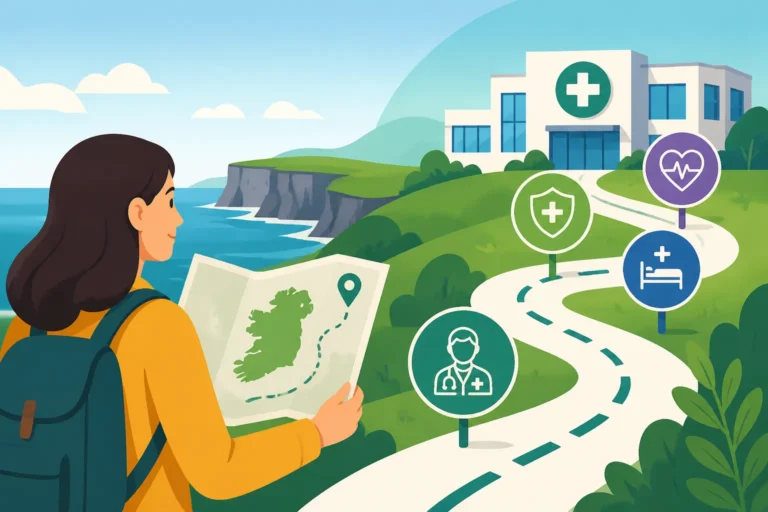
How to Access Mental Health Services in Ireland as an Expat
Moving to Ireland is often sold as a dream of rolling green hills and cozy pub snugs, but the reality for many expats involves a grueling housing search, unpredictable weather, and the silent strain of being far from home. When the "expat blues" turn into something more serious, navigating the Irish mental health system can feel like trying to find your way through a thick Atlantic fog. This guide provides a clear, empathetic roadmap to accessing support, whether through the public HSE system or private channels.
The Central Role of the General Practitioner
In Ireland, the General Practitioner (GP) is the undisputed gatekeeper of the healthcare system. If you are struggling with your mental health, your first port of call isn't typically a specialist clinic or a hospital; it is the small doctor’s office in your local neighborhood. For many newcomers, this can feel like an unnecessary hurdle, especially if you come from a country where you can self-refer to a psychiatrist. However, in Ireland, a GP must assess your needs before you can access any secondary public services.
The Mental Health Consultation and Referral Process
When you book an appointment with a GP specifically for mental health, I highly recommend asking for a "double appointment" if the clinic allows it. A standard ten-minute slot is barely enough to cover a physical ailment, let alone a complex discussion about depression, anxiety, or trauma. During this session, the GP will perform an initial assessment. They may prescribe medication, such as antidepressants or anti-anxiety meds, or they may suggest talk therapy.
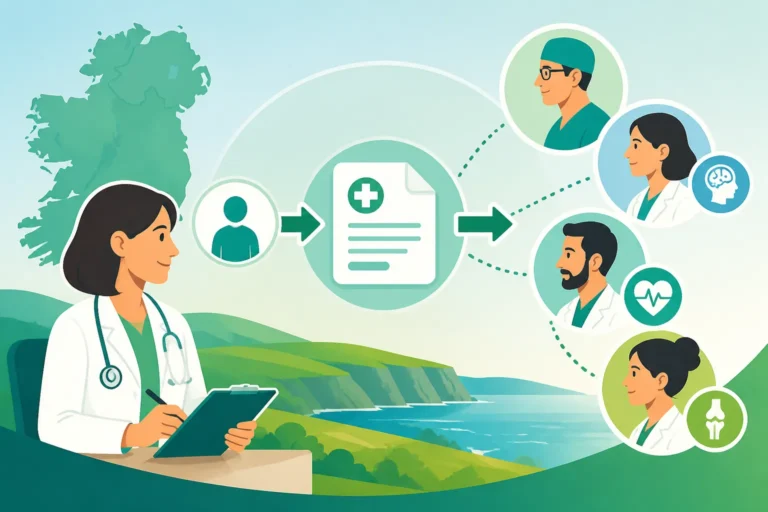
If your needs are more complex—for instance, if you require a diagnosis for ADHD or support for bipolar disorder—the GP will write a referral letter to the local Community Mental Health Team (CMHT). This letter is the golden ticket to the public system. It’s worth noting that the quality of your referral can impact your wait time. Being honest about the severity of your symptoms is crucial; "getting by" is a common expat reflex, but this is the time to be vulnerable so your GP can advocate for your urgency. If you haven't secured a doctor yet, you should read our guide on Registering with a GP in Ireland: The Complete Expat Guide (2027) to understand how to get onto a patient list.
Costs and Financial Assistance for GP Visits
One of the biggest shocks for expats is that seeing a doctor in Ireland is not free for everyone. A standard GP visit usually costs between €60 and €75. If you are on a low income or have specific chronic needs, you might be eligible for a Medical Card or a GP Visit Card, which waives these fees. Without one of these cards, the cost of frequent mental health check-ups can add up quickly.
If you are currently between jobs or waiting for your Irish contract to start, having a safety net is essential. This is where a plan like SafetyWing can be incredibly useful for digital nomads or those in the initial 90-day transition period, providing a layer of protection before you are fully integrated into the Irish system. You can find more details on eligibility in our breakdown of The Expat Guide to the Medical Card and GP Visit Card in Ireland (2027). Knowing Is Healthcare Free in Ireland for Residents? is a common question, and the short answer is: it depends on your "Ordinary Residence" status and your income.
Understanding the HSE Public Mental Health Framework
The Health Service Executive (HSE) is the body responsible for public healthcare in Ireland. While the system is staffed by incredibly dedicated professionals, it is also notoriously overburdened. For an expat, understanding How Ireland's Health System Works: The HSE vs Private Explained (2027) is vital for managing your expectations regarding wait times and the level of care available.
Primary Care vs. Secondary Specialist Services
Public mental health care is divided into tiers. Tier 1 and 2 involve primary care—this is your GP and perhaps a primary care social worker or counselor. The HSE provides a service called "Counselling in Primary Care" (CIPC), which offers up to eight sessions of free counseling to people with a Medical Card who have mild to moderate psychological difficulties.
Tier 3 and 4 are secondary specialist services, which are accessed through the Community Mental Health Teams mentioned earlier. These teams are multidisciplinary, meaning they include psychiatrists, psychologists, community mental health nurses, and occupational therapists. If your referral is accepted, you will be assigned to a team based on your address. This localized approach is great for continuity of care but can lead to a "postcode lottery," where some areas have much shorter wait lists than others.
Navigating the Reality of Waiting Lists
We have to be realistic here: the public waiting lists for mental health services in Ireland can be long. For non-urgent psychological assessments, you might wait anywhere from six months to over a year. This is often the most frustrating part of being an expat in Ireland. You’ve done the hard work of seeking help, only to be told you have to wait.
During this waiting period, it is important to stay in regular contact with your GP. If your condition worsens, they can send an updated "urgent" referral, which may bump you up the list. Additionally, ensure you have your paperwork in order; knowing What Documents Do I Need to See a Doctor in Ireland? will prevent administrative delays when you finally do get that appointment. If you are struggling with the wait, investigating private options or community charities often becomes the necessary next step.
The Private Route: Psychotherapy and Private Insurance
Given the strain on the public system, many expats choose to go private. This path offers significantly faster access to care and more control over the type of therapist you see. In Ireland, the terms "counselor" and "psychotherapist" are often used interchangeably, but it is essential to ensure your practitioner is accredited by a recognized body like the Irish Association for Counselling and Psychotherapy (IACP) or the Psychological Society of Ireland (PSI).
Finding a Private Therapist and Specialist
The best way to find a private therapist is through online directories. You can filter by location, language, and specialty—which is a godsend if you are looking for someone who speaks your native language or understands the specific nuances of the expat experience. Private therapy sessions in Dublin or Cork typically cost between €60 and €100 per hour.
If you require a private psychiatrist for medication management or a formal diagnosis, the costs are higher. An initial consultation can range from €250 to €500. Unlike counselors, you generally still need a GP referral to see a private psychiatrist. This is a common point of confusion for those used to different systems, but even in the private sector, the GP remains the central node of your medical history. If you are comparing your options, check out How Much Does Private Health Insurance Cost in Ireland in 2026? to see how much you might be able to claim back.
Leveraging Private Health Insurance Coverage
If you have private health insurance through providers like VHI, Laya, or Irish Life, you likely have some level of mental health cover. Most mid-to-high-tier plans offer a "day-to-day" or "outpatient" benefit where you can claim back a portion of your counseling fees—usually around €20 to €40 per session, up to a certain yearly limit.
Furthermore, private insurance often provides much faster access to private psychiatric hospitals like St. Patrick’s or St. John of God. These facilities are excellent and offer intensive day programs or inpatient care that is difficult to access quickly in the public system. For those who aren't covered by a corporate plan yet, SafetyWing offers a flexible alternative for travelers and expats who need coverage that moves with them. It is always wise to read The Complete Guide to Healthcare in Ireland for Expats (2027) to understand the interplay between your insurance and the Irish medical infrastructure.
Community-Based and Low-Cost Mental Health Options
If the public wait is too long and the private fees are too high, Ireland has a robust network of non-profit organizations and charities that fill the gap. For many expats, these services are a lifeline, offering professional support on a sliding scale based on what you can afford.
Low-Cost Counseling Services
Organizations like MyMind, Fledgling, and various local "Family Resource Centres" offer low-cost counseling. MyMind, in particular, is a favorite among the expat community because they offer services in multiple languages and provide online sessions. Their fees are structured based on your employment status, making it accessible for students or those currently job-hunting.
Another significant player is Pieta House, which specializes in support for people experiencing self-harm or suicidal ideation. Their services are completely free and do not require a GP referral. While their focus is specific, they are a vital pillar of the Irish mental healthcare landscape. Finding these resources is a key part of learning How to Access Mental Health Support in Ireland?.
Specific Support Groups and Peer Support
Isolation is the silent enemy of the expat. Sometimes, what you need isn't a clinical intervention but a community of people who understand what you are going through. Aware is an Irish charity that provides support groups for those dealing with depression, anxiety, and bipolar disorder. These groups are currently held both in-person across Ireland and online.
For more targeted support, Grow Mental Health offers a 12-step peer support program that helps people recover from mental health challenges through community and shared experience. These groups provide a sense of belonging that is often lost when we move to a new country. They can be a great supplement to professional therapy, helping you build a local support network from scratch.
Handling Crisis and Emergency Situations
If you or someone you know is in an immediate mental health crisis, you cannot wait for a GP appointment or a referral letter. You need to know how the emergency system works in Ireland to get help fast.
When to Use the Accident & Emergency (A&E) Department
In a crisis, you can go to the A&E department of any general hospital. Most large hospitals in Ireland, such as St. James’s or Beaumont in Dublin, have a psychiatric liaison team. This means there is a psychiatric nurse or doctor on call who can assess you in the emergency room.
Be aware that A&E is a high-stress environment and wait times can be significant. If you do not have a Medical Card or a GP referral letter, you will be charged a standard fee of €100 for the visit. You can find more details on these costs in our guide to How Much Does an A&E Visit Cost in Ireland?. Despite the wait, it is the safest place to be if you are in immediate danger. For a broader overview of urgent care, see Emergency Medical Care in Ireland: What Every Expat Needs to Know.
Crisis Helplines and Text Services
If you need to talk to someone immediately but don't feel a hospital visit is necessary yet, Ireland has several 24/7 helplines. Samaritans Ireland (116 123) is a free, confidential service for anyone who needs to talk. There is also a dedicated text service called "50808," where you can text a trained volunteer at any time of the day or night.
These services are excellent for de-escalating a situation and helping you find the clarity needed to make a plan for the following day. For expats, having these numbers saved in your phone is a small but vital step in your "relocation kit."
| Service Type | Provider Examples | Access Method | Estimated Cost |
|---|---|---|---|
| Public Primary Care | Local GP / CIPC | GP Referral | €0 (Medical Card) / €65+ (Private) |
| Public Specialist | HSE Community Teams | GP Referral | Free (if eligible/referred) |
| Private Therapy | IACP / PSI Members | Self-Referral | €60 – €100 per session |
| Private Psychiatry | Private Clinics | GP Referral | €250 – €500 (Initial) |
| Low-Cost Charity | MyMind / Pieta | Self-Referral | Sliding Scale (€0 – €50) |
| Crisis Support | A&E / Samaritans | Walk-in / Phone | €100 (A&E) / Free (Phone) |
Cultural Nuances and Practical Advice for Newcomers
Accessing healthcare is as much about cultural navigation as it is about medical procedures. Ireland has its own unique way of discussing (or not discussing) mental health, and as an expat, being aware of these nuances can save you a lot of confusion.
The "Ah, Sure It’ll Be Grand" Phenomenon
You will quickly hear the phrase "It'll be grand" in Ireland. While usually meant to be comforting, it can sometimes feel dismissive when you are trying to explain a serious mental health struggle. In a clinical setting, an Irish doctor might use understatement. If they say a situation is "a bit of a bother," they might mean it's quite serious.
As an expat, you may need to be more explicit and assertive about your needs than you would be at home. Don't let the polite, indirect nature of Irish communication prevent you from getting the level of help you require. If you feel you aren't being heard, don't be afraid to seek a second opinion or change GPs. Finding the right fit is essential, and you can learn How to Find and Register with a Local GP Practice in Ireland to explore your options.
Managing Logistics and Paperwork
Finally, keep a folder (digital or physical) of all your medical records from your home country. If you have been treated for a mental health condition before moving to Ireland, having your previous diagnosis, medication history, and psychiatrist’s notes will drastically speed up the referral process. Irish doctors appreciate having a clear history to work from.
Also, remember that moving is a "high-stress life event." Give yourself permission to struggle. Accessing support isn't a sign that your move has failed; it's a sign that you are taking your long-term success in Ireland seriously. Whether you use public services, private clinics, or a flexible solution like SafetyWing to cover your initial months, the most important thing is to take that first step.
Medical Disclaimer
The information provided in this guide is for informational and educational purposes only and does not constitute professional medical advice, diagnosis, or treatment. Always seek the advice of your physician or other qualified health provider with any questions you may have regarding a medical condition. Never disregard professional medical advice or delay in seeking it because of something you have read in this guide. If you are in a life-threatening emergency, please contact 999 or 112 immediately.