How Do I Find a Fertility Clinic in Dublin?
Trying to navigate the Irish healthcare system for something as deeply personal and often emotionally charged as fertility treatment can feel like an impossible maze, especially when you’re new to the country. The sheer mental load of understanding a new system, coupled with the emotional rollercoaster of trying to conceive, can be overwhelming. This guide is here to walk you through the specifics of finding and accessing fertility clinics in Dublin, from those first crucial steps with your GP to choosing the right clinic for your unique journey.
Understanding Fertility Services in Dublin as an Expat
When you first arrive in Ireland, one of the biggest challenges can be understanding how to access basic medical care, let alone something as specialised as fertility treatment. You might be used to a system where you can directly approach specialists, but here, the journey often begins with your General Practitioner (GP). For expats, even securing a GP can be a hurdle, as many practices in Dublin are at capacity.
Initial Steps and Referrals
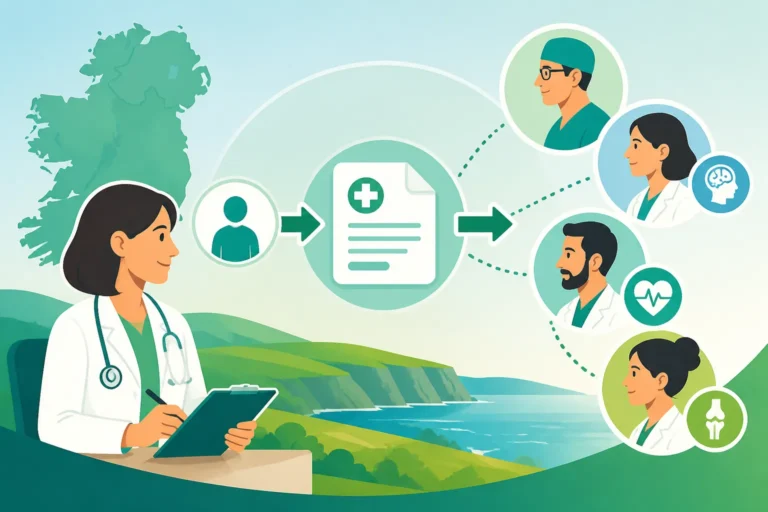
Your GP is the gatekeeper to most specialist medical services in Ireland. When you suspect you might need fertility assistance, your first port of call, no matter how frustrating it might feel to add another step, has to be your GP. They are the ones who will conduct initial assessments, run basic tests, and, crucially, provide a referral to a fertility specialist or clinic. Without that referral, most private clinics won't even book you in for a first consultation, and public services are practically inaccessible for direct self-referral.
I remember when my friend, Sarah, first tried to get an appointment for fertility concerns. She'd moved from Canada, where specialist access was much more direct. She spent weeks trying to find a GP accepting new patients in South Dublin, feeling like she was wasting precious time. When she finally got in, the GP was lovely but explained that the initial tests, like blood work and semen analysis, would take a few more weeks to process. It felt like an endless wait. This is a common experience, so arm yourself with patience, and perhaps review our guide on Registering with a GP in Ireland: The Complete Expat Guide (2027) to get ahead of the curve.
During this initial stage, your GP will typically investigate common causes of infertility for both partners, if applicable. This might include hormone tests, checking for conditions like PCOS, assessing ovulation cycles for women, and performing a semen analysis for men. These preliminary steps are vital, not just for the referral, but also to ensure you're directed to the most appropriate type of specialist. The emotional toll during this phase can be immense, so remember to lean on your support network and perhaps look into How to Access Mental Health Services in Ireland as an Expat as early as you need to.
Public vs. Private Fertility Care: The Dublin Landscape
Ireland's healthcare system, as many of us expats quickly learn, operates on a dual public and private model. Fertility treatment is a prime example where this distinction becomes particularly stark.
Public Fertility Services:
The reality is, public fertility services in Ireland are limited, especially for advanced treatments like IVF. While some public hospitals, particularly the major maternity hospitals in Dublin like the Rotunda, the Coombe (National Maternity Hospital), and Holles Street (National Maternity Hospital), may offer initial investigations, diagnostic services, and sometimes simpler treatments like ovulation induction or IUI (Intrauterine Insemination), they generally do not provide full-cycle IVF or advanced reproductive technologies. The waiting lists for even these initial public consultations can be incredibly long – often extending to many months, or even over a year, depending on the hospital and the specific service.
For expats, relying solely on the public system for fertility treatment often means significant delays, which can be heartbreaking when you're on a biological clock. Moreover, the range of treatments available publicly is far less comprehensive than in the private sector. It's truly a difficult pill to swallow when you're facing a time-sensitive issue and feel bogged down by bureaucracy. If you're exploring the broader healthcare system, our Public vs Private Healthcare in Ireland: Which Should Expats Choose? guide offers a deeper dive into the overall differences.
Private Fertility Services:
This is where the majority of significant fertility treatment happens in Dublin. Private clinics offer a full spectrum of services, from basic consultations and diagnostics to advanced reproductive technologies (ART) like IVF (In Vitro Fertilisation), ICSI (Intracytoplasmic Sperm Injection), egg freezing, sperm donation, egg donation, and pre-implantation genetic testing.
The advantages of the private route are clear: shorter waiting times (though even private clinics can have a wait for initial consultations), access to a wider range of advanced treatments, and often a more personalised approach. However, these services come at a substantial cost. Unlike many other medical treatments, fertility treatments are often not covered by standard private health insurance policies, or if they are, the coverage is minimal and often excludes the actual IVF cycle itself. This means most of the financial burden falls directly on the patient. Understanding this financial aspect is critical, and our guide on The Cost of Healthcare in Ireland: A Complete Breakdown for Foreigners (2026) might offer a broader context for medical expenses.
Navigating Dublin's Private Fertility Clinics
Once you have that all-important GP referral in hand, the real work of choosing a clinic begins. Dublin is home to several reputable private fertility clinics, each with its own strengths, specialities, and approach. It's worth remembering that this is an intensely personal decision, and what works for one couple might not work for another.
Key Private Fertility Clinics in Dublin
Here are some of the most prominent private fertility clinics you’ll find in Dublin:
- Merrion Fertility Clinic: Located in Ballsbridge, Dublin 4, this clinic has a strong reputation and is affiliated with the National Maternity Hospital at Holles Street. They offer a comprehensive range of services, including IVF, ICSI, IUI, egg freezing, and donor programmes. Many people speak highly of their experienced team and patient-focused care. Being in Ballsbridge, it's easily accessible for those living in or commuting to south Dublin.
- SIMS IVF Dublin: With a clinic conveniently located in Clonskeagh, Dublin 14, SIMS IVF is one of the largest and most well-known fertility groups in Ireland. They have a vast range of services, including a strong focus on research and advanced techniques. They also operate satellite clinics outside Dublin, which can be useful for initial consultations if you're further afield, though main treatments will be in their Dublin facility.
- ReproMed Ireland (Dublin Clinic): Situated in Dundrum, Dublin 14, ReproMed is another major player in the Irish fertility landscape. They offer a wide array of treatments, including their own donor sperm bank and an active egg donation programme. They also place a significant emphasis on genetic screening and male fertility. Their Dundrum location makes them very accessible by Luas (tram) if you're using public transport.
- Rotunda IVF: While the Rotunda Hospital is a public maternity hospital, they have a private IVF clinic adjacent to the main hospital in Dublin 1. This clinic leverages the expertise of one of Ireland's oldest and most respected maternity institutions. They offer a full range of services and benefit from being connected to a broader hospital network.
These clinics are generally highly professional, employing experienced reproductive endocrinologists, embryologists, and nursing staff. They all adhere to the regulations set by the Health Products Regulatory Authority (HPRA) for assisted human reproduction.
What to Look for in a Fertility Clinic
Choosing the right clinic can feel like finding a needle in a haystack, especially when you're already stressed. Beyond geographical convenience, here’s a checklist of factors that expats should consider:
- Success Rates: While tempting to focus solely on these, remember that success rates are highly individual and depend on many factors, including age, diagnosis, and treatment type. Clinics are required to publish their rates, but compare them carefully and understand what they actually mean. Ask the clinic for their specific success rates relevant to your age group and diagnosis.
- Range of Services: Does the clinic offer all the treatments you might need, or are they specialised in only a few areas? Consider not just IVF/ICSI, but also IUI, egg/sperm freezing, donor programmes, and any specific diagnostic tests that might be relevant to your situation (e.g., genetic testing).
- Accreditation and Regulation: Ensure the clinic is fully regulated by the HPRA. This provides a baseline level of safety and quality assurance.
- Cost Transparency: Fertility treatment is expensive. Ask for a detailed breakdown of all potential costs, including consultations, scans, medications, lab fees, and storage fees. Are there any hidden costs? What are the payment plans available?
- Patient Support and Counselling: This is huge. Fertility treatment is emotionally draining. Does the clinic offer in-house counselling? Is there a dedicated patient support team? How easy is it to communicate with nurses and doctors? A clinic that truly understands the expat experience can make a significant difference. Many expats report feeling isolated, and having empathetic staff is crucial.
- Clinic Culture and Communication: Pay attention to how the staff communicates with you during your initial inquiries. Are they responsive? Do you feel heard? For expats, clear and empathetic communication can greatly reduce anxiety. Don't be afraid to read online reviews, though take them with a pinch of salt, and trust your gut feeling after an initial chat or visit.
- Location and Accessibility: Dublin traffic and parking can be a nightmare. Consider how easy it is to get to the clinic for frequent appointments, especially early morning scans. Is it near public transport (Luas, DART, bus)?
| Clinic Name | Location (Dublin District) | Key Services Offered | Noted For / What to Ask About |
|---|---|---|---|
| Merrion Fertility Clinic | Ballsbridge, D4 | IVF, ICSI, IUI, Egg/Sperm Freezing, Donor Programmes, Fertility Preservation | Affiliation with National Maternity Hospital, experienced team, patient-focused care |
| SIMS IVF Dublin | Clonskeagh, D14 | IVF, ICSI, IUI, Egg/Sperm Freezing, Donor Programmes, Genetic Testing | Largest group in Ireland, research-focused, extensive facilities |
| ReproMed Ireland (Dublin) | Dundrum, D14 | IVF, ICSI, IUI, Egg/Sperm Freezing, Donor Programmes (own bank), Male Fertility | Emphasis on genetic screening, own donor sperm bank, accessible by Luas |
| Rotunda IVF | Parnell Square, D1 | IVF, ICSI, IUI, Egg/Sperm Freezing, Donor Programmes, Fertility Assessments | Connected to the historic Rotunda Hospital, holistic approach |
The Cost Factor: What to Expect
Let's not sugarcoat it: fertility treatment in Ireland is expensive, and it's a major financial consideration for most expats. A typical initial consultation can range from €200-€350. Diagnostic tests can add hundreds, if not thousands, to this. For treatments:
- IUI (Intrauterine Insemination): Generally ranges from €800-€1,500 per cycle, excluding medication.
- IVF (In Vitro Fertilisation): A single cycle of IVF can cost anywhere from €4,500 to €6,500, and often significantly more when you factor in all associated costs like medication (which can be €1,000-€3,000+ per cycle), additional procedures (e.g., ICSI, assisted hatching), embryo freezing/storage, and follow-up appointments. It's rare that one cycle is enough.
- Egg Freezing: Can be around €3,000-€5,000 for the procedure, plus annual storage fees.
Insurance and Fertility Treatment:
This is where many expats hit a wall. Most standard private health insurance policies in Ireland (from providers like VHI, Laya, Irish Life Health) offer very limited, if any, coverage for fertility treatments. They might cover initial consultations, diagnostic tests (like blood tests or scans), and sometimes parts of less invasive treatments like IUI. However, the vast majority of plans do not cover the cost of IVF cycles or associated medications. You absolutely must check the specifics of your policy and be prepared to self-fund most of the costs. If you're thinking about health insurance, it’s worth reviewing Health Insurance in Ireland: VHI, Laya, Irish Life and Options Explained and specifically looking into Understanding Health Insurance Waiting Periods and Lifetime Loading in Ireland, as there are often long waiting periods before any benefits kick in for pre-existing conditions or even new elective treatments.
It’s a tough reality, but it’s crucial to be financially prepared for this journey. Some clinics offer package deals for multiple cycles, or financing options, so always ask. Remember, it's not just the upfront cost; you'll have frequent consultant appointments, and our guide on How Much Does a Consultant Appointment Cost in Ireland? can give you an idea of those expenses.
Practical Tips for Expats Seeking Fertility Treatment in Dublin
Beyond the clinical aspects, there are numerous practicalities and emotional considerations unique to expats undergoing fertility treatment in Ireland. It’s a marathon, not a sprint, and preparation is key.
Preparing for Your First Appointment
The initial consultation at a fertility clinic is your opportunity to understand your options, assess the clinic's suitability, and build a rapport with the medical team.
- Gather All Medical Records: If you’re coming from another country, this is non-negotiable. Bring absolutely everything: blood test results, scan reports, previous treatment summaries, and any specialist letters. Even if it seems irrelevant, bring it. The Irish healthcare system can be particular, and having a comprehensive history will save you time and potentially duplicate expensive tests. Organize it neatly, perhaps in a binder, so you can easily reference it.
- Prepare a List of Questions: You’ll be bombarded with information. Write down every question you have, no matter how small. This includes questions about the diagnostic process, treatment options, success rates for your specific situation, costs, payment plans, and patient support. Asking about what How Specialist and Consultant Referrals Work in Ireland can also be helpful if you need to go outside the clinic for any reason.
- Bring Your Partner (if applicable): If you're undergoing treatment as a couple, both partners should attend the initial consultation. This ensures both are fully informed and can ask questions, as fertility is a shared journey.
- Manage Expectations: Be realistic about the timeline. Fertility treatment is rarely a quick fix. There will be waiting times, tests, cycles, and potentially setbacks. Embrace the process, but don't let it consume you entirely.
- Understand the Jargon: The world of fertility treatment has its own language. Don't be afraid to ask for explanations of terms like "down-regulation," "ovarian stimulation," "embryo transfer," or "luteal phase support." You have a right to understand what's happening to your body.
Support Systems and Resources
Moving through fertility treatment as an expat can feel incredibly isolating. You might be far from family and your usual support network. Actively seeking out support systems is not just helpful, it's essential for your mental and emotional well-being.
- Expat Communities: Engage with expat groups in Dublin or online forums. While specific fertility groups might be private, general expat groups can offer a safe space to share experiences and get local recommendations. Many have gone through similar medical journeys.
- Counselling Services: Most fertility clinics offer in-house counselling, and I cannot stress enough how valuable this can be. It provides a confidential space to process emotions, grief, anxiety, and relationship strains that fertility treatment often brings. If your clinic doesn't offer it, or you prefer an external option, seek out independent counsellors specialising in fertility issues. This is a critical aspect of The Complete Guide to Healthcare in Ireland for Expats (2027).
- National Fertility Support Groups: Organisations like Fertility Network Ireland provide information, support, and a community for those undergoing fertility treatment. They often run events, online forums, and can connect you with peer support.
- Friends and Family: While they might be far away, leverage video calls and messaging. Keep them informed to the extent you feel comfortable, so they can offer support from afar. Many clinics also understand the need for international support, so don't be afraid to ask about accommodations for family involvement if needed.
Remember, you’re not alone in this. While the administrative hurdles and the costs in Ireland can be daunting, Dublin has excellent fertility clinics and dedicated professionals. Equip yourself with knowledge, advocate for yourself, and build a strong support system. This journey, while challenging, is absolutely manageable. Knowing Navigating the Irish Healthcare System: An Expat's Roadmap (2027) will also help you feel more in control.
Disclaimer
The information provided in this guide is for general informational purposes only and does not constitute medical advice. Healthcare regulations, services, and costs in Ireland can change. Always consult with a qualified healthcare professional, such as your GP or a fertility specialist, for diagnosis, treatment, and personalised medical advice relevant to your specific situation. This guide does not endorse any specific clinic or service, and individuals should conduct their own thorough research before making decisions about their healthcare.