How Much Does a Blood Test Cost in Ireland?
Moving to Ireland is an adventure, but let's be honest, navigating a new healthcare system can feel like trying to decipher an ancient Celtic manuscript. One of the common head-scratchers for new arrivals, or even long-term expats, is understanding the cost of basic medical procedures, like a simple blood test. It's not always as straightforward as walking into a clinic and getting a price list. This guide is here to shed some light on what you can expect to pay for blood tests in Ireland, whether you're going through the public system or opting for private care, and how your insurance or medical card might factor into the final bill.
Understanding the Landscape of Blood Tests in Ireland
Getting bloods taken is often a routine part of healthcare, whether it's for a check-up, diagnosing an illness, or monitoring a chronic condition. But unlike some countries where you might directly book a lab test, Ireland’s system usually involves a few more steps, and understanding these steps is key to grasping the costs involved.
Why Blood Tests are Crucial, but Often Confusing
Blood tests are incredibly versatile diagnostic tools, providing doctors with a snapshot of what's happening inside your body. They can detect infections, assess organ function, screen for diseases, and check nutrient levels. For expats, the confusion often starts because the pathway to getting these tests, and subsequently their cost, isn't always clearly signposted. You can't usually just walk into a lab off the street and request specific tests without a doctor's order. This means your journey almost always starts with a visit to a GP. The cost of that initial GP visit, in itself, is a significant part of the puzzle.
Public vs. Private System for Blood Tests
Ireland operates a two-tiered healthcare system: public and private. For blood tests, this distinction is crucial for both access and cost.
The Public System (HSE): This is primarily funded by the state. If you are eligible for public healthcare (which most residents are after establishing "ordinary residence"), your GP will refer you for blood tests, which are typically processed through HSE-affiliated labs. The direct cost for the test itself is often minimal or zero if you have certain entitlements, but the initial GP visit fee can still apply.
The Private System: This involves private GPs, private clinics, and private hospitals. Here, you pay directly for services. While you still usually need a referral from a GP, the tests are processed by private labs. The benefit here is often quicker appointments and results, but the cost is considerably higher.
Understanding where you fit into this system, and what entitlements you might have, will heavily influence how much you end up paying for your blood test.
The Public Health System: HSE and Costs
For many long-term residents and expats who have established their lives here, the public system is their primary point of contact for routine healthcare, including blood tests.
GP Referrals and Public Hospital Labs
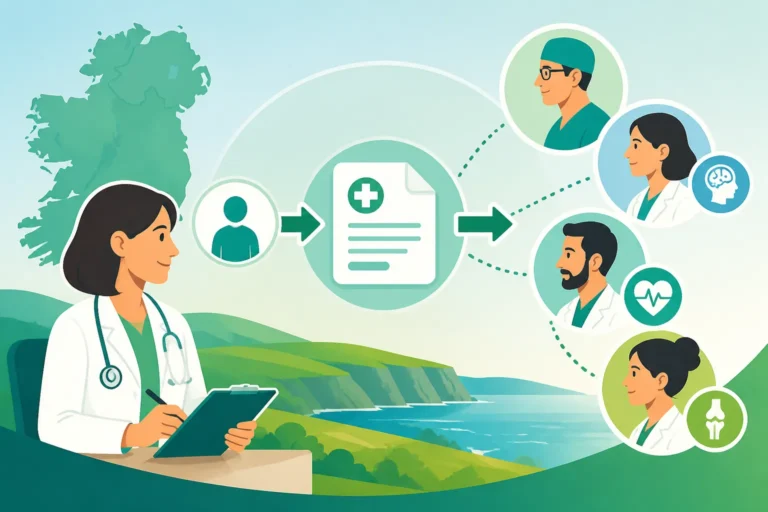
When you visit your General Practitioner (GP) in Ireland for a health concern, they might determine that blood tests are necessary. If you're going through the public system, your GP will give you a referral form or electronically request the tests. You will then typically attend a phlebotomy clinic, often located within a local health centre or public hospital, to have your blood drawn.
The crucial point here is the cost of the GP visit itself. Without a Medical Card or a GP Visit Card, a standard GP consultation can range from €60 to €70 (and sometimes more in urban areas like Dublin). This fee covers the consultation and the doctor's decision to order the tests. The actual blood test collection and analysis, once referred by a public GP to an HSE lab, is generally covered by the state, meaning you won't face an additional bill for the tests themselves. So, effectively, the cost of your blood test in the public system is largely the cost of your GP visit, provided you meet the residency requirements for public healthcare. For a deeper dive into these entitlements, you might find our guide on The Expat Guide to the Medical Card and GP Visit Card in Ireland (2027) incredibly helpful.
Unexpected Costs and Waiting Times in the Public System
While the direct cost of the blood test itself might be covered, there can be unexpected expenses or inconveniences.
A&E Charges: If you attend a public hospital's Emergency Department (A&E) and blood tests are taken as part of your assessment, you will likely incur the standard A&E charge, which is currently around €100-€120, unless you are subsequently admitted to the hospital, have a Medical Card, or fall under certain exemption categories. This is an important consideration; A&E should only be for genuine emergencies, not for routine blood tests, both for cost and appropriate use of services.
Waiting Times: The public health system, while largely free at the point of service for eligible residents, is known for its waiting lists. While routine blood tests usually have relatively short wait times for the actual draw and results, if your blood test is part of a referral to a specialist (e.g., for complex diagnostic work), the waiting time to see that specialist and discuss the results can be substantial. This delay can be frustrating when you're anxious for answers. For a broader understanding of the system's challenges, check out our piece on How Ireland's Health System Works: The HSE vs Private Explained (2027).
Private Options for Blood Tests: Convenience at a Price
For those who value speed, or perhaps prefer a more streamlined experience, the private system offers an alternative, but it comes with a higher price tag.
Private GP Services and Labs
If you consult a private GP, you'll pay their consultation fee directly, which can range from €70 to €120 or more, depending on the clinic and location. If that private GP determines you need blood tests, they will refer you to a private laboratory. These private labs then charge directly for the tests performed.
Many private GP clinics have partnerships with local private labs or even have phlebotomy services on-site. Major private hospital groups like the Mater Private, Beacon Hospital, and Blackrock Clinic all have extensive private diagnostic services, including blood testing. There are also independent private phlebotomy clinics that exclusively offer blood collection and testing. These typically require a referral from any GP (public or private). The charges for the blood tests themselves at a private lab can vary significantly depending on the number and type of tests requested. For example, a basic full blood count might be relatively inexpensive, but more specialised tests (like comprehensive hormone panels, specific allergy tests, or extensive vitamin/mineral screens) can quickly add up. You can learn more about private hospital services in our guide: How to Use Private Hospitals Like the Mater, Beacon and Blackrock in Ireland.
Direct Access vs. GP Referral in Private Care
While some private clinics or labs might advertise "direct access" blood tests, allowing you to pay for and get specific tests without a GP referral, this is less common for comprehensive or diagnostic panels. Even in the private system, a GP referral is generally advisable, if not required, for most blood tests. Why? Because a doctor needs to interpret the results in the context of your overall health and symptoms, and then advise on the next steps. Self-ordering tests can lead to misinterpretation, unnecessary worry, or a delay in proper diagnosis. So, while you're paying for private convenience, the initial GP visit to get that referral and subsequent interpretation is still a wise investment in your health.
For those just arriving or on a shorter stay, without access to the full Irish public health system or local private health insurance, companies like SafetyWing offer travel and medical insurance that may cover necessary diagnostic tests, including blood tests, if they are medically required due to an acute illness or injury covered by your policy. However, this is typically for emergency situations or unexpected medical needs, not routine check-ups. It's crucial to thoroughly review any such policy's terms and conditions, especially regarding outpatient care and pre-existing conditions.
Breaking Down the Costs: What You Can Expect to Pay
The cost of a blood test in Ireland isn't a single, fixed figure. It's a combination of factors, primarily whether you're using the public or private system, your eligibility for support, and the specific tests being performed.
Typical Costs for Common Blood Tests
Let's look at some approximate costs. Remember these are estimates and can vary by clinic and region.
- GP Visit Fee (without Medical/GP Visit Card): €60 – €120 (This is often the primary "cost" in the public system if no further lab fee is charged).
- Private GP Consultation: €70 – €120+
- Full Blood Count (FBC) / Complete Blood Count (CBC):
- Public (with GP referral, no card): Cost is covered after GP fee.
- Private Lab (referral from private GP): €20 – €40
- Cholesterol Panel (Lipid Profile):
- Public (with GP referral, no card): Cost is covered after GP fee.
- Private Lab: €40 – €70
- Thyroid Function Tests (TSH, T3, T4):
- Public (with GP referral, no card): Cost is covered after GP fee.
- Private Lab: €50 – €100+ (depending on how many hormones are tested)
- Vitamin D Level:
- Public (with GP referral, no card): Cost is covered after GP fee (though some GPs might suggest it's not clinically necessary and thus not covered unless specific symptoms).
- Private Lab: €50 – €90
- Blood Glucose (Diabetes Screening):
- Public (with GP referral, no card): Cost is covered after GP fee.
- Private Lab: €25 – €50
- Liver Function Tests (LFTs):
- Public (with GP referral, no card): Cost is covered after GP fee.
- Private Lab: €40 – €70
- Kidney Function Tests (U&Es):
- Public (with GP referral, no card): Cost is covered after GP fee.
- Private Lab: €40 – €70
If you need a range of tests, a private lab will often offer a "panel" or "health screen" at a slightly reduced rate compared to ordering each test individually, but it will still be a significant out-of-pocket expense.
Factors Influencing the Final Bill
Several factors will play a role in your final bill:
- GP Fee: As mentioned, this is often the most significant component if you don't have a Medical Card or GP Visit Card.
- Number and Type of Tests: Basic tests are cheaper than complex, specialised tests (e.g., genetic screening, advanced immunology tests). The more tests, the higher the private lab bill.
- Public vs. Private Route: The private route is invariably more expensive due to direct billing for both the consultation and the lab work.
- Location: GP fees and private lab charges can vary slightly between urban centres (like Dublin) and rural areas.
- Insurance/Entitlements: Having a Medical Card, GP Visit Card, or certain private health insurance plans can significantly reduce or eliminate out-of-pocket expenses for certain elements.
For a comprehensive look at what healthcare expenses you might encounter, our guide on The Cost of Healthcare in Ireland: A Complete Breakdown for Foreigners (2026) provides valuable context.
Navigating Payment and Insurance for Blood Tests
Understanding how your existing coverage or entitlements interact with the costs of blood tests is crucial for managing your healthcare budget in Ireland.
Medical Card and GP Visit Card Benefits
If you have a Medical Card, your GP visits (including any necessary blood test referrals) are free of charge. Furthermore, the blood tests themselves, if ordered by your GP and processed through the HSE system, will also be free. This is a massive benefit for those eligible, as it covers the entire typical cost of getting a blood test.
The GP Visit Card, while not as comprehensive as the Medical Card, covers the cost of GP consultations. This means you won't pay the doctor's fee, and if they refer you for blood tests through the HSE system, those tests will also be covered. So, for many, the GP Visit Card effectively makes the process of getting a blood test free, removing the most common barrier to access in the public system. For detailed eligibility criteria, refer to Understanding the Medical Card Means Test in Ireland and How to Apply for a GP Visit Card in Ireland.
The Role of Private Health Insurance (VHI, Laya, Irish Life)
This is where it gets a bit tricky for expats. Standard private health insurance policies from providers like VHI, Laya Healthcare, or Irish Life Health in Ireland are primarily designed to cover inpatient hospital stays and private consultant fees. They generally do not cover routine GP visits or standalone outpatient blood tests unless you have a very specific, often higher-tier, plan with a significant "outpatient benefit" package. Even then, these outpatient benefits often have an excess (you pay the first portion yourself) and limitations on the total amount you can claim back for GP visits and diagnostic tests.
So, while private health insurance is excellent for covering the high costs of private hospital stays or specialist appointments, don't expect it to automatically make your routine blood tests free. You'll almost always pay for your GP visit (public or private) out of pocket, and if you opt for private lab tests, you'll pay for those too, unless your specific plan's outpatient benefit kicks in. Always check your policy details or call your insurer to confirm what is covered. If you're considering your options, our guide on Health Insurance in Ireland: VHI, Laya, Irish Life and Options Explained is an invaluable resource.
Claiming Tax Relief on Medical Expenses
Here's a bit of good news: you can claim tax relief at the standard rate of 20% on certain unreimbursed medical expenses. This includes fees paid to GPs, consultants, and diagnostic tests (like blood tests) carried out on their recommendation. So, if you've paid for a private GP visit and subsequent private blood tests out of your own pocket, you can claim 20% of that cost back from Revenue (Ireland's tax authority).
You claim this relief online via your "myAccount" on Revenue.ie at the end of the tax year. It's crucial to keep all your receipts for GP visits and private lab tests, as you'll need them to make your claim. This won't make the tests free, but it will reduce your overall out-of-pocket expense. To understand this process better, read our article on How to Claim Tax Relief on Medical Expenses in Ireland.
Estimated Costs at a Glance
To give you a clearer picture, here's a table summarising estimated costs for common scenarios:
| Scenario | GP Visit Cost (Estimate) | Blood Test Cost (Estimate) | Total Out-of-Pocket (Estimate) | Notes |
|---|---|---|---|---|
| Public System | ||||
| With Medical Card | €0 | €0 | €0 | Fully covered by the state. |
| With GP Visit Card | €0 | €0 | €0 | GP visit covered, and tests referred to HSE lab are covered. |
| No Card, Public GP Referral | €60 – €120 | €0 | €60 – €120 | You pay the GP fee. The tests, if processed by an HSE lab, are covered. |
| A&E Visit (non-admitted, no card) | N/A | €100 – €120 | €100 – €120 | A&E charge applies if bloods are part of an emergency assessment and you are not admitted. Not recommended for routine tests. |
| Private System | ||||
| Private GP & Private Lab (Single/Few Tests) | €70 – €120 | €20 – €100 | €90 – €220 | You pay for the private GP consultation and the individual tests at the private lab. Prices vary significantly based on test type and number. |
| Private GP & Private Lab (Panel/Screen) | €70 – €120 | €150 – €400+ | €220 – €520+ | For more comprehensive panels (e.g., hormone, wellness screens). Costs can go much higher for very specialised tests. |
| With Private Health Insurance (Outpatient Benefit) | €70 – €120 | €20 – €400+ | Varies (often still €70 – €120+) | Private health insurance rarely covers the full cost of outpatient GP visits or diagnostic tests. You usually pay the full amount upfront and can claim back a portion if your plan has a specific outpatient benefit and you've met any excess. Many plans don't cover this or have very limited benefits. You might still claim 20% tax relief on the unreimbursed portion. This is often the case for new arrivals using an international policy like SafetyWing as well. |
Please note: These are general estimates for 2026. Actual costs can fluctuate. Always ask for an estimated quote from your private GP or lab before proceeding.
Getting a blood test in Ireland doesn't have to be a financially draining experience, but it does require understanding the system. Whether you're a new expat still figuring out your feet or a long-term resident, knowing your options and entitlements is key. Always start with your GP, understand their referral process, and don't hesitate to ask for cost estimates upfront, especially if going the private route.
Disclaimer
The information provided in this guide is for general informational purposes only and does not constitute medical, financial, or legal advice. While we strive to keep the information accurate and up-to-date, healthcare policies, costs, and regulations in Ireland can change. Always consult with a qualified healthcare professional, financial advisor, or legal expert for advice tailored to your specific situation. Reliance on any information in this guide is solely at your own risk.