What Should I Pack in a Home Medical Kit for Ireland?
Moving to Ireland is an incredible adventure, full of new experiences, stunning landscapes, and a wonderfully friendly culture. But let's be honest, those first few weeks and months can also be a whirlwind of administrative hurdles and unfamiliar systems, and your health is one area you absolutely don't want to leave to chance. Figuring out a new healthcare system, especially when you're feeling under the weather, can be incredibly daunting. This guide is here to walk you through exactly what you should pack in a home medical kit for Ireland, giving you peace of mind and immediate relief for those inevitable minor ailments.
Why a Home Medical Kit is Your First Aid for Irish Expat Life
When you first land in Ireland, everything feels new. While that's exciting, it can also be exhausting, and your body might react to the stress of moving, changes in diet, or even just the new climate. Having a well-stocked medical kit at home isn't just a convenience; it's a strategic necessity that provides immediate comfort and helps you navigate those early days without unnecessary trips to the pharmacy or, worse, urgent care.
Bridging the Gap Before GP Registration
One of the first realities many expats face in Ireland is that getting registered with a General Practitioner (GP) isn't always as straightforward as you might hope. Especially in bustling cities like Dublin or Cork, GP practices can be fully booked, or you might find yourself on a waiting list. It’s not uncommon for it to take a few weeks, or even longer, to secure your first appointment and truly get yourself established in the local healthcare system. This interim period can feel vulnerable, and that's precisely where your home medical kit shines.
Imagine you wake up with a nagging cold, a tension headache from all the unpacking, or a minor stomach upset from trying new foods. Without a GP, getting a prescription for anything beyond basic over-the-counter remedies isn't an option. Even if you manage to find a walk-in clinic, you might face fees and waiting times that aren't ideal for something easily managed at home. Your home medical kit becomes your first line of defence, allowing you to treat common, non-serious conditions yourself. It means you can focus on settling in, knowing you have remedies for those small but irritating health hiccups. For a deeper dive into the process, you might find our guide on Registering with a GP in Ireland: The Complete Expat Guide (2027) incredibly helpful. It lays out the steps you'll need to take, but remember, until that's sorted, your home kit is invaluable.
The Familiarity of Self-Care in a New Environment
There's a unique comfort in knowing what works for your body, especially when everything else around you is new. Trying to navigate the aisles of an Irish pharmacy, deciphering unfamiliar brand names, and comparing ingredients when you're already feeling unwell can be surprisingly stressful. You might be used to a specific pain reliever, a particular cold medicine, or even a brand of adhesive bandage that you trust implicitly. While Ireland has an excellent selection of pharmacies and a wide range of products, it still requires a learning curve.
Packing familiar items from home eliminates this cognitive load. It allows you to grab what you need without a second thought, providing a sense of control and normalcy in an otherwise new situation. This isn't just about physical relief; it's about mental comfort and reducing anxiety. When you're dealing with the stress of relocation, having the simple reassurance that you can manage a minor scratch or a persistent cough with a trusted product can make a huge difference to your overall well-being. It's a small but significant way to maintain a piece of your routine and well-being as you settle into your new life in Ireland.
Essential Over-the-Counter Medications for Your Irish Home Kit
When putting together your medical kit, think about the common ailments you or your family typically experience. While Ireland's pharmacies are well-stocked, having your preferred brands on hand for the initial period is a smart move.
Pain Relief and Fever Reducers
These are the absolute bedrock of any home medical kit. You'll want to include both a standard pain reliever and an anti-inflammatory, as they work in slightly different ways and cover a broader range of symptoms.
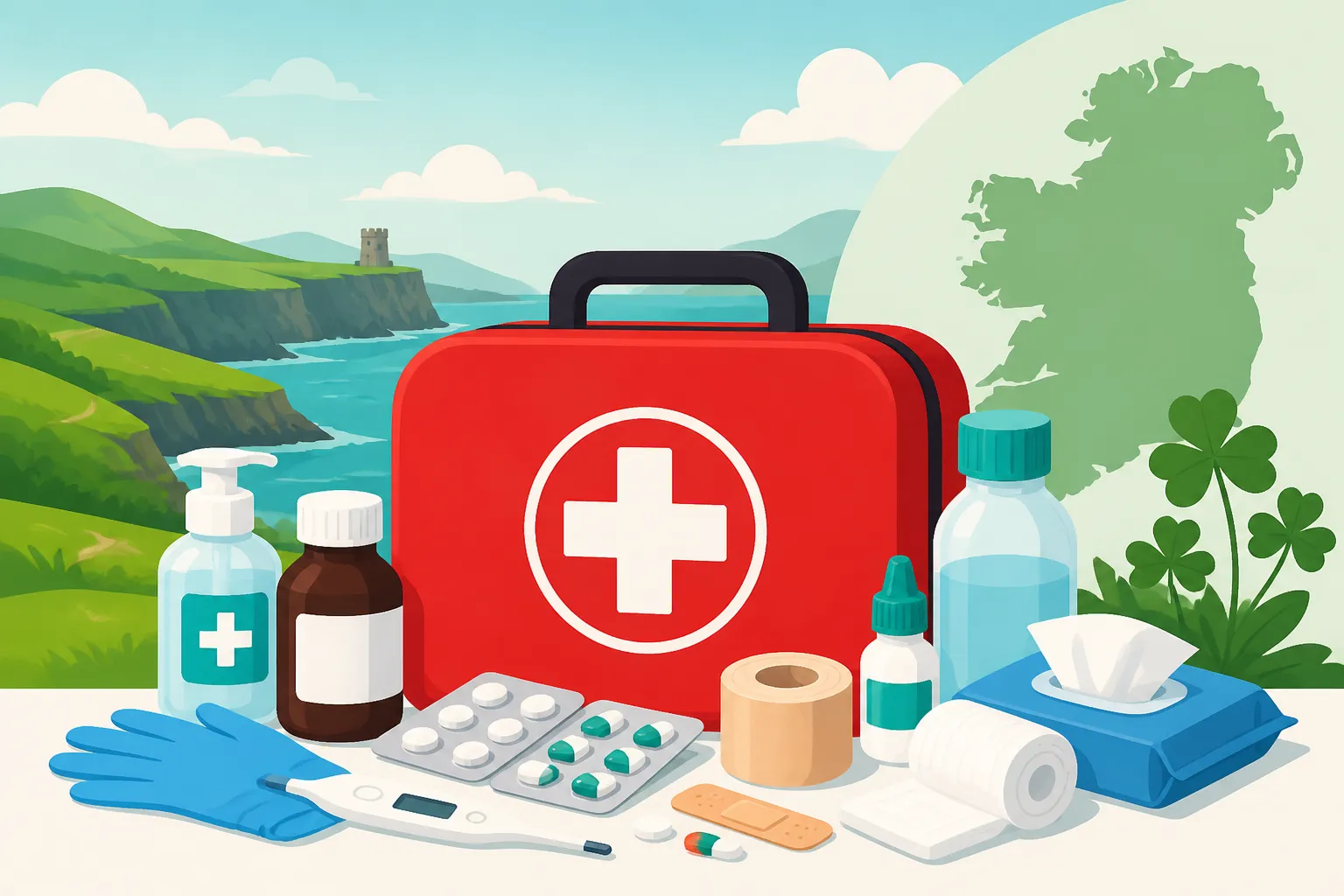
For standard aches, pains, and fevers, paracetamol (known by brand names like Panadol or Calpol for children in Ireland) is your go-to. It's excellent for headaches, general body aches, and reducing fever. Ensure you pack a sufficient supply, as you don't want to run out when you're feeling miserable. Check the strength and dosage instructions carefully – adult doses are typically 500mg, and you should not exceed the recommended daily limit (usually 4,000mg in 24 hours).
Alongside paracetamol, ibuprofen (often sold as Nurofen or Brufen) is crucial. Ibuprofen is a non-steroidal anti-inflammatory drug (NSAID), which means it not only helps with pain and fever but also reduces inflammation. This makes it particularly effective for muscle aches, sprains, menstrual cramps, and headaches with an inflammatory component. Again, be mindful of dosage and interactions with other medications, especially if you have stomach issues or are on blood thinners. It’s always good practice to bring the adult formulation and, if you're travelling with children, their age-appropriate liquid or chewable versions, along with a dosage syringe.
Digestive Distress and Allergy Solutions
Changes in diet, stress, or even just different tap water can play havoc with your digestive system when moving abroad. It's wise to be prepared for the full spectrum of digestive complaints.
For indigestion and heartburn, bring your preferred antacids. These might be chewable tablets (like Tums or Rennie, which is common in Ireland), liquid suspensions, or acid-reducing tablets (like Omeprazole, which can be bought over-the-counter in lower doses). Experiencing new cuisines or the rich, hearty Irish staples can sometimes lead to an upset stomach, so having a quick fix is incredibly helpful.
Anti-diarrhoea medication, such as loperamide (often sold as Imodium), can be a lifesaver, particularly if you're out and about exploring and suddenly feel unwell. Dehydration is a risk with diarrhoea, so consider packing some oral rehydration salts (e.g., Dioralyte, available in Irish pharmacies, but having your familiar brand on hand is good). For constipation, a mild laxative can offer relief.
Ireland, with its lush greenery and often damp climate, can be a haven for various allergens that you might not be accustomed to. Pollen counts can be high during spring and summer, and dust mites are a common indoor allergen. Pack a supply of your preferred antihistamines – whether it's a drowsy variety for nighttime relief (e.g., diphenhydramine) or a non-drowsy one for daytime use (e.g., loratadine or cetirizine). If you suffer from severe allergic reactions, ensure your EpiPen (if prescribed) is up-to-date and easily accessible.
Don't forget motion sickness remedies if you're prone to it. Ireland's roads, especially in rural areas, can be winding, and ferry journeys can be choppy. Having tablets or patches on hand means you can enjoy exploring without feeling queasy.
Cold, Flu, and Respiratory Aids
The Irish climate, known for its dampness and changeable weather, can sometimes feel like a magnet for colds and flu, especially during the colder months. You'll want to equip your medical kit to tackle common respiratory complaints head-on.
Decongestants are essential for blocked noses. These come in tablet form (pseudoephedrine or phenylephrine, though pseudoephedrine is often kept behind the counter in Irish pharmacies) or as nasal sprays. Nasal sprays (like Otrivine or Vicks Sinex) can provide quick, targeted relief for sinus pressure and congestion.
For coughs, pack both a cough suppressant (for dry, irritating coughs, e.g., dextromethorphan) and an expectorant (for chesty coughs with mucus, e.g., guaifenesin). Sometimes a combination cold and flu remedy (like Lemsip or Sudafed in Ireland) that contains paracetamol, a decongestant, and sometimes a cough suppressants can be a convenient all-in-one solution for symptom relief.
Sore throat lozenges or sprays (such as Strepsils or Difflam) can provide immediate soothing relief. Consider a good quality vapor rub (like Vicks VapoRub) to help clear airways, especially at night. If you're a regular sufferer of cold sores, bringing your preferred antiviral cream (e.g., Zovirax) can help shorten their duration. The aim here is to have everything you need to manage a head cold comfortably from your own bed, rather than having to brave the elements for a pharmacy run when you're feeling your worst.
First Aid Supplies and Specific Health Needs
Beyond oral medications, your home medical kit needs to be ready for cuts, scrapes, and any personal health conditions that require regular management.
Wound Care and Minor Injuries
Life happens, and minor cuts, scrapes, and burns are almost inevitable, whether you're unpacking boxes, exploring a new hiking trail, or just getting used to your new kitchen. A well-stocked wound care section in your medical kit can prevent small issues from becoming bigger problems.
Start with a variety of band-aids or plasters in different shapes and sizes. Don't forget some waterproof ones, especially useful in Ireland's often wet climate. Add some antiseptic wipes or a small bottle of antiseptic solution (like Savlon or Betadine) to clean wounds thoroughly. This is crucial for preventing infection.
You'll also need sterile gauze pads and medical tape for larger cuts or abrasions that need covering. A small tube of antiseptic cream (Sudocrem, a popular Irish brand, is fantastic for various skin irritations, cuts, and even nappy rash) or antibiotic ointment can be applied after cleaning to further protect the wound.
Other practical tools include a clean pair of tweezers for splinters or removing debris from wounds, and a small pair of scissors for cutting tape or gauze. For minor burns, a burn gel or soothing cream can provide immediate relief. Having these items on hand means you can quickly and effectively manage minor injuries at home, saving you a trip to a pharmacy or, for more serious cases, an urgent care centre. This is especially useful while you're still getting the hang of things like How Do I Pay the A&E Charge at a Hospital in Ireland?.
Personal Prescriptions and Specialist Items
This is perhaps the most critical section of your medical kit. Always, always, always bring a sufficient supply of any prescription medications you regularly take. I cannot stress this enough. When I first moved, I underestimated how long it would take to get settled with a new GP, explain my medical history, and then actually get a new prescription issued. It can take weeks, involving initial registration, a new patient appointment, and sometimes follow-up consultations or even specialist referrals depending on your condition.
Aim for at least a three-month supply, if not more, of all your essential prescription drugs. Make sure these are in their original packaging with clear pharmacy labels. It is also highly advisable to carry a doctor's letter detailing your medical conditions and listing all your prescribed medications by both generic and brand names. This letter should explain why you need these medications, especially if you're carrying controlled substances. This document is invaluable for customs, and for any new GP you register with. You can read more about what to expect with Prescription Medications and Pharmacies in Ireland: The Complete Guide.
Beyond general prescriptions, consider any specialist items specific to your health:
- Asthma inhalers: Ensure you have both your reliever and preventer inhalers.
- EpiPens: If you or a family member has severe allergies.
- Diabetes supplies: Insulin, test strips, lancets.
- Specific eye drops: For glaucoma, chronic dry eyes, or other conditions.
- Contraceptives: A good supply, as obtaining a new prescription can take time.
- Thyroid medication, blood pressure medication, cholesterol medication: These are crucial daily medications that you cannot afford to miss.
- Vitamins and supplements: While available in Ireland, your preferred brands might be different or more expensive.
- Contact lenses and solution: Bring enough to last a good while.
Having these vital items packed responsibly will save you immense stress and potential health complications during your initial period in Ireland.
Tools and Extras for Peace of Mind
Sometimes it's the little things that make a big difference, especially when you're unwell. These extra tools and items round out your medical kit perfectly, offering practical utility and added comfort.
A digital thermometer is an absolute must-have. Fevers are a key indicator of many illnesses, and being able to accurately track temperature, especially for children, is vital. Don't rely on guesswork.
Hand sanitiser became a staple for everyone during the pandemic, but its usefulness extends far beyond that. Public transport, busy shops, and even just handling money can expose you to germs. A small bottle of hand sanitiser ensures you can clean your hands quickly when soap and water aren't available, helping to prevent the spread of illness in your new home.
While Ireland isn't known for its scorching sun, it's famous for its unexpected bursts of sunshine, even on cloudy days. Sunscreen is important year-round, especially if you plan on spending time outdoors or exploring the stunning coastline. Don't underestimate the UV index, even if it feels cool. Similarly, during the warmer summer evenings, particularly if you're near water or in rural areas, insect repellent can be a godsend to ward off midges and mosquitoes.
Finally, consider rehydration salts for any severe bouts of illness, particularly if accompanied by vomiting or diarrhoea. They help replenish lost electrolytes and can speed up recovery. A small, simple first aid manual or a printout of basic first aid steps can also be surprisingly helpful for quick reference during a minor emergency. Having a comprehensive The Complete Guide to Healthcare in Ireland for Expats (2027) is excellent, but for immediate at-home care, a physical quick-reference guide can be reassuring.
Planning, Packing, and What to Know about Irish Pharmacies
Preparing your medical kit effectively goes beyond just listing items; it involves careful planning and understanding how the Irish pharmacy system works.
Quantity, Expiry Dates, and Travel Considerations
When it comes to packing your medical supplies, quantity is key. For over-the-counter medications, think about bringing enough to last you at least a month or two, giving you ample time to settle in and explore local pharmacy options without urgency. For prescription medications, as mentioned before, aim for a 3-6 month supply if at all possible, accompanied by that essential doctor's letter. This provides a crucial buffer period as you navigate the process of finding a new GP and getting new prescriptions.
Before packing anything, meticulously check the expiry dates on all medications and supplies. There's nothing worse than reaching for relief only to find your medicine is long past its prime! Replace anything that's due to expire within your first six months in Ireland.
Regarding travel considerations and customs regulations, always keep prescription medications in their original pharmacy-labelled containers. This is vital for showing customs officials that the medication is legally prescribed to you. Carrying your doctor's letter is paramount, especially for any controlled substances. While Ireland generally has sensible rules, it's best to be prepared. Pack all essential medications in your carry-on luggage – never in checked baggage – in case your luggage is lost or delayed. Remember that liquid restrictions for carry-on luggage still apply, so for larger bottles, you might need to check them.
A common concern for many expats is what happens if something goes wrong during transit or in those very first days before you've even properly unpacked. This is where a good travel health insurance policy like SafetyWing can be an absolute lifesaver. It provides a crucial safety net for unexpected medical emergencies during your journey and initial settlement, offering coverage until you're properly plugged into the Irish healthcare system.
Understanding Irish Pharmacies and Over-the-Counter Access
Irish pharmacies are generally excellent resources for minor health concerns. Pharmacists here are highly trained healthcare professionals and can offer advice, recommend appropriate over-the-counter remedies, and even provide emergency contraception or certain vaccinations. You'll find well-known chains like Boots, as well as many independent pharmacies like Meaghers Pharmacy and Hickey's Pharmacy, scattered throughout cities and towns.
However, it’s important to understand that some medications that might be easily available over-the-counter in your home country could be "behind the counter" (meaning you have to ask a pharmacist) or even prescription-only in Ireland. For example, stronger painkillers containing codeine, certain high-dose antihistamines, or some specific cold and flu remedies might require a brief consultation with the pharmacist, or in some cases, a GP prescription. Don't expect to walk in and grab a large box of strong painkillers without a chat.
For residents, the Drugs Payment Scheme (DPS) helps cap the monthly cost of prescription medications, but this requires registration and typically applies once you're integrated into the system. As a newcomer, you might be paying full price for prescriptions initially. For more detailed information on this, our article How Does the Drugs Payment Scheme Work in Ireland? is a great resource. While many over-the-counter items are affordable, understanding these nuances helps manage expectations and costs.
The Safety Net of Travel Insurance
Even with the most meticulously packed home medical kit and a good understanding of the local pharmacy system, serious illness or an accident can happen. This is particularly true in the whirlwind of moving, where stress levels are high and unfamiliar surroundings present new risks. This is precisely why having a robust travel health insurance policy for your initial period in Ireland is not just a recommendation, it's a vital safety net.
Providers like SafetyWing specialise in coverage for digital nomads and expats, offering flexible plans that can bridge the gap from your departure date until you establish more permanent health insurance in Ireland. While it's not a substitute for the national public healthcare system (HSE) or comprehensive private health insurance like VHI, Laya, or Irish Life, it covers medical emergencies, doctor visits, and even some hospital stays that could otherwise result in exorbitant out-ofpocket expenses during your initial settling-in phase.
Think of it as peace of mind, allowing you to focus on finding a job, sorting out your PPS number, and securing long-term accommodation, without the constant worry of an unexpected medical bill. Having SafetyWing in place ensures that if you twist an ankle on a cobblestone street or come down with a severe flu that requires a doctor's visit before you've even found a GP, you're covered. It's a pragmatic choice for any expat, giving you security while you're busy sorting out your Health Insurance in Ireland: VHI, Laya, Irish Life and Options Explained and generally getting yourself on solid footing in your new Irish life. For understanding the overall picture, our guide on Navigating the Irish Healthcare System: An Expat's Roadmap (2027) provides a broader context.
Recommended Home Medical Kit Checklist
To help you organise, here’s a quick checklist of essential items for your home medical kit:
| Category | Essential Items | Notes |
|---|---|---|
| Pain Relief & Fever | Paracetamol (e.g., Panadol), Ibuprofen (e.g., Nurofen) | Adult & children's formulas; check dosages |
| Digestive Aids | Antacids (e.g., Rennie), Anti-diarrhoea (e.g., Imodium), Mild Laxative, Oral Rehydration Salts (e.g., Dioralyte) | For upset stomach, heartburn, constipation, and dehydration |
| Cold & Flu | Decongestant (tablets/nasal spray), Cough suppressants/expectorants, Sore throat lozenges/spray, VapoRub | For congestion, coughs, sore throats |
| Allergy Relief | Antihistamines (non-drowsy & drowsy), Antiviral cold sore cream | For seasonal allergies, unexpected reactions, cold sores |
| Wound Care | Assorted plasters/band-aids, Antiseptic wipes/solution, Sterile gauze, Medical tape, Antiseptic cream (e.g., Sudocrem) | For cuts, scrapes, minor wounds |
| Tools & Misc. | Digital thermometer, Tweezers, Small scissors, Hand sanitiser, Sunscreen, Insect repellent, First aid manual | For general use, prevention, and quick reference |
| Personal & Specialist | ALL Prescription medications (3-6 month supply + doctor's note), EpiPen, Inhalers, Contact lens solution | CRITICAL! Do not forget. In original packaging. |
Disclaimer
The information provided in this guide is intended for general informational purposes only and does not constitute medical advice. While we strive to offer accurate and up-to-date guidance, healthcare regulations and personal medical needs can vary. Always consult with a qualified healthcare professional or your GP for any health concerns or before making any decisions related to your health or treatment.