Is Mental Healthcare Affordable in Ireland?
Moving to a new country like Ireland is an exhilarating adventure, but let's be honest, it often comes with its own unique set of anxieties and stresses. Many expats find themselves grappling with homesickness, cultural adjustment, and the sheer administrative burden of settling in, all of which can take a toll on mental well-being. A common worry is how to access mental health support and, crucially, if it’s even affordable in this new landscape. This guide will walk you through the realities of mental healthcare costs in Ireland, helping you understand what to expect and how to navigate the system without breaking the bank.
Understanding the Landscape of Mental Healthcare in Ireland
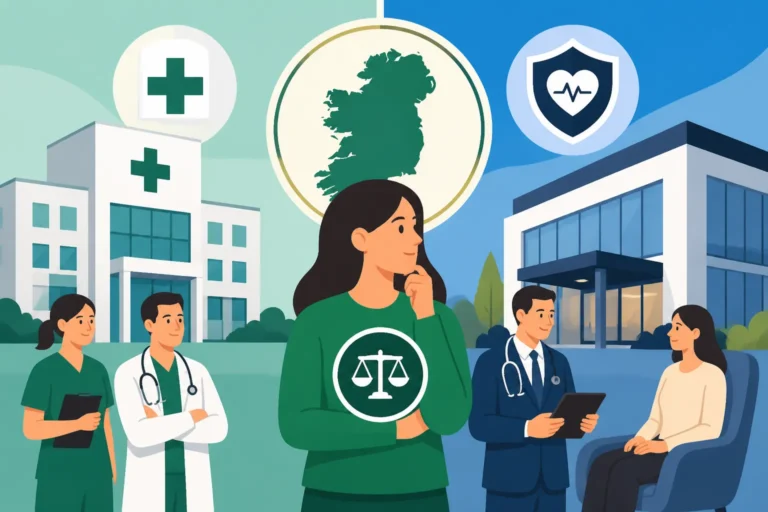
Ireland's healthcare system, much like its weather, can sometimes feel a bit complex and unpredictable for newcomers. When it comes to mental health, you'll generally find two main pathways: the public system, run by the Health Service Executive (HSE), and the private system. Each has its own benefits, drawbacks, and, of course, associated costs.
Public Mental Health Services: The HSE Route
The HSE is responsible for providing public mental health services across Ireland. Theoretically, these services are available to anyone ordinarily resident in Ireland, meaning you intend to live here for at least one year. The biggest draw for many is that a significant portion of public services are either free or heavily subsidised. However, this comes with a catch that many expats, myself included, have found incredibly frustrating: waiting lists.
Access to public mental health services typically begins with a visit to your General Practitioner (GP). Your GP acts as the gatekeeper, assessing your needs and, if necessary, referring you to specialist public services. These could include primary care psychology services for mild to moderate issues, or more specialised mental health teams for severe and enduring mental illnesses. For detailed steps on getting started, you might find our guide on Registering with a GP in Ireland: The Complete Expat Guide (2027) helpful.
The issue isn't the quality of care once you get it; it's the getting it part. Waiting times for public psychology and psychiatry appointments can range from months to, in some cases, over a year, depending on your location and the urgency of your condition. This can be incredibly disheartening, especially if you're struggling and need support sooner rather than later. It's a systemic problem, one that often forces people to look at private options out of sheer necessity, regardless of the cost implications.
Private Mental Health Services: Costs and Access
The private mental healthcare system in Ireland offers a much quicker route to support, but at a direct financial cost. You can access private therapists, psychologists, and psychiatrists directly, or through a referral from your GP. There's no waiting list to speak of beyond the standard booking time with a practitioner. This immediate access is a huge relief for many expats who are used to more responsive systems in their home countries.
Private mental health professionals operate independently or through private clinics. They set their own fees, which can vary significantly based on their qualifications, experience, location (Dublin tends to be more expensive), and the type of therapy or consultation. While the public system prioritises those with the most severe needs, the private system is simply about who can afford to pay.
This distinction is crucial for expats. If you're looking for immediate, consistent support, the private route is likely your best bet, but you need to be prepared for the financial outlay. Many private health insurance plans in Ireland, like those from VHI, Laya, and Irish Life, do offer some coverage for mental health services, though often with limitations, excesses, or co-payments. We'll delve deeper into that in the next section. For a broader overview of how the two systems compare, take a look at our article on Public vs Private Healthcare in Ireland: Which Should Expats Choose?.
Deconstructing the Costs: What to Expect Financially
When you're trying to figure out if mental healthcare is affordable, the first step is to get a realistic picture of the actual costs involved. It's not just about a single session fee; it's about understanding the full financial landscape, including how insurance and tax relief might come into play.
Consultation Fees for Therapists and Psychiatrists
This is where the direct costs truly hit home. The fees for mental health professionals in Ireland can be a significant expense, especially if you require ongoing support.
- Counsellors and Psychotherapists: These professionals typically charge between €60 and €90 per session. Sessions usually last 50-60 minutes. They are often the first port of call for talking therapies for issues like anxiety, depression, grief, or relationship problems.
- Psychologists: For clinical psychologists, who often have more extensive academic training and can conduct assessments, fees usually range from €100 to €150 per session. This can go higher for specialised assessments, such as for ADHD or autism, which might cost hundreds or even thousands of euros for a full diagnostic evaluation.
- Psychiatrists: Psychiatrists are medical doctors who specialise in mental health, meaning they can diagnose mental illnesses, prescribe medication, and provide various forms of therapy. Their fees are generally the highest. An initial consultation with a private psychiatrist can cost anywhere from €200 to €350 or more, with follow-up appointments typically costing €100 to €200.
It's important to remember that these are per-session costs. If you need weekly therapy for several months, these figures add up very quickly. For example, weekly psychotherapy at €70 a session for six months will set you back approximately €1,820. This is a substantial sum, particularly for new expats still finding their financial footing.
The Role of Health Insurance and Tax Relief
This is where many expats hope to find some financial relief, and thankfully, there are avenues, though they're not always straightforward.
Private Health Insurance: Ireland has a robust private health insurance market with major players like VHI, Laya Healthcare, and Irish Life Health. Many of their plans offer some level of outpatient cover for mental health services. However, the extent of coverage varies massively depending on your specific plan.
Typically, you might find plans offering:
- A fixed number of sessions with a psychotherapist or counsellor, often with a set cash-back amount per session (e.g., €25 back per session, up to 10 sessions per year).
- Partial reimbursement for consultations with a clinical psychologist or psychiatrist, sometimes after an excess has been met.
- Cover for inpatient psychiatric care, which is generally more comprehensive.
It’s crucial to read the fine print of your policy. Many plans have waiting periods before mental health benefits kick in (sometimes up to 26 weeks for outpatient cover), and they often require a GP referral to be eligible for reimbursement. Always check if the specific professional you plan to see is recognised by your insurer. For a detailed breakdown of options, our guide on Health Insurance in Ireland: VHI, Laya, Irish Life and Options Explained is an excellent resource.
It's also worth noting that standard travel insurance, such as policies from providers like SafetyWing, are fantastic for covering unexpected physical medical emergencies while you're travelling or in your initial settlement phase. However, they are typically not designed to cover ongoing or long-term mental health treatment once you establish residency in Ireland, nor do they usually cover pre-existing mental health conditions for sustained care. For comprehensive, resident-level mental healthcare coverage, you will almost certainly need a local Irish private health insurance plan.
Tax Relief: Even if your insurance doesn't cover everything, or if you don't have private health insurance, you might be able to claim tax relief on certain medical expenses. You can claim tax relief at the standard rate of 20% on fees paid for eligible consultations with certain medical practitioners, including psychiatrists and psychologists, provided they are qualified and registered. You cannot claim relief for counselling or psychotherapy unless it's performed by a qualified psychologist or psychiatrist.
To claim, you'll need to keep all your receipts and submit a Med 1 form to Revenue (the Irish tax authority). This can help reduce your overall tax bill, making the actual cost of treatment a little more manageable. Our article on How to Claim Tax Relief on Medical Expenses in Ireland has all the details you’ll need.
| Service Type | Average Private Cost (per session/initial) | Public Cost (HSE) | Private Health Insurance Coverage | Tax Relief Eligibility |
|---|---|---|---|---|
| Counsellor/Psychotherapist | €60 – €90 | Free (with waitlist) | Limited cashback/sessions (plan dependent) | No (unless by qualified psychologist/psychiatrist) |
| Psychologist | €100 – €150 | Free (with waitlist) | Partial reimbursement (plan dependent) | Yes (20% standard rate) |
| Psychiatrist (Initial Consult) | €200 – €350 | Free (with waitlist) | Partial reimbursement (plan dependent) | Yes (20% standard rate) |
| Psychiatrist (Follow-up) | €100 – €200 | Free (with waitlist) | Partial reimbursement (plan dependent) | Yes (20% standard rate) |
Navigating the System and Finding Affordable Options
So, what happens if the private costs are simply too much, and the public waiting lists are too long? Don't despair. As an expat who's been here a while, I know the frustration is real, but there are still avenues to explore.
Leveraging Community and NGO Support
Ireland has a fantastic network of non-governmental organisations (NGOs) and community groups that offer mental health support, often at low cost or even free of charge. These services are invaluable, especially when you're caught between the public and private systems.
- Local Community Mental Health Services: Some areas have community-based mental health initiatives that provide counselling or support groups at a reduced rate. Your GP might be aware of these, or a quick search for "community mental health services [your county/city]" could yield results.
- Charities and Support Organisations: Organisations like Pieta House offer free, professional therapy for people who are in suicidal distress or engaging in self-harm. The Samaritans provide confidential emotional support to anyone in distress, available 24/7. Other charities focus on specific issues, like Aware for depression and bipolar disorder, or Bodywhys for eating disorders. While these aren't long-term therapy solutions for everyone, they provide crucial support during difficult times.
- University and Workplace Programmes: If you're a student, your university will almost certainly have a counselling service, often free or heavily subsidised. Similarly, many employers offer Employee Assistance Programmes (EAPs) that include a set number of free counselling sessions. Always check with your HR department if this is an option for you.
These community resources are often a lifeline for expats who are struggling with the financial burden of private care or the wait for public services. They embody the spirit of céad míle fáilte, offering a warm and vital safety net.
Practical Steps for Expats Seeking Mental Health Support
As a veteran expat, my best advice is to be proactive and persistent. The system won't always hand you solutions on a plate, so you need to be prepared to do a bit of digging.
- Start with Your GP: Even if you think you'll go private, a GP referral can sometimes unlock insurance benefits or provide leads to reputable practitioners. For tips on finding one, check out How to Find and Register with a Local GP Practice in Ireland. Discuss your financial situation openly with your GP; they might have suggestions for lower-cost local services.
- Research Practitioners and Clinics: Don't just pick the first name you see. Websites like the Irish Association for Counselling and Psychotherapy (IACP) and the Psychological Society of Ireland (PSI) have directories of accredited professionals. Many practitioners offer a free initial phone consultation, which is a great opportunity to discuss fees, approach, and if they accept insurance or offer a sliding scale.
- Consider Online Therapy: The pandemic popularised online therapy, and it remains a viable and often more affordable option. Many Irish therapists offer virtual sessions, which can eliminate travel costs and sometimes come with a slightly lower price tag. You might also find platforms that connect you with therapists globally, though be mindful of licensing and regulatory differences.
- Explore Group Therapy: Group therapy can be a very effective and more affordable alternative to individual sessions. It offers the benefit of shared experience and peer support, often at a fraction of the cost.
Remember, even if you arrive in Ireland with a travel insurance policy like SafetyWing, designed primarily for short-term trips and unexpected emergencies, it won't cover your ongoing mental health needs as a resident. It's crucial to understand that dedicated health insurance within Ireland, or recourse to public services, is generally what you'll need for sustained mental health support. So, focus your efforts on integrating into the local healthcare system from the outset.
Key Considerations for Expats Regarding Mental Health Costs
Beyond the immediate session fees, there are broader factors that influence the overall affordability and accessibility of mental healthcare for expats in Ireland. It's about weighing immediate needs against long-term planning.
Waiting Times and Urgency
The stark reality of waiting times in the public system is perhaps the biggest driver of mental healthcare costs for expats. If you are experiencing a mental health crisis or require urgent support, waiting months for a public appointment is simply not an option. This pushes many into the private sector, where immediate access comes at a premium.
For non-life-threatening but urgent situations, there are crisis helplines and immediate support services (like those from Pieta House or the Samaritans mentioned earlier). However, for ongoing therapeutic intervention, the choice often boils down to "pay now" or "wait indefinitely." This can feel incredibly unfair, particularly for those on tighter budgets. Understanding these realities is part of Navigating the Irish Healthcare System: An Expat's Roadmap (2027).
It’s important to distinguish between needing immediate crisis intervention versus seeking routine psychological support. While travel insurance providers like SafetyWing might offer coverage for acute medical emergencies, including those arising from mental health crises, during your initial travel period, they are not a substitute for the comprehensive and ongoing mental healthcare provisions found within Ireland's public or private resident health systems. Planning for potential mental health needs upon arrival, even if it's just knowing where to turn, is a critical part of your move.
Long-Term vs. Short-Term Needs
The affordability of mental healthcare dramatically changes depending on whether you need short-term counselling for a specific issue or long-term psychiatric care for a chronic condition.
- Short-Term Support: If you're looking for a few sessions to help you through a difficult transition, process a specific event, or learn coping strategies, the costs, while noticeable, are finite. You can budget for a fixed number of private sessions, potentially leveraging a private health insurance plan for some reimbursement, or seeking out community services.
- Long-Term Care: This is where affordability becomes a serious challenge. For conditions requiring consistent, long-term therapy or psychiatric management and medication, the cumulative costs can be immense. Here, accessing public services, even with the wait, or ensuring you have a private health insurance plan with robust mental health coverage, becomes paramount. You might also want to look into the Understanding the Drugs Payment Scheme (DPS) in Ireland to help manage medication costs.
The mental health journey in Ireland, like anywhere, is highly personal. As an expat, understanding the financial implications and the pathways to access are key to ensuring you can look after your well-being while building your new life here. Don't underestimate the impact of migration on your mental health, and remember that seeking support is a sign of strength, not weakness.
Disclaimer
Please note that this guide provides general information based on current understanding of the Irish healthcare system for expats. Healthcare policies, costs, and eligibility criteria can change. It is always advisable to consult official government resources, healthcare providers, and your insurance company for the most accurate and up-to-date information pertaining to your specific circumstances. We are not financial or medical advisors, and this content should not be taken as such.