How Do I Renew My IRP Card in Ireland?
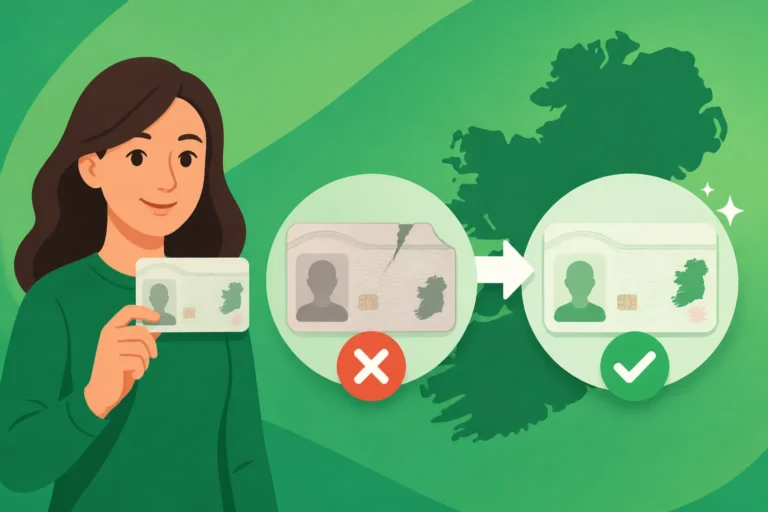
The panic that sets in when you realise your Irish Residence Permit (IRP) card is expiring is a feeling many of us expats know all too well. It’s not just a plastic card; it’s your key to living, working, and studying legally in Ireland. The thought of navigating the renewal process, especially when the rules can feel like they shift with the wind, can be daunting. But don't you worry, this comprehensive guide is here to walk you through exactly how to renew your IRP card in Ireland, step by reassuring step, so you can keep your residency status secure and your mind at ease.
Understanding Your IRP Card and Why Renewal Matters
First things first, let's demystify that little card in your wallet. The Irish Residence Permit (IRP) card is your physical proof of registration with immigration in Ireland. It replaced the old GNIB card and confirms that you have permission to reside in the country under a specific immigration stamp, such as Stamp 1 (for those working, often on an employment permit), Stamp 2 (for students), or Stamp 4 (for long-term residents, EU Treaty Rights, or after certain employment permits). Without a valid IRP, your permission to live in Ireland effectively lapses, which can have serious consequences for your employment, housing, and even your ability to travel in and out of the country.
The Importance of Timely Renewal
Let me tell you, leaving your IRP renewal to the last minute is a recipe for stress you absolutely don't need. The Irish immigration system, while generally clear, operates on specific timelines, and missing deadlines can lead to complications. Your IRP card contains crucial details like your immigration stamp type and its expiry date. Renewing it on time ensures continuity of your legal status. Imagine having your employer question your right to work, or facing issues when trying to rent a new place, all because your card expired. It's a hassle no one wants.
It’s generally advised to start the renewal process at least 3 months before your current IRP card expires. This gives you ample time to gather documents, secure an appointment (which, let's be honest, can sometimes be a bit of a Hunger Games situation in Dublin!), and allow for processing delays. Remember, even with an application in progress, if your card expires before the new one arrives, you might face travel restrictions, though the Immigration Service Delivery (ISD) does provide a temporary permission letter in some cases. For a broader perspective on the overall immigration framework, you might find The Complete Guide to Irish Visas and Immigration Permission for Expats (2027) helpful.
Who Needs to Renew and What Changes Mean
Essentially, if you are a non-EEA national living in Ireland for more than 90 days, you’ll have an IRP card, and you’ll need to renew it when it expires. The renewal process largely depends on your current immigration stamp and whether your circumstances have changed.
For instance, if you're on a Stamp 1 employment permit and your job hasn't changed, the renewal is usually straightforward, assuming your permit is also renewed. However, if you've moved from being a student on a Stamp 2 to securing a job and now qualify for a Stamp 1G or a Critical Skills Employment Permit, your renewal will involve providing documentation for your new permission. Similarly, if you've married an Irish citizen, you might be moving towards a Stamp 4, which is a significant change in status. Understanding the Irish Immigration Stamp System (Stamp 1, 2, 4) (2027) is really key here, as your stamp dictates your rights and the documentation required. Always ensure your basis for residency is still valid and that you meet the criteria for your next desired stamp.
The Step-by-Step Process for Renewing Your IRP Card
The actual renewal process varies slightly depending on whether you live in Dublin or outside the capital. But regardless of location, preparation is key.
Booking Your Appointment: Dublin vs. Outside Dublin
This is often the first hurdle, especially if you're in Dublin.
- For Residents in Dublin City and County: You must use the online appointment booking system. This system opens up slots on a rolling basis, usually early in the morning on specific days. Securing a slot can feel like winning the lottery, so be persistent, set alarms, and try multiple times. Once you get an appointment, you'll attend the Burgh Quay Registration Office.
- For Residents Outside Dublin: The process is typically handled by your local Garda National Immigration Bureau (GNIB) office, which is usually part of a local Garda Station. You'll need to contact them directly to schedule an appointment. Sometimes this can be done via email or phone, or by showing up in person during designated hours. Always check the specific requirements and contact details for your local office on the Immigration Service Delivery (ISD) website.
The demand for appointments can be high, so starting early and being patient is crucial. I remember friends spending weeks trying to get a slot, refreshing the page constantly. It's frustrating, but it's part of the expat experience here! While the initial registration might be a one-off event, you can get a sense of the process from How to Register for an IRP Card with Immigration in Ireland.
Gathering Your Documents: The Essential Checklist
This is where the real work begins. The exact documents you'll need can vary slightly based on your immigration stamp and personal circumstances, but there's a core set that almost everyone will require. Always check the official ISD website for the most up-to-date and specific requirements for your particular stamp category.
Here’s a general checklist to get you started:
| Document Type | Description | Key Consideration |
|---|---|---|
| Current Passport | Your valid passport, which must be in good condition and valid for at least six months beyond your intended stay. | Make sure it's current! If your passport is expiring soon, renew it before your IRP. |
| Current IRP Card | Your expiring IRP card. | Don't forget it! This proves your previous registration. |
| Proof of Address | A utility bill (electricity, gas, landline phone, or internet bill) in your name, dated within the last 3 months. Bank statements or official letters from government bodies are also often accepted. | Needs to be recent. If you're new to managing bills, The Expat Guide to Setting Up Utilities (Electricity, Gas, Water) in Ireland can help. |
| Proof of Funds | Recent bank statements showing sufficient funds to support yourself, typically for Stamp 2 (students) or Stamp 1G (graduate scheme), or if you are not working. | Amounts vary by stamp. Check ISD guidelines. |
| Proof of Purpose | For Employment: Original, signed letter from your employer confirming employment, job title, and salary, dated within the last month. Also, your current Employment Permit (if applicable). For Study: Original, signed letter from your educational institution confirming registration for the next academic year. For EU Treaty Rights (e.g., Stamp 4 spouse of EU citizen): Marriage certificate, spouse's EU passport, proof of relationship and cohabitation. |
This is critical. It must clearly state your status and be very recent. Ensure your employment permit is also valid or has been renewed. If you're transitioning, say to How to Apply for Stamp 4 After a Critical Skills Permit in Ireland, specific documents are needed. |
| IRP Renewal Fee | €300 per person. | Payable by credit or debit card at the registration office. Ensure your card is active and has sufficient funds. |
Gathering these documents is a task in itself. For a more detailed look at document requirements generally for immigration, check out What Documents Do I Need to Register with Immigration in Ireland?. I've heard stories of people being turned away for the smallest omission, so double-check everything!
Attending Your Appointment and What to Expect
Once you’ve got your appointment time and your paperwork is meticulously organised, it’s time for the actual registration.
- At Burgh Quay (Dublin): Arrive well in advance of your appointment. Security checks are thorough, and there can be queues. You'll be called to a desk where an immigration officer will review all your documents. They might ask you questions about your stay, your work, or your studies. They’ll take your fingerprints (biometrics) and a digital photograph.
- At a Local Garda Station (Outside Dublin): The experience is generally similar but might feel a bit less formal. You'll present your documents, undergo biometrics and photography, and answer any questions.
It's a pretty standard bureaucratic process. Just be polite, clear, and have all your papers ready. The officer will typically confirm if your renewal has been approved on the spot, or if they need further checks. If all goes well, you’ll be given a receipt, and your new IRP card will be posted to your address within 5-10 working days.
The Cost and Waiting Game
The IRP renewal fee is currently €300 per person, which you pay by credit or debit card at the time of your appointment. Remember, each family member requires a separate payment. So, if you're renewing with your family, you can imagine how that adds up! For a broader understanding of related expenses, Understanding the Cost and Timeline of the Immigration Process in Ireland offers valuable insights.
After your appointment, the waiting game begins. The new IRP card is usually sent by registered post. While they aim for 5-10 working days, it can sometimes take longer, especially during peak seasons or if there are any issues with your application. If your current card expires while you're waiting, the ISD can provide a temporary letter of permission to bridge the gap, but you generally cannot travel outside Ireland and return until you have the new card in hand. This is a critical point to remember if you have any international travel planned.
Common Challenges and Troubleshooting During Renewal
Let’s face it, bureaucratic processes are rarely without their little bumps in the road. Renewing your IRP can throw up a few common challenges, and knowing how to navigate them can save you a world of stress.
The Appointment Scramble
Ah, the infamous Dublin appointment system! It's notoriously difficult to secure a slot. People often resort to refreshing the booking page religiously, particularly in the early hours of the morning (think 2 AM to 4 AM) or on specific days when new batches of appointments are released. My advice? Be persistent. Use multiple devices if you can, and coordinate with housemates or partners to increase your chances. It truly feels like you're fighting for a concert ticket sometimes! If you’re really struggling, sometimes contacting your local TD (Teachta Dála, a member of parliament) can help, but it’s not a guaranteed solution.
Missing or Incorrect Documentation
This is perhaps the biggest pitfall. An immigration officer has the right to refuse your application if you don't have all the required documents, or if they're not presented correctly (e.g., an outdated letter from your employer). This means rescheduling, another appointment scramble, and added stress.
Common mistakes include:
- Outdated proof of address: Your utility bill must be recent.
- Generic employer letters: It needs to be specific, original, and signed, confirming your employment and salary.
- Insufficient funds: For students or those not yet working, ensure your bank statements clearly show you meet the financial requirements.
- Expired passport: This is a big one. You need a valid passport to renew your IRP.
Always create a physical checklist and tick off each item as you gather it. If in doubt, bring more documents than you think you'll need. It's better to over-prepare than to be sent away empty-handed.
Changes in Your Circumstances
Life happens! You might get a new job, get married, have a child, or switch from studying to working. These changes must be reflected in your renewal application.
- New Job: If you’ve changed employers since your last IRP, you’ll need a new employment permit and an updated letter from your new employer.
- Marriage/Civil Partnership: If you've married an Irish or EU citizen, you might be applying for a different stamp (like Stamp 4), which requires a marriage certificate, your spouse's passport, and proof of cohabitation.
- New Baby: If you've had a baby in Ireland, you'll need to register them with immigration separately and update your family's status. How to Bring Your Family on a Critical Skills Permit in Ireland offers some guidance on family-related immigration.
If your circumstances have changed dramatically, it might be worth consulting with an immigration solicitor, just to ensure you're on the right track and not missing any new requirements. While most things can be done without one, for complex situations, professional advice can be invaluable. Navigating the renewal process can be stressful, and it’s during these times that having robust health coverage, perhaps with a provider like Cigna Global, can offer real peace of mind, knowing you're covered no matter what administrative delays come your way.
What to Do If Your IRP Expires While You're Waiting
This is a common worry. If you've applied for renewal before your current IRP expires, you are generally considered to have "deemed immigration permission." This means you legally retain your previous immigration status and associated rights (like working) while your application is being processed. However, do not travel outside Ireland during this period unless you have received your new IRP card or specific written permission from the ISD. Re-entry without a valid IRP or appropriate visa could be problematic. If your card has expired and you haven't applied, contact the ISD immediately. They can advise on the best course of action, which might involve applying for a short-term permission to get things back on track.
If these bureaucratic hurdles are making you consider a big change, perhaps even a move to a different part of Ireland, remember companies like Sirelo can help with the logistics of domestic or international relocations, easing the physical burden of moving so you can focus on the paperwork.
Life Beyond Renewal: Maintaining Your Immigration Status
Once you’ve successfully renewed your IRP card, you can breathe a sigh of relief. But the journey doesn't end there. Staying informed and compliant with immigration rules is an ongoing responsibility for all expats in Ireland.
Understanding Your New Stamp and Its Implications
With each renewal, you'll receive a new IRP card reflecting your current immigration stamp. Whether it's a Stamp 1 for continued employment, a Stamp 2 for another year of study, or perhaps a progression to a Stamp 4, each stamp carries specific conditions and entitlements. For instance, a Stamp 4 generally grants broader rights, including the ability to work without an employment permit and more flexibility. Understanding these nuances is crucial for planning your life in Ireland. It’s also worth exploring Understanding Long-Term Residency and the Stamp 4 in Ireland to see what opportunities might open up after certain periods of residence.
Your IRP card is your proof of these rights. Always keep it safe, and carry it with you when necessary. Just like any important document, it's a good idea to have a digital copy stored securely, separate from the physical card.
Pathway to Long-Term Residency and Citizenship
For many expats, the IRP renewal process is a step on a longer path towards more permanent residency or even Irish citizenship. Depending on your immigration stamp and how long you've resided in Ireland, you might eventually qualify for Stamp 4 (often after 2-5 years on certain employment permits or through family reunification). A Stamp 4 provides more stability and opens up more opportunities.
After a certain period of "reckonable residence" (the amount of time you’ve been legally resident in Ireland for immigration purposes), typically five years, you might be eligible to apply for Irish citizenship by naturalisation. This is a significant milestone for many. To learn more about this exciting prospect, delve into Irish Citizenship: Naturalisation and Citizenship by Descent Explained (2027). Each IRP renewal brings you one step closer, so ensure you always keep your documentation and registration up to date.
Ongoing Responsibilities and Staying Compliant
Renewing your IRP isn't a one-and-done event; it's a regular check-in with the immigration authorities to confirm your continued eligibility to live here. Always remember to:
- Keep your address updated: If you move house, you must inform your local Garda National Immigration Bureau (GNIB) office of your new address within a specified timeframe. This is critical for receiving official correspondence, including your new IRP card.
- Understand your stamp conditions: Ensure you adhere to the specific rules of your immigration stamp. For example, Stamp 2 holders have restrictions on working hours.
- Plan ahead: Mark your IRP expiry date on your calendar and start gathering documents well in advance of the 3-month lead time.
Maintaining your immigration status is about more than just renewing a card; it's about actively understanding and adhering to the rules that govern your life in Ireland. It ensures a smoother, less stressful experience, allowing you to focus on enjoying all that this beautiful country has to offer. And remember, having comprehensive support, whether it's legal advice or robust insurance like that from Cigna Global, can make all the difference in navigating expat life with confidence.
Disclaimer
This article is for general informational purposes only and does not constitute professional advice. Laws, prices and regulations vary by location and change over time. Consult a qualified professional for guidance on your specific situation.