How Reliable Is Public Transport in Ireland?
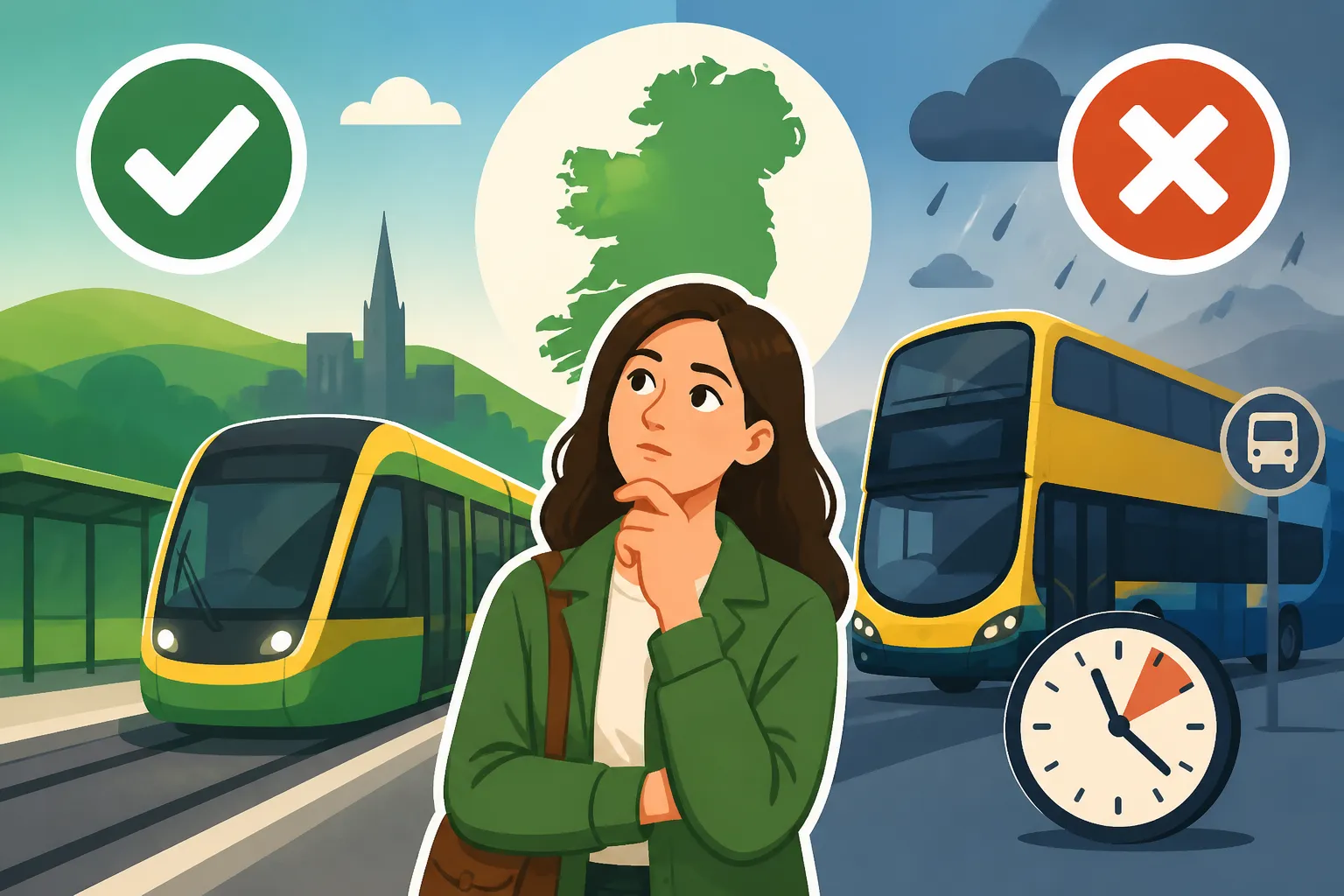
Ah, the age-old question for anyone new to Ireland: "How reliable is public transport?" Let's be honest, it's one of those things that can either make or break your daily routine, especially when you’re just getting settled in. You’ve probably heard stories, or perhaps even experienced a few head-scratching moments already. This guide is here to give you the straight scoop, based on years of living here, navigating the ins and outs, and learning to manage expectations. We'll dive into what to really expect from buses, trains, and trams across the Emerald Isle.
Understanding Ireland's Public Transport Network
Before we even talk about reliability, it's crucial to understand what you're actually dealing with. Ireland's public transport system, while improving in some areas, isn't always the seamless, interconnected network you might be used to in larger European cities. It's a patchwork of services, each with its own quirks and strengths.
The Different Modes of Transport
When you think about getting around Ireland without a car, a few key players come to mind, each serving different purposes and regions.
- Buses: These are the workhorses of Irish public transport, especially in urban areas.
- Dublin Bus operates an extensive network across the capital and its suburbs. If you live or work in Dublin, you'll become intimately familiar with these green giants. They cover almost every nook and cranny, linking residential areas with city centres, business parks, and major attractions.
- Bus Éireann handles regional and intercity routes, connecting towns and cities all over the country. They also run some local services in Cork, Galway, Limerick, and Waterford. Their Expressway routes are typically faster, long-distance journeys.
- You'll also find LocalLink services, which are demand-responsive and cover more rural areas, often connecting smaller communities to market towns.
- Additionally, there are a number of private bus operators, particularly on popular intercity routes like Dublin to Cork or Galway, offering competitive pricing and sometimes more direct routes.
- Trains (Irish Rail/Iarnród Éireann): The rail network connects major cities and towns, with significant commuter lines around Dublin.
- Intercity trains link Dublin Heuston and Dublin Connolly to places like Cork, Galway, Limerick, Waterford, Belfast, and Sligo. These are generally comfortable, if sometimes a bit pricey.
- The DART (Dublin Area Rapid Transit) is an electric rail service that runs along the coast from Greystones in County Wicklow through Dublin city centre up to Howth and Malahide in North County Dublin. It’s a lifesaver for coastal commuters.
- Commuter rail lines also branch out from Dublin to places like Maynooth, Drogheda, and Kildare.
- Light Rail (Luas – Dublin): Dublin's tram system, the Luas, consists of two main lines, the Green Line and the Red Line, crisscrossing the city.
- The Green Line runs from Broombridge in the north to Brides Glen in the south, serving areas like Ranelagh, Dundrum, and Sandyford.
- The Red Line connects Tallaght and Saggart in the west to Connolly and The Point in the Docklands. It's fantastic for getting across the city quickly without battling traffic, as much of its route is on dedicated tracks.
Geographical Coverage and Limitations
Now, here’s where the rubber meets the road, quite literally. While Dublin, Cork, Galway, Limerick, and Waterford have relatively decent public transport options, the further you venture from these urban hubs, the sparser the services become.
In Dublin, for instance, you can get pretty much anywhere by bus or Luas, sometimes with a combination. The DART is excellent if you live along its coastal route. However, even within Dublin, if you're living in a newer development on the city's outskirts, you might find that bus services are less frequent, especially in the evenings or on weekends. You might spend a significant portion of your day commuting, and if a bus doesn't show up, you could be stuck.
Outside of the big cities, Bus Éireann does its best to connect towns, but frequencies can drop dramatically. You might find only a few services a day, or none at all on Sundays. For expats who've chosen to live in charming but smaller towns or more rural settings – perhaps to enjoy the scenery or because housing was more affordable – this can be a major wake-up call. Relying solely on public transport in these areas often means a lot of planning, a lot of waiting, and sometimes, a lot of frustration. It’s a very different experience from, say, living in a highly connected city like London or Amsterdam. This is why many expats eventually decide to buy a car in Ireland, especially if they’re settled outside the main urban areas.
Factors Influencing Reliability
So, what makes public transport here tick, or sometimes, frustratingly, not tick? There are a few key factors that profoundly impact how reliable your journey will be. It's not always about the transport provider; sometimes, it's just Ireland being Ireland.
Traffic Congestion, Especially in Major Cities
This is arguably the single biggest headache for anyone relying on buses in Ireland, particularly in Dublin. The capital's traffic can be absolutely notorious. You’ll quickly learn that a journey that takes 20 minutes on a Sunday morning can easily take an hour during weekday rush hour.
Buses, for the most part, share the roads with private cars. While there are dedicated bus lanes in many areas, they aren't continuous and often get clogged by other vehicles, deliveries, or even illegally parked cars. This means that bus schedules are often more of a hopeful suggestion than a firm promise. I've spent countless mornings watching the "real-time" app show my bus getting closer, then further away, then closer again, only to arrive 20 minutes late. It's a common expat grievance, and it's particularly frustrating when you're trying to get to work or an appointment.
Cork, Galway, and Limerick also experience significant traffic congestion, albeit usually on a smaller scale than Dublin. So, if you're planning to rely on buses in any of these cities, always factor in extra travel time, especially during peak hours (roughly 7:30 AM – 9:30 AM and 4:30 PM – 6:30 PM on weekdays).
Weather Conditions
Ireland's weather is… well, it's Irish weather. You'll quickly learn to appreciate the "four seasons in one day" cliché. And while it rarely brings anything truly extreme, consistent heavy rain, strong winds, and the occasional flurry of snow can absolutely disrupt public transport.
Heavy rainfall can lead to localised flooding, making roads impassable for buses and slowing down all traffic. Strong winds can affect overhead lines for the DART or Luas, or even bring down trees onto tracks or roads. While rare, a significant snowfall can bring the entire country to a standstill, leading to widespread cancellations across all modes of transport. Even light snow can cause major issues, as Ireland isn't as well-equipped to deal with it as Nordic countries, for example. Always check the news and official transport apps if the weather looks anything less than mild.
Infrastructure and Modernisation
Ireland has been investing in its public transport infrastructure, but it’s a slow and steady process. The Luas lines are relatively new and have dedicated tracks, which contributes significantly to their reliability. The DART also has its own lines for much of its route, though it shares some sections with intercity and freight trains.
However, the general rail network can sometimes suffer from older infrastructure. Breakdowns, signal failures, or track issues can cause delays. Bus infrastructure, as mentioned, is largely tied to road infrastructure. While there are ongoing projects like BusConnects in Dublin aiming to create more dedicated bus corridors and improve services, these are long-term plans and can cause temporary disruptions during construction. Many bus stops, especially outside the city centres, still lack proper shelters or real-time information screens, adding to the discomfort of waiting.
Industrial Action and Service Disruptions
Like any public service, Ireland's transport networks are susceptible to industrial action. While not a daily occurrence, strikes by staff (whether bus drivers, train operators, or Luas workers) do happen occasionally. These can lead to partial or complete cancellations of services for a day or even longer. These events are usually announced in advance, giving you some time to plan alternatives, but they can still throw a major wrench into your routine. Always keep an eye on local news and official transport social media accounts for updates. It's just another layer of uncertainty that expats here learn to deal with.
Assessing Reliability by Transport Type
Now that we understand the influencing factors, let's break down the reliability you can expect from each mode of public transport in Ireland.
Buses: Dublin Bus and Bus Éireann
The bus network is undeniably extensive, but reliability can be a mixed bag.
Dublin Bus:
- Pros:
- Comprehensive Coverage: Dublin Bus covers almost every part of the city and its suburbs. If there’s a place to go, there’s likely a bus route that will get you close.
- Frequency on Main Routes: During peak hours, main routes can have buses every 5-10 minutes, which is helpful even if they're running late.
- Night Buses (Nitelink): For a few extra euro, Nitelink services operate late on Friday and Saturday nights, a real bonus for socialising.
- Cons:
- Traffic Dependent: This is the biggest Achilles' heel. Unless you're travelling on a Saturday morning, expect traffic to impact your journey. Buses often get stuck in the same gridlock as cars.
- "Real-Time" vs. Actual Time: While apps like the Dublin Bus app and Transport for Ireland (TFI) provide real-time information, it’s based on GPS and can sometimes be inaccurate, especially when buses are severely delayed or rerouted. The bus might disappear from the map only to reappear later. It’s an acquired skill to gauge how "real" the real-time info actually is.
- Ghost Buses: On occasion, a bus might simply not turn up, despite being shown on the app. It's rare but infuriating when it happens, leaving you wondering if it ever existed.
- Overcrowding: During peak commute times, especially on popular routes, buses can get very crowded, sometimes passing stops if they're already full.
- You can learn more about how to use the Dublin bus network in our guide on Understanding the Dublin Luas, DART and Bus Network.
Bus Éireann:
- Pros:
- Intercity and Regional Reach: Bus Éireann is your go-to for travelling between cities and to many towns that aren't on the rail network. Their Expressway services are generally comfortable.
- LocalLink: Vital for connecting rural communities, offering a lifeline for those without private transport.
- Cons:
- Lower Frequency: Outside of major intercity routes, frequencies can be very low, often just a few services a day, especially on weekends and holidays. Planning ahead is absolutely essential.
- Longer Journey Times: Due to the nature of stopping at many towns and villages, and sharing roads, intercity bus journeys are usually slower than trains.
- No Dedicated Lanes Outside Cities: They face the same traffic challenges as Dublin Bus on approach to and within urban areas.
Trains: Irish Rail (Iarnród Éireann) and DART
The rail network offers a generally more reliable experience for longer distances and coastal commuting, largely because trains operate on dedicated tracks.
Intercity Trains:
- Pros:
- Punctuality: Compared to buses, intercity trains are generally more punctual. While delays can happen, they're less frequent and often less severe than bus delays.
- Comfort: Trains offer more space, often have catering services, and are a more comfortable way to travel long distances, especially if you book a seat in advance.
- Speed: They are usually the fastest way to travel between major cities.
- Cons:
- Cost: Train tickets can be significantly more expensive than bus tickets, particularly if not booked in advance.
- Limited Network: The rail network doesn't reach every town, so you might need to combine a train journey with a bus or taxi.
- Occasional Disruptions: Signal failures, points issues, or even livestock on the tracks can cause delays or cancellations, but these are generally less frequent than bus issues.
DART (Dublin Area Rapid Transit):
- Pros:
- Excellent Reliability: The DART is one of the most reliable forms of public transport in Ireland for its specific route. Its dedicated tracks keep it largely immune to road traffic.
- Frequent Service: During peak hours, DART trains run every 10-15 minutes, with slightly less frequent service off-peak.
- Scenic Route: The coastal journey is quite beautiful, offering stunning views.
- Cons:
- Limited Geographical Coverage: Only serves the coastal strip of Dublin and Wicklow.
- Overcrowding: Can get very busy during peak times, especially the central city stations.
- Electrical/Technical Issues: While rare, power outages or signal problems can bring the DART to a halt, causing significant disruption for those reliant on it.
Light Rail: Luas (Dublin)
The Luas tram system in Dublin is a modern, efficient way to get across parts of the city.
- Pros:
- High Punctuality: The Luas generally adheres very well to its schedule because it primarily runs on dedicated tracks, largely avoiding road traffic.
- Frequency: Services are frequent, especially on the Green Line during peak hours, often every 5-10 minutes.
- Real-Time Information: The real-time displays at stops are usually very accurate, giving you a good idea of when the next tram is coming.
- Cons:
- Limited Network: Only serves specific corridors in Dublin. It’s excellent if your origin and destination are near a Luas stop, but less useful if they’re not.
- Vulnerable to Accidents: Because it does cross roads and operate in urban environments, it can be stopped by road accidents involving cars or pedestrians, or power supply issues. These disruptions, while not daily, can cause significant delays when they occur.
- Overcrowding: Like the DART, it can get extremely crowded during rush hour, particularly the Green Line which connects many residential areas and business parks.
Tips for Navigating Irish Public Transport as an Expat
You’ve decided to make Ireland your new home, and you want to use public transport. Fantastic! But as you can see, it requires a bit of savvy and a good dose of patience. Here are some seasoned expat tips to help you navigate the system with less stress.
Utilising Real-Time Information and Apps
This is your secret weapon. Seriously. Never, ever just head to a bus stop or train station without checking an app first.
- Transport for Ireland (TFI) App: This is the official and most comprehensive app. It integrates real-time information for Dublin Bus, Bus Éireann, Irish Rail, Luas, and even some private operators. You can plan journeys, see live departure times, and get alerts for disruptions. Make this your first download.
- Dublin Bus App: If you’re mostly sticking to Dublin, the dedicated Dublin Bus app is also very good.
- Google Maps: Often integrates TFI data, giving you live updates on routes and estimated arrival times.
- Official Websites & Social Media: Always check the websites (e.g., dublinbus.ie, buseireann.ie, irishrail.ie, luas.ie) and their respective Twitter/X accounts. They are usually very quick to post updates on delays, diversions, or cancellations.
Before you leave the house, pull up the app. See where your bus or train actually is. If it's showing a significant delay, you might have time to make a cup of tea, find an alternative route, or even just mentally prepare yourself for the wait. And speaking of staying connected to check those apps, consider getting an eSIM from a provider like Airalo for instant data connectivity when you first arrive. It saves you the hassle of finding a local SIM card right away and ensures you can access those crucial transport updates.
The Leap Card and Integrated Ticketing
Forget fumbling for change, especially on buses where you might not get change back! The Leap Card is essential.
- What it is: It's a smart card that allows you to pay for public transport services across Dublin and many other cities/towns in Ireland. You top it up with credit, and then just tap on and (sometimes) tap off.
- Where it works: You can use it on Dublin Bus, Luas, DART, Irish Rail (commuter and intercity services in the Greater Dublin Area), Bus Éireann (selected city and regional services), and some private bus operators.
- Benefits:
- Cheaper Fares: Fares paid with a Leap Card are typically cheaper than cash fares.
- Daily/Weekly Capping: The system automatically caps your spending. Once you hit a certain amount in a day or week, you won't be charged extra for subsequent journeys within that period. This is fantastic for frequent users.
- Convenience: No need for exact change. Just tap and go.
- Where to get one: You can buy a Leap Card online, at Post Offices, or in various shops displaying the Leap Card logo (often newsagents or convenience stores). You can top it up at these locations or using the Leap Card app on your phone (if your phone has NFC).
Understanding and using the Leap Card is a game-changer for daily commuting. You can find more specific details on How to Use the Leap Card and Public Transport in Ireland.
Considering Alternatives or Backup Plans
Even with all the apps and a Leap Card, there will be days when public transport lets you down. It’s just a fact of life here. Having a backup plan can save you a lot of stress.
- Walking: For shorter distances, walking is often faster than waiting for a bus stuck in traffic, and it's a great way to explore your new surroundings and stay active!
- Cycling: Ireland, especially Dublin, has been investing in cycling infrastructure. If you're comfortable cycling, it can be a fast, healthy, and reliable way to get around, particularly for mid-range distances.
- Taxis/Ride-sharing: Services like Free Now (the main ride-sharing app here) or traditional taxis are readily available in urban areas. They are more expensive but can be a lifesaver for urgent appointments or late-night trips when other options are scarce.
- Car-sharing: Companies like GoCar offer short-term car rentals for when you need a vehicle for a few hours. This can be a good option for trips where public transport is inconvenient.
- Private Car: For many expats, especially those living outside of Dublin city centre or with families, getting a car becomes a necessity. While driving in Ireland has its own set of challenges, including navigating narrow roads and understanding insurance, it offers unmatched flexibility. Our guide on Driving in Ireland: Licences, Registration and Rules for Expats can help you get started if this is a route you might consider.
Ultimately, the reliability of public transport in Ireland is, well, it varies. It's generally good for specific routes like the DART and Luas, but for buses, you need to be flexible and patient. Prepare for delays, embrace the real-time apps, get a Leap Card, and always have a backup plan. It's part of the authentic expat experience here, and you'll learn to take it all in stride. And when you're planning your big move, remember services like Sirelo can help you compare moving companies, ensuring your belongings arrive while you figure out how to navigate your new local bus route!
Here's a quick overview of what to expect:
| Transport Type | Typical Reliability | Pros | Cons | Best For |
|---|---|---|---|---|
| Dublin Bus | Moderate (highly traffic-dependent) | Extensive network, good frequency on main routes, Nitelink services | Frequent delays due to traffic, "ghost buses," overcrowding during peak hours | Getting around Dublin and its suburbs, especially outside of peak times |
| Bus Éireann | Moderate (intercity better than local) | Wide national coverage, essential for regional travel, Expressway comfort | Low frequency on many routes, long journey times, traffic delays in urban areas | Intercity travel, connecting smaller towns, supplementing rail network |
| Irish Rail | Good (intercity generally punctual) | Faster than buses for long distances, comfortable, generally reliable | More expensive, limited network compared to buses, occasional technical delays | Intercity travel, major city connections |
| DART | High (excellent punctuality for its route) | Dedicated tracks avoid traffic, frequent, scenic coastal route | Limited to coastal Dublin/Wicklow, can get very crowded | Coastal commuting in Dublin, avoiding city traffic |
| Luas (Dublin) | High (very good punctuality for its route) | Dedicated tracks avoid traffic, frequent, accurate real-time info | Limited to specific city corridors, vulnerable to accidents on shared crossings | Getting across specific parts of Dublin city centre and connected suburbs |
| LocalLink | Variable (demand-responsive, rural focus) | Essential for rural connectivity, flexible routes | Low frequency, often requires booking in advance, limited hours | Linking rural communities to larger towns |
Disclaimer
Please remember that public transport information, schedules, and pricing in Ireland are subject to change. Always refer to official sources like the Transport for Ireland website and individual transport operator websites for the most up-to-date details. This guide provides general information and personal insights for expats moving to and living in Ireland.