How Do I Calculate the Total Cost of Buying a House in Ireland?
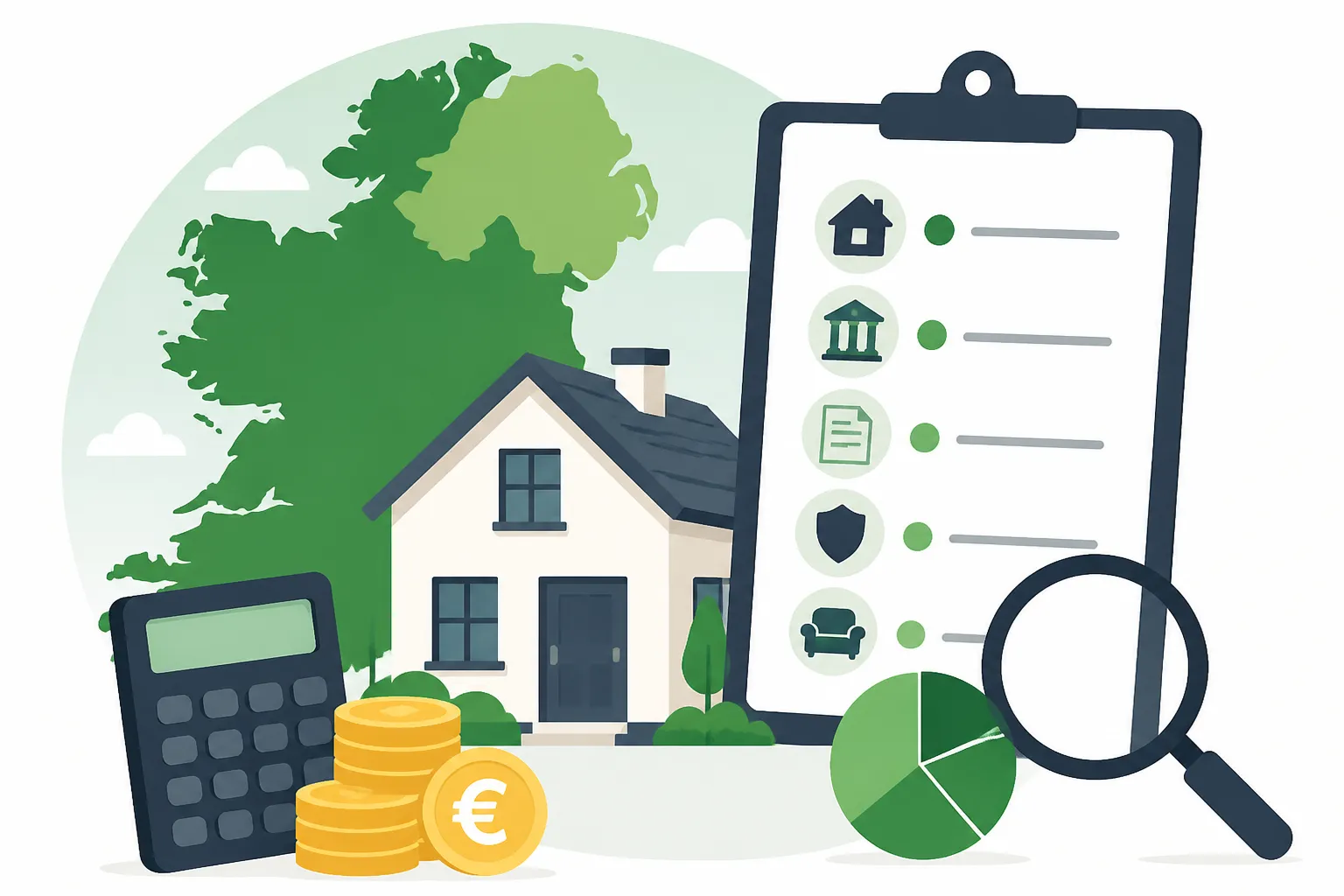
Moving to Ireland is an adventure, and for many expats, the dream eventually shifts from renting to owning a little slice of the Emerald Isle. But let me tell you, as someone who’s been through it, the sticker shock isn't just about the asking price. Ireland's property market comes with a laundry list of extra expenses that can easily catch you off guard if you haven't budgeted for them. This guide will meticulously break down all those "hidden" and not-so-hidden costs, giving you a realistic picture of the total financial outlay involved in buying a house here.
The Upfront Costs: Getting Your Foot in the Door
When you first start looking at houses, the price tag you see is really just the beginning. There’s a whole ecosystem of fees and charges that kick in right from the get-go, designed to ensure the transaction is legal, secure, and above board – and believe me, they add up quickly.
Deposit and Mortgage Fees
The very first hurdle for most buyers in Ireland is coming up with the deposit. Unlike some countries where a small percentage might suffice, the Central Bank of Ireland has pretty strict lending rules, and they apply to everyone, including expats. If you’re a first-time buyer, you're generally looking at a minimum deposit of 10% of the property's purchase price. For second-time buyers or investors, that jumps to 20%. So, if you're eyeing a €350,000 house, you'll need at least €35,000 in your pocket just for the deposit if it's your first home. This is often the biggest single cash outlay, and it's something you need to have readily available, not tied up in investments that take time to liquidate. For a deeper dive, check out How Much Is the Down Payment for a House in Ireland?.
Beyond the deposit, your mortgage lender will likely hit you with a few charges. There's often a mortgage arrangement fee, which can be a flat fee or a percentage of the loan. While some banks might waive this as part of a special offer, it’s always worth asking. You'll also encounter a valuation fee, typically ranging from €150-€250. This is paid to an independent valuer, appointed by the bank, to confirm that the property you're buying is actually worth what you're borrowing against it. It’s a non-negotiable step in securing your loan, as the bank needs to ensure their investment is protected. Knowing How to Get a Mortgage to Buy a Home in Ireland is a crucial first step in understanding these initial costs.
Legal Fees and Disbursements
Ah, solicitors! They're absolutely essential in the Irish property buying process, guiding you through the often-complex legal landscape of conveyancing. But their expertise comes at a price. Conveyancing fees can vary quite a bit, depending on the complexity of the sale, the solicitor's experience, and even the region. You can expect to pay anywhere from €1,500 to €5,000 plus VAT (which is currently 23%) for their services. This covers everything from drafting contracts and dealing with title deeds to handling the transfer of funds and registering your ownership.
On top of the solicitor's professional fee, you'll also be responsible for "disbursements." These are out-of-pocket expenses that your solicitor pays on your behalf to third parties during the process. Common disbursements include:
- Searches: These are checks carried out against the property to ensure there are no planning issues, outstanding charges, or other problems. This can include planning searches, judgment searches, and insolvency searches. These typically cost a few hundred euros.
- Land Registry Fees: These are government fees paid to the Property Registration Authority (PRA) to formally register you as the new owner of the property. The fee is tiered based on the property value, ranging from around €400 for properties up to €50,000 to €800 for properties over €400,000.
- Commissioner for Oaths fees: For certifying documents.
It's a good idea to ask for a clear breakdown of all fees and disbursements from your prospective solicitor right at the beginning. Understanding How to Complete the Conveyancing Process When Buying in Ireland can help demystify these charges.
Stamp Duty: The Big Tax Hit
This is often one of the most substantial additional costs when buying a property in Ireland, and it’s a tax imposed by the government on property transactions. For residential properties, the current rate of stamp duty is 1% on properties up to €1 million, and 2% on the portion of the value over €1 million. So, for that €350,000 house, you’d be paying €3,500 in stamp duty. For a €1.2 million property, it would be (€1,000,000 x 1%) + (€200,000 x 2%) = €10,000 + €4,000 = €14,000.
It's a non-negotiable part of the transaction and must be paid to Revenue (Ireland's tax authority) within 30 days of the property's completion date. Missing this deadline can result in penalties and interest, which you absolutely want to avoid. While there are some schemes like the "Help to Buy" scheme that can offer tax relief to first-time buyers on new builds, potentially reducing the stamp duty, it's not a universal benefit. Expats buying an existing home will almost certainly need to budget for the full amount. For comprehensive details on this, be sure to read Understanding Stamp Duty and Property Taxes in Ireland (2026).
Essential Costs During the Purchase Process
Beyond the initial financial commitments, there are other crucial expenses that arise as you move through the process of securing your new home. These are often about protecting your investment and ensuring you’re not inheriting someone else’s problems.
Valuation and Structural Surveys
While your bank will insist on their own valuation, that's primarily for their benefit – to ensure the property is adequate security for the loan. It tells you nothing about the structural integrity or potential issues of the house. This is where a structural survey (also known as a pre-purchase survey or engineer's report) comes in. This is an absolutely vital step, especially if you're buying an older property or one that looks like it might have a few quirks.
There are generally two types of surveys you might consider:
- Condition Report: This is a basic survey, often less detailed, suitable for newer, standard construction properties that are in good condition. Costs typically range from €300-€500.
- Building Survey: This is a much more comprehensive and detailed inspection, highly recommended for older properties, properties that have been significantly altered, or if you have any concerns at all. The engineer will check everything from the roof to the foundations, dampness, electrical systems (though they won't test them fully), and drainage. This can save you from costly surprises down the line, identifying issues like subsidence, dry rot, or a failing roof. Expect to pay anywhere from €500 to €1,000 or more, depending on the property size and location.
It might feel like an extra cost when you’re already spending so much, but trust me, finding out about a €10,000 roof repair before you buy is far better than after.
Insurances You Can't Skip
Once you've bought your property (or even just committed to buying it), you’ll need to put certain insurances in place. Your mortgage lender will insist on two main types:
- House Insurance (Buildings Insurance): This covers the physical structure of your home against damage from events like fire, storm, flood, and subsidence. You cannot draw down your mortgage without proof of buildings insurance. The cost varies based on the property's size, location, rebuild cost, and claims history, but you can expect to pay anywhere from €300 to €700 annually. Many people also opt for contents insurance at the same time, which covers your personal belongings inside the house, though this isn't mandatory for the mortgage.
- Mortgage Protection Insurance: This is a life insurance policy that pays off your outstanding mortgage balance if you or your co-borrower dies. It's a legal requirement for most mortgage borrowers in Ireland, designed to protect your family from the burden of the mortgage if the worst happens. The cost depends on your age, health, the mortgage amount, and the term, but it could be anywhere from €30-€100 per month. There are some exemptions, for example, if you're over 50 or have certain medical conditions, but generally, you'll need it.
These insurance premiums are ongoing costs, but the initial setup and first year’s payment will hit you around the time of purchase completion.
Property Registration Authority Fees
Once your solicitor has done all the legal heavy lifting, the final step in officially becoming the homeowner is registering your ownership with the Property Registration Authority (PRA). As mentioned under legal disbursements, these fees are typically paid by your solicitor on your behalf and then charged back to you. They are statutory fees, meaning the rates are set by the government, and they depend on the value of the property being registered.
For example, a property valued up to €50,000 would incur a PRA fee of €400, whereas a property valued between €301,001 and €400,000 would be €700. If your property is valued at over €400,001, the fee jumps to €800. These fees ensure that the public record of land ownership in Ireland is accurate and up-to-date, providing legal certainty for all property transactions. It's the final stamp on your ownership, literally.
The Ongoing Financial Commitments
Buying a house isn't just a one-off payment; it comes with a new set of regular financial responsibilities. Many expats don't always factor these into their initial calculations, but they can significantly impact your monthly budget.
Local Property Tax (LPT) and Other Annual Charges
Welcome to the world of property taxes! In Ireland, we have the Local Property Tax (LPT), which is an annual self-assessed tax based on the market value of your residential property on specific valuation dates (the last one was November 1, 2021). The amount you pay depends on the valuation band your property falls into, and different local authorities (councils) can also vary their basic rate by up to 15% either up or down.
For example, if your property is valued between €300,001 and €350,000, your annual LPT liability would be in the region of €395. This is paid directly to Revenue. It's not a massive amount compared to some other costs, but it’s an annual recurring expense you absolutely need to factor in. For more information, you can dive into Understanding Local Property Tax (LPT) for Homeowners in Ireland.
If you’re buying an apartment or a house within a managed estate, you’ll also likely face annual management fees. These fees cover the upkeep of common areas, such as grounds maintenance, lighting, cleaning, waste collection, and building insurance for multi-unit developments. These can vary wildly, from a few hundred euros to several thousand per year, especially for city-centre apartments with extensive facilities. Always inquire about these fees before committing to a purchase, as they are a significant ongoing cost.
Utility Setup and Initial Home Expenses
So you've got the keys – congratulations! Now comes the practical side of making it a home. Unless you’re buying a brand-new build, you’ll typically need to arrange for the transfer or setup of utilities in your name. This includes:
- Electricity: You'll need to choose an electricity provider (e.g., Electric Ireland, Bord Gáis Energy, SSE Airtricity). There might be a connection fee if it's a new build, or simply a transfer process.
- Gas: Similar to electricity, if your property has a gas supply, you'll pick a provider.
- Broadband and TV: Essential for modern living! Providers like Virgin Media, Eir, and Sky are common. There will usually be an installation fee for broadband. Don't forget the TV Licence – this is an annual charge of €160 (as of early 2024) if you own a television set or device capable of receiving a TV signal.
Beyond utilities, there's the cost of actually moving your belongings. If you're an expat moving from abroad, this can be a huge expense. Companies like Sirelo can help you compare quotes from international moving companies, making the process of budgeting for your physical relocation much easier. Then there's the cost of furnishing. Even if you bring furniture, there are always those bits and bobs you need: curtains, light fixtures, kitchen utensils, and maybe a fresh coat of paint. These initial setup costs can easily run into thousands of euros. If you want to dive deeper into all the setup costs, have a look at How Much Does It Cost to Set Up a Home in Ireland?.
Potential Renovation or Repair Costs
This is often the most overlooked and underestimated cost, especially for those falling in love with a charming, older Irish home. Very few properties are perfect, and even a relatively modern house might have minor issues. It's wise to set aside a contingency fund specifically for immediate repairs or unexpected maintenance.
Think about things like:
- Decorating: A fresh coat of paint throughout can transform a place, but paint, brushes, and potentially hiring decorators cost money.
- Minor repairs: A leaky tap, a squeaky door, a broken light fitting – these small things add up.
- Energy upgrades: Older Irish homes can be notoriously draughty. You might want to invest in better insulation, a new boiler, or upgraded windows to improve energy efficiency and save on future heating bills. These can be significant investments but often pay off in the long run.
- Gardening: If you’ve got a garden, you’ll need tools, plants, and possibly some landscaping work to make it your own.
A good rule of thumb is to budget at least 1-2% of the purchase price for immediate works, but for an older property, this figure could easily be 5% or more. This is where a thorough structural survey truly earns its keep, as it gives you a heads-up on potential major expenses. Many expats underestimate What Are the Hidden Costs of Buying a House in Ireland?, and these can certainly be among the biggest.
Hypothetical Breakdown: A Sample Case Study
Let's put all this into perspective with a hypothetical example. Imagine you’re a first-time buyer looking to purchase a typical three-bedroom semi-detached house in a commuter town outside Dublin, with a purchase price of €380,000.
| Cost Item | Estimated Cost (EUR) | Notes |
|---|---|---|
| Deposit (10% for first-time buyer) | €38,000 | This is the cash you need upfront. |
| Solicitor Fees + VAT | €3,000 | Average professional fee, plus 23% VAT (€2,439 + €561 VAT). This can vary greatly. |
| Legal Disbursements | €700 | Includes searches, Commissioner for Oaths, etc. |
| Land Registry Fee | €700 | Based on property value over €300k. |
| Stamp Duty | €3,800 | 1% of the purchase price (€380,000 x 0.01). |
| Mortgage Valuation Fee | €200 | Paid to the bank's appointed valuer. |
| Structural Survey | €700 | Engineer's report for peace of mind. Highly recommended, especially for older homes. |
| House Insurance (First Year) | €450 | Buildings insurance is mandatory for mortgage drawdown. |
| Mortgage Protection (First Year) | €600 | Estimate (€50/month). Mandatory life insurance for mortgage. |
| Moving Costs | €1,000 | Could be higher for international moves or if hiring professionals within Ireland. For expats, this can be substantial, and services like How to Find a Reliable Moving Company to Ireland? can make a big difference. |
| Initial Decorating/Small Repairs | €2,000 | Contingency for painting, minor fixes, immediate needs. |
| Utility Connection Fees/Setup | €200 | For broadband installation, potential electricity/gas transfer fees. |
| LPT (Annual, first year) | €395 | Local Property Tax based on valuation band. |
| Estimated TOTAL | €52,745 | (Excludes ongoing mortgage repayments) |
As you can see, even for a moderately priced home, the additional costs beyond the deposit are substantial. In this example, those "extra" fees and taxes alone add up to nearly €14,745 on top of your €38,000 deposit! This is why it’s absolutely critical to budget comprehensively and have a healthy contingency fund. How to Buy a House in Ireland as a Foreigner: The Full Guide (2027) offers even more context on the full process.
Buying a home in Ireland is a huge undertaking, but with careful planning and a clear understanding of all the costs involved, it can be a truly rewarding experience for expats looking to put down roots. Just remember, the asking price is just the tip of the iceberg!
Disclaimer
The information provided in this guide is for general informational purposes only and does not constitute financial, legal, or professional advice. Property costs, taxes, and regulations in Ireland can change, and it is essential to consult with qualified professionals such as solicitors, financial advisors, and tax consultants for advice tailored to your specific situation. We cannot be held responsible for any inaccuracies or omissions.