Can Foreigners Buy Property in Ireland?
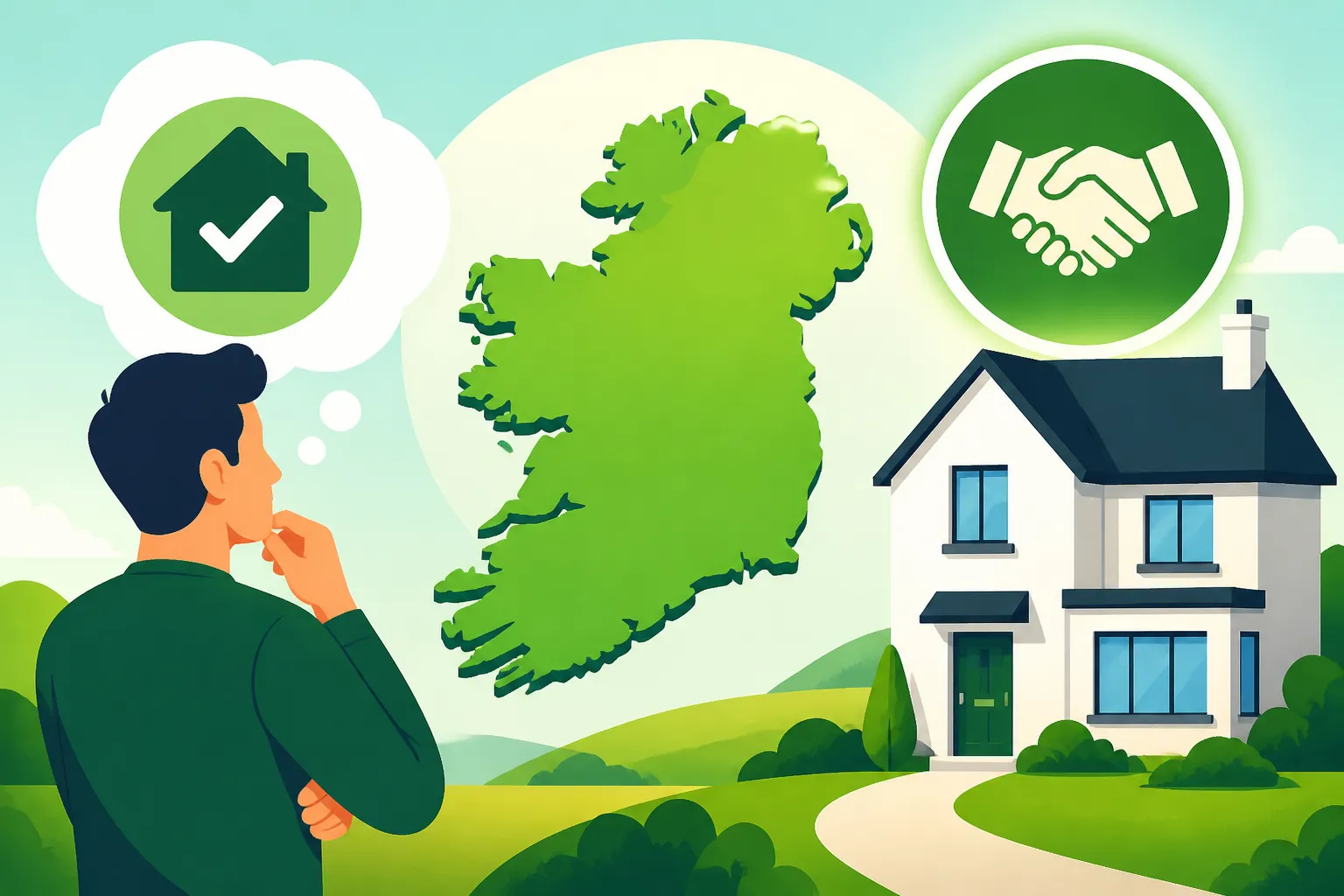
The dream of owning a little piece of Ireland is a common one for many expats, but the journey to purchasing property here can feel like navigating a maze blindfolded. You're probably wondering, "Can foreigners even buy property in Ireland?" Let me tell you, it's not a straightforward yes or no question in practice, even if the legal answer is generally yes. Many assume their non-Irish passport immediately puts them at a disadvantage, or that the process is laden with impossible hurdles. This comprehensive guide will walk you through the realities, legalities, and practical steps for foreigners looking to buy a home in Ireland, dispelling myths and equipping you with the knowledge you need.
Eligibility and Legalities for Foreign Buyers
First things first: legally, there are no specific restrictions based purely on your nationality when it comes to buying residential property in Ireland. Whether you're from an EU/EEA country or a non-EU/EEA country, the Irish state doesn't typically put up barriers simply because of your passport. This is a huge relief for many, as some countries do have strict rules about foreign ownership. However, while the legal right to purchase is generally open, the practical ability to do so is heavily influenced by your immigration status, your financial standing, and how long you intend to reside here.
Immigration Status and Residency Requirements
While you don't need to be an Irish citizen to buy property, your right to reside in Ireland is paramount, especially if you plan to live in the property you're buying. For EU/EEA citizens, this is relatively simple due to freedom of movement; you can reside and work here without specific permission. Non-EU/EEA citizens, however, will need to ensure they have the appropriate immigration permission.
For instance, if you're on a Critical Skills Employment Permit in Ireland or a General Employment Permit, you have the right to reside and work, which makes securing a mortgage and completing a purchase much more feasible. Having an IRP Card and Registering with Immigration is your proof of legal residency, and banks will certainly want to see this. If you’re a non-EU/EEA national with long-term residency, perhaps under Long-Term Residency and the Stamp 4 in Ireland, you're in a much stronger position.
It's crucial to understand that buying a house does not, in itself, grant you residency or citizenship. The two processes are entirely separate. So, if you're hoping to move here primarily to buy property, you still need to go through the proper immigration channels. The question isn't whether a foreigner can buy property, but whether you, as a foreigner, have the necessary permission to be here and establish the financial ties required for such a significant transaction. You'll want to review How EU/EEA and Non-EEA Citizens Move to Ireland: The Full Guide (2027) to ensure your ducks are in a row regarding residency.
Tax Residency Versus Property Ownership
Another aspect often confused is tax residency. You can own property in Ireland without being a tax resident, and vice-versa. If you purchase property and are not considered a tax resident of Ireland (for example, if you live abroad and buy an investment property), you will still be subject to Irish taxes related to that property. This includes Local Property Tax (LPT), potential rental income tax, and Capital Gains Tax (CGT) if you sell it in the future.
If you are a tax resident, meaning you meet the 183-day rule or are ordinarily resident, then the tax implications for property ownership are integrated with your overall The Complete Guide to Taxes in Ireland for Expats (2027). This is an area where it's always wise to get professional advice from an accountant specializing in expat tax law. The good news is that owning property can sometimes be a factor in demonstrating stronger ties to Ireland, which can be beneficial for proving ordinary residency in the long run, but it's not a direct path to citizenship.
Navigating the Irish Property Market as an Expat
The Irish property market, particularly in urban centres like Dublin, Cork, and Galway, is known for being competitive and, let's be honest, quite expensive. This is the reality you'll face whether you're Irish-born or an expat. The housing shortage is a well-documented issue, meaning demand often outstrips supply, especially for desirable properties. This means you need to be prepared for a fast-paced environment where quick decisions and having your finances in order are crucial.
Understanding the Market Dynamics
Before you even start browsing property websites, it's essential to get a feel for the local market. What are the average prices in your preferred areas? What types of properties are available? Are you looking for a house, an apartment, or perhaps something more rural? Dublin is notoriously competitive, with high prices and often intense bidding wars. Cities like Cork and Galway also have strong markets, while more rural areas might offer better value but come with different lifestyle considerations and potentially less access to amenities.
One of the best ways to get a handle on the market is to extensively research areas and typical property prices. Websites like Daft.ie and MyHome.ie are the primary portals for property listings in Ireland. You'll quickly see that the asking price can sometimes be just the starting point, especially in a seller's market. Understanding the Irish Rental Market and the Housing Shortage (2027) can give you valuable context, even if you plan to buy, as the rental market often mirrors the sales market's pressures.
The Role of Estate Agents
You absolutely need a good estate agent on your side. While it's possible to view properties independently, an estate agent acts as the intermediary between you and the seller. They can provide insights into local areas, property values, and guide you through the initial stages of making an offer. Crucially, they know the specific nuances of the Irish market. For example, they can advise you on what constitutes a reasonable offer, especially in a competitive environment where properties often go for above the asking price.
Finding a reputable agent is key. Ask for recommendations, check online reviews, and ensure they are licensed. When you're an expat, having someone who understands the local process and can communicate clearly with you is invaluable. Check out How to Find a Reliable Estate Agent or Letting Agent in Ireland for tips on choosing the right one. They won't just open doors; they'll be your eyes and ears on the ground. And speaking of staying connected, especially during those initial house-hunting trips where you're constantly on the go, an eSIM from a provider like Airalo can be a lifesaver. No faffing about with physical SIM cards, just instant data to keep your Google Maps, property apps, and WhatsApp calls running smoothly.
Financial Considerations and Mortgage Options
This is often the most significant hurdle for foreigners buying property in Ireland. While you can buy, obtaining the financing, especially a mortgage from an Irish bank, can be more challenging for those without a long financial history in the country.
Securing a Mortgage as a Foreign Buyer
Irish banks generally prefer to lend to individuals with a stable employment history in Ireland, a solid credit record in the country, and proof of long-term residency. If you've just arrived or don't have a substantial period of employment here, you might find it difficult. Banks typically look for:
- Proof of income: Usually, 6-12 months of payslips from an Irish employer, along with employment contracts. If you’re self-employed, you'll need a minimum of 2-3 years of audited accounts from Ireland.
- Deposit: As an expat, especially a first-time buyer, you'll generally need a deposit of at least 10% for a first home (up to €220,000) or 20% for any amount over that, or if it's not your first home. Non-residents or those with complex income situations may be asked for a larger deposit.
- Credit history: Your credit history from your home country might not be directly transferrable. Irish banks will want to see how you've managed finances in Ireland. This means having an Irish bank account, paying bills on time, and showing financial responsibility here. If you're new, it's a good idea to open an The Expat Guide to Opening a Bank Account in Ireland as soon as possible and start building this history.
- Immigration status: As mentioned, stable immigration permission (e.g., Stamp 4 or a multi-year employment permit) is critical. Banks want assurance that you'll be able to remain in Ireland to repay the loan.
The Central Bank of Ireland’s lending rules dictate how much you can borrow, typically 3.5 times your gross income for first-time buyers. However, some exemptions exist, and it's worth exploring these. For a deeper dive into the specifics, check out Understanding Mortgage Rules and the Central Bank Limits in Ireland. You'll find detailed information there that applies to everyone, including expats.
If you don't meet the strict criteria for an Irish mortgage, don't despair entirely. Some expats secure mortgages from international banks or their home country banks, especially if they have significant assets there. However, this can involve complex international legal agreements and potentially higher interest rates. It's often easier if you've already established roots here.
Beyond the Mortgage: Hidden Costs and Fees
Many first-time buyers, Irish or foreign, often underestimate the total costs involved in purchasing property. It's not just the purchase price and the deposit. Here's a quick rundown of typical additional expenses:
| Cost Item | Description | Estimated Cost (as % of property value or fixed fee) |
|---|---|---|
| Stamp Duty | Tax on property purchases. | 1% for properties up to €1 million; 2% for values above €1 million |
| Legal Fees | Solicitor's fees for conveyancing. | €1,500 – €5,000 + VAT (can vary based on complexity) |
| Valuation Fee | Required by the bank for mortgage approval. | €150 – €300 |
| Surveyor's Fee | Recommended to check structural integrity. | €300 – €800 (can be more for complex properties) |
| Bank Mortgage Fees | Arrangement fees, application fees (if applicable). | Varies by lender, some offer cashback |
| Disbursements | Various small outlays by solicitor (e.g., Land Registry fees, search fees). | €500 – €1,000 |
| Property Tax (LPT) | Annual tax based on property value. | Varies greatly by property value band and location |
| Building Insurance | Mandatory for mortgage. | Varies, typically €300 – €800 annually |
It's clear that the final cost can easily add up to 5-10% on top of the purchase price, not including your deposit. Always budget generously for these extras. Understanding Stamp Duty on Property Purchases in Ireland will help you prepare for one of the larger upfront taxes. You'll also want to look at How to Get a Mortgage to Buy a Home in Ireland for a comprehensive overview of financing.
The Property Purchase Process: A Step-by-Step Guide
The process of buying a house in Ireland is notoriously slow and relies heavily on solicitors. It can be frustrating, especially if you're used to quicker transactions in other countries. Patience, my friend, is your greatest asset here.
From Offer to "Sale Agreed"
Once you've found a property you love, you'll make an offer through the estate agent. This can sometimes involve a bidding process, especially in sought-after areas. Don't be shy about asking your estate agent for advice on how to structure your offer. If your offer is accepted, the property goes "sale agreed." This is a crucial step, but it's important to understand that it's not legally binding yet. Either party can pull out without penalty at this stage.
At this point, you'll need to pay a booking deposit (often €5,000 – €10,000), which is usually refundable if the sale falls through due to survey issues or title problems, but not if you simply change your mind without good reason. This deposit shows your commitment to the purchase. You should immediately engage a solicitor specializing in conveyancing once your offer is accepted.
Engaging a Solicitor and Due Diligence
Your solicitor is your best friend throughout this entire process. They will handle all the legal aspects of the transaction, from reviewing the title deeds to ensuring all planning permissions are in order. This is where the real work begins. Your solicitor will:
- Request contracts: They will get the draft contract for sale from the seller's solicitor.
- Conduct searches: This involves investigating the property's history, checking for easements, rights of way, planning issues, and any legal encumbrances.
- Raise requisitions: They'll ask the seller's solicitor detailed questions about the property and its legal status.
At this stage, you should also arrange for a structural survey of the property. This is highly recommended to identify any potential issues that could cost you a fortune down the line. If serious problems are found, you can negotiate the price, ask the seller to fix them, or even withdraw your offer.
For a full breakdown of the legal heavy lifting, read How to Complete the Conveyancing Process When Buying in Ireland. This article goes into great detail about what your solicitor will do.
Signing Contracts and Closing the Sale
Once your solicitor is satisfied with all the legal aspects, and your mortgage is formally approved, you'll sign the contracts. At this point, you'll typically pay the remainder of your deposit (bringing the total deposit paid to 10% of the purchase price). Crucially, once both you and the seller have signed and exchanged contracts, the sale becomes legally binding. Backing out after this point will incur significant penalties.
The final step is the closing, or completion, date. On this day, your solicitor will transfer the remaining funds (the balance of the purchase price, usually from your mortgage lender) to the seller's solicitor. In return, the seller's solicitor will hand over the keys and the signed deed of transfer. Congratulations, you're officially a property owner in Ireland! This final stage can sometimes take a few weeks or even months after contracts are exchanged, depending on various factors.
Practicalities of Moving In
Once the keys are in hand, you’ll need to switch over utilities like electricity, gas, and broadband. If you're moving your entire life from abroad, services like Sirelo can be incredibly helpful for comparing reputable international moving companies to get your belongings safely to your new Irish home. Don't forget to budget for these initial setup costs as part of your overall The Complete Guide to Cost of Living in Ireland for Expats (2026). The journey might be long, but the reward of having your own place in Ireland is truly special.
Pros and Cons of Foreigners Buying Property in Ireland
Deciding whether to buy property in Ireland as a foreigner is a big decision, and it comes with its own set of advantages and challenges. Let's weigh them up realistically.
Advantages of Owning Property as an Expat
There's a reason so many expats aspire to own a home here – it's not just about four walls and a roof, but about putting down roots and investing in your future in a place you've chosen to call home.
- Long-Term Security and Stability: Perhaps the most compelling reason. Renting in Ireland, particularly in popular cities, can be a constant struggle. The Complete Guide to Renting a Home in Ireland (2027) highlights the fierce competition, rising rents, and sometimes unstable tenancy situations. Owning gives you unparalleled stability, knowing you won't face eviction due to a landlord selling or wanting the property back for family use. It removes the stress of annual lease renewals and rent reviews, providing a tangible sense of belonging.
- Building Equity and Investment: Property in Ireland, particularly in urban areas, has historically been a strong long-term investment. While market fluctuations are always a risk, owning allows you to build equity over time, rather than your rent simply disappearing into someone else's pocket. It's a way to tangibly invest in the Irish economy and benefit from potential appreciation. This can be a significant part of your overall financial planning, especially if you envision a future in Ireland.
- Freedom to Personalize: When you own your home, you have the freedom to decorate, renovate, and truly make it your own without needing landlord permission. This sense of personal connection and control over your living space is incredibly valuable for expats who are building a new life and want their home to reflect that journey. It transforms a house into a true home.
- Potential for Rental Income: If your plans change, or if you decide to purchase another property, your owned home can become a source of rental income, providing a valuable asset and diversifying your financial portfolio. This flexibility can be reassuring, knowing your property serves as both a home and a potential income generator.
Challenges and Considerations for Foreign Buyers
While the benefits are significant, it's equally important to go into this with open eyes regarding the challenges. It's not always easy, and the frustrations are real.
- The Competitive Market and High Prices: As an expat, you're entering a market that is already challenging for everyone. The Why Is Rent So Expensive in Dublin? issue isn't just about rent; it reflects a broader housing supply crisis. Property prices, particularly in Dublin, can be eye-watering, and securing a property often involves navigating bidding wars. This can be especially disheartening for foreigners who might feel at a disadvantage due to unfamiliarity with the system or perceived 'foreigner tax' (though this isn't official, it can feel that way). For example, How Much Does It Cost to Buy a House in Galway? reveals similarly high costs in other desirable cities.
- Mortgage Access and Financial History: This is the big one. Irish banks are conservative lenders, and proving your financial stability and creditworthiness without a long, established history in Ireland can be a steep climb. The requirements for deposits and income verification can be stricter for those new to the country. This means potentially needing a larger cash deposit or spending a few years building your financial footprint here before a mortgage becomes feasible.
- The Slow and Complex Legal Process: Irish conveyancing is thorough but notoriously slow. The back-and-forth between solicitors, often involving paper documents, can take months. As an expat, perhaps juggling this with an international move or unfamiliarity with the legal jargon, it can feel incredibly frustrating and opaque. Patience is a virtue, but it doesn't make the waiting any less painful.
- Additional Costs and Currency Fluctuations: Beyond the purchase price, the ancillary costs (stamp duty, legal fees, surveys, etc.) can add up significantly. If you're transferring a large sum of money from a non-Euro currency, you're also exposed to exchange rate fluctuations, which could impact your budget without warning. Carefully budgeting for the How Much Does It Cost to Set Up a Home in Ireland? is essential.
In conclusion, while the door is open for foreigners to buy property in Ireland, it's not without its specific challenges. Success often hinges on robust financial planning, a clear understanding of the Irish market and legal system, and perhaps most importantly, a generous dose of patience.
Disclaimer
The information provided in this guide is for general informational purposes only and does not constitute legal, financial, or immigration advice. While we strive to provide accurate and up-to-date information, laws and regulations in Ireland can change. It is essential to consult with qualified legal, financial, and immigration professionals for advice tailored to your specific situation before making any property purchase decisions.