Understanding the Best Areas and Counties for Expats in Ireland
One of the biggest anxieties for anyone thinking about moving to Ireland is figuring out where to live. It's not just about finding a roof over your head; it's about finding a place that feels like home, a community that welcomes you, and a lifestyle that fits your dreams. Ireland is a small island, but it’s incredibly diverse, from the buzzing urban centres to the quiet, breathtaking countryside, and making the right choice can feel overwhelming. This guide will walk you through the various regions and cities, offering a realistic look at what each has to offer, so you can make an informed decision and hopefully ease some of that pre-move stress.
Navigating Ireland's Regions: More Than Just Dublin
When you first start researching Ireland, Dublin probably dominates your search results. It’s the capital, the largest city, and often the first port of call for many expats, especially those arriving for work in multinational companies. But trust me, as someone who’s been here a while, Ireland is so much more than just Dublin! Each region has its own distinct flavour, job market, cost of living, and community vibe. Dismissing the rest of the island would be a huge disservice to your expat experience.
The North, South, East, and West: A Quick Cultural Compass
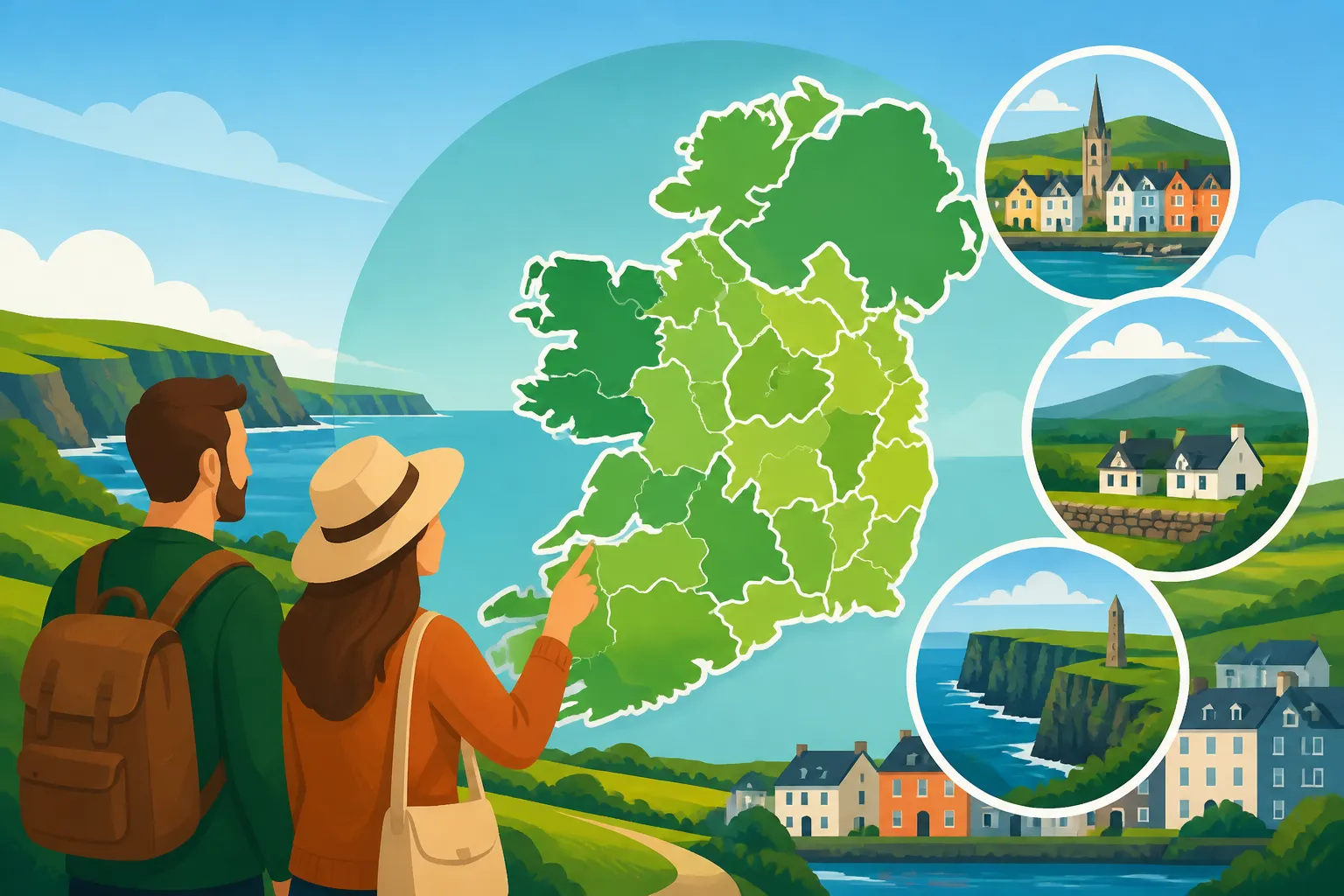
Ireland is traditionally broken down into four provinces: Leinster (East), Munster (South), Connacht (West), and Ulster (North). While Ulster technically includes Northern Ireland, for the purpose of moving to the Republic, we usually refer to the counties in the Republic that are part of Ulster (Donegal, Cavan, Monaghan). Each of these broader regions carries a different cultural cadence.
Leinster, dominated by Dublin, is often seen as the economic powerhouse, more fast-paced, and diverse. It’s a melting pot of cultures, offering a truly international feel, but with a high cost of living to match. The East Coast counties like Wicklow, Kildare, and Meath are often considered commuter belts for Dublin, blending suburban convenience with beautiful natural landscapes.
Munster, home to Cork, Limerick, and Waterford, boasts a strong sense of regional identity, often feeling a bit more 'traditionally Irish' while still being incredibly forward-thinking. Cork, in particular, has a proud independent spirit and a thriving economy. The South West (Kerry, Clare) offers stunning scenery and a slower pace, popular with those seeking a connection to nature.
Connacht, the West of Ireland, is perhaps what many picture when they think of "authentic" Ireland – rugged landscapes, Gaeltacht (Irish-speaking) areas, and a strong emphasis on traditional music and arts. Galway is the vibrant urban heart of Connacht, a true cultural hub. Sligo and Mayo offer wild beauty and a more tranquil existence.
Finally, the border counties in Ulster (Donegal, Cavan, Monaghan) offer a unique blend of cultures, often with closer ties to Northern Ireland. Donegal, in particular, is renowned for its dramatic coastline and remote beauty, offering a very different expat experience from the urban centres. Understanding these broad strokes can help you narrow down your initial focus based on your preferred lifestyle.
Dispelling Myths: Is Dublin the Only Option?
Absolutely not! While Dublin offers the highest concentration of job opportunities, particularly in tech and finance, it's far from being the only place to build a life in Ireland. Many expats initially gravitate towards Dublin because it feels "safe" and familiar, being a capital city with lots of infrastructure. However, the challenges of Dublin – the eye-watering rents, the competitive housing market, and sometimes the sheer hustle and bustle – often lead people to explore other options after a year or two.
I've seen countless expats move to Cork, Galway, or even smaller towns, finding that their quality of life improved dramatically. They often discover that their industry still has a presence outside Dublin, or that a slightly longer commute is worth the trade-off for more affordable housing and a stronger sense of local community. The rise of remote work has also opened up opportunities across the country, allowing people to live somewhere beautiful and still earn a "Dublin salary." Don't let the initial pull of the capital blind you to the other incredible places Ireland has to offer. It's about finding your fit, not just any fit.
Dublin: The Bustling Heart (and its Challenges)
Alright, let's talk about Dublin. It’s probably where you'll land, at least initially, and for good reason. Dublin is a city of immense opportunity, vibrant culture, and endless things to do. It’s where many of the big multinational companies like Google, Meta, Intel, and Apple have their European headquarters, drawing in a global workforce. You’ll find people from every corner of the world here, creating a truly cosmopolitan atmosphere. From world-class museums and galleries to an electrifying pub scene and stunning parks, Dublin has it all.
However, it also comes with its challenges, most notably the cost of living. Seriously, the housing situation can be a bit of a nightmare. Securing a rental property requires patience, quick action, and often a bit of luck. Utilities aren't cheap either. So, while the job prospects are abundant, be prepared for a significant portion of your salary to go towards rent. For those planning their move, I strongly recommend getting a temporary mobile plan, like an Airalo eSIM, upon arrival. It'll give you instant connectivity, which is crucial for navigating job searches, apartment viewings, and general life administration from day one.
Northern vs. Southern Dublin: Deciphering the Divide
Dublin has a distinct north-south divide, culturally and economically. Historically, the Northside (everything north of the River Liffey) was considered the working-class side, while the Southside was more affluent. While these distinctions have blurred significantly over the years, some perceptions and differences still remain.
Northside Dublin
Areas like Drumcondra, Glasnevin, Phibsborough, and Clontarf offer a mix of housing, from Victorian terraces to modern apartments. You'll find a strong sense of local community here, often with more traditional Irish pubs and family-run shops. It's generally perceived as slightly more affordable than the Southside, though this is becoming less true as the city expands. Key amenities include Dublin Airport (easily accessible), Croke Park (Gaelic games stadium), and various colleges like DCU. Some areas, particularly closer to the city centre, can feel a bit grittier, but many northern suburbs are lovely and well-connected by bus and DART (Dublin Area Rapid Transit).
Southside Dublin
This side of the Liffey is generally seen as more affluent, with areas like Ballsbridge, Donnybrook, Ranelagh, Rathmines, and Blackrock boasting beautiful homes, leafy streets, and a higher concentration of boutique shops and upscale restaurants. It's also home to major employment hubs like the Grand Canal Dock (often called 'Silicon Docks') and Leopardstown. Public transport is excellent, with the DART line running along the coast and numerous bus routes. Expect rents and property prices to be significantly higher on the Southside. For many expats, the Southside often aligns with job locations and perceived safety, but it comes at a premium.
Best Dublin Neighbourhoods for Expats
Choosing a neighbourhood in Dublin largely depends on your budget, lifestyle, and where you'll be working.
- For Professionals in Tech/Finance (City Centre/Southside): Areas like Grand Canal Dock, Ballsbridge, and Ranelagh are highly sought after. They offer proximity to major employers, excellent transport links, and a buzzing social scene with plenty of restaurants, cafes, and pubs. However, be prepared for very high rents. Think modern apartments, a fast-paced environment, and a truly international crowd.
- For Families (Suburban Southside/Northside): Blackrock, Stillorgan, Rathfarnham (Southside) and Clontarf, Malahide, Castleknock (Northside) are popular choices. These areas offer good schools, parks, and a more relaxed, family-friendly atmosphere. Commuting into the city centre is generally straightforward via DART or bus. You'll likely find more houses with gardens here, but again, prices can be steep. These areas offer a good balance of urban amenities and suburban tranquility.
- For Those on a Tighter Budget (Further Out/Northside): Neighbourhoods like Drumcondra, Phibsborough, or Cabra on the Northside, or parts of Tallaght or Clondalkin (further South-West) might offer more affordable options. While perhaps not as traditionally 'expat-heavy', they provide good community vibes and are generally well-connected by Dublin Bus, though commutes can be longer. These areas often require a bit more research to find the right fit, but can offer a great sense of local Irish life.
The Dublin Dilemma: Cost, Competition, and Commute
The "Dublin Dilemma" is a real thing for many new arrivals. You've landed a fantastic job, but now you face the brutal reality of the housing market.
- Cost: Let's not sugarcoat it: How Much Does It Cost to Rent in Dublin in 2026? is probably one of the first things you'll search for, and the answer will likely shock you. Rents are among the highest in Europe. A modest one-bedroom apartment can easily set you back €1,500-€2,000 per month, and family homes significantly more. This means careful budgeting is essential, as The Complete Guide to Cost of Living in Ireland for Expats (2026) reveals just how quickly expenses add up.
- Competition: Finding a place isn't just about the money; it's about getting through the door. Rental viewings often involve queues of dozens of people, all vying for the same property. Landlords or letting agents will ask for references, proof of employment, and deposits. It’s a fast-paced environment where you need to be prepared with all your documents ready to go. The key is perseverance and having all your paperwork in order when you attend viewings, making sure you stand out from the crowd.
- Commute: While Dublin has a decent public transport network (buses, DART, Luas trams), traffic can be horrendous. Living in a commuter belt county like Kildare, Meath, or Wicklow might offer more affordable housing, but it can easily add 1-2 hours to your daily commute, each way. This is a trade-off many expats weigh: more space and lower rent versus precious hours lost to travel. Considering proximity to your workplace when searching for a home is crucial to maintaining a good quality of life.
Beyond the Capital: Ireland's Vibrant Cities
While Dublin hogs the limelight, Ireland boasts several other fantastic cities that offer a rich expat experience, often with a better work-life balance and a significantly lower cost of living. These cities are hubs of innovation, culture, and community, each with its unique character. If you're looking for job opportunities outside of Dublin, many major companies also have offices in these regional centres, or consider looking into remote work options.
Cork: The Rebel County's Charm and Opportunities
Cork, often called the "Real Capital" by its proud inhabitants, is Ireland's second-largest city and a fantastic choice for expats. It’s located in Munster, in the south-west of the country, nestled on the River Lee. Corkonians have a fiercely independent spirit, and the city itself has a bustling, yet laid-back atmosphere.
Why Cork appeals to expats:
- Economy: Cork has a strong economy, particularly in pharmaceuticals, medical devices, and IT. Major employers like Apple, Dell EMC, Pfizer, and Johnson & Johnson have significant operations here, meaning ample How Do I Find a Job in Ireland's Tech Sector? opportunities. This provides a diverse job market that isn't solely reliant on Dublin.
- Lifestyle: The city centre is walkable, with a vibrant food scene (it's often considered the food capital of Ireland), excellent pubs, and a rich arts and culture calendar. Living in Cork often means less time commuting and more time enjoying life. The pace is definitely a notch or two slower than Dublin, allowing for a more relaxed lifestyle without sacrificing urban amenities.
- Affordability: While not "cheap," the cost of living in Cork is notably lower than in Dublin, especially when it comes to rent. You get more for your money, whether it's an apartment in the city or a house in a charming suburb like Douglas or Ballincollig. This often translates to more disposable income and a better quality of life.
- Scenery: Cork is surrounded by stunning natural beauty. The Wild Atlantic Way is on its doorstep, with beautiful coastal towns like Kinsale and Clonakilty, and scenic drives through West Cork. Weekend trips to beaches, cliffs, and charming villages are easily accessible.
Challenges in Cork:
Finding accommodation can still be competitive, especially in the city centre. While more affordable than Dublin, rents have been rising. The public transport network is primarily bus-based, which can be less extensive than Dublin's integrated system.
Galway: The Cultural Gateway to the West
Galway, the vibrant capital of Connacht on the west coast, is renowned for its bohemian charm, lively arts scene, and as the gateway to the stunning Connemara region. It’s a smaller city than Dublin or Cork, but what it lacks in size, it more than makes up for in character and community spirit.
Why Galway appeals to expats:
- Culture: Galway is a hub of traditional Irish music, arts, and festivals. It's known for its buskers, colourful shopfronts, and a palpable creative energy. The city was a European Capital of Culture in 2020, solidifying its artistic credentials. The Latin Quarter is a particular highlight for its cobbled streets, pubs, and restaurants.
- Student City: Home to NUI Galway and Galway-Mayo Institute of Technology (GMIT), the city has a youthful, energetic vibe. This contributes to a diverse, welcoming atmosphere and a good social scene. It's easy to make friends and find social groups here.
- Job Market: While smaller than Dublin or Cork, Galway has a growing tech and medical device sector, with companies like Medtronic, Boston Scientific, and SAP having a presence. There are also opportunities in tourism and education.
- Scenery: Galway is truly at the heart of the Wild Atlantic Way. Connemara National Park, the Aran Islands, and the Cliffs of Moher are all within easy reach, offering unparalleled natural beauty for weekend adventures. The city itself sits on Galway Bay, offering lovely waterside walks.
Challenges in Galway:
Being a smaller city, the job market is less diverse than Dublin or Cork. Accommodation can also be very competitive, especially during term time due to the large student population, and rents are still high, though generally less than Dublin. Public transport within the city is mostly by bus.
Limerick and Waterford: Rising Stars with Community Spirit
Don't overlook these two fantastic cities in Munster, which are often gaining traction for their burgeoning opportunities and welcoming communities. They offer a strong quality of life and are becoming increasingly attractive options for expats looking for a slightly different pace.
Limerick: The Treaty City's Transformation
Limerick, once unfairly stigmatised, has undergone a remarkable transformation in recent years. It's a city proud of its history (King John's Castle is a must-see) and is rapidly evolving into a dynamic economic and cultural centre.
- Economy: Limerick is a significant player in the mid-west region, with strong sectors in aerospace (Shannon Airport is nearby), life sciences, finance, and IT. Companies like Dell Technologies, Johnson & Johnson, and Regeneron have a presence. The University of Limerick also contributes to a skilled workforce and research environment.
- Regeneration: Significant investment has revitalised the city centre, with new developments, cultural spaces, and a growing arts scene. There's a tangible sense of optimism and progress.
- Affordability: Compared to Dublin and even Cork/Galway, Limerick generally offers more affordable housing, both for rent and purchase. This can be a huge draw for expats looking to stretch their budget further.
- Community: Limerick has a strong sense of community and a friendly, welcoming atmosphere. It's a city where you can quickly feel at home.
Waterford: Ireland's Oldest City with a Modern Vibe
Waterford, Ireland's oldest city, located in the south-east, is famous for its Viking history, beautiful Greenway, and world-renowned crystal. It’s a city that beautifully blends its rich heritage with modern amenities.
- Economy: Waterford has a growing economy, particularly in pharmaceuticals, medical technology, and food processing. Companies like Sanofi, Bausch + Lomb, and Teva Pharmaceutical Industries have operations here. The city also benefits from its port and proximity to key transport links.
- Lifestyle: Waterford offers a high quality of life with a relaxed pace, stunning coastal and mountain scenery within easy reach, and a vibrant arts scene. The Waterford Greenway, a 46km cycling and walking trail, is a major attraction.
- Affordability: Like Limerick, Waterford is generally more affordable than the larger Irish cities, making it an attractive option for those conscious of living costs.
- Heritage: The Viking Triangle, a historic quarter, showcases the city's ancient roots with impressive museums and medieval architecture. It's a city with a story around every corner.
Both Limerick and Waterford offer a strong sense of community, a more relaxed pace of life, and better affordability than the big three, making them excellent choices for expats seeking a different kind of Irish experience.
Embracing the Pace: Smaller Towns and Rural Life
For some expats, the idea of city living, even in a smaller city, isn't quite right. Ireland's charm often lies in its picturesque towns, quaint villages, and breathtaking rural landscapes. If you're someone who values nature, community, and a slower pace of life, then venturing beyond the cities might be your ideal.
Coastal Towns and the Wild Atlantic Way: A Lifestyle Choice
The Wild Atlantic Way, a spectacular coastal route stretching 2,500 km along Ireland's west coast, is dotted with incredible towns that offer a unique lifestyle. Imagine waking up to ocean views, going for a surf before work, or spending weekends hiking dramatic cliffs.
- Westport, Co. Mayo: Consistently voted one of Ireland's tidiest towns, Westport is a vibrant, pretty town with a fantastic community feel. It's close to Croagh Patrick, Clew Bay, and has a lively pub and restaurant scene. It attracts a mix of artists, remote workers, and families.
- Kinsale, Co. Cork: A picturesque harbour town renowned as Ireland's gourmet capital. Kinsale is incredibly charming, with colourful streets, excellent restaurants, and a strong sailing community. It's a bit more upscale and therefore more expensive, but offers a truly idyllic coastal lifestyle within a short drive of Cork city.
- Dingle, Co. Kerry: Famous for its stunning peninsula, Fungi the dolphin (RIP!), and a thriving traditional Irish music scene. Dingle is a Gaeltacht area (Irish-speaking), adding to its cultural richness. It's a tourist hotspot in summer but maintains a strong local community feel.
- Sligo Town, Co. Sligo: While Sligo is officially a town, it acts as a regional hub for the North West. It offers a blend of urban amenities with immediate access to stunning coastline and mountains (Benbulben is iconic). It's gaining a reputation for surfing and outdoor activities.
Living in these towns often means a close-knit community where everyone knows everyone (sometimes a bit too well!), and a stronger connection to Irish traditions. Many remote workers are choosing these locations, allowing them to earn a good salary while enjoying a superior quality of life. However, job opportunities outside of tourism or specific local industries can be limited, so remote work or a portable skill set is often key. You'll also likely need a car for getting around, as public transport links can be infrequent.
Inland Gems: Community, Nature, and Affordability
Beyond the coast, Ireland's interior offers beautiful towns and villages nestled amidst rolling green hills, lakes, and forests. These areas often provide the best value for money when it comes to housing and a deep sense of community.
- Ennis, Co. Clare: A lovely market town known for its narrow, winding streets and traditional music sessions. Ennis is a short drive from Limerick city and Shannon Airport, offering good connectivity while maintaining a charming, historic feel. It's a good base for exploring the Burren and Cliffs of Moher.
- Kilkenny, Co. Kilkenny: Often dubbed "The Marble City," Kilkenny is a medieval gem with a magnificent castle, a vibrant arts and craft scene, and a lively atmosphere. It's a popular tourist destination but also a thriving local community with good schools and amenities. It’s well-connected to Dublin by train.
- Athlone, Co. Westmeath: Located right in the heart of Ireland on the River Shannon, Athlone offers a very central base. It’s a busy town with a good mix of shops, restaurants, and a thriving nightlife. It’s also home to a technological university, giving it a youthful energy. Housing is generally more affordable here compared to coastal towns or larger cities.
- Carrick-on-Shannon, Co. Leitrim: A picturesque town on the River Shannon, known as Ireland's cruising capital. It’s a smaller, more tranquil option, popular for outdoor activities like boating, fishing, and cycling. It offers a very relaxed pace of life and is surrounded by beautiful countryside.
These inland towns are perfect for those who enjoy a slower, more community-focused existence. They often offer greater affordability and a chance to truly immerse yourself in local Irish life. Public transport can be limited, so a car is often essential.
The Practicalities of Rural Living for Expats
Moving to a smaller town or rural area in Ireland as an expat comes with its own set of practical considerations.
- Job Market: While remote work is a game-changer, if you need local employment, options can be scarcer and more specialised. Be realistic about the local job market. The Expat Guide to Finding a Job in Ireland (2027) is invaluable, but always tailor your search to the specific region.
- Transport: Public transport outside of cities is significantly less frequent, often limited to a few buses a day. A car quickly becomes a necessity for daily life – shopping, commuting, and exploring. Factor in the costs of buying and maintaining a vehicle, as well as car insurance.
- Services and Amenities: Smaller towns will have fewer shops, restaurants, and entertainment options compared to cities. While this can be part of the charm, it's something to consider. Healthcare services, including access to specialists, might require travel to larger regional centres, even though The Complete Guide to Healthcare in Ireland for Expats (2027) provides a solid overview.
- Community Integration: While incredibly welcoming, integrating into a tight-knit rural community might take more effort. Joining local clubs, sports teams, or volunteering can be a great way to meet people and build connections.
- Connectivity: While fibre broadband is becoming more widespread, internet speeds can still be an issue in very remote areas. If you're a remote worker, this is a critical check. However, with good mobile coverage, you might be able to get by with a reliable mobile hotspot if necessary. Before committing to a move, ensure you research the broadband providers and coverage in your specific area.
Factors to Consider When Choosing Your Irish Home
Deciding where to settle in Ireland is a deeply personal choice, and there's no single "best" place. It depends entirely on your priorities, lifestyle, and what you're looking for in your expat adventure. To help you make an informed decision, let's break down the key factors you'll need to weigh.
Budget, Job Market, and Commute: The Unholy Trinity
These three factors are often intertwined and will heavily influence your choice of location. You can rarely maximise all three simultaneously.
- Budget: This is almost always the starting point for expats. Housing, particularly rent, is the biggest determinant of your overall How Much Is the Cost of Living in Ireland for Expats? The table below gives a general comparison, but always do your current research as prices fluctuate. If affordability is your top priority, you'll likely be looking outside of Dublin and perhaps even outside of Cork and Galway city centres.
| Factor | Dublin | Cork & Galway | Limerick & Waterford | Smaller Towns/Rural |
|---|---|---|---|---|
| Rent (1-bed) | €1,600 – €2,500+ | €1,200 – €1,800 | €1,000 – €1,500 | €800 – €1,200+ |
| Job Market | Excellent (Tech, Pharma, Finance, etc.) | Strong (Pharma, MedTech, IT, Agri-food) | Good (Life Sciences, Aerospace, IT, Manufacturing) | Limited (Tourism, Remote Work, Local Services) |
| Commute | Can be long & traffic-heavy (even within city) | Manageable, city is walkable | Generally short and easy | Often requires a car, less public transport |
| Pace of Life | Fast-paced, bustling | Vibrant but more relaxed than Dublin | Steady, community-focused | Slow, tranquil, nature-oriented |
- Job Market: Your industry and profession will dictate where the most opportunities lie. If you're in specific niche sectors, Dublin often offers the most concentrated options. However, as discussed, other cities and even some large towns have thriving sectors. Many expats also find that their skills are transferable, allowing them to explore roles in regional centres. Always consider the availability of jobs in your field when making your decision, and start your job hunt early!
- Commute: Do you value a short, easy commute, or are you willing to travel for a more affordable home or a specific lifestyle? Dublin's public transport is the most extensive, but traffic congestion is a nightmare. Outside Dublin, public transport can be sparse, making a car almost a necessity. Consider the total time and cost of your commute, not just the distance.
Schools, Healthcare, and Community Integration
These are crucial considerations, especially if you're moving with a family or if you have specific personal needs.
- Schools: Ireland has a robust education system, but availability can vary, especially in rapidly growing areas. In larger cities, you might find more international schools or a greater choice of ethos (e.g., Educate Together). In smaller towns, you might have fewer options, but often a strong local community school. Researching Schools and Education in Ireland: A Complete Guide for Expat Families for your chosen area is vital, particularly around enrolment deadlines.
- Healthcare: Access to a GP (General Practitioner) is fundamental. While Registering with a GP in Ireland: The Complete Expat Guide (2027) applies nationwide, finding an available GP in your chosen area, especially in oversubscribed urban centres, can take time. Specialist care often requires travel to larger hospitals, regardless of where you live. Consider your specific healthcare needs and the proximity to hospitals or medical facilities.
- Community Integration: How easily you integrate into your new community is a huge factor in overall happiness. Dublin is diverse and offers many expat groups, but can feel anonymous. Smaller cities and towns often provide a stronger, more immediate sense of community, where people are more likely to know their neighbours and get involved in local activities. Think about what kind of social environment you thrive in. Joining local clubs, sports teams, or even just frequenting the same local shop can make a huge difference.
Connectivity and Services: Digital Nomads and Families
In today's world, staying connected and having access to essential services is non-negotiable for most expats.
- Internet and Mobile: Reliable internet is crucial, especially for remote workers. While urban centres generally have excellent fibre broadband, rural areas can be more hit-and-miss. Check providers like Eir, Virgin Media, and Vodafone for coverage in your specific postcode. For mobile connectivity upon arrival, an eSIM from Airalo can provide immediate data, allowing you to get online and navigate without searching for Wi-Fi. It’s a lifesaver for initial setup. Remember to factor in the costs and availability of How to Set Up Broadband and TV in Ireland.
- Utilities and Banking: Setting up your home essentials can be a bit of a process. For everything from electricity and gas to waste collection and water, check out The Expat Guide to Setting Up Utilities (Electricity, Gas, Water) in Ireland. It’s also important to consider how you'll manage your finances. While you can open a bank account anywhere, access to branches might be easier in larger towns or cities.
- Moving Services: Planning your move to Ireland, especially internationally, can be a monumental task. Services like Sirelo can be incredibly helpful in comparing quotes from various removal companies, ensuring your belongings make it safely and efficiently to your new Irish home. Whether you're moving across the continent or just a short hop from the UK, having a reliable moving partner takes a massive load off your shoulders.
- Cultural Fit and Personal Preference: Ultimately, the "best" area is one that resonates with you. Do you crave the energy of a bustling city, or the peace of the countryside? Are you looking for a vibrant nightlife, or quiet evenings by a fire? Do you prefer historical charm or modern amenities? Think deeply about your personal values and what truly makes a place feel like home. Take a look at The Complete Guide to Moving to Ireland: Your First 90 Days (2027) for more tips on settling in.
Making an informed choice about where to live in Ireland involves careful consideration of these factors. Don't rush into a decision; visit if you can, talk to other expats, and weigh the pros and cons meticulously. The beauty of Ireland is that there truly is a place for everyone, from the urban jungle to the remote wilderness.
Disclaimer
The information provided in this guide is intended for general informational purposes only and does not constitute professional advice. While we strive to keep the content up-to-date and accurate, Ireland's regulations, policies, and market conditions (especially concerning housing and costs) can change rapidly. Always consult official government sources, legal professionals, and financial advisors for the most current and specific information pertaining to your individual circumstances.