How to Buy a Car as a Newcomer in Ireland
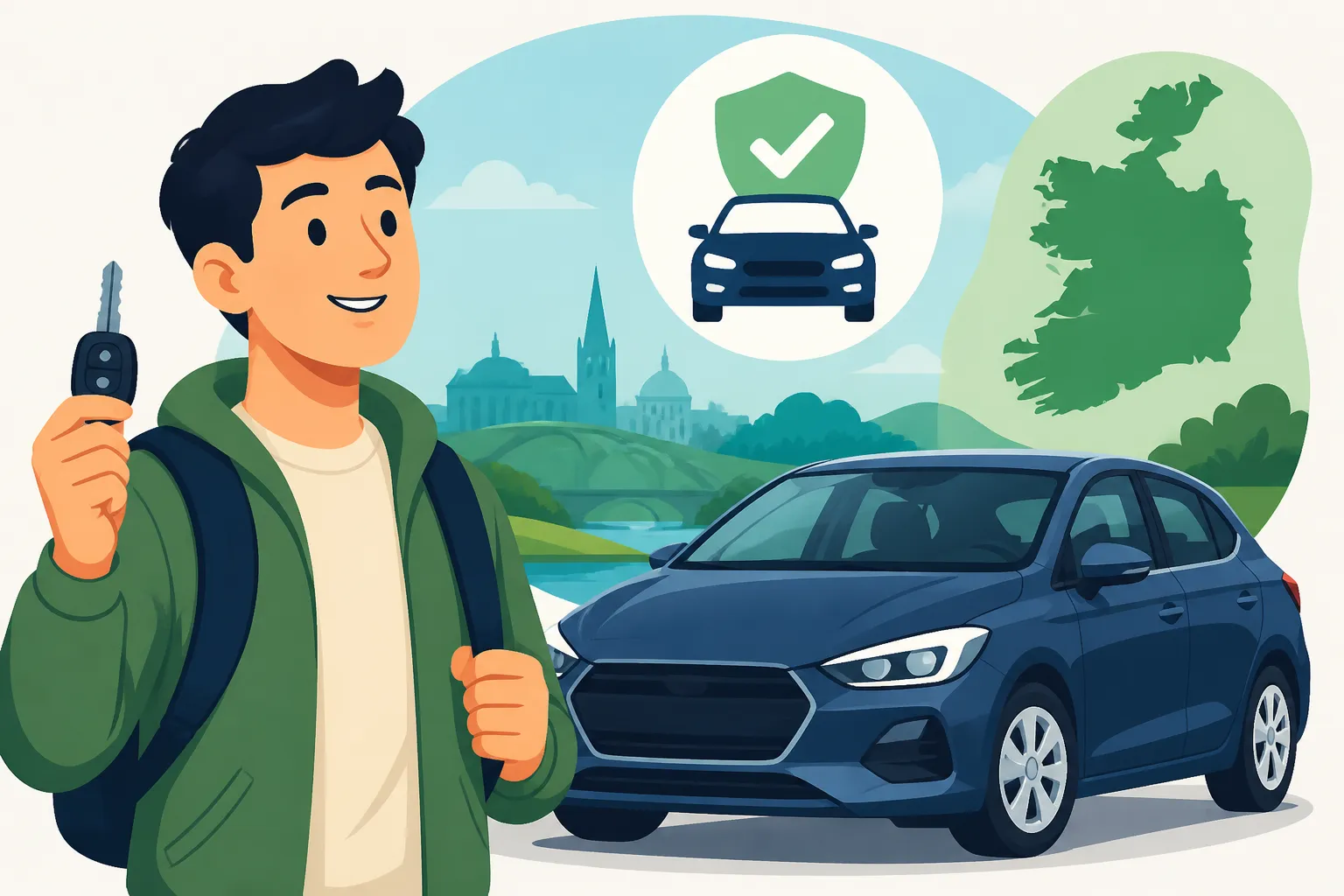
Moving to a new country like Ireland is exhilarating, but getting around can quickly become a headache, especially if you're used to driving. Public transport is an option, of course, but for many expats, the sheer freedom and necessity of having their own wheels is undeniable. This comprehensive guide is here to help you, a newcomer, navigate the often-complex world of buying a car in Ireland, from deciding if you even need one to getting it taxed, insured, and ready for the road.
Initial Considerations for Expats in Ireland
Before you even start browsing car ads, it's really important to pause and think about what car ownership means in Ireland, particularly for someone who's just arrived. It’s not just about the sticker price; there are a lot of moving parts and hidden costs that can catch you off guard.
Do You Really Need a Car? Cost vs. Convenience
Ireland is a beautiful country to explore by car, no doubt about it. The wild Atlantic Way, the Ring of Kerry, the stunning glens – they all beckon. But let's be realistic, especially if you've landed in one of our bustling cities like Dublin, Cork, or Galway. Do you really need a car?
For many, particularly those living and working in urban centres, the answer might be no, or at least, not immediately. Dublin, for instance, has a fairly extensive public transport network, including buses, the Luas (tram system), and the DART (commuter rail). You can often get around quite efficiently with a Leap Card, especially for your daily commute. Cork and Galway also have decent bus services within their city limits. However, once you step outside these urban bubbles, public transport thins out dramatically. If you're living in a more rural area, or your job requires travel to places not well-served by buses or trains, a car quickly shifts from a luxury to a necessity. Think about your lifestyle: do you plan on weekend trips to remote beauty spots, or will you stick to city life? The answer will heavily influence your decision. For some, the cost and hassle of car ownership simply aren't worth it when the benefits of The Expat Guide to Public Transport in Ireland are so readily available.
Driving Licence Requirements for Expats
This is one of the first bureaucratic hurdles you'll face, and it's a common source of frustration for newcomers. You can't just hop into a car with your foreign licence indefinitely. The rules depend entirely on where your licence was issued.
If you hold a driving licence from an EU/EEA member state, great news! You can simply exchange it for an Irish driving licence without having to take a driving test. This is relatively straightforward, but you’ll need to apply to the National Driver Licence Service (NDLS) and provide specific documentation. Now, if your licence is from certain "recognised states" (like Australia, Canada, Japan, New Zealand, South Africa, South Korea, Switzerland, UK, or USA), you can also exchange it without taking a test, but only for up to one year from the date your driving licence becomes out of date. After that, or if you've been living here for longer than a year, you must apply for a learner permit and go through the full Irish testing process, which includes a theory test, 12 hours of Essential Driver Training (EDT) if you're a first-time driver, and a practical driving test. This can be a long and expensive process. For those coming from non-recognised states, you'll need to go through the full process from day one. Many expats underestimate the time and cost involved, so make sure you understand the nuances of How to Exchange a Foreign Driving Licence in Ireland well in advance. It’s worth checking the specific requirements on the official NDLS website, as these rules can change.
Budgeting for Car Ownership: Hidden Costs
Oh, the hidden costs! It's not just the purchase price that can hit you in the wallet. Owning a car in Ireland comes with a whole host of ongoing expenses that can really add up. First off, there's motor tax, which you pay annually and is based on your car's CO2 emissions if it was registered after July 2008, or engine size if older. Then there's the National Car Test (NCT), a mandatory roadworthiness inspection that every car over four years old must pass periodically. Think of it like an MOT in the UK or a TÜV in Germany.
But the real kicker for many newcomers is car insurance. This is probably the biggest financial shock. Because you're new to the country and potentially don't have an Irish driving history, insurers often view you as a higher risk. Even if you have years of no-claims bonus from your home country, getting that recognised by Irish insurers can be a nightmare – some will accept it, some won't, and some will only give you a partial discount. You might find yourself paying significantly more than you ever expected, especially if you're trying to figure out How Much Is Car Insurance in Ireland? Utilities like petrol or diesel are also generally more expensive than in many other countries. Don’t forget servicing, repairs, and parking, particularly in cities. It's truly a complex web of expenses. Before you commit, sit down and map out a realistic budget for these recurring costs. Consider using a service like Airalo for an eSIM to ensure you have consistent mobile data when calling insurance providers, checking car prices on the go, or navigating unfamiliar routes during test drives.
Understanding the Irish Car Market
Once you’ve decided that a car is indeed essential for your new life here, the next step is to get acquainted with the Irish car market. It has its own quirks and nuances that are important for any newcomer to grasp.
Where to Look: Dealerships, Private Sellers & Online Platforms
Just like anywhere else, you have a few main avenues when looking to buy a car in Ireland, each with its own pros and cons.
Dealerships: This is often the safest bet for a newcomer, especially if you're feeling a bit overwhelmed. Main dealerships (selling new and approved used cars from specific brands like Ford, Toyota, Volkswagen) offer peace of mind. Their cars usually come with a warranty, are thoroughly checked, and often have financing options. You might pay a bit more, but the security and after-sales service can be worth it. Independent used car dealers are another option; they typically offer a wider range of brands and prices, but it's crucial to find a reputable one. Always check their reviews and reputation online.
Private Sellers: This is where you can often find the best deals, but it comes with the highest risk. Buying directly from a private individual means no warranty, and the car is sold "as seen." You need to be far more diligent with your checks here. Websites like DoneDeal.ie and Carzone.ie are the most popular platforms for private sales in Ireland, alongside dealerships. Gumtree also lists some vehicles, but DoneDeal is by far the dominant player for private car sales. When you're browsing, remember to stay connected. Getting a local Irish SIM card or using an eSIM from a provider like Airalo can be invaluable for contacting sellers, arranging viewings, and checking car details on the spot without worrying about roaming charges.
Online Platforms & Auctions: Beyond DoneDeal and Carzone, there are also various online auction sites or platforms that connect buyers directly. While potentially offering good value, these require a very keen eye and solid understanding of car mechanics to avoid potential pitfalls. Unless you're very confident in your car knowledge or have a trusted mechanic to bring along, private sales and online auctions might be best avoided until you're more settled and understand the local market better.
Popular Car Brands and Models in Ireland
The Irish market, much like its European counterparts, has a strong preference for certain brands and models. You'll see a lot of the usual suspects on the roads.
Japanese and German brands are incredibly popular due to their reputation for reliability, fuel efficiency, and resale value. Toyota is a firm favourite, with models like the Corolla, Yaris, and RAV4 being ubiquitous. Volkswagen also has a massive presence, with the Golf and Passat regularly topping sales charts. Ford, particularly the Focus and Fiesta, is another enduringly popular brand. Hyundai and Kia have also carved out a significant market share in recent years, offering good value and long warranties. You'll find a decent selection of Nissan, Skoda, and Audi as well. Diesel cars have traditionally been very common, especially for those doing longer commutes, but with increasing environmental concerns and taxes, petrol and hybrid vehicles are becoming more prevalent. Electric vehicles are also gaining traction, particularly in urban areas, with a growing infrastructure of charging points. For a newcomer, sticking to these well-known brands can be a good strategy, as parts are readily available, and mechanics are familiar with them, which can save you headaches down the line.
Understanding Vehicle Categories and Fuel Types
Navigating the various vehicle categories and fuel types is crucial for making an informed decision that aligns with your needs and budget.
Ireland follows the European classification system for vehicles. You’ll mostly encounter passenger cars (M1 category). The main distinction for a driver like yourself will be based on size and purpose. Small city cars (like a Toyota Yaris or VW Polo) are economical, easy to park, and great for urban driving. Compact family cars (like a Ford Focus or Toyota Corolla) offer a good balance of space, comfort, and efficiency. SUVs and crossovers (like a Nissan Qashqai or Hyundai Tucson) are popular for families or those who prefer a higher driving position and more space, though they typically consume more fuel.
When it comes to fuel, historically, diesel cars dominated the market, especially for commuters, due to their better fuel economy on long journeys. However, a significant shift is underway. Diesel vehicles face higher motor tax rates for newer models and are subject to stricter emissions standards, especially in city centres. Petrol cars remain a solid choice, and their prices are generally lower than diesel at the pump. Hybrid vehicles, combining a petrol engine with an electric motor, are becoming increasingly popular for their fuel efficiency, particularly in stop-start city traffic. Fully electric vehicles (EVs) are also on the rise, with various government grants and incentives available, but they represent a larger upfront investment and require access to charging infrastructure. Consider your typical usage: mainly city driving, long commutes, or a mix? This will guide your fuel type choice. Also, remember that fuel prices in Ireland, just like in many places, can fluctuate. You can keep an eye on them if you're tracking How Much Is Petrol per Litre in Ireland in 2026?
The Buying Process: New vs. Used, and What to Look For
So, you’ve decided on the type of car you need. Now comes the actual hunting and purchasing. This stage can be exciting but also fraught with potential missteps, especially when you're not familiar with local regulations and common practices.
Inspecting the Vehicle and Test Driving
No matter if you're buying from a dealership or a private seller, never buy a car without a thorough inspection and a good test drive. This is your chance to really get a feel for the car and spot any red flags.
For a used car, visually inspect the exterior for rust, dents, or signs of accident repair (uneven panel gaps, mismatched paint). Check the tyres for wear and ensure they're all the same brand and type. Pop the bonnet and look for any leaks, frayed belts, or unusual noises. Inside, check all electronics – lights, indicators, wipers, radio, air conditioning, electric windows – make sure they all work. Don't forget to check the service history and any NCT certificates. During the test drive, pay attention to how the car handles. Does it pull to one side? Are the brakes spongy? Does the steering feel loose? Listen for strange noises from the engine, transmission, or suspension. Test it on different road conditions, including some hills if possible, and try braking firmly but safely. If you’re not confident in your own mechanical knowledge, it’s highly advisable to bring a trusted mechanic with you or arrange for a pre-purchase inspection by an independent professional. This small investment can save you a fortune and a lot of heartache in the long run.
Checking Vehicle History: Cartell and Motorcheck
This is absolutely crucial when buying a used car in Ireland. Unlike a new car, a used vehicle has a past, and you want to make sure it's a clean one.
Ireland has two primary services for checking a car's history: Cartell.ie and Motorcheck.ie. For a fee, these services can provide a comprehensive report on the vehicle, usually by entering its registration number. This report will tell you if the car has been previously written off (damaged beyond repair), if it has any outstanding finance against it (which would mean it legally belongs to the bank, not the seller), if it's been clocked (odometer tampered with), or if it's been imported. Knowing if a car has outstanding finance is particularly important; if you buy a car with finance still owed, the finance company could repossess it, and you'd lose both the car and your money. It's a non-negotiable step for any used car purchase. Always get this check done before you hand over any money. These reports can provide invaluable peace of mind and protect you from fraudulent sellers.
Negotiating and Completing the Purchase
Once you've found a car you like and are satisfied with its history and condition, it's time to talk money and seal the deal.
Negotiation: Don't be afraid to negotiate the price, especially for a used car. Most advertised prices, particularly from private sellers, have some wiggle room. Be polite but firm. If there are any minor issues with the car that you noted during the inspection, use them as leverage for a small discount. For example, if the tyres are nearly worn or a service is due soon, you can factor that into your offer. With dealerships, the negotiation might be less on the price and more on added extras, like a full tank of fuel, floor mats, or a slightly longer warranty.
Payment: For private sales, cash or a bank transfer are common. If paying by bank transfer, make sure the funds have cleared before you take possession of the car. For dealerships, you'll have more options, including financing arrangements.
Paperwork: This is where you need to be meticulous. The most important document is the Vehicle Registration Certificate (VRC), often called the Log Book. This proves ownership. When you buy a car, the seller must sign and fill out the transfer of ownership section on the VRC. You then send this to the Department of Transport, Tourism and Sport to register the car in your name. You'll also need a receipt of sale. Ensure all details (car make, model, registration number, VIN, seller's and buyer's details, sale price) are accurate. Don't drive the car away until the ownership transfer section is correctly filled out. This process is essential for How to Register and Tax a Vehicle in Ireland.
| Feature | Buying from a Dealership | Buying from a Private Seller |
|---|---|---|
| Price | Generally higher, as dealer margins and overheads are included. | Often lower, as you're cutting out the middleman. |
| Warranty | Usually includes a warranty (statutory or extended). | No warranty; sold "as seen" – you bear all risks. |
| Vehicle Check | Cars are typically serviced, valeted, and history-checked. | Requires your own diligent inspection and history checks. |
| Financing | Often offers financing options, trade-ins, and part-exchange. | Cash or bank transfer payment; no financing or trade-ins. |
| Consumer Rights | Stronger consumer protection laws apply. | Limited consumer rights; "caveat emptor" (buyer beware). |
| Convenience | Streamlined process, often takes care of paperwork for you. | More legwork required from the buyer, including paperwork. |
| Selection | May be limited to specific brands or types of used cars. | Wider variety of cars available across many platforms. |
Post-Purchase Essentials: Tax, Insurance & NCT
Congratulations, you've bought a car! But the journey isn't over. Before you can legally hit the roads, you need to ensure all the post-purchase essentials are sorted. Skipping any of these steps can lead to hefty fines, penalty points, or even legal trouble.
Motor Tax and VRT Explained
As an expat, understanding motor tax and Vehicle Registration Tax (VRT) is critical, especially if you considered importing a car or buying a car that was recently imported.
Motor Tax: This is an annual charge you pay to the government for using public roads. All cars in Ireland must be taxed. You can apply for motor tax online at motortax.ie or at your local motor tax office. The amount you pay depends on when your car was first registered. For cars registered after 1 July 2008, the tax is based on its CO2 emissions (the lower the emissions, the lower the tax). For older cars, it's based on engine size. You'll need your Vehicle Registration Certificate (VRC) or the RF100 form (if it's a new registration) and proof of insurance. It's an offence to drive an untaxed vehicle, so make sure this is done promptly after you've completed the ownership transfer.
Vehicle Registration Tax (VRT): This is a tax paid when a vehicle is first registered in Ireland. If you're buying a used car that's already on Irish plates, the VRT has already been paid by the previous owner (or the original importer). However, if you are planning to import a car from another country (including the UK post-Brexit), you will have to pay VRT. The VRT amount depends on the car's Open Market Selling Price (OMSP) and its CO2 emissions. It can be a substantial sum, so if you're thinking about importing a vehicle, you must research the VRT costs carefully using the Revenue.ie VRT calculator before committing. Failing to pay VRT on an imported vehicle can lead to seizure and heavy penalties. Understanding the nuances of "Understanding Motor Tax, Insurance and the VRT in Ireland" is absolutely essential for smooth car ownership.
Navigating Car Insurance as a Newcomer
This is often the most frustrating and expensive part of car ownership for expats. Irish car insurance is notoriously high, and being a newcomer can make it even more challenging.
First, it is illegal to drive an uninsured vehicle in Ireland. You must have at least third-party insurance, which covers damage to other vehicles or property, and injury to other people. It does not cover damage to your own car. Most people opt for comprehensive cover, which also protects your vehicle from damage, theft, and fire.
The biggest hurdle for newcomers is the "no claims bonus" (NCB). If you have years of safe driving history from your home country, getting Irish insurers to fully recognise this can be difficult. Some insurers, like AIG, AXA, or Allianz, are more expat-friendly than others and may accept a letter of proof of no-claims from your previous insurer. However, they often apply conditions, like only accepting NCB from certain countries, or only giving a percentage of the discount. You might still find yourself paying a significantly higher premium in your first year or two. Shop around extensively – use online comparison websites, but also call individual brokers and insurers directly. Explain your situation clearly and provide any proof of NCB you have. Some expats find it beneficial to start with a cheaper, older car for their first year to build up an Irish driving record, then upgrade once their premiums become more manageable. Be prepared for this to be a significant outgoing, often paid upfront or in costly monthly instalments.
The National Car Test (NCT)
The NCT is Ireland’s mandatory roadworthiness inspection. It's designed to ensure that vehicles on Irish roads meet minimum safety and environmental standards.
All private cars over four years old must undergo an NCT. For cars between 4 and 10 years old, it's due every two years. Once a car is 10 years or older, it needs to pass an NCT annually. You'll receive a reminder letter from the NCT service when your car is due for its test, but ultimately, it's your responsibility to ensure it's tested on time. You can book your NCT online at ncts.ie. The test itself covers a wide range of items, including brakes, lights, tyres, steering, suspension, emissions, and general vehicle condition. If your car fails, you'll be issued a "refusal of certificate" and given 28 days to fix the defects and present the car for a re-test, which typically costs a reduced fee. Driving a car without a valid NCT is an offence and can result in fines and penalty points. It’s important to understand this system to ensure you comply with the law, as detailed in "Understanding the NCT (Vehicle Test) and Motor Tax in Ireland".
Alternative Transport Options and Considerations
While this guide focuses on buying a car, it’s worth quickly reiterating that car ownership isn't the only way to get around Ireland. Depending on your location and lifestyle, alternatives might be more practical and cost-effective.
Public Transport in Urban and Rural Areas
As touched on earlier, Ireland's public transport network offers varying degrees of usability depending on where you are.
In major cities like Dublin, Cork, Limerick, and Galway, public transport is generally a viable option for daily commuting and getting around the city. Dublin boasts a comprehensive bus network, two Luas tram lines, and the DART rail service that runs along the coast. Cork, Limerick, and Galway have extensive bus services. Using a Leap Card can make these services more convenient and often cheaper. Outside of these main urban centres, however, public transport becomes sparse. Bus Éireann operates intercity and regional routes, but frequencies can be low, and services might not cover all rural areas. If you're living in a village or a remote area, relying solely on public transport for all your needs might prove challenging, making a car almost a necessity for shopping, appointments, and socialising. It really boils down to your specific postcode and how often you need to venture off the beaten path.
Car Sharing and Rental Services
For those who don't need a car every day but occasionally require one, car-sharing services and traditional car rentals offer flexible solutions.
Car-sharing services are growing in popularity in Irish cities. GoCar is the most prominent provider, allowing you to book a car by the hour or day through an app, picking it up from designated spots. It's a great option for short trips, errands, or weekend excursions without the commitment of ownership. You pay for the time you use and the distance you travel, and the costs of fuel, insurance, tax, and maintenance are all included. This can be significantly cheaper than owning a car if your usage is low.
Traditional car rental companies like Hertz, Avis, Enterprise, and Budget have branches across the country, especially at airports and in major towns. These are ideal for longer trips, holidays, or when you need a specific type of vehicle for a few days or weeks. While more expensive than car-sharing for short periods, they offer a wider range of vehicles and are good for extended periods of occasional use. Combining public transport with car-sharing or rental services can provide a balanced approach, giving you freedom without the full financial burden of car ownership, especially when you're still navigating the overall cost of living in Ireland.
Common Pitfalls and How to Avoid Them
Moving to a new country is exciting, but it also leaves you vulnerable to unfamiliar processes and potential scams. Buying a car is a significant investment, so knowing what to watch out for can save you a lot of grief.
Avoiding Scams and Dodgy Deals
Unfortunately, the car market, especially private sales, can attract unscrupulous individuals looking to take advantage of unsuspecting buyers. Newcomers, unfamiliar with local norms, can be prime targets.
One common scam involves cars with a hidden history – write-offs that haven't been declared, mileage clocking, or outstanding finance. This is why a full vehicle history check through Cartell or Motorcheck is absolutely non-negotiable. Another red flag is a seller who is overly pushy, rushes you, or insists on meeting in an unusual location rather than their home. Always view the car in daylight at the seller's registered address, if possible, and bring a friend. Be wary of prices that seem too good to be true; they usually are. If a seller asks for a deposit before you've even seen the car, or insists on an unusual payment method, walk away. Legitimate sellers will be happy to answer your questions, provide documents, and allow for a proper inspection and test drive. Trust your gut; if something feels off, it probably is. And for those planning a bigger move to Ireland and potentially shipping belongings, remember that services like Sirelo can help you find reputable international movers, setting a standard for trustworthy transactions that you should also apply to car purchases.
Understanding Warranty and After-Sales Service
When buying a car, particularly a used one, understanding what kind of warranty (if any) you're getting and the availability of after-sales service is crucial.
If you buy a new car from a main dealership, it will come with a manufacturer's warranty, typically lasting three to seven years, providing excellent peace of mind. For approved used cars from dealerships, you'll usually get a dealer-backed warranty, which might be for 3, 6, or 12 months. This offers some protection against unexpected mechanical failures shortly after purchase. Make sure you understand exactly what the warranty covers and what it excludes.
However, if you buy from a private seller, you typically get no warranty. The car is sold "as seen," and you have very limited recourse if something goes wrong a week later. This is why the pre-purchase inspection is so vital for private sales. For after-sales service, main dealers often have their own service centres for their brands, offering specialised knowledge and genuine parts. Independent garages can be a more affordable option for servicing and repairs, but it's important to find one with a good reputation. Ask for recommendations from other expats or local colleagues. Don't underestimate the value of a good, trustworthy mechanic, especially if you've bought an older car with no warranty.
Fuel Costs and Efficiency
The cost of fuel is another significant ongoing expense in Ireland that expats should be aware of. Ireland generally has higher fuel prices compared to many other European countries, due to taxes and other factors.
When choosing your car, consider its fuel efficiency (litres per 100km or miles per gallon). A more fuel-efficient car, whether it's a smaller petrol car, a hybrid, or an electric vehicle, will save you money at the pump over time. If you do a lot of driving, even a small difference in fuel economy can add up to substantial savings. For electric vehicles, while the upfront cost is higher, the running costs are significantly lower, especially if you can charge at home with cheaper night-time electricity rates. However, also factor in the availability of charging points for longer journeys. For diesel cars, remember the trend towards higher taxation and potential future restrictions, which might impact their long-term value and running costs, especially in cities.
Disclaimer
This article is for general informational purposes only and does not constitute professional advice. Laws, prices and regulations vary by location and change over time. Consult a qualified professional for guidance on your specific situation.