How Much Is the Cost of Living in Ireland for Expats?
One of the biggest eye-openers for expats arriving in Ireland is just how much things cost, especially if you're coming from a country with a lower cost of living or even certain parts of the UK. It’s a common frustration, a genuine gasp moment when you first see rent prices or the bill for a weekly shop. Settling into a new country is exhilarating, but figuring out your budget and making your money stretch is a real challenge. This guide is here to give you a realistic, no-nonsense breakdown of the cost of living in Ireland for expats, helping you budget wisely and avoid those unwelcome financial surprises.
The Elephant in the Room: Accommodation Costs
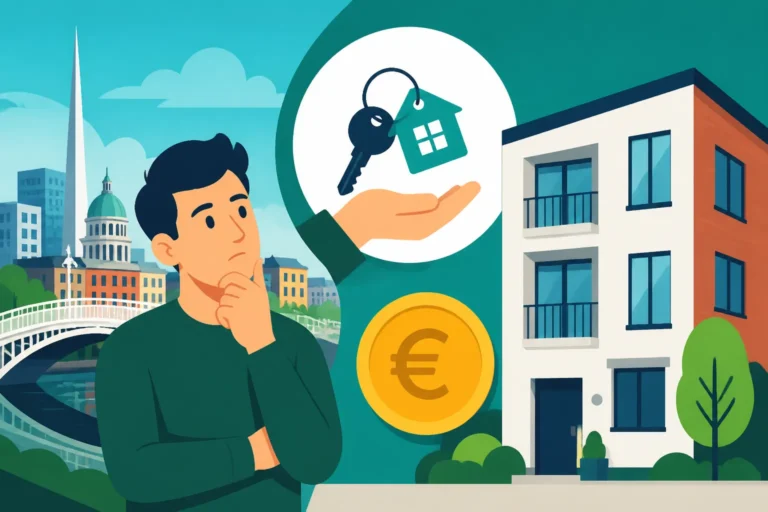
Let's not beat around the bush: housing is, for most expats, the single largest component of their cost of living in Ireland, particularly in the major urban centres. It's a national conversation, a constant struggle, and something you'll need to prepare for both financially and mentally. Whether you're eyeing a cosy spot in Dublin, a vibrant city pad in Cork, or a quieter life in one of the regional towns, accommodation will demand a significant chunk of your income.
Renting Realities: From Studios to Shared Houses
Renting in Ireland, especially in places like Dublin, is notorious for being expensive and competitive. You're not alone if you feel like you're constantly refreshing Daft.ie or Property.ie, only to see prices that make your eyes water. What you get for your money often feels disproportionate compared to other European cities. A small studio apartment in Dublin city centre could easily set you back €1,500-€2,000 per month, while a one-bedroom apartment might range from €1,700-€2,500+. Outside the capital, in cities like Cork or Galway, you might find slightly lower prices, perhaps €1,200-€1,800 for a one-bedroom, but it's still a significant outgoing.
Many expats, especially those just starting out, opt for shared accommodation. This is often the most financially sensible option, bringing down your personal rent to anywhere from €600-€1,000+ depending on the city, room size, and apartment quality. However, even shared accommodation can be fiercely competitive, with multiple viewings for a single room. Don't be surprised if landlords or existing tenants ask for references, proof of income, and a deposit equal to one or two months' rent upfront. Understanding the Irish rental market and the housing shortage (2026) is crucial before you even start looking. It can be a real battle, but being prepared for the demand can help.
Buying a Home: A Long-Term Dream for Many
For those planning a longer stay, buying a home might enter the conversation, but it comes with its own set of significant costs and complexities. House prices across Ireland have seen substantial increases in recent years, especially in commuter belts and cities. As an expat, you'll face the same Central Bank mortgage rules and lending limits as Irish citizens, typically requiring a deposit of at least 10% for first-time buyers and 20% for second-time buyers or non-residents. This means a substantial sum of money saved up.
Beyond the deposit, there are numerous associated costs when purchasing property in Ireland. You'll encounter stamp duty, legal fees (conveyancing), valuation fees, and surveyor fees, all adding thousands to the overall expense. For instance, stamp duty on residential property is 1% on properties up to €1 million and 2% on the excess. While schemes like Help to Buy can assist first-time buyers, the journey to homeownership is often a multi-year plan for expats. If you're considering this down the line, starting to look into how to get a mortgage to buy a home in Ireland early is a wise move.
Daily Expenses: Beyond the Roof Over Your Head
Once you’ve wrestled with accommodation, the next big chunk of your budget will go towards the day-to-day necessities: food, utilities, transport, and staying connected. These are the costs that chip away at your wallet every week and month, and they can vary quite a bit depending on your lifestyle and location.
Groceries and Household Shopping
Grocery shopping in Ireland can be a pleasant surprise for some, and a slight shock for others. Prices for basic foodstuffs are generally comparable to many other Western European countries, though certain imported goods or specialty items can be pricier. If you’re used to budget supermarkets, you’ll find lidl and Aldi are popular choices here for keeping costs down, offering good value on most staples. Tesco, SuperValu, and Dunnes Stores are other major players, offering a wider range but often at slightly higher prices.
A single person doing a weekly shop focused on cooking at home might spend anywhere from €60-€90 on groceries. For a couple, this could easily jump to €100-€150 per week, and a family will see even higher numbers. Buying fresh produce from local markets can sometimes offer better value, but generally, sticking to own-brand products and planning your meals will be your best friend in managing your food budget. Be mindful that certain items like meat, dairy, and alcohol can be more expensive than what you're used to.
Utilities and Connectivity
Keeping your home warm, lit, and connected is another essential cost. This is where you really start to feel the Irish climate, as heating bills can add up during the colder months. Electricity and gas are typically the most significant utility expenses. How do I set up electricity after moving to Ireland? Well, you'll deal with providers like ESB Networks for electricity infrastructure, but your actual supplier will be one of the competing companies like Electric Ireland, Bord Gáis Energy, or Flogas. For gas, it's often Bord Gáis Energy or Flogas. Expect to pay €80-€150+ per month for electricity and gas for a one-bedroom apartment, much higher for a larger home or during winter.
Broadband and mobile phone services are usually more straightforward. A decent fibre broadband package will cost around €40-€60 per month. For mobile, prepaid options or SIM-only plans are popular and can be quite affordable, starting from around €15-€30 per month depending on data and calls. If you're just arriving and need immediate connectivity without the hassle of a local SIM straight away, temporary eSIM solutions like Airalo can be a lifesaver for data access while you get settled, allowing you to use your phone for maps, communication, and essential online tasks without roaming charges. Later, you can choose local providers such as Vodafone, Three, or Eir.
Getting Around: Public Transport and Car Ownership
Your transport costs will depend heavily on where you live and work. In Dublin, the public transport network includes buses, the Luas tram, and the DART train. A Leap Card is indispensable, offering cheaper fares than cash. A single adult fare on a Dublin Bus can be around €2.00-€3.00, while a monthly pass might cost €100-€170 depending on zones. How do I use the Leap Card in Dublin? It's simple – just tap on and off. In other cities like Cork or Galway, buses are the primary public transport option.
If you plan on owning a car, prepare for significant expenses. Beyond the initial purchase, you'll face motor tax, which varies based on engine size or CO2 emissions, often ranging from a few hundred to over a thousand euros annually. Then there's car insurance, which can be notoriously expensive, especially for new drivers in Ireland or those with foreign driving experience. How much is car insurance in Ireland? It's definitely something you need to budget for, potentially €800-€2,000+ per year, or even higher for younger drivers or those with a poor claims history. Add in petrol (which averages around €1.70-€1.90 per litre), maintenance, and parking, and car ownership can quickly become a major financial drain.
| Expense Category | Dublin (Monthly Estimate) | Regional City (Monthly Estimate) |
|---|---|---|
| Accommodation | ||
| 1-bed apartment | €1,700 – €2,500 | €1,200 – €1,800 |
| Shared room | €700 – €1,000 | €500 – €800 |
| Utilities | ||
| Electricity & Gas | €100 – €200 | €90 – €180 |
| Broadband | €40 – €60 | €40 – €55 |
| Mobile (SIM-only) | €20 – €30 | €20 – €30 |
| Groceries | ||
| Single person | €240 – €360 | €200 – €320 |
| Couple | €400 – €600 | €350 – €550 |
| Transport | ||
| Public Transport | €100 – €170 | €70 – €120 |
| Car (fuel, tax, ins.) | €300 – €600 | €250 – €500 |
| Leisure & Dining | ||
| Eating Out/Takeaways | €200 – €400 | €150 – €300 |
| Socialising/Pints | €100 – €250 | €80 – €200 |
| Healthcare (Private) | €50 – €150 (for insurance) | €50 – €150 (for insurance) |
| Total (Single, without car) | €2,450 – €4,100+ | €1,920 – €3,155+ |
| Total (Couple, without car) | €3,160 – €5,420+ | €2,580 – €4,385+ |
Note: These are average estimates and can vary significantly based on individual lifestyle, specific location within a city, and current market conditions.
Lifestyle and Leisure: What You'll Spend on Fun
Once the essentials are covered, you'll want to enjoy your new life in Ireland! From a pint in a traditional pub to a weekend getaway, these discretionary expenses are where you have more control over your budget. However, be warned: socialising in Ireland can be a costly affair if you're not careful.
Dining Out and Pub Culture
Ireland is famous for its pub culture and increasingly, its vibrant food scene. However, convenience comes at a price. A typical pub lunch might set you back €12-€18, while an evening meal in a mid-range restaurant could easily be €30-€50 per person, not including drinks. A pint of Guinness or local lager typically costs €5.50-€7.50, especially in Dublin. If you're someone who enjoys frequent takeaways or eating out a few times a week, these costs will quickly add up.
A simple coffee from a café will be around €3.50-€4.50. While grabbing a quick bite or a few pints after work is part of the Irish experience, learning to cook at home and perhaps limiting your nights out will significantly help your budget. Don't forget, Irish cafés are often hubs of community, and grabbing a scone with your cuppa can be a lovely, more affordable treat than a full meal out.
Entertainment and Activities
Ireland offers a wealth of entertainment, from live music gigs and theatre to museums and historical sites. Cinema tickets typically range from €10-€15. Membership for a gym or fitness centre usually falls between €35-€70 per month. Entry fees for many national museums and galleries are often free, which is a fantastic bonus for expats looking to soak up culture without breaking the bank.
Exploring Ireland's stunning natural landscapes – hiking, cycling, or visiting beautiful coastal towns – can be a much more budget-friendly way to spend your leisure time. A weekend trip outside your immediate city will incur costs for transport, accommodation, and food, but these can often be managed by planning and booking in advance. Think about trips to the Wild Atlantic Way or exploring hidden gems further afield; these experiences are priceless but do require some financial planning.
Personal Care and Shopping
Everyday personal care items, like toiletries, haircuts, and clothing, will contribute to your overall cost of living. Basic haircuts usually cost €20-€30 for men and €40-€70+ for women, depending on the salon and services. While major international clothing brands are present, you might find clothing prices slightly higher than in some other countries, especially for high-street fashion.
It's wise to factor in a monthly budget for these necessities, even if it's a small amount. Shopping in charity shops or during sales periods can also help you manage these discretionary expenses. Don't forget that many things you might rely on from home could be more expensive here due to import duties or smaller markets, so plan your initial packing wisely. Remember to consider the costs of moving your personal belongings. Reputable moving services like Sirelo can provide quotes and help you budget for the logistics of getting your life from point A to point B.
Healthcare and Other Essential Costs
Even with a public healthcare system, there are still costs to consider for your health and well-being in Ireland. It’s not "free" for everyone, and often involves out-of-pocket expenses. Plus, there are a few other obligatory costs you'll encounter that aren't tied to your daily spending.
Navigating Irish Healthcare Costs
Ireland operates a two-tier healthcare system: public and private. While residents are generally entitled to public healthcare services, these are not entirely free. For instance, a visit to a GP (General Practitioner) without a Medical Card or GP Visit Card typically costs €50-€70, and prescriptions can add up. Understanding the Medical Card means test in Ireland is important, as it could reduce your costs if you meet the eligibility criteria. Emergency department (A&E) visits also incur a charge if you're not admitted to the hospital, usually around €100-€120.
Many expats choose to take out private health insurance to bypass public waiting lists and gain access to a wider range of services, including private hospitals. Companies like VHI, Laya Healthcare, and Irish Life Health dominate the market. Understanding private health insurance plans in Ireland is essential, as premiums can range from €50-€150+ per person per month, depending on the level of coverage, age, and health status. It’s a significant extra cost, but many expats find the peace of mind worth the investment. To register with a GP in Ireland: The Complete Expat Guide is something you should definitely check out when you arrive.
Miscellaneous but Mandatory
Beyond the major categories, there are a few other costs you need to be aware of. If you own a television or use certain streaming services, you are legally required to pay for an annual TV Licence, which currently stands at €160. This is one of those small, often forgotten, but mandatory expenses.
Another factor, especially for newcomers, is the cost of setting up. While you're busy getting your PPS number, opening a bank account, and finding your feet, there can be unexpected administrative fees, or deposits for certain services. Always keep a buffer in your budget for the unforeseen. For a truly comprehensive look at these initial stages, The Complete Guide to Moving to Ireland: Your First 90 Days (2026) provides a lot of useful information.
Conclusion: Balancing the Books in the Emerald Isle
So, how much is the cost of living in Ireland for expats? As you can see, there’s no single, simple answer. It's a blend of your chosen location, your lifestyle, and your personal priorities. Dublin is undeniably expensive, often comparable to major global cities, but life in a regional town or the countryside can offer a more affordable, if sometimes quieter, existence.
The key takeaway is preparation and realistic budgeting. Don't underestimate the cost of accommodation and be prepared for higher prices on some everyday items compared to what you might be used to. Embrace the local supermarkets, cook at home, explore free natural attractions, and you can absolutely make your life in Ireland not just financially viable, but incredibly rewarding. It’s a beautiful country with so much to offer, and with careful planning, you can thrive here without constantly feeling the pinch.
Disclaimer
The information provided in this guide is intended for general informational purposes only and does not constitute financial, legal, or professional advice. Costs and regulations in Ireland are subject to change. While every effort has been made to ensure accuracy, readers should verify information with official sources and consult with relevant professionals for their specific circumstances.