How Do I Pay the A&E Charge at a Hospital in Ireland?
Walking into an Irish hospital’s Accident and Emergency (A&E) department is stressful enough without the added anxiety of navigating an unfamiliar billing system. For many expats and tourists, the administrative side of the Health Service Executive (HSE) feels like a mystery, particularly when you are used to a different healthcare model. This guide explains exactly how to pay the A&E charge, who is exempt, and how to avoid common financial pitfalls.
Understanding the A&E Charge in the Irish Public Health System
In Ireland, the public hospital system is managed by the HSE. Unlike some countries where emergency care is entirely free at the point of access, or others where a single visit can cost thousands of euros, Ireland operates on a flat-fee basis for most people. If you attend an A&E department without a referral from a doctor, you will generally be charged a standard fee of €100. It is vital to understand that this is not a "deposit" or a "consultation fee" that covers everything; it is a statutory charge for the specific act of attending the emergency department.
This charge was designed to discourage people from using the emergency room for minor ailments that could be treated by a General Practitioner (GP). When I first moved here, I was shocked to see people waiting for twelve hours in a plastic chair, only to be told they owed €100 for a prescription they could have gotten at a local clinic for €60. To navigate this properly, you should first read How Ireland's Health System Works: The HSE vs Private Explained (2027) to understand the broader context of Irish care.
The €100 fee covers your assessment, any necessary blood tests, X-rays, or basic scans performed while you are in the A&E. If you are subsequently admitted to the hospital as an inpatient, the €100 charge is usually waived, as you will then transition into a different billing category for hospital stays. However, if you are treated and discharged, that bill will follow you home. For those who are traveling or haven't yet settled their long-term residency, having a backup like SafetyWing can be a lifesaver, as they often help cover the costs associated with unexpected medical emergencies that fall outside the standard public remit.
The Power of the GP Referral
One of the most important "hacks" for living in Ireland is knowing that a referral letter from a GP waives the €100 A&E charge entirely. If you visit a local doctor first and they decide your condition requires hospital intervention, they will write you a letter. When you present this letter at the A&E reception desk, the clerk will mark your file as "referred," and you will not receive a bill in the post.
Even if you aren't sure where to find a doctor, you can consult How to Find and Register with a Local GP Practice in Ireland to get yourself into the system before an emergency happens. In a pinch, many expats use "Doc on Duty" services or telehealth apps to get a referral letter, which often costs less than the €100 hospital fee.
Public vs. Private Emergency Rooms
It is also worth noting that not all emergency rooms are the same. Large public hospitals like St. James’s in Dublin or University Hospital Galway have HSE A&E departments. Private hospitals, such as the Beacon or Blackrock Clinic, have their own "Urgent Care" or "Emergency Departments." These private facilities do not follow the €100 statutory charge; they usually charge significantly more (often between €200 and €350) just for the initial assessment. For a deeper look at these differences, see Public vs Private Healthcare in Ireland: Which Should Expats Choose?.
Who is Exempt from Paying the Hospital Charge?
Not everyone who walks through the doors of a public hospital is handed a bill. Ireland has a "safety net" system designed to protect vulnerable populations and those with specific medical needs. If you fall into one of these categories, you do not need to worry about the A&E charge, regardless of whether you have a referral.
The most common exemption is for holders of a Medical Card. This card is means-tested and provided to people living in Ireland who are on low incomes. If you have a valid Medical Card, you simply show it at the registration desk, and all charges are cleared. It is slightly different for the GP Visit Card, which only covers the cost of seeing a family doctor but does not always waive hospital charges. You can learn the nuances in The Expat Guide to the Medical Card and GP Visit Card in Ireland (2027).
Specific Exemptions and Conditions
The HSE also waives the A&E fee for specific medical and social reasons. These include:
- Individuals with certain infectious diseases: For example, if you are seeking treatment for tuberculosis or other specified infectious conditions.
- Maternity care: If your visit is related to pregnancy and you are part of the Maternity and Infant Care Scheme, the charge is usually waived. Check Understanding Maternity and Prenatal Care Under the HSE in Ireland for more details.
- Children: Children are generally not exempt from the A&E charge unless they are covered by a parent's Medical Card or have been referred by a GP. However, specific screenings for newborns are exempt.
- EU Residents with an EHIC: If you are a resident of another EU/EEA country or Switzerland and have a valid European Health Insurance Card (EHIC), you are entitled to receive necessary public healthcare for free.
Exemption Summary Table
| Category | A&E Charge (No Referral) | Requirement |
|---|---|---|
| Standard Resident/Tourist | €100 | None |
| GP Referral Holder | €0 | Must present letter from GP |
| Medical Card Holder | €0 | Must present valid card |
| Admitted as Inpatient | €0 | Charge waived upon admission |
| EHIC Holder (EU/EEA) | €0 | Must present valid EHIC card |
| Specific Infectious Disease | €0 | Diagnosis-based |
For those moving to Ireland from outside the EU, such as the USA or Brazil, you won't have an EHIC. This makes The Cost of Healthcare in Ireland: A Complete Breakdown for Foreigners (2026) an essential read. In these cases, private travel or nomad insurance like SafetyWing is highly recommended to bridge the gap until you are fully integrated into the Irish system.
Step-by-Step: How and When to Pay Your A&E Bill
A common point of confusion for expats is that you are rarely asked to pay the €100 on the spot. Unlike a shop or a private clinic, the administrative staff at a public hospital are often more focused on processing your medical data than collecting immediate payment. This can lead to a "bill shock" a few weeks later when a letter arrives in the mail.
When you first arrive at the A&E, you will speak with a registration clerk. They will ask for your name, address, PPS number (if you have one), and GP details. If you don’t have a referral, they will note that a charge is due. If you are a visitor and don't have a permanent Irish address, make sure to give them an address where you can actually receive mail, or ask if you can pay the "Patient Accounts" office before you leave the building.
Receiving the Invoice
Usually, within 2 to 6 weeks of your visit, the hospital’s finance department will send an invoice to your registered address. This letter will contain a "Patient Number" or "Invoice Number." Do not ignore this letter. While the HSE is not always the fastest at debt collection, unpaid hospital bills can eventually be referred to collection agencies, which can be a massive headache if you are trying to establish a credit history in Ireland.
Payment Methods
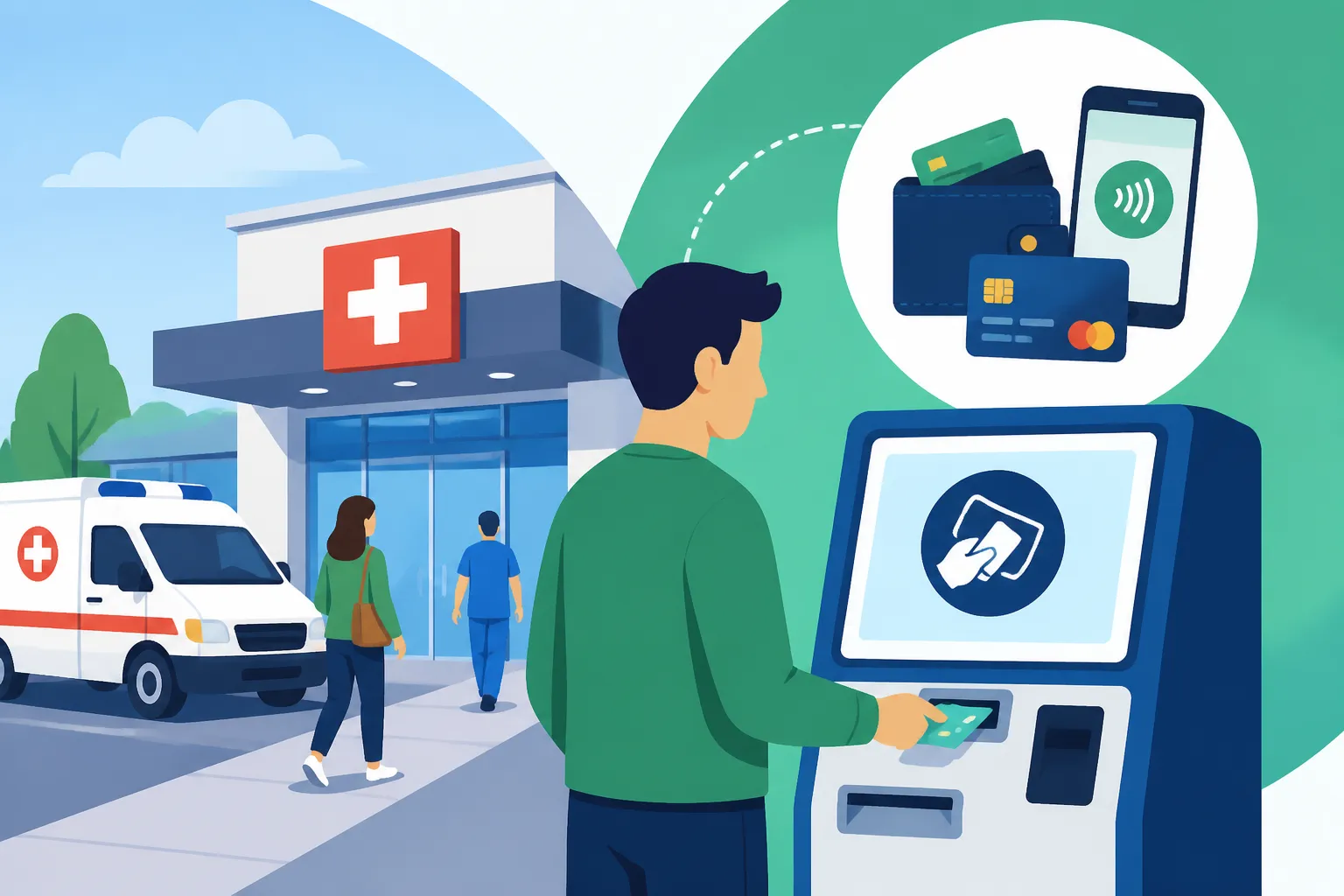
The HSE has modernized significantly in recent years. You generally have several ways to settle the debt:
- Online via MyHSE: Most hospitals now use a centralized online payment portal. You enter your invoice number and pay via debit or credit card.
- Over the Phone: There is usually a "Patient Accounts" phone number on the back of the invoice. You can call and provide your card details to a staff member.
- Bank Transfer: The invoice will provide an IBAN and BIC. If you are using an Irish bank account, this is often the easiest method.
- In-Person: Some hospitals still have a cashier’s office or a "Patient Accounts" desk where you can pay by cash or card during business hours.
If you are a digital nomad or a frequent traveler using SafetyWing, you should keep the physical invoice and the receipt of payment. You will likely need these to file a claim if your policy covers emergency room visits. For more information on handling these situations, read Emergency Medical Care in Ireland: What Every Expat Needs to Know.
Private Insurance and Navigating the System
If you have private health insurance with an Irish provider like VHI, Laya, or Irish Life, you might wonder if they cover the €100 A&E charge. In many cases, they do, but usually as a "pay and claim" benefit. This means you must pay the HSE the €100 yourself, keep the receipt, and then upload a photo of it to your insurance provider's app to get reimbursed.
It is a common mistake to think that showing your private insurance card at a public hospital registration desk will make the fee go away. It won't. The public hospital will still bill you directly. For a deeper dive into how this works, see Understanding Public Hospital Charges and the A&E Fee in Ireland.
Handling Wait Times and Expectations
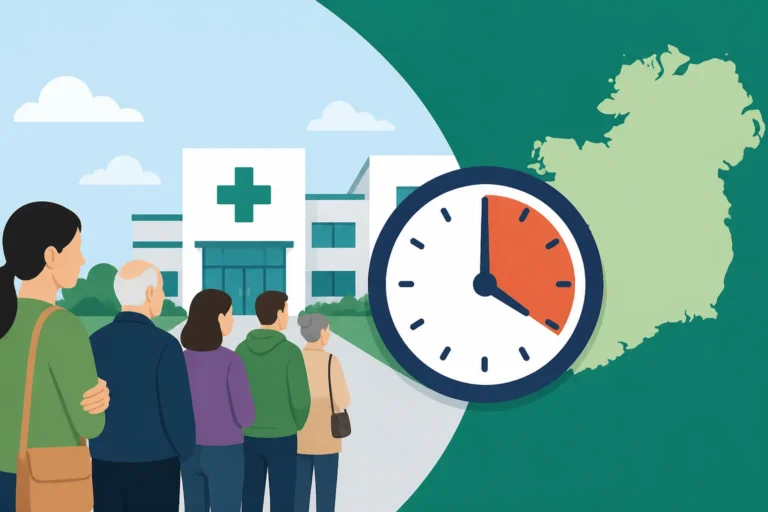
If you are paying €100, you might expect a quick turnaround. Unfortunately, the Irish public system is notorious for long wait times. It is not uncommon to wait 8 to 14 hours in an A&E during peak times. If your situation is not life-threatening, the clerk will triage you, and you will be placed at the bottom of the list.
During these long waits, it helps to be prepared. Bring water, snacks, and a portable phone charger. If you find the public system too daunting, you might want to look into How to Use Private Hospitals Like the Mater, Beacon and Blackrock in Ireland for a faster, albeit more expensive, alternative.
Final Tips for Expats
- Always check for a GP first: If it’s between 9:00 AM and 5:00 PM, try to get to a GP. It’s cheaper and saves the hospital's resources.
- Keep your documents: Keep every piece of paper the hospital gives you. You will need them for insurance claims or for What Should I Do in a Medical Emergency in Dublin?.
- Update your address: If you move house shortly after a hospital visit, call the hospital’s Patient Accounts department to update your address so the bill doesn't go to your old landlord.
- SafetyWing and Nomads: If you are in Ireland on a short-term basis or haven't yet qualified as an "ordinary resident," having a flexible plan like SafetyWing is vital for covering these sudden costs without draining your relocation budget.
Dealing with the Irish healthcare system requires a mix of patience and administrative diligence. By understanding that the A&E charge is a standard part of the process and knowing exactly how to settle it, you can focus on what really matters: getting better and enjoying your life in Ireland. Whether you are a tourist needing a quick fix or an expat settling in for the long haul, knowing the rules of the road will save you hours of frustration. For more details on accessing care as a non-resident, check Can Tourists Access Emergency Care in Ireland?.
Disclaimer
This guide is for informational purposes only and does not constitute legal or medical advice. Healthcare regulations and costs in Ireland, including HSE charges, are subject to change. Always verify current fees and exemption criteria with the Health Service Executive (HSE) or your private insurance provider. If you are experiencing a medical emergency, dial 999 or 112 immediately.