How Do I Find a Paediatric Dentist in Ireland?
Moving to Ireland with children is an adventure, but finding specialised healthcare, especially for little teeth, can feel like navigating a maze blindfolded. You're not alone if you've found yourself wondering "How do I find a paediatric dentist in Ireland?" This guide is here to untangle the complexities of the Irish dental system for kids, offering practical steps and insights to help you secure the best oral care for your precious little expats.
Understanding Paediatric Dental Care in Ireland
When you've just landed in a new country, even something as routine as a dental check-up can suddenly feel overwhelming. And when it's for your child, the stakes feel even higher. Ireland, like any country, has its own system for dental care, and understanding how it works for children is your first step. It's not always straightforward, especially when you're used to a different healthcare model.
Why Specialised Care Matters for Little Ones
Let's be honest, going to the dentist can be a bit daunting for anyone, never mind a child experiencing it for the first time, or in a new environment. This is precisely why paediatric dentistry is such a vital, specialised field. These aren't just general dentists who happen to see kids; they are dentists who have undergone extensive additional training to specifically address the unique oral health needs of infants, children, and adolescents, including those with special healthcare needs.
Think about it: a child's mouth is constantly changing. They have primary (baby) teeth that need different care than permanent teeth. They might develop habits like thumb-sucking or pacifier use that impact their oral development. And let's not forget the psychological aspect – a paediatric dentist's office is designed to be child-friendly, from the colourful decor to the gentle, patient approach of the staff. They know how to make a child feel comfortable, explain procedures in an age-appropriate way, and even deal with dental anxiety that might stem from a previous negative experience or simply the unknown. They use techniques like "tell-show-do" to put kids at ease, building trust that encourages positive dental habits for life. For expat families, where children might already be adjusting to new schools, friends, and surroundings, having a dental environment that is understanding and comforting can make a world of difference. It's about more than just filling cavities; it's about fostering a lifelong positive relationship with oral health.
The Irish Dental System for Children: Public vs. Private
The healthcare landscape in Ireland, including dental care, operates on a dual system: public and private. It's often a point of confusion for newcomers trying to understand how to access services, especially if they're used to a fully state-funded or entirely private system. If you're wondering how the broader health system works, our guide on "How Ireland's Health System Works: The HSE vs Private Explained (2027)" offers a more in-depth look.
For children, the public dental service is primarily delivered through the Health Service Executive (HSE). This service typically focuses on school-going children and aims to provide routine dental examinations and necessary treatments like fillings and extractions. The school dental service usually involves initial screenings conducted in primary schools. Children are then called for further treatment if needed. However, here's where the expat frustration often kicks in: public dental waiting lists for anything beyond routine check-ups can be notoriously long. It's not uncommon for children to wait months, or even over a year, for treatments under the public system, particularly for more complex procedures or orthodontics. This can be a huge source of stress for parents, especially if their child is experiencing pain or a rapidly progressing issue.
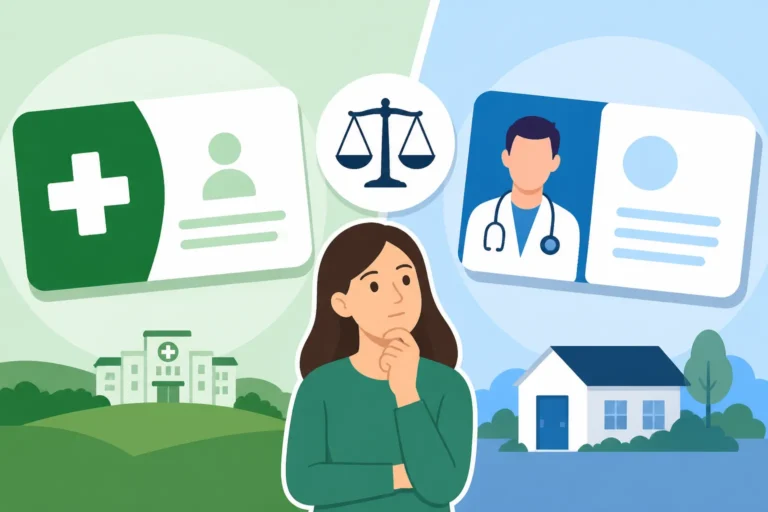
Given the challenges with the public system, many expat families, and indeed many Irish families, opt for private paediatric dental care. This is where you'll find a greater choice of specialists, shorter waiting times, and often more advanced facilities and treatment options. Private practices usually have dedicated paediatric dentists or general dentists with a strong focus on children's dentistry. While this means out-of-pocket costs, it also offers peace of mind and more timely access to care. It's worth considering private health insurance options, which can help offset these costs. Our detailed guide on "Health Insurance in Ireland: VHI, Laya, Irish Life and Options Explained" could be a good starting point for exploring that.
It's also important to remember that general practitioners (GPs) do not typically provide dental care or referrals within the public dental system directly. Their role is more focused on general health. If you're just starting your expat journey, getting your family registered with a GP is a priority. You can find more information on this in our guide to "Registering with a GP in Ireland: The Complete Expat Guide (2027)".
Navigating Your Search for a Paediatric Dentist
So, you've settled in and you're ready to tackle the hunt for a good paediatric dentist. This part can feel a bit like detective work, especially if you're new to the area and don't have a network of recommendations yet. But don't despair; with a few key strategies, you'll be well on your way to finding the right fit for your child.
Starting Your Search: Online Resources and Recommendations
The first port of call for many of us when looking for any service in a new country is often the internet, and dental care is no exception. Here are some reliable avenues to explore:
- Irish Dental Association (IDA): This is your most authoritative resource. The IDA has a "Find a Dentist" tool on their website (dentalhealth.ie) which allows you to search for dentists by location and specialisation. While it might not have a specific "paediatric dentist" filter, you can search for general dentists and then check their individual practice websites or call them to inquire about their experience and focus on treating children. Many general practices are excellent with kids, even if they aren't exclusively paediatric.
- Online Directories: Websites like whatclinic.com or local health service directories can also be useful. These often list dentists by specialty, including paediatric dentistry, and sometimes include patient reviews, which can give you a feel for the practice. Just remember to take reviews with a pinch of salt and look for patterns rather than isolated comments.
- Expat Groups and Forums: Honestly, these are goldmines. Facebook groups for expats in Ireland (search for "Expats in Dublin," "Irish Expats," etc.) or city-specific groups are fantastic places to ask for personal recommendations. Other expat parents have been exactly where you are and can share their experiences, both good and bad. They can offer insights into practices that are particularly good with anxious children or those that are used to dealing with international patients. Just pop a post asking for recommendations for a paediatric dentist in your area, and you'll likely get a flurry of helpful suggestions.
- GP Referrals: While your GP won't provide dental care, they might be able to offer a list of local private dental practices that they know are good with children. It's always worth asking during your child's initial GP registration or a routine check-up.
- Word of Mouth: Once you start making friends with other parents at school, playgroups, or through social activities, ask them who they use. Personal recommendations from people you trust are invaluable.
When you call or visit a practice's website, look for keywords like "paediatric dentistry," "children's dentistry," "family-friendly practice," or "specialist care for children." Don't hesitate to call and ask questions about their approach to treating children.
Key Considerations When Choosing a Practice
Once you have a shortlist of potential practices, it's time to dig a little deeper and consider what truly matters for your child's dental care. This isn't just about finding a dentist; it's about finding the right dentist for your family.
- Location and Accessibility: This might seem obvious, but a convenient location is key. You don't want to be travelling across the city with an irritable child for every appointment. Consider proximity to your home, school, or work. Also, think about public transport links or parking availability if you're driving.
- Clinic Environment and Staff Demeanour: Step into the waiting room, or at least look at photos online. Does it feel welcoming and child-friendly? Are there toys, books, or a dedicated play area? More importantly, how do the staff interact with you and your child? A good paediatric dental practice will have receptionists and dental nurses who are warm, patient, and experienced in dealing with children and their parents. The dentist themselves should have a gentle manner and be able to communicate effectively with both you and your little one.
- Sedation Options: For children with severe anxiety, extensive treatment needs, or special healthcare requirements, knowing the practice offers different sedation options can be crucial. This might include nitrous oxide (laughing gas), oral sedation, or, in some cases, general anaesthesia. Discuss these options and the associated safety protocols with the dentist.
- Language and Cultural Sensitivity: As an expat family, finding a practice where the staff are accustomed to treating international patients and are sensitive to different cultural backgrounds can make a huge difference. While English is universally spoken, having a dentist who can explain things clearly and patiently, understanding that you might be unfamiliar with local terms or procedures, is invaluable.
- Payment and Insurance: Understanding the cost structure upfront is vital. Ask about consultation fees, common treatment costs, and payment plans. If you have private health insurance, clarify what aspects of paediatric dental care are covered. Providers like SafetyWing often offer flexible international health insurance plans that can provide a safety net for unexpected medical and dental needs, so it's worth checking if your plan or a similar one would cover routine check-ups or more complex procedures for your child in Ireland. Don't assume anything; always get a clear breakdown. Remember that many dental benefits, even with private insurance, might have waiting periods or limitations. Our article "How to Buy Private Health Insurance as a Newcomer in Ireland" can help you understand the options.
Here's a quick comparison to help you weigh the options:
| Feature | Public Paediatric Dental Care (HSE) | Private Paediatric Dental Care |
|---|---|---|
| Cost | Generally free for eligible school-going children (via school dental service). | Fee-for-service, can be expensive. |
| Access/Waiting | Long waiting lists for non-emergency treatments. Limited availability. | Shorter waiting times, easier to get appointments. Wider choice of specialists. |
| Scope of Service | Routine exams, fillings, extractions for eligible age groups. Focused on basic care. | Comprehensive care: preventive, restorative, orthodontics, oral surgery, behaviour management, specialist facilities. |
| Provider | HSE dental clinics, often attached to health centres or mobile units. | Independent private dental practices, some specialising solely in paediatric dentistry. |
| Environment | Can be more clinical, less child-focused due to resource constraints. | Often designed specifically for children with child-friendly decor, entertainment, and staff. |
| Insurance | Not directly applicable; some minor treatments might be covered by PRSI benefits (for parents). | Private health insurance (e.g., SafetyWing, VHI, Laya) can cover a portion of costs, depending on the plan. |
| Referrals | Internal HSE referrals for complex cases, can be slow. | Direct access to specialists or referrals from private general dentists. |
Remember, the goal is to find a place where your child feels safe and comfortable, and where you feel confident in the care they receive.
Practical Steps to Secure an Appointment
Okay, you've done your research, you've got a couple of places in mind. Now it's time to make it happen. Securing that first appointment and understanding the financial implications are the next crucial steps.
Preparing for Your Child's First Visit
Booking the appointment is just the beginning. The actual visit, especially the first one in a new country and with a new dentist, requires a bit of preparation on your part to make it as smooth and stress-free as possible for your child.
- Gather Necessary Documents: This might seem obvious, but having everything to hand saves time and stress. You'll likely need your child's PPS number (if they have one), any previous dental records (if you managed to get them from your home country), and details of your private health insurance if you have it. Even if you don't have all previous records, providing a brief history of your child's dental experiences (e.g., has had cavities, hates the dentist, loves fruity toothpaste) can be incredibly helpful for the new practice.
- Talk to Your Child: The way you frame the dental visit can significantly impact your child's anxiety levels. Avoid using words like "drill," "hurt," or "shot." Instead, focus on the positive aspects: "The dentist is going to count your teeth," "They'll make sure your smile is super strong," or "We'll see the special chair that goes up and down!" Read a children's book about going to the dentist, or watch a short, positive video. Make it an exciting adventure, not a dreaded chore.
- Manage Expectations: Be realistic. Your child might still be a little nervous, and that's okay. The goal of the first visit is often simply to establish a positive relationship with the dentist and the clinic. Don't expect extensive treatments on the first go, unless it's an emergency. Often, it's just a check-up and a chat.
- Plan Your Day: Try to schedule the appointment when your child is well-rested and fed. A hungry or tired child is more likely to be anxious or uncooperative. Bring a favourite toy or comfort item, and perhaps a distraction like a book or a small tablet (check the clinic's policy on screens).
- Arrive Early: Give yourself plenty of time to get to the clinic, find parking (if applicable), and fill out any last-minute forms. Rushing adds stress for everyone.
- Be a Role Model: Children pick up on parental anxiety. Try to remain calm and positive yourself. If you're nervous, your child will likely be too. Your reassuring presence is the most important tool you have.
By taking these proactive steps, you can help create a positive foundation for your child's dental health journey in Ireland.
Understanding Costs and Insurance Coverage
Let's talk about the elephant in the room: money. Dental costs in Ireland, particularly for private paediatric care, can be a significant concern for expat families. It's crucial to understand what you might be paying for and how to mitigate those costs. For a broader overview of expenses, our guide on "The Cost of Healthcare in Ireland: A Complete Breakdown for Foreigners (2026)" can shed some light.
-
Typical Costs: A routine paediatric dental examination in a private practice can range from €50 to €100. Fillings will obviously be more, depending on the tooth and material, ranging from €80 to €250+. More complex procedures like extractions or root canal treatments for primary teeth will be considerably more. Orthodontic consultations and treatments are in a different league altogether, often running into thousands of euros. It's always best to ask for a detailed cost estimate before any significant treatment.
-
PRSI Benefits (for Parents): The Pay Related Social Insurance (PRSI) scheme in Ireland is primarily for adults. If you are employed or self-employed and have enough PRSI contributions, you might be eligible for some dental benefits, such as a free annual oral exam. However, these benefits do not directly apply to your children's dental treatment. They might, in some cases, cover a portion of a private consultation if the dentist is contracted with the HSE for certain schemes, but this is rare for full paediatric specialist care. Our article "Understanding Dental Care, the PRSI Scheme and Costs in Ireland" delves deeper into this.
-
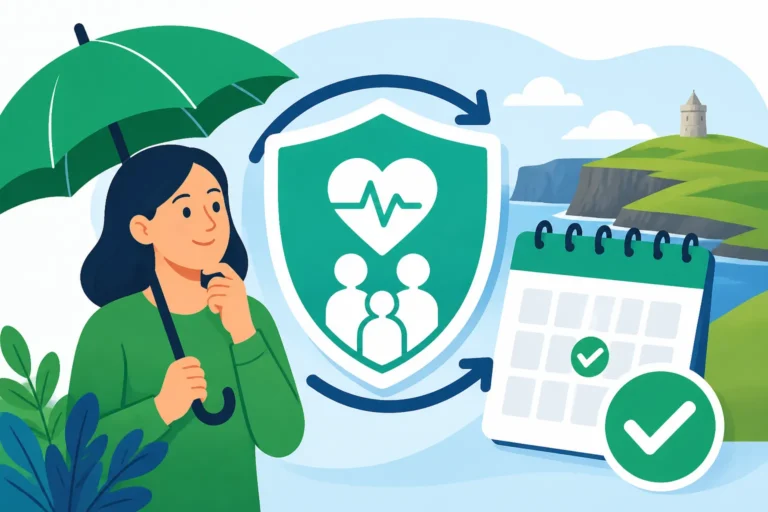
Private Health Insurance: This is where private health insurance providers like VHI, Laya, Irish Life Health, or international options like SafetyWing can become incredibly valuable. Many private health insurance plans in Ireland offer some level of outpatient dental cover, which can include a portion of routine check-ups, cleanings, and sometimes even a percentage of more extensive treatments. The level of cover varies widely depending on the plan, so you must carefully review the policy documents or speak directly to the insurer.
For example, a basic plan might cover 50% of routine dental costs up to an annual limit, while more comprehensive plans could offer higher percentages or cover specific treatments. Be aware of waiting periods, which are common for dental benefits, especially for major treatments. You usually can't sign up for insurance today and get extensive dental work done tomorrow. If you're comparing options, our guide on "What Is the Best Health Insurance for Expats in Ireland?" might be helpful.
-
Claiming Tax Relief: You can claim tax relief at 20% on certain non-routine dental expenses. This applies to treatments like crowns, veneers, orthodontics, and root canal treatment, but not typically to routine examinations, fillings, or extractions. You'll need to get a Med 2 form from your dentist and submit it to Revenue (the Irish tax authority). Keep all your receipts!
-
Payment Plans: Some private practices might offer payment plans for larger treatments like orthodontics. Don't be afraid to ask if this is an option, as it can help spread the cost over a more manageable period.
Ultimately, navigating the financial aspect requires transparency and proactive questioning. Always ask for a breakdown of costs, understand your insurance coverage (or lack thereof), and explore all available options to ensure your child receives the necessary care without breaking the bank. For emergency situations, it's also worth knowing how to deal with "Emergency Medical Care in Ireland: What Every Expat Needs to Know", as dental emergencies are no exception.
Finding a paediatric dentist in Ireland, particularly as a newcomer, can seem like a daunting task, but with the right information and a bit of persistence, you'll find excellent care for your child. It's about combining online research with personal recommendations and asking the right questions. Remember, a healthy start to dental care sets your child up for a lifetime of good oral health, and that's an investment well worth making.
Disclaimer
This article is for general informational purposes only and does not constitute professional advice. Laws, prices and regulations vary by location and change over time. Consult a qualified professional for guidance on your specific situation.