Can I Buy Antibiotics Over the Counter in Ireland?
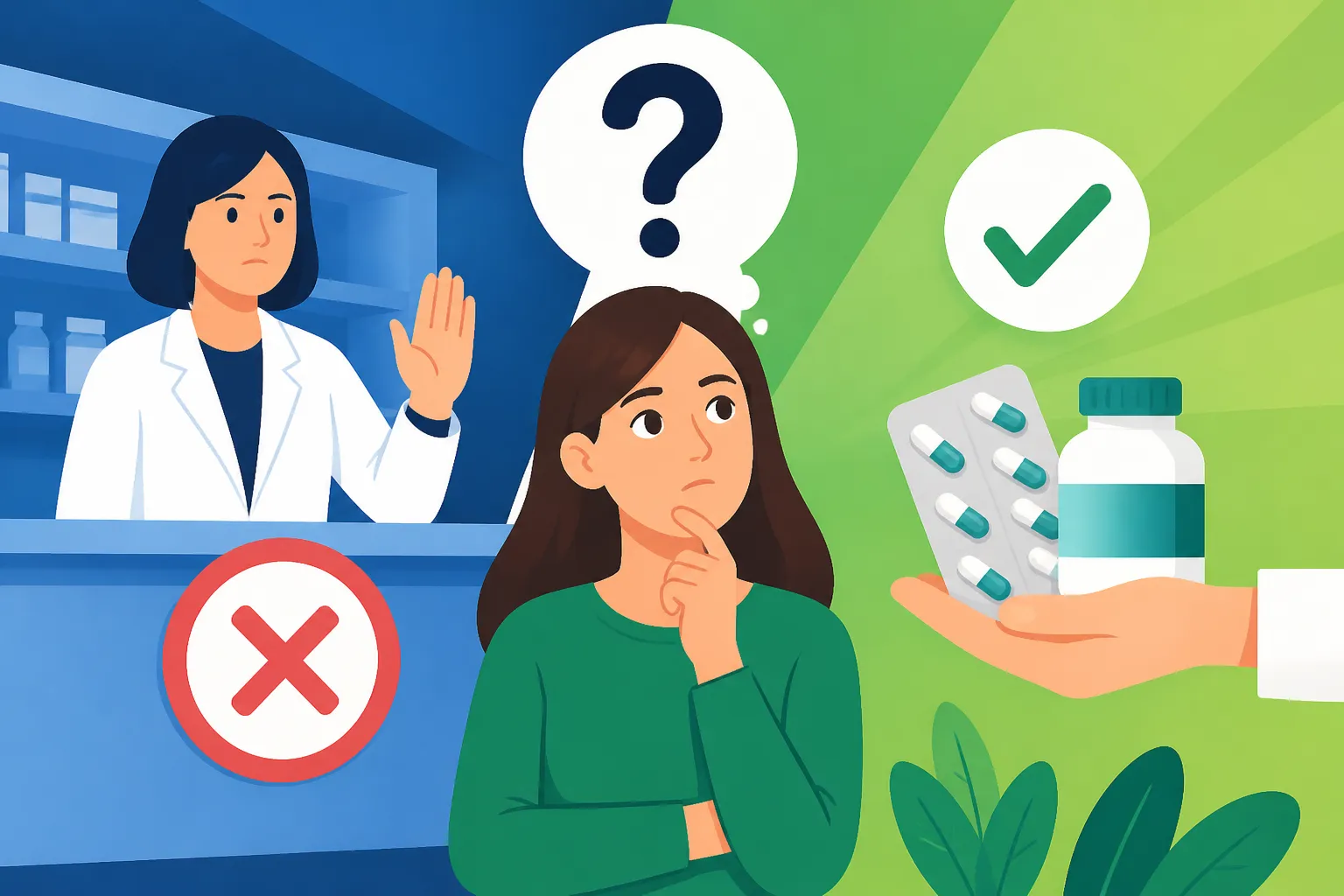
One of the common misconceptions I hear from new arrivals in Ireland, especially from countries with different healthcare systems, is the expectation that you can just pop into a pharmacy and pick up antibiotics like you might a packet of paracetamol. Believe me, I've seen the look of utter confusion and frustration on many expat faces when they discover this isn't the case. This guide will clarify exactly why you can't buy antibiotics over the counter in Ireland and, more importantly, how you do get them when you genuinely need them.
The Short Answer: No, Not Really (With Important Nuances)
Let's cut right to it. In Ireland, you absolutely cannot buy antibiotics over the counter without a valid prescription from a doctor, dentist, or other qualified prescriber. It doesn't matter if you know exactly what you need, have had it before, or are convinced you have a bacterial infection. Irish law and medical practice are very clear on this point.
I know, I know. For those of you who've lived in countries where a quick chat with the pharmacist might get you a course of amoxicillin for a lingering cough, this can feel incredibly restrictive and, frankly, a bit bewildering. You might be used to self-diagnosing minor ailments and treating them efficiently. But here in Ireland, the system operates differently, and there's a very good reason for it – a reason that impacts global health, not just your personal convenience. Pharmacists are highly trained professionals, and while they can offer a wealth of advice for minor ailments, over-the-counter antibiotics are simply not an option. They will, however, be able to recommend appropriate alternatives for symptom relief or advise you if you really do need to see a doctor, which leads us to the proper channels.
Why the Strict Rules? Understanding Antibiotic Stewardship in Ireland
The seemingly rigid stance on antibiotics in Ireland isn't about making your life harder, even though it might feel that way sometimes when you're feeling miserable. It's a critical part of a broader public health strategy aimed at tackling a genuinely serious global threat: antimicrobial resistance (AMR). Ireland, like many developed nations, takes this issue incredibly seriously.
The Global Fight Against Antimicrobial Resistance (AMR)
Antimicrobial resistance occurs when bacteria, viruses, fungi, and parasites change over time and no longer respond to medicines, making infections harder to treat and increasing the risk of disease spread, severe illness, and death. It's often referred to as "antibiotic resistance" because antibiotics are a key battleground. The more antibiotics are used unnecessarily or incorrectly, the faster bacteria develop resistance, rendering these life-saving drugs ineffective. Imagine a world where a simple cut could become deadly because antibiotics no longer work – that's the future AMR threatens.
Ireland is actively involved in national and international efforts to combat AMR. The Health Protection Surveillance Centre (HPSC) and the Health Service Executive (HSE) regularly publish guidelines and undertake campaigns to promote responsible antibiotic use, often summed up by the phrase, "Antibiotics don't work for colds or flu." This educational approach is coupled with strict dispensing regulations at pharmacies to ensure antibiotics are only used when truly indicated. So, while you might be thinking about your immediate health issue, the Irish healthcare system is also thinking about the long-term health of the entire population, including future generations. This global perspective is what drives the local policy.
The Role of GPs and Pharmacies in Preventing Misuse
In Ireland, your GP (General Practitioner, or family doctor) is the primary gatekeeper for most prescription medications, especially antibiotics. This isn't just a bureaucratic hurdle; it's a fundamental part of how healthcare is delivered here. GPs are trained to accurately diagnose bacterial infections, differentiate them from viral ones (for which antibiotics are useless), and prescribe the correct type and dose of antibiotic, if needed, for the appropriate duration.
When you present with symptoms, your GP will assess your condition through examination, ask detailed questions about your medical history, and, if necessary, order tests. This comprehensive approach ensures that antibiotics are only prescribed when there's a clear clinical need. For instance, a common cold, bronchitis, or most sore throats are typically viral infections, and a GP will explain that antibiotics won't help and might even cause side effects or contribute to resistance. It can be frustrating to hear this when you feel unwell, but it's important advice.
Pharmacists in Ireland, while highly skilled and knowledgeable, do not have the authority to diagnose or prescribe prescription-only medications like antibiotics. Their role is to dispense medications safely, provide advice on their use, and offer a range of over-the-counter remedies for various symptoms. If you walk into a pharmacy with what you suspect is a bacterial infection, they will almost certainly advise you to make an appointment with a GP. They might offer symptom relief in the meantime, but they cannot give you an antibiotic without that all-important piece of paper from a doctor.
How to Actually Get Antibiotics in Ireland (The Proper Channels)
So, you've accepted that a trip to the pharmacy isn't going to cut it. Now, let's talk about the practical steps you do need to take if you suspect you need antibiotics in Ireland. It all starts with getting yourself into the healthcare system properly.
Registering with a GP: Your First Port of Call
If you're an expat new to Ireland, getting registered with a local GP is one of the most crucial first steps you can take for your health. It's your entry point to almost all primary healthcare services, including getting prescriptions for antibiotics. Many expats, especially those used to walk-in clinics, underestimate the importance of this. The reality of the Irish healthcare system is that a personal relationship with a GP practice is the norm.
To register, you'll need to find a GP practice in your local area that is accepting new patients. This can sometimes be a challenge, especially in busy urban centres like Dublin or Cork, as many practices have full books. Don't be disheartened if your first few calls are met with "Sorry, we're not taking on new patients." Keep trying! You can use the HSE website to find GP practices near you. When you do find one, they'll usually ask you to fill out a registration form and provide some identification, like your passport, proof of address, and your PPS number. It’s definitely worth the effort to get this sorted out as soon as you arrive, even if you’re feeling perfectly healthy. Having a GP established means when you do feel unwell, you won't be scrambling. For a detailed guide on this process, check out our post on Registering with a GP in Ireland: The Complete Expat Guide (2027). You can also find more specific steps on How to Register with a GP (Family Doctor) in Ireland.
The GP Consultation: What to Expect
Once you're registered and have an appointment, the GP consultation will proceed much like you'd expect. You'll discuss your symptoms, your medical history, and any concerns you have. The doctor will perform a physical examination if necessary. This is where their expertise comes in: they'll evaluate whether your symptoms indicate a bacterial infection that would respond to antibiotics.
It's important to understand that walking into a GP's office doesn't guarantee an antibiotic prescription. Your doctor might determine your illness is viral and recommend rest, fluids, and over-the-counter symptom relief. They might also suggest a "wait and see" approach, perhaps prescribing antibiotics but advising you not to fill the prescription unless your symptoms worsen or don't improve after a few days. This careful approach is, again, part of the broader effort to prevent antibiotic resistance. If the GP does decide antibiotics are necessary, they will provide you with a prescription form.
Filling Your Prescription at a Pharmacy
With a valid prescription in hand, you can then take it to any pharmacy in Ireland to have it filled. Pharmacies are widely available, from independent local chemists to larger chains like Boots or Hickey's Pharmacy. The pharmacist will dispense the medication and provide you with clear instructions on how to take it, including dosage, frequency, and any specific advice (e.g., take with food, avoid alcohol).
The cost of prescription medications in Ireland can vary. If you don't have a Medical Card or GP Visit Card, you'll pay the full prescription charge. However, many residents benefit from the Drugs Payment Scheme (DPS), which caps the monthly cost of prescribed medicines for an individual or family at a certain amount (currently €80 per month as of my last check). To learn more about this and other ways to manage medication costs, our guide on Prescription Medications and Pharmacies in Ireland: The Complete Guide and Understanding the Drugs Payment Scheme (DPS) in Ireland are excellent resources. Make sure to present your PPS number when filling your prescription, as this helps with the DPS tracking.
What if I Need Urgent Care or Don't Have a GP?
Life happens, and sometimes you might need antibiotics urgently before you've managed to register with a GP, or outside of regular clinic hours. Don't worry, there are still avenues, but they come with their own considerations.
Walk-in Clinics and Out-of-Hours Services
Ireland has a growing number of private urgent care centres and out-of-hours GP services. These can be a godsend if your regular GP isn't available or if you're a new arrival and haven't registered yet. Clinics like Vhi 360 Health Centre, Centric Health, or Affidea offer appointments for acute, non-emergency conditions. You can often get a same-day appointment, and they operate outside standard business hours.
However, these services are generally private, meaning you'll have to pay a consultation fee, which can range from €70 to €150 or more. While they offer speed and convenience, they still adhere to the strict guidelines on antibiotic prescribing. You'll receive a proper medical assessment, and if antibiotics are deemed necessary, you'll get a prescription. For more on navigating immediate medical needs, our article on Emergency Medical Care in Ireland: What Every Expat Needs to Know provides crucial information.
Emergency Departments: When to Use Them
It’s tempting to head straight to an Emergency Department (A&E) if you're really worried or in pain, especially if you can't get a GP appointment. However, I can't stress this enough: Emergency Departments in Ireland are for genuine emergencies and life-threatening conditions only. They are often under immense pressure, with long waiting times (sometimes 6-12 hours or more for non-critical issues), and they come with a standard charge (currently €100 for A&E attendance if you don't have a GP referral or a Medical Card).
Going to A&E for something that could be handled by a GP or an urgent care clinic contributes to these delays and puts a strain on resources meant for critical cases. While you can get antibiotics there if medically necessary, it should genuinely be your last resort after exploring other options. You can learn more about the costs and expectations in our guide to Understanding Public Hospital Charges and the A&E Fee in Ireland.
Travel Insurance and Healthcare Coverage for New Arrivals
For those first few weeks or months after moving to Ireland, especially if you're still getting your PPS number sorted or waiting for your private health insurance to kick in, unexpected medical issues can be a huge worry. This is where a good travel or international health insurance plan can be a real lifesaver. Companies like SafetyWing offer travel medical insurance that can cover urgent medical care, including consultations with doctors and, if prescribed, the cost of antibiotics, should you fall ill before you're fully integrated into the Irish healthcare system.
It's important to remember that such insurance is not a replacement for registering with a GP or obtaining long-term health insurance in Ireland. But for those initial "what if" moments, when you're just finding your feet, having that safety net can alleviate a lot of stress. For example, if you arrive and immediately get a nasty ear infection, SafetyWing could help cover the cost of an urgent GP visit and the subsequent prescription, ensuring you get the care you need without a massive unexpected bill. It's a pragmatic solution for the interim period, giving you peace of mind while you work through the process of setting up your new life here. Always check the specifics of your policy, of course, to understand what's covered. If you're considering long-term options, our guide on How to Buy Private Health Insurance as a Newcomer in Ireland offers a comprehensive overview.
Here's a quick overview of how you might seek antibiotics in Ireland:
| Scenario | Where to Go | Cost (Approx.) | Key Considerations |
|---|---|---|---|
| Non-Urgent, Registered with GP | Your Registered GP | €60-€70 | Best option. Requires an appointment. Antibiotic prescription only if medically necessary. Cheaper if you have a Medical Card/GP Visit Card. |
| Urgent, Not Registered / Out-of-Hours | Private Urgent Care Centre / Out-of-Hours GP | €70-€150 | Quicker access. Still requires medical assessment for antibiotics. Good for new arrivals or when your GP is closed. Costs can be claimed back if you have appropriate private insurance (e.g., Vhi, Laya, or SafetyWing travel insurance for new arrivals). |
| Life-Threatening Emergency | Hospital Emergency Department (A&E) | €100 (if no GP referral) | Only for genuine emergencies. Long waiting times for non-critical issues. Expect to pay a fee if you don't have a valid GP referral or Medical Card. |
| Seeking OTC Antibiotics | Pharmacy | N/A (not available) | Not an option in Ireland. Pharmacists cannot dispense antibiotics without a prescription. They will advise you to see a doctor. |
The Irish healthcare system, like any system, has its quirks and frustrations, but it’s designed with patient safety and public health as top priorities. Understanding these differences, especially around something as critical as antibiotics, is key to navigating your health journey successfully here. For a broader view of the system, take a look at The Complete Guide to Healthcare in Ireland for Expats (2027) or our comprehensive Navigating the Irish Healthcare System: An Expat's Roadmap (2027). You'll find that while the pathways might differ from what you're used to, the goal is always to provide effective and responsible care, keeping in mind The Cost of Healthcare in Ireland: A Complete Breakdown for Foreigners (2026).
Disclaimer
The information provided in this guide is for general informational purposes only and does not constitute medical advice. Healthcare regulations and practices can change, and individual medical situations vary. Always consult with a qualified healthcare professional, such as a doctor or pharmacist in Ireland, for diagnosis and treatment of any medical condition.