What Vaccinations Do I Need Before Moving to Ireland?
Moving to a new country like Ireland is an exhilarating adventure, filled with new sights, sounds, and experiences. But amidst the excitement of packing, finding a place, and figuring out how to get your PPSN, one crucial aspect often gets overlooked: ensuring your vaccinations are up to date. The thought of deciphering a new country's healthcare system and understanding what jabs you or your family might need can feel like a daunting task, adding another layer of stress to an already overwhelming move. This guide is here to cut through the confusion, offering a clear, empathetic roadmap to understanding what vaccinations you might need before or after arriving in Ireland, ensuring your health is well-protected as you settle into your new home.
Understanding Ireland's Standard Vaccination Schedule
When you arrive in Ireland, whether you're a fresh-faced graduate or a seasoned professional with a family, one of your immediate health priorities should be understanding the local vaccination landscape. The good news is that Ireland, like many developed nations, has a robust national immunisation programme. The less good news? It's on you to make sure your records are in order and that you or your children haven't missed anything. This isn't just about protecting yourself; it's about protecting the wider community in your new home.
Routine Childhood Vaccinations
For those of you moving with little ones, understanding Ireland's childhood vaccination schedule is paramount. The Health Service Executive (HSE) provides a comprehensive national immunisation programme, which is pretty similar to what you’d find in most Western countries. Vaccines against diseases like Measles, Mumps, Rubella (MMR), Diphtheria, Tetanus, Pertussis (whooping cough), Polio, Haemophilus influenzae type b (Hib), Pneumococcal disease (PCV), Meningococcal C and B (MenC/B), and Human Papillomavirus (HPV) are all routinely offered to children at specific ages.
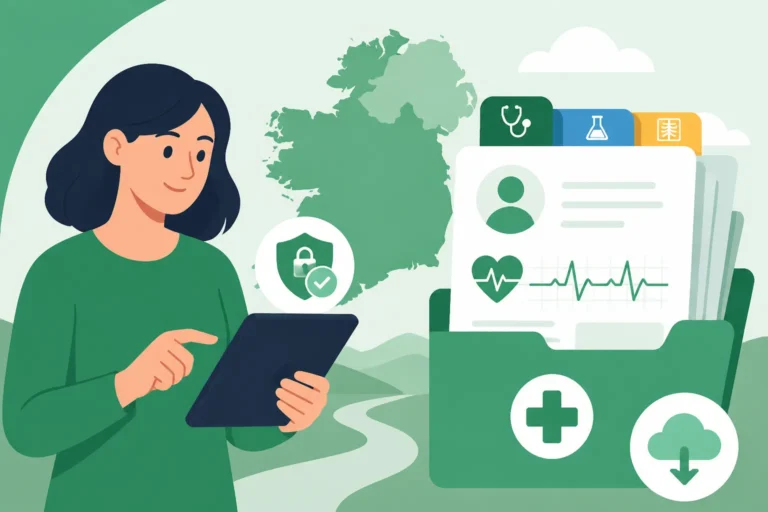
The biggest hurdle for expat parents often comes down to documentation. Your child's vaccination history from your home country needs to be translated into English and readily available for your new Irish GP. Don't underestimate this step; it's absolutely critical. When you try to Registering with a GP in Ireland: The Complete Expat Guide (2027), one of the first things they'll want to see is your family's health records. If those records are missing or unclear, your GP might recommend repeating certain vaccinations, which, while safe, can be an added stressor for both you and your child. Having clear, concise records ensures a smooth transition into the Irish healthcare system and helps your new doctor tailor their advice effectively. It really does make a world of difference.
Adult Boosters and Catch-up Vaccinations
It's not just the kids who need to think about vaccinations! Adults often forget about boosters, assuming their childhood jabs last forever. But that's usually not the case. Common adult boosters include Tdap for tetanus, diphtheria, and pertussis (whooping cough), which is particularly important if you're going to be around infants or young children. Tetanus boosters, for instance, are generally recommended every 10 years. Polio might also need a booster if you're travelling to or from certain high-risk regions, though for most coming to Ireland, it's more about ensuring your initial course was complete.
Beyond routine boosters, there’s the concept of ‘catch-up’ vaccinations. This often applies if you’re from a country with a significantly different childhood vaccination schedule, or if, like many of us, your own vaccination records have gone missing over the years. When you first consult an Irish GP, they’ll assess your individual needs based on your age, medical history, and country of origin. This might mean getting a blood test to check for immunity to certain diseases, or simply receiving a booster shot to ensure you're adequately protected. It’s always best to be proactive and discuss this with your doctor soon after you’ve settled in. Remember, the goal is not to re-vaccinate unnecessarily but to ensure comprehensive protection against common, preventable diseases.
Recommended Vaccinations Specifically for Ireland
While Ireland doesn’t typically require specific vaccinations for entry from most countries, there are certainly general health recommendations you should consider, both for your own wellbeing and that of your new community. Thinking about your health beyond just the 'mandatory' helps ensure a smoother, healthier transition into expat life.
General Travel Health Recommendations
Before you even step foot on Irish soil, it's a wise move to ensure you’re up-to-date on all routine vaccinations. This includes a full course of Measles, Mumps, and Rubella (MMR), Diphtheria, Tetanus, and Pertussis (DTaP), Polio, and Varicella (chickenpox). These are fundamental protections against common, highly contagious diseases. Even if you've had some of these as a child, an adult booster might be necessary, especially for DTaP, which provides protection against whooping cough. Getting these sorted before you travel can save you hassle and potential exposure to illnesses while you're still navigating a new healthcare system.
One vaccination that expats in Ireland should definitely prioritise is the seasonal influenza (flu) vaccine. Given Ireland's damp climate and often chilly winters, respiratory illnesses, including the flu, can spread quite rapidly. While it's certainly not mandatory, getting your annual flu shot is highly recommended by public health authorities here. It helps protect not only yourself but also vulnerable populations you might encounter. Your GP will usually recommend and offer this from autumn onwards each year. Consider it a proactive step in adapting to the local conditions and keeping yourself in good health throughout the colder months.
Less Common, but Potentially Relevant Vaccinations
Beyond the routine, there are a few less common vaccinations that might be relevant depending on your individual circumstances or lifestyle once in Ireland. For the vast majority of expats, these won't apply, but it's worth having them on your radar for a discussion with your GP. For example, Hepatitis A and B vaccinations might be considered if your work or personal life puts you at higher risk. Hepatitis A is typically spread through contaminated food or water, while Hepatitis B can be transmitted through blood or bodily fluids. Again, these are not general recommendations for everyone, but something to discuss with your doctor if you have specific concerns.
Rabies is another example. While Ireland is considered rabies-free, if you plan to work extensively with animals, especially bats, or spend significant time in very remote, rural areas with wildlife exposure (though this is extremely rare), your GP might discuss the rabies vaccine. It’s important to stress that this is truly for specific, high-risk scenarios and not a general recommendation for expats. The takeaway here is that while the standard list covers most bases, an informed conversation with your new Irish GP about your unique background and future plans is invaluable for identifying any niche vaccination needs. Don't be shy about asking questions when you first visit, particularly about The Complete Guide to Healthcare in Ireland for Expats (2027).
Here's a quick overview of common vaccinations to consider:
| Vaccination Type | Who Needs It? | Relevance for Ireland | Typical Schedule/Recommendation |
|---|---|---|---|
| MMR (Measles, Mumps, Rubella) | Children, adults without immunity | Routine | 2 doses in childhood; adult boosters if needed |
| DTaP (Diphtheria, Tetanus, Pertussis) | Children, adults | Routine / Highly Recommended | Childhood series, adult boosters every 10 years for Tdap |
| Polio | Children, adults (depending on origin) | Routine | Childhood series, adult booster if travelling to/from high-risk areas |
| Varicella (Chickenpox) | Children, adults without immunity | Routine | 2 doses if no prior infection |
| Seasonal Influenza (Flu) | All adults, especially recommended | Highly Recommended | Annually, typically from autumn onwards |
| HPV (Human Papillomavirus) | Teenagers (boys & girls) | Routine (adolescents) | Offered in schools |
| Hepatitis A & B | Specific risk groups (travel, occupation, lifestyle) | Situational | Based on individual risk assessment with GP |
Practical Steps: Getting Vaccinated and Accessing Records in Ireland
Navigating the logistics of vaccinations when you’re in a new country can feel like a bureaucratic maze. But with a bit of foresight and persistence, it’s entirely manageable. Think of it as another essential task on your expat checklist, right alongside setting up your bank account or figuring out public transport.
Before You Arrive: What to Do
The absolute best thing you can do for yourself and your family is to gather all your existing vaccination records before you leave your home country. I can't stress this enough. Dig through old school records, contact your previous doctors, and get every single vaccine listed with its date. Ideally, have these translated into English by a certified translator. Even if you're fluent in both languages, official translations can prevent any misunderstandings with your new GP here. Photocopy everything and keep digital backups; you never know when you might need them.
It's also a good idea to consult your current doctor about what you might need, specifically in preparation for moving to Ireland. They can review your history, offer any last-minute boosters, and provide general advice based on your medical profile. While you're waiting for your Irish residency and healthcare setup to fully kick in, having a robust travel medical insurance plan like SafetyWing can be a real lifesaver, offering peace of mind for those initial weeks. It ensures that if any unforeseen medical needs arise, including a consultation about vaccinations, you’re covered until you sort out your long-term health plan. This pre-arrival groundwork makes the transition into the Irish healthcare system so much smoother.
Upon Arrival: Registering with a GP and Getting Immunised
Once you've landed and started the process of settling in, your first and most critical step for healthcare, including vaccinations, is to How to Find and Register with a Local GP Practice in Ireland. This can sometimes be a bit of a challenge, particularly in urban areas where some practices have closed lists, but it’s absolutely essential. Your GP will be your gateway to the Irish healthcare system. During your initial consultation, provide them with all those meticulously gathered vaccination records. They’ll review your history, assess your needs, and advise on any outstanding vaccinations or boosters.
For children, routine vaccinations are administered by your GP or at local HSE clinics as part of the national immunisation programme and are typically free of charge. For adults, the situation can vary. While some routine boosters might be covered in certain circumstances, many adult vaccinations come with a fee. This is part of The Cost of Healthcare in Ireland: A Complete Breakdown for Foreigners (2026) that many expats have to reckon with. It's important to clarify the costs with your GP's office or clinic upfront. Having your PPSN (Personal Public Service Number) is usually required for any public health services, even if you’re paying privately, so make sure that's another one of your first administrative tasks. You can learn more about the overall system by checking out How Ireland's Health System Works: The HSE vs Private Explained (2027).
Special Considerations for Expats
As an expat, your healthcare journey is often a bit more nuanced than for a native resident. There are layers of understanding to peel back, especially when it comes to things like vaccine schedules across different age groups and the financial implications of getting jabbed.
Understanding Vaccine Schedules for Different Age Groups
If you're moving with a family, you'll find that Ireland has a clear Understanding Childhood Vaccination Schedules in Ireland that your GP will follow. These schedules are designed to protect children at critical developmental stages. If your child has missed any doses according to the Irish schedule, your GP will advise on a catch-up plan. For teenagers, especially girls (and increasingly boys), the HPV vaccine is a significant part of the programme, usually administered through schools, but available through GPs too.
For adults, the conversation shifts to boosters and potentially new vaccines based on age or specific health risks. Older adults, for instance, might be advised to get vaccines for shingles or pneumonia. It's not a one-size-fits-all approach; your GP will take into account your age, medical history, and any particular vulnerabilities. This individualised assessment is why that initial consultation with a registered Irish GP is so important, as it helps map out your personal health protection strategy within the local system.
Cost and Coverage for Vaccinations
Now, let's talk about the dreaded C-word: Cost. For children in Ireland, the vast majority of vaccinations under the national immunisation programme are provided free of charge by the HSE. This is a huge relief for expat families and one of the benefits of the public health system. However, for adults, it’s a different story. Many adult vaccinations, particularly boosters or those for specific risk factors (like the flu shot if not part of an at-risk group, or travel vaccines), often incur a fee. A standard GP visit without a Medical Card or GP Visit Card can cost anywhere from €50 to €70, and the vaccine itself will be an additional charge. To understand what you might pay, you might find this guide on How Much Does a GP Visit Cost in Ireland Without a Card? very useful.
Private health insurance providers in Ireland, such as VHI, Laya, or Irish Life Health, sometimes cover certain vaccinations, but this depends entirely on your specific plan and its benefits. It's not a guarantee, so always check with your provider. For initial movers, before you've even secured full Irish health insurance or established your residency, having a temporary solution like SafetyWing can be incredibly helpful for unforeseen doctor visits related to vaccine advice or immediate health concerns. It fills that gap, offering a safety net until you're fully integrated into either the public or private Irish healthcare system. Remember, being prepared for these costs, either through a budget or appropriate insurance, is key to managing your health effectively as an expat. You can explore options in Health Insurance in Ireland: VHI, Laya, Irish Life and Options Explained for a deeper dive into private coverage.
When you're first arriving, the last thing you want is a medical emergency or a scramble to get necessary health advice without coverage. This is where a robust travel insurance plan, like those offered by SafetyWing, can really provide peace of mind. They’re designed for digital nomads and long-term travellers, offering a flexible safety net until you're fully settled and your local healthcare arrangements are in place. Having this bridge coverage means you can attend initial GP appointments, discuss your vaccination needs, and address any immediate health concerns without the added financial stress. It’s a sensible precaution for any expat to consider, ensuring you're protected during that crucial transition period.
Ultimately, navigating vaccinations in Ireland as an expat boils down to proactivity, good record-keeping, and an open conversation with your new GP. It might feel like a lot of hoops to jump through, but ensuring you and your family are properly immunised is one of the most fundamental ways to safeguard your health and truly feel at home in your new country.
Disclaimer
The information provided in this guide is intended for general informational purposes only and does not constitute medical advice. It is essential to consult with a qualified healthcare professional or your General Practitioner (GP) in Ireland for personalised medical advice, diagnosis, and treatment. Vaccination schedules and recommendations can change, and individual health needs vary. Always seek the advice of your doctor or other qualified health provider with any questions you may have regarding a medical condition or before making any decisions related to your health or treatment.