Can I See a GP on the Same Day in Ireland?
Ah, the age-old expat question in Ireland: "Can I actually see a GP on the same day?!" It’s a completely legitimate concern, and honestly, one that can cause a fair bit of anxiety, especially when you're feeling under the weather in a new country. The simple truth is, it’s not always straightforward, and the system here can feel a little different from what you might be used to. This guide is here to walk you through the realities of getting a same-day GP appointment in Ireland, what your best strategies are, and what other options you have when that immediate slot just isn't available.
The Reality of Same-Day GP Appointments in Ireland
Let's be brutally honest from the outset: securing a same-day GP appointment in Ireland can feel like trying to catch smoke sometimes. It’s certainly not impossible, but it definitely requires a bit of know-how and, more often than not, a good dose of persistence. When you're new here, the expectation of being able to just walk into a clinic or easily book an appointment for later that day can quickly bump up against the reality of a busy healthcare system.
The Ideal vs. The Reality of GP Access
In an ideal world, when you wake up with a persistent cough or a nasty earache, you’d simply call your GP and be seen that day. That's the vision many of us carry from our home countries, or at least the hope we cling to when we feel rubbish. However, the reality in Ireland is that many GP practices operate on an appointment-based system, often booking out several days, if not weeks, in advance for routine check-ups. This can be incredibly frustrating, especially when you’re not dealing with a life-threatening emergency but still need medical attention sooner rather than later. You're not alone in feeling this way; it’s a common complaint among locals and expats alike.
What complicates matters further is that there's a significant demand for GP services, sometimes outweighing the number of available doctors. This means that while clinics do try to accommodate urgent cases, these slots are often limited and reserved for true medical necessities that can't wait. The system tries to triage, but that doesn't always translate into an immediate appointment for something that feels urgent to you but might not be deemed critical by the practice.
Factors Affecting Availability
Several factors can significantly influence your chances of snagging a same-day GP appointment. Firstly, your location plays a huge role. In major urban centres like Dublin, Cork, or Galway, practices tend to be busier and more stretched. Conversely, in smaller towns or rural areas, you might find slightly better availability, though this isn't a guarantee. The sheer volume of patients in metropolitan areas means doctors' schedules fill up rapidly.
The size and structure of the GP practice also matter. Larger practices with multiple doctors and nurses often have more flexibility to offer urgent appointments, perhaps staggering their schedules or having a dedicated duty doctor. Smaller, single-doctor practices, while offering a more personal touch, may have very limited capacity for unexpected visits. Finally, the time of day you call can be crucial. Phoning first thing in the morning when the practice opens is usually your best bet, as this is when any cancellations or emergency slots for the day are often first released. Calling in the late afternoon for a same-day appointment is almost always a lost cause unless it's a genuine emergency that the receptionist refers to a doctor for triage.
Strategies for Securing a Same-Day Appointment
Alright, so the general outlook might seem a bit grim, but don't despair! There are strategies you can employ to maximise your chances of getting seen quickly. It often comes down to understanding how Irish GP practices manage their schedules and being prepared to act decisively.
Early Bird Gets the Slot: Calling First Thing
This is, hands down, the most crucial piece of advice for anyone hoping to see a GP on the same day. Most GP surgeries release their daily "emergency" or "on-the-day" appointments right when their phone lines open in the morning. This could be anywhere from 8:00 AM to 9:00 AM, depending on the practice. Your alarm needs to be set, your phone in hand, and you need to be ready to dial the moment they open.
Why is this so effective? Because these slots are often limited to a handful per day, and they are distributed on a first-come, first-served basis. If you call an hour later, they’re almost certainly gone. Be clear and concise with the receptionist about your symptoms and why you feel you need to be seen today. Don't exaggerate, but be sure to convey the urgency accurately. Sometimes, getting a phone consultation with the GP can also lead to an in-person slot if the doctor deems it necessary after assessing your situation.
Utilizing Online Booking Systems and Apps
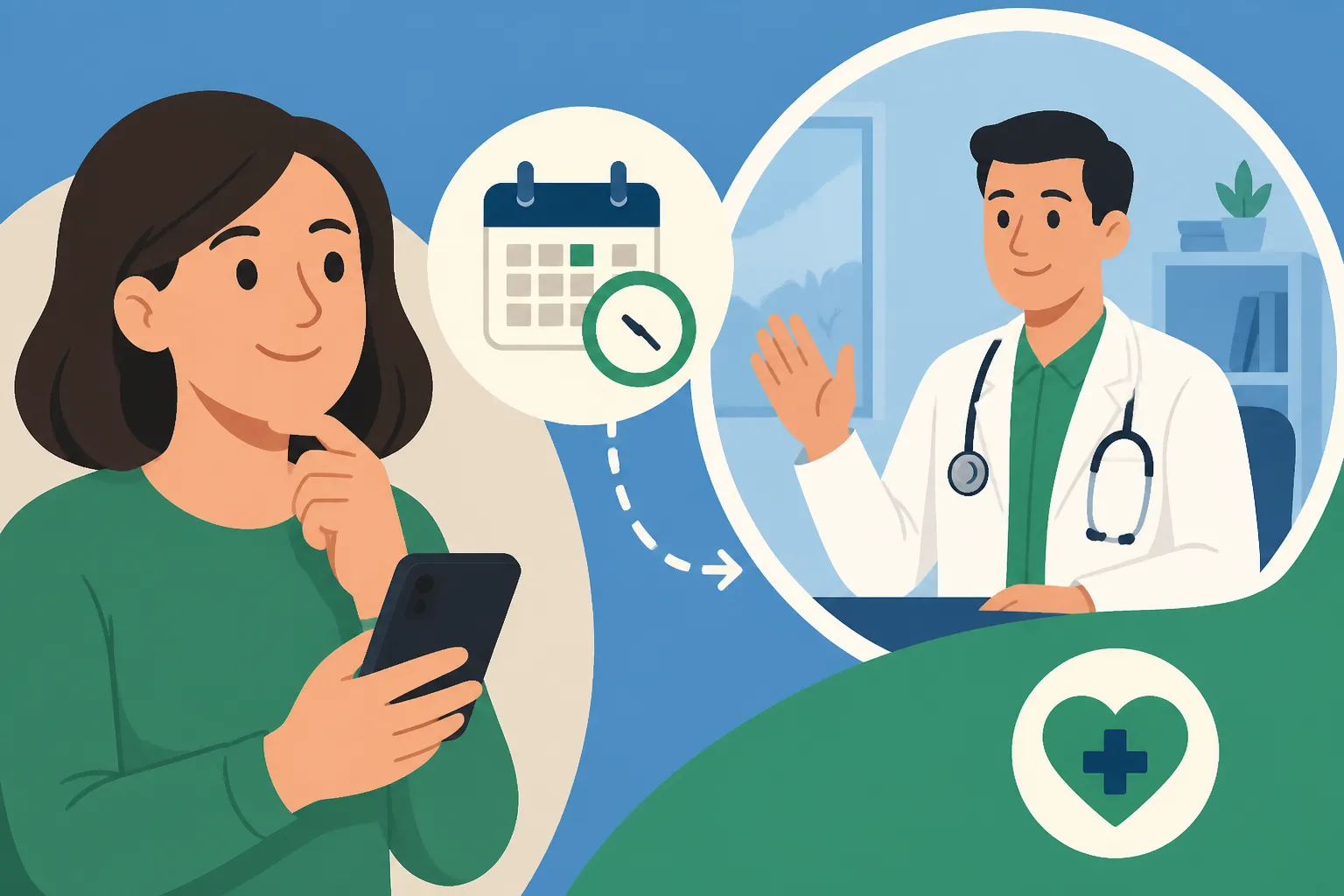
While perhaps not as common for same-day appointments, many modern GP practices in Ireland are increasingly adopting online booking systems. Platforms like Connect the Doc or Swiftqueue are becoming more prevalent, allowing patients to book appointments through a web portal or app. While these are fantastic for routine check-ups and follow-ups, finding an immediate slot through them can be rare.
However, it's always worth checking, particularly if you're comfortable navigating these platforms. Sometimes, a cancellation might appear, and if you happen to be looking at just the right moment, you could snatch it up. It also means you can check availability outside of office hours. Keep in mind that not all practices use these, and some might only offer limited services via their online portal, so it's best to check with your specific GP what digital options they provide.
Asking for Emergency Slots or Triage
If you've called your GP and they tell you they're fully booked, don't immediately hang up in despair. Politely ask if there are any emergency slots available, or if you can be added to a cancellation list for that day. It might feel like a long shot, but sometimes people cancel at the last minute, and practices are keen to fill those spots.
Another approach is to ask if a doctor can call you back for a triage assessment. Many practices have a system where a GP will briefly call patients who have urgent concerns to determine if they truly need to be seen in person, or if advice, a prescription, or a later appointment would suffice. Be prepared to explain your symptoms clearly and concisely. This isn't a guaranteed path to an in-person appointment, but it ensures a medical professional has reviewed your situation, which is invaluable. Remember, the staff at the desk are there to help, but they are following procedures, so a calm, clear approach is always best. For a deeper dive into the overall healthcare experience, you might find "Navigating the Irish Healthcare System: An Expat's Roadmap (2026)" particularly useful.
Alternative Options When a Same-Day GP Isn't Possible
Even with the best strategies, there will be times when a same-day GP appointment just isn't happening. In these moments, it’s crucial to know your other options to get the care you need, without resorting to the emergency room unless it's truly critical.
Out-of-Hours GP Services and Urgent Care Centres
When your regular GP is closed or fully booked, out-of-hours GP services are your next port of call for urgent but non-life-threatening issues. These services are typically run by groups of local GPs working together to provide care outside of normal clinic hours, including evenings, weekends, and public holidays. In Dublin, you might hear of services like D Doc, or in other regions, SouthDoc or other local GP co-ops. These centres are designed to handle acute illnesses or injuries that cannot wait until your regular GP practice reopens.
You usually need to call them first to describe your symptoms, and they will assess if you need an appointment at their centre, a home visit (rare), or advice over the phone. These services are not free unless you have a Medical Card or GP Visit Card, so be prepared for a consultation fee, which can be similar to or slightly higher than a private GP visit. They are an excellent middle ground, providing access to a doctor without clogging up emergency departments. For more on what to do in more severe situations, consider checking out "Emergency Medical Care in Ireland: What Every Expat Needs to Know".
Ireland is also seeing the emergence of some urgent care centres, often linked to private health insurance providers like VHI 360 Health Centres. These are designed to treat minor injuries and illnesses without an appointment, providing a quicker alternative to A&E for conditions like sprains, minor cuts, or infections. They often have diagnostic facilities like X-rays available on-site. If you have private health insurance, it's worth checking if your plan covers visits to these centres, and if there's one conveniently located near you.
Local Pharmacies: Your First Port of Call
Never underestimate the power and expertise of your local pharmacist in Ireland. For many minor ailments and common health issues, your pharmacist can be your first, and often quickest, point of contact. They are highly trained healthcare professionals who can offer advice, recommend over-the-counter medications, and even provide some basic diagnostic services.
Think about conditions like colds, flu symptoms, minor aches and pains, skin rashes, thrush, or even some types of conjunctivitis. They can often provide a solution without the need for a doctor's appointment. They can also advise you on whether your symptoms warrant a GP visit, potentially saving you a wasted trip or a long wait. Many pharmacies also offer services like emergency contraception, blood pressure checks, and even some vaccinations. Before you spend hours trying to get a GP appointment, pop into your local pharmacy first. They’re a fantastic resource and much more accessible. For detailed information on this, "Prescription Medications and Pharmacies in Ireland: The Complete Guide" is a great resource.
Hospital Emergency Departments A&E: When to Go (and When Not To)
This is a critical point that many new arrivals struggle with. Hospital Emergency Departments (A&E or Accident & Emergency) in Ireland are for just that: emergencies. We’re talking about life-threatening conditions, severe injuries, sudden severe chest pain, suspected stroke, major trauma, or difficulty breathing. They are not for colds, flu, minor sprains, or repeat prescriptions.
Using A&E for non-emergencies not only contributes to the infamous long waiting lists that regularly make headlines, but it will also likely result in you waiting for many, many hours – sometimes 12+ hours – to be seen, as priority is given to the most critical cases. Furthermore, there's usually a standard A&E charge (currently €100 for adults, though some exemptions apply), which you will have to pay unless you are admitted to hospital or have a Medical Card. This can be a shock if you're used to free emergency care. For a deeper understanding of the financial aspects, "The Cost of Healthcare in Ireland: A Complete Breakdown for Foreigners (2026)" offers valuable insights. Please, for your own sanity and the efficiency of the system, only go to A&E when it's a true emergency. If you're unsure whether it's an emergency, call 112 or 999 for an ambulance or advice. You can learn more about this in "Understanding Emergency Numbers (112 and 999) and Ambulance Care in Ireland".
What to Do If You're a New Arrival Without a GP
If you've just landed in Ireland, the thought of needing medical attention and not even having a registered GP can be truly daunting. It adds another layer of stress to an already stressful situation. But rest assured, there are provisions for you.
Registering with a GP: The Essential First Step
This simply cannot be stressed enough: registering with a GP should be one of your absolute top priorities as a new arrival in Ireland. Don't wait until you're sick. Finding a GP practice that is accepting new patients can take time, particularly in urban areas. Some clinics have waiting lists, and you definitely don't want to be scrambling for one when you're unwell.
Start by searching for local GP practices in your area. Use online directories, ask colleagues or neighbours for recommendations, or check the Health Service Executive (HSE) website. Once you find a practice, call them to inquire about registering. You will typically need to fill out a registration form and provide some identification, proof of address, and your PPSN (Personal Public Service Number). Even if you have temporary expat health insurance like SafetyWing for your initial months, getting a local GP registered is crucial for continuity of care. You’ll find a comprehensive guide on this process in "Registering with a GP in Ireland: The Complete Expat Guide (2026)" and further practical steps in "How to Register with a GP (Family Doctor) in Ireland".
Temporary Patient Status and Emergency Consultations
What if you do get sick before you've managed to register with a GP? You're not left entirely without options, though it will likely be more challenging and potentially more expensive. Some GP practices will see you as a "temporary patient" or for an "emergency consultation" even if you're not fully registered. This is entirely at the discretion of the practice and depends on their capacity and the perceived urgency of your condition.
You will almost certainly be charged a private consultation fee, which can vary but typically ranges from €50 to €70 or more. You'll need to explain your situation clearly to the receptionist. They might ask for your PPSN, but it's not strictly necessary for an emergency visit, though it's always good to have if you have it. Having a good travel or expat health insurance plan, such as from SafetyWing, during your initial settlement period can be invaluable here, as it might cover these unexpected, urgent private GP visits. It’s a good safety net while you navigate the system and get yourself properly set up. Remember that your long-term healthcare strategy might involve understanding the differences between public and private options, which is covered in "Public vs Private Healthcare in Ireland: Which Should Expats Choose?".
Options for Urgent Medical Attention in Ireland
| Service Type | Best For | Cost (approx.) | Speed of Access | Key Considerations |
|---|---|---|---|---|
| Your Registered GP | Non-urgent ongoing care, chronic conditions, routine check-ups, sick certs. | €50-€70 (private), Free (Medical Card/GP Visit Card) | Days to weeks for routine; limited same-day. | Best continuity of care. Try calling first thing for same-day. Need to be registered. For costs, see "How Much Does a GP Visit Cost in Ireland Without a Card?". |
| Out-of-Hours GP Service | Urgent, non-life-threatening issues when your GP is closed. | €60-€80 (private) | Usually same-day (after phone triage). | Call first for assessment. Not free for all. Examples: D Doc, SouthDoc. |
| Urgent Care Centre | Minor injuries (sprains, cuts), acute illnesses (infections) – often private. | Varies, can be covered by private insurance. | Often walk-in or short wait. | Check if your private health insurance (like VHI, Laya, Irish Life as discussed in "Health Insurance in Ireland: VHI, Laya, Irish Life and Options Explained") covers it. |
| Local Pharmacy | Minor ailments (colds, flu, rashes, minor pains), health advice. | Cost of medication (some covered by DPS), advice free. | Immediate, walk-in. | Excellent for quick advice and over-the-counter solutions. No appointment needed. Pharmacist can advise if GP is needed. |
| Hospital A&E | Life-threatening emergencies, severe injuries, suspected stroke/heart attack. | €100 (if not admitted), Free (Medical Card) | Immediate for critical; 4-12+ hours for non-critical. | Only for true emergencies. Do not use for minor issues, as it overloads the system and causes massive waits. Call 112/999 for ambulance if needed. For general healthcare info, "The Complete Guide to Healthcare in Ireland for Expats (2026)" is key. |
Disclaimer
Please remember that I am an expat blogger sharing personal experiences and general advice. The information provided in this guide is for informational purposes only and does not constitute professional medical, legal, or financial advice. Healthcare policies, procedures, and costs in Ireland can change. Always consult with qualified professionals for advice tailored to your specific situation.