Are Generic Medicines Available in Irish Pharmacies?
One of the many things that can catch you off guard when you first move to Ireland is navigating the healthcare system, and specifically, understanding how prescriptions and pharmacies work. It’s a common worry for expats: will the medication you rely on from back home be available, and will it break the bank? Finding out if generic medicines are readily available in Irish pharmacies is a huge piece of that puzzle, helping you manage both your health and your wallet, and this guide will walk you through exactly what to expect.
Understanding Generic Medicines in the Irish Context
When you’re settling into a new country like Ireland, everything from setting up your bank account to figuring out how to register with a GP can feel like a monumental task. Then you get a prescription, and suddenly you’re faced with new names for familiar medications. It’s completely normal to feel a bit lost in translation, but let me assure you, the system here is designed with cost-effectiveness in mind, especially when it comes to generic medicines.
The Basics: What's the Difference Anyway?
Let's cut through the jargon. A generic medicine is essentially a copy of a brand-name drug. Think of it like a store-brand product versus a well-known national brand – same ingredients, same effect, often a different name and a much lower price tag. Specifically, generic medications contain the exact same active pharmaceutical ingredient as their branded counterparts. They are identical in terms of strength, dosage form (like a tablet or capsule), route of administration (how you take it), quality, safety, and intended use. The Health Products Regulatory Authority (HPRA) in Ireland, which is responsible for regulating medicines, ensures that generics meet the same stringent standards for quality, safety, and efficacy as branded drugs before they can be sold.
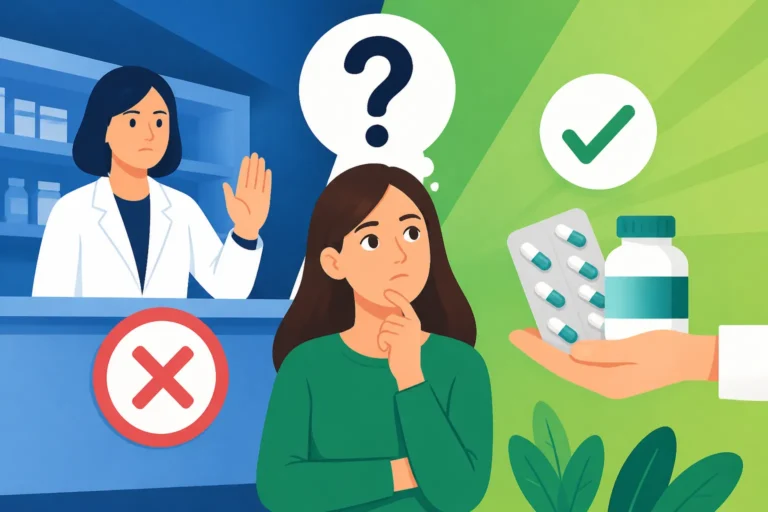
The frustration you might feel when you see a different name on the box, even for something you’ve taken for years, is totally valid. Back home, you might have known your painkiller as 'X' brand, but here, it might be called 'Y' brand or, more often, just by its active ingredient name, like Ibuprofen or Paracetamol. This slight shift can be unsettling, especially when it comes to your health. However, understanding that these are regulated equivalents can bring a lot of peace of mind. The whole point of generics is to make essential medicines more accessible and affordable once the original patent on the brand-name drug expires, opening the market to competition.
The Irish Pharmacy Landscape and Prescribing Habits
The way prescriptions are handled in Ireland actively encourages the use of generics. When you visit your GP, they will often prescribe medication using its generic, or 'active ingredient,' name rather than a specific brand name. This is a deliberate practice aimed at promoting cost savings within the healthcare system and for patients. For example, instead of prescribing "Valium," a doctor in Ireland is more likely to write a prescription for "diazepam," which is the active ingredient. This gives your pharmacist the flexibility to dispense the most cost-effective version available.
Your local pharmacist plays a crucial role in this process. Irish law allows pharmacists to substitute a prescribed brand-name medicine with a generic equivalent, provided both you and your doctor agree, and the generic is on the Health Service Executive (HSE) list of interchangeable medicines. This "substitution" power is a cornerstone of the Irish system, helping to drive down costs. So, if your doctor writes a prescription for a branded medication, your pharmacist might ask if you’d be happy with the generic version. It’s perfectly normal, and generally, you should embrace it for the savings. As you navigate the system, understanding The Complete Guide to Healthcare in Ireland for Expats (2027) will further clarify how these elements fit together.
Availability and Dispensing of Generics in Ireland
One of the most reassuring things you'll discover is that generic medicines are not just "available" in Ireland; they are a fundamental and well-integrated part of the pharmacy system. You won't have to hunt them down or make special requests in most cases. This widespread availability is a huge relief for many expats, as it means you’re unlikely to face a situation where you can’t get an affordable version of the medication you need.
Where Can You Find Them?
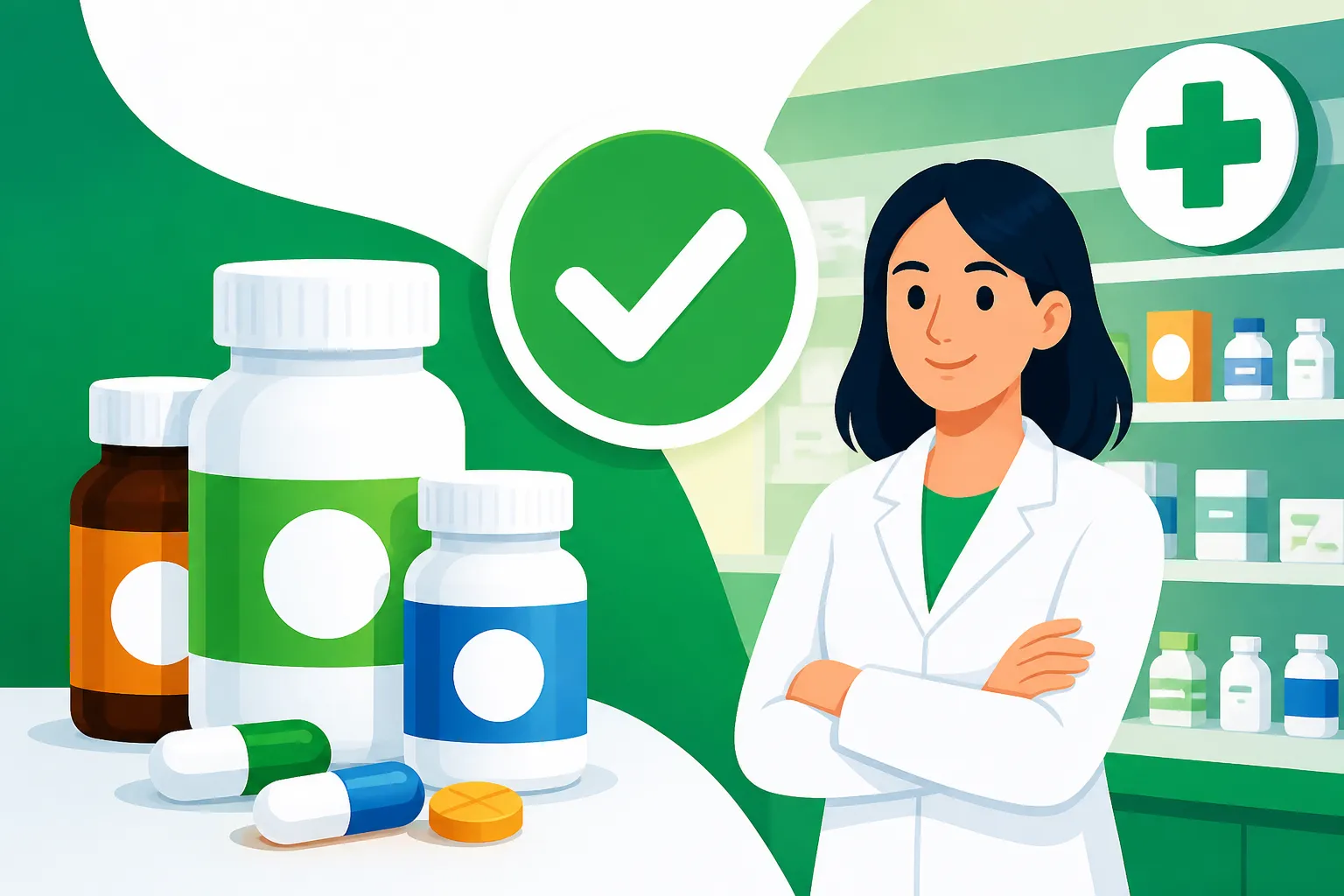
You'll find generic medicines in virtually every pharmacy across Ireland. Whether you step into a large chain like Boots or Lloyds Pharmacy, or a smaller, independent community pharmacy nestled in a village, they will stock generic versions of common medications. This isn't a niche market; it's the standard. From over-the-counter staples to prescription-only drugs, if a brand-name medication has gone off-patent, there will almost certainly be a generic equivalent available.
Think of common examples:
- Instead of the well-known branded painkiller Panadol, you'll find generic paracetamol.
- For Nurofen, you’ll easily find generic ibuprofen.
- For indigestion medication like Losec, you’ll get omeprazole.
These are just a few common examples, but the principle applies across a vast range of therapeutic areas. The sheer ubiquity of generics means that managing your ongoing health conditions is typically more straightforward and less costly than you might initially fear. Pharmacists are usually very good at explaining the differences in brand names and reassuring you that the active ingredients are the same. For a more detailed look at medication access, check out our guide on Prescription Medications and Pharmacies in Ireland: The Complete Guide.
The Role of Your Pharmacist and GP
Your General Practitioner (GP) and your pharmacist are your primary allies in navigating the world of generic medicines in Ireland. When you go to Registering with a GP in Ireland: The Complete Expat Guide (2027), don't hesitate to discuss your preference for generics with them. Most GPs are already on board with prescribing generically where possible. They understand the financial pressures patients face and will actively try to minimise your costs.
A real-life scenario: you have a chronic condition and have always taken a specific brand-name medication in your home country. When you visit your Irish GP, you can explain this. They will likely confirm the active ingredient and then prescribe the generic version. When you take this prescription to the pharmacy, the pharmacist will then dispense the generic. They are highly trained professionals who can answer any questions you have about the generic medication, including how it compares to the brand you’re used to. They are a treasure trove of information, often acting as the first port of call for minor ailments and medication advice.
Potential Roadblocks and What to Expect
While generics are widespread, it's worth noting that a generic version might not be available for every single medication. This usually happens with newer drugs that are still under patent protection, meaning only the original manufacturer can produce and sell them. Once the patent expires, other manufacturers can then produce generic versions, but this process takes time. In such cases, you would still receive the brand-name drug, which might be pricier.
Another point to consider is that while the active ingredient is identical, the inactive ingredients (fillers, binders, colouring agents) can differ between generic manufacturers and the original brand. For the vast majority of people, this makes no difference whatsoever. However, in very rare cases, someone might have an allergy or sensitivity to a specific inactive ingredient. If you have any such concerns, it's vital to discuss them with your GP and pharmacist. They can help you identify if a specific generic formulation might cause issues. Packaging and tablet appearance will also differ, which, while purely aesthetic, can sometimes throw people off if they’re used to a particular look. Don't be alarmed if your familiar blue pill is now white; just double-check with your pharmacist if you have any doubts.
Cost-Saving and Navigating Pharmacy Charges
For many expats, one of the biggest shocks when moving abroad can be the unexpected costs associated with healthcare. While Ireland's public healthcare system, the HSE, offers some subsidised services, prescription medications often come with out-of-pocket expenses. This is where understanding and utilising generic medicines can become a significant financial advantage, helping to soften the blow to your bank account.
The Financial Advantage of Generics
The primary benefit of generic medicines is, unequivocally, their cost. Brand-name drugs carry the burden of extensive research, development, and marketing costs, which are naturally passed on to the consumer. Generic manufacturers, on the other hand, don't have these overheads. They can produce and sell the medication at a much lower price, creating competition in the market and driving down costs even further. This is a massive boon, especially if you have a chronic condition requiring daily medication.
For expats without a Medical Card, every prescription counts. While The Expat Guide to the Medical Card and GP Visit Card in Ireland (2027) provides excellent insight into potential subsidies, many new arrivals won't qualify immediately. This means you'll be paying the full price for your prescriptions, plus a dispensing fee. Opting for a generic can shave a substantial amount off this cost. The Drugs Payment Scheme (DPS), which caps your monthly spending on prescription medicines at a certain amount (currently €80 per month for individuals and families), also benefits from generics, as lower individual medication costs mean you might reach that cap less frequently, or stretch your budget further until you do.
Pharmacy Visit Costs and Prescription Fees
It's important to differentiate between the cost of the medicine itself and the dispensing fee charged by the pharmacy. In Ireland, even if you are prescribed a generic medication, the pharmacy will still add a dispensing fee. This fee covers the pharmacist's professional services, including checking your prescription, ensuring it's safe for you, counselling you on its use, and maintaining your medication record. These fees can vary slightly between pharmacies, so it’s not unheard of to see people compare prices, especially for larger or regular prescriptions.
Let's look at a hypothetical example to illustrate the cost difference:
| Item | Brand-Name Cost (Approx.) | Generic Cost (Approx.) | Dispensing Fee (Approx.) | Total (Brand) | Total (Generic) |
|---|---|---|---|---|---|
| Anti-inflammatory (30 tabs) | €25 | €10 | €5 | €30 | €15 |
| Antidepressant (30 tabs) | €40 | €15 | €5 | €45 | €20 |
| Antibiotic (7 days) | €35 | €12 | €5 | €40 | €17 |
Note: These are illustrative figures. Actual costs vary widely based on medication, pharmacy, and current pricing.
As you can see, the savings can be quite significant, even with the dispensing fee factored in. These savings become even more pronounced over time. Remember, you can also claim tax relief on medical expenses through Revenue, which can help offset some of these costs at the end of the tax year. Our guide on How to Claim Tax Relief on Medical Expenses in Ireland explains this in detail.
What to Do if Your Home Country Medication Isn't Available
It's a common scenario: you move to Ireland, visit your new GP, and find that the specific brand name of medication you've used for years isn't stocked. Don't panic! The key here is the 'active ingredient'. Your Irish GP will almost always be able to identify an Irish equivalent, whether it's a generic or a different brand containing the same active ingredient and strength. It’s always helpful to bring a list of your medications, including both the brand name and the active ingredient, if you know it, and the dosage.
If you’re only visiting Ireland, or are in the very early days of settling in, and need to access medication, consider what travel insurance you have. Providers like SafetyWing are specifically designed for nomads and expats, offering global medical coverage that can be invaluable in unexpected situations. If you find yourself in a medical emergency or need to quickly get a prescription filled before your Irish healthcare setup is fully established, having robust travel medical insurance can cover those upfront costs, providing a crucial safety net. This is particularly important if you need to pay for medications out-of-pocket before you have a local GP or while still relying on international health coverage.
Practical Tips for Expats
Navigating a new healthcare system can be overwhelming, but a few straightforward strategies can make a world of difference, especially when it comes to managing your medications and costs. As an expat in Ireland, empowering yourself with knowledge and knowing how to ask the right questions will simplify your pharmacy visits significantly.
Communication is Key
Don't be shy! Your GP and pharmacist are there to help you. Whenever you receive a new prescription, or even for refills of existing ones, always ask your GP if there's a generic option available. Most doctors will proactively prescribe generics, but a gentle reminder never hurts. Similarly, when you hand your prescription to the pharmacist, ask them if they are dispensing the generic version and what the cost difference is. They are often happy to explain the options.
For over-the-counter medications, like painkillers, allergy tablets, or cold remedies, comparing prices between pharmacies can save you money. While some larger chains like Boots or Lloyds Pharmacy might have competitive offers on their own-brand generics, smaller independent pharmacies can also surprise you with good value or personalised advice. Building a good relationship with your local pharmacist can be incredibly beneficial; they become a trusted resource for minor health concerns and medication queries. It's all part of Navigating the Irish Healthcare System: An Expat's Roadmap (2027).
Understanding Your Entitlements
While generic medications are a fantastic way to cut down on costs, it's also crucial to understand the broader support systems available in Ireland. The country has a mixed public-private healthcare system, and your access to reduced-cost prescriptions depends on your eligibility for schemes like the Medical Card or the GP Visit Card.
- Medical Card: If you qualify for a Medical Card based on a means test, most of your prescription medications will be covered, with a small charge per item (currently €1.50 per item, up to a maximum of €15 per month per person or family).
- GP Visit Card: This card covers the cost of GP visits but typically does not cover prescription medication costs. However, it does still mean you avoid the upfront fee for seeing your doctor, which can indirectly help your budget.
- Drugs Payment Scheme (DPS): Even if you don't have a Medical Card, the DPS is a fantastic safety net. It ensures that no individual or family pays more than €80 per month for approved prescribed drugs and medicines. This cap is a huge relief for anyone with significant ongoing medication needs. The cost of generic medicines counts towards this cap, meaning you might reach the €80 threshold less often than if you were routinely purchasing expensive brand-name drugs. Understanding the specifics of Understanding the Drugs Payment Scheme (DPS) in Ireland is highly recommended.
Emergency Preparations
Being prepared for a medical emergency is always a good idea, especially in a new country. Keep an up-to-date list of all your current medications. Include the brand name you’re used to, the active ingredient, the strength, and the dosage. This information is invaluable for your new Irish GP during your initial consultation and absolutely critical if you ever need to access Emergency Medical Care in Ireland: What Every Expat Needs to Know. Having this detailed list can prevent confusion and ensure you receive the correct treatment promptly.
Moreover, if you travel frequently or are still very new to Ireland and setting up your long-term healthcare arrangements, having comprehensive travel medical insurance is a smart move. Policies from companies like SafetyWing can provide critical coverage for unexpected illnesses or accidents that might occur, ensuring you have access to care and necessary medications, even if your local health insurance or public health eligibility isn’t fully sorted out yet. This extra layer of protection, particularly when you're still navigating the initial complexities of life abroad, offers invaluable peace of mind.
Disclaimer
Please remember that this guide provides general information based on current regulations and common practices in Ireland. Healthcare policies, pricing, and specific medication availability can change. It is always recommended to consult with your General Practitioner (GP) and pharmacist in Ireland for personalised medical advice and the most up-to-date information regarding your specific health needs and prescribed medications. This information should not be used as a substitute for professional medical advice.