How Do I Apply for an Employment Permit as a Skilled Professional in Ireland?
Moving to a new country like Ireland for work can feel like trying to solve a Rubik's Cube blindfolded, especially when it comes to navigating the specific requirements for skilled professionals. You've got your qualifications, your experience, and a fantastic job offer, but then you hit the wall of permits and bureaucracy. This guide is here to untangle that knot, walking you through the exact steps to apply for an employment permit as a skilled professional in Ireland, offering a realistic view of what to expect on this exciting, albeit sometimes frustrating, journey.
Understanding the Landscape: Employment Permits for Skilled Professionals in Ireland
When you're looking to work as a skilled professional in Ireland, it's not simply a matter of having a job offer. The Irish government, through the Department of Enterprise, Trade and Employment, has a structured system of employment permits designed to fill critical skills gaps and ensure the local labour market isn't unfairly impacted. Understanding which permit applies to you is the very first, and most crucial, step.
Distinguishing Between Critical Skills and General Employment Permits
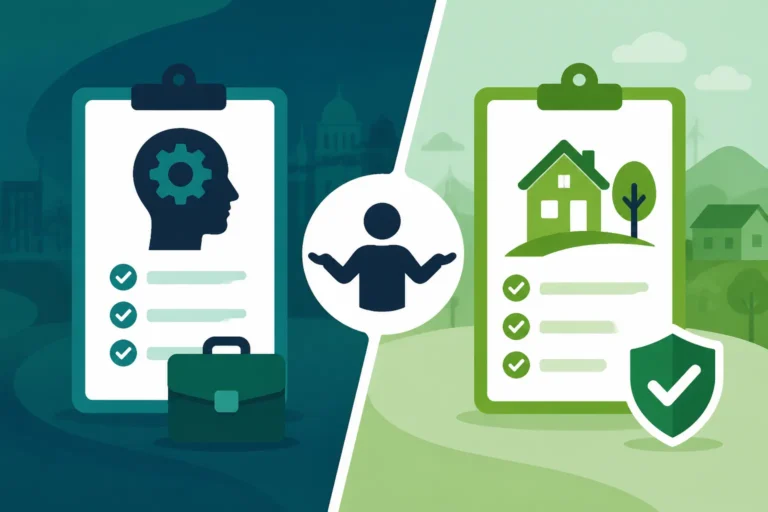
The two main types of employment permits you'll encounter as a skilled professional are the Critical Skills Employment Permit (CSEP) and the General Employment Permit (GEP). While both allow you to work in Ireland, their eligibility, benefits, and application processes differ significantly.
The Critical Skills Employment Permit is the golden ticket for many expats. It's specifically for those in highly sought-after occupations where there's a recognised shortage of qualified personnel in Ireland. Think IT professionals, engineers, certain healthcare roles, and scientists. If your job falls under the Critical Skills Occupations List, you're looking at a smoother path, generally higher salary thresholds (currently €38,000 for a limited list of strategic roles or €64,000 for all other critical skills occupations), and a faster route to long-term residency. One of the huge advantages here is that there's no Labour Market Needs Test required for the employer, which means your prospective company doesn't have to prove they couldn't find an Irish or EEA national for the role. Plus, your family members can apply for dependent permits much more readily.
On the other hand, the General Employment Permit covers occupations that aren't on the Critical Skills list but are still needed within the Irish economy. For these roles, there's usually a minimum annual remuneration requirement of €30,000. Crucially, employers typically need to perform a Labour Market Needs Test. This means they must advertise the position on JobsIreland.ie and in a national newspaper for a specified period to demonstrate that no suitable candidate from Ireland or the European Economic Area (EEA) could be found. This can add time and complexity to the process. If you're pondering which permit category your potential role falls into, it's worth checking the detailed information available on How to Get an Employment Permit to Work in Ireland (2026).
Essential Eligibility Criteria You Must Meet
Regardless of whether you're aiming for a Critical Skills or General Employment Permit, there are fundamental criteria that both you, the applicant, and your prospective employer must satisfy. Let's start with you. You need a valid job offer from an eligible Irish employer for a specific role. This isn't just a casual chat; it needs to be a formal offer, usually in writing, outlining your salary, duties, and terms of employment. Your qualifications and experience must directly match the requirements of the job, and you'll typically need to demonstrate this with degree certificates, professional qualifications, and detailed CVs.
From the employer's side, they must be registered with the Revenue Commissioners and the Companies Registration Office, and be actively trading in Ireland. They cannot be an 'undeclared employer' or be operating outside of normal business practices. For General Employment Permits, as mentioned, the Labour Market Needs Test is a critical hurdle. This involves specific advertising requirements to ensure local workers are given priority. Employers often find this aspect quite rigorous, but it's a non-negotiable step. Understanding the Salary Thresholds for Employment Permits in Ireland is also paramount, as falling below the specified minimum for your permit type will lead to an automatic refusal.
The Step-by-Step Application Process for Your Employment Permit
So, you've figured out which permit applies to you, and your employer is on board. Now comes the nitty-gritty: the application itself. This is where meticulous attention to detail truly pays off. Rushing this stage often leads to frustrating delays or even refusal.
Gathering Your Documents: The Paperwork Gauntlet
The phrase "paperwork gauntlet" isn't an exaggeration here. The Department of Enterprise, Trade and Employment requires a comprehensive set of documents to support your application. This includes, but isn't limited to:
- Your Passport: A copy of your current, valid passport showing all personal details and any previous Irish visas or immigration stamps.
- Job Offer Letter: A formal letter from your prospective employer, on company letterhead, detailing your job title, duties, start date, salary, and the duration of the contract. This letter needs to be very specific and match the information on your application form.
- Qualifications: Certified copies of your educational qualifications (degrees, diplomas, professional certifications) relevant to the job. If these are not in English, you'll need certified translations.
- Curriculum Vitae (CV): A detailed CV outlining your work history and skills. Ensure there are no gaps or discrepancies that could raise questions.
- Employer Details: Information about your employer, including their registration numbers, business address, and contact person.
- For General Employment Permits Only: Evidence of the Labour Market Needs Test, such as copies of job advertisements, where and when they were published, and any recruitment efforts made.
This stage can feel overwhelming. My advice? Start early. Get your documents in order, translated, and certified well in advance. If you're bringing family, you'll also need their passports, birth certificates, and marriage certificates, again, with certified translations if applicable. Getting your documents Apostilled for Irish Immigration is often a requirement, depending on your country of origin, so look into this early.
Submitting Your Application: Online vs. Paper
Almost all employment permit applications are now processed through the Employment Permits Online System (EPOS). This is fantastic for tracking and efficiency, but it means you need to be comfortable with online forms and uploading documents. The EPOS portal is where you'll create an account, fill out the application form, upload all your supporting documents, and pay the application fee.
The application fee for an employment permit is currently €1,000 for a permit of up to two years, and €500 for a permit of six months or less. This fee is typically paid by the employer, though some arrangements may vary. Make sure you have a valid credit or debit card ready for payment.
Once submitted, your application enters the queue. Processing times can vary greatly depending on the type of permit and the volume of applications. While the Department of Enterprise, Trade and Employment provides estimated processing times on their website, it's always wise to add a buffer. I've seen applications fly through and others take what feels like an eternity. Patience, unfortunately, is a virtue here. For detailed insights into the different permit types, make sure to read The Expat Guide to the Critical Skills Employment Permit in Ireland (2026).
What Happens After You Apply: Waiting, Approval, and Next Steps
The waiting game post-application can be stressful, but understanding the process that unfolds can help manage expectations and allow you to plan your next moves.
Navigating the Waiting Period and Potential Queries
After you submit your application online, you'll receive an acknowledgement. This just means they've got it. Don't expect daily updates! The Department aims to process applications as efficiently as possible, but delays can and do happen. It's not uncommon for them to send a "request for further information" (RFI) if something in your application isn't clear or if a document is missing. This is why being meticulous in your initial submission is so important. If you receive an RFI, respond promptly and comprehensively. Any delays on your part will further extend the processing time.
While you're waiting, resist the urge to constantly contact them unless there's a significant, unexplained delay beyond their published processing times. They do have a dedicated email for permit queries, but it's best to use it sparingly. This period is a good time to start thinking about other aspects of your move. For instance, if your permit is approved, you'll soon need to think about shipping your belongings. Companies like Sirelo offer comprehensive services that can help you plan and execute your move efficiently, saving you a lot of headache when the time comes.
From Approval to IRP Card: Your Journey to Working in Ireland
If your application is successful, you'll receive a 'Letter of Offer' from the Department of Enterprise, Trade and Employment. This is NOT your visa or permission to enter Ireland (if you're a visa-required national) or your IRP card. It's official confirmation that your employment permit has been approved.
For visa-required nationals: The Letter of Offer is what you'll use to apply for your D-type (long stay) entry visa with the Irish Naturalisation and Immigration Service (INIS). This is another separate application process, so factor in that time. You cannot enter Ireland on a tourist visa with the intention of activating your employment permit; you must have the correct long-stay visa.
Once you arrive in Ireland (either visa-free or with your D-type visa), the final step to formalise your residency and work permission is to register with the Immigration Service Delivery (ISD). This is where you'll get your Irish Residence Permit (IRP) card. You'll need to book an appointment, often weeks or months in advance, at your local immigration office (Garda National Immigration Bureau in Dublin or your local Garda station for non-Dublin residents). At this appointment, you'll present your Letter of Offer, passport, and proof of address in Ireland, and you'll typically pay a registration fee. This is a critical step in The Complete Guide to the IRP Card and Registering with Immigration (2026) process. Your IRP card will reflect your immigration 'Stamp' (likely a Stamp 1 for an employment permit holder), which officially grants you permission to reside and work here.
Common Pitfalls and Expert Tips for a Smooth Application
It's easy to get lost in the details, and honestly, the system can be a bit of a maze. But a little foresight and knowing what to look out for can save you a lot of grief.
Avoiding Common Application Mistakes
One of the biggest pitfalls is incomplete documentation. I've heard countless stories of people having their applications delayed because a copy wasn't certified, a translation was missing, or the job offer letter didn't contain all the required details. Double-check everything against the official checklist provided by the Department. Don't assume.
Another common mistake is not fully understanding the salary thresholds or the occupations lists. These lists are dynamic and can be updated. What was a critical skill last year might not be this year, or the salary requirement might have increased. Always refer to the most current information. If your role isn't explicitly on the Critical Skills list, and your employer hasn't completed the Labour Market Needs Test, your General Employment Permit application will almost certainly be refused. It's also vital that the job duties and your qualifications genuinely align; a superficial match won't pass scrutiny. For comprehensive details on the system, check out Understanding the Irish Immigration Stamp System (Stamp 1, 2, 4) (2026).
Planning Your Move: Beyond the Permit
Securing your employment permit is a massive achievement, but it's just one piece of the puzzle for your move to Ireland. Once that permit is in hand, you'll need to think about practicalities that make your life here liveable.
First, housing. The rental market, especially in cities like Dublin, can be competitive. Start looking early, and be prepared for viewings and applications. Take a look at The Complete Guide to Renting a Home in Ireland (2026) for invaluable tips. Then there's setting up your finances. You'll need to open an Irish bank account, and this often requires proof of address. Having your IRP card and employer letter will help, but some banks can be particular about initial documentation. The Expat Guide to Opening a Bank Account in Ireland can help streamline this process.
Don't forget healthcare! Ireland has a mixed public and private system, and understanding how it works is crucial. While you'll contribute to the public system through taxes, many expats opt for private health insurance for faster access to specialists and a wider choice of hospitals. Providers like Cigna Global offer excellent international health insurance options tailored for expats, ensuring you have peace of mind from day one. It's wise to research your options before you arrive. For a deeper dive into healthcare, The Complete Guide to Healthcare in Ireland for Expats (2026) is a must-read.
Finally, integrating into Irish life means getting your PPS number (Personal Public Service Number), which is essential for employment, tax, and accessing public services. You'll also need to consider things like transport, schools if you have children, and generally settling into your new community. The Complete Guide to Moving to Ireland: Your First 90 Days (2026) offers a fantastic roadmap for these initial, crucial steps. Remember, the journey here is as much about the destination as it is about navigating the process.
Disclaimer
The information provided in this guide is for general informational purposes only and does not constitute legal or immigration advice. While every effort has been made to ensure accuracy, regulations and procedures in Ireland can change. It is always recommended to consult the official websites of the Irish Department of Enterprise, Trade and Employment, and the Irish Naturalisation and Immigration Service (INIS) for the most up-to-date and specific guidance relevant to your individual circumstances. Professional legal advice should be sought for complex cases.