Can I Handle My Irish Immigration Application Without a Solicitor?
Navigating Ireland's immigration system can feel like trying to untangle a ball of yarn after a particularly enthusiastic kitten got to it – complicated, frustrating, and prone to creating more knots than solutions. Many expats wonder if they truly need a solicitor or if they can brave the labyrinth of applications alone. This guide aims to pull back the curtain on the DIY approach, offering a realistic look at handling your Irish immigration application without professional legal assistance.
Understanding the Irish Immigration Process: A DIY Reality Check
When you first arrive in Ireland, whether for work, study, or family, the sheer volume of information from the Immigration Service Delivery (ISD) can be overwhelming. While the idea of saving money by handling your application yourself is tempting, it’s crucial to understand the complexities involved. Ireland's immigration system, like many, is designed with specific legal frameworks and procedural requirements that aren't always immediately obvious to the untrained eye.
The DIY path means becoming your own legal expert, pouring over official guidelines, and meticulously ensuring every detail aligns with current regulations. It requires a significant time investment and a keen eye for detail, as even minor errors can lead to delays or outright rejections. Think of it like assembling flat-pack furniture without instructions – possible, but far more prone to wobbles and missing pieces. For a broader overview, you might want to read The Complete Guide to Irish Visas and Immigration Permission for Expats (2027).
The Common Pitfalls of Self-Application
One of the biggest traps people fall into when going it alone is underestimating the legal nuances. Immigration law isn't just about filling out forms; it's about understanding the intent behind the questions, the evidence required to substantiate your claims, and the implications of certain answers. For instance, the difference between a "long-stay visa" and an "immigration permission" might seem semantic, but it has profound legal consequences for your stay and future in Ireland. Missing a single piece of required documentation, or submitting it in the wrong format, is a common reason for applications being returned. These delays can be incredibly stressful, especially if your current visa is nearing expiry or if you have an urgent need to travel.
Another frequent pitfall is misinterpreting eligibility criteria. Sometimes, the language used in official documents can be vague or open to multiple interpretations. Without legal training, you might mistakenly believe you meet a certain criterion when, in fact, you don't. This can lead to applying for the wrong visa type altogether, wasting time, effort, and application fees. Furthermore, the immigration landscape in Ireland is subject to change. Regulations can be updated, new schemes introduced, or existing rules modified. Staying abreast of these changes requires constant vigilance, which can be a full-time job in itself, particularly when you're also trying to settle into a new country.
When a Solicitor Becomes Indispensable
While many straightforward applications can be handled independently, there are definitive scenarios where bringing in a solicitor isn't just helpful, it's pretty much indispensable. Any situation involving complex personal circumstances immediately flags as needing expert help. For example, if you have a prior immigration history in another country that wasn't entirely smooth, or if you've had previous visa rejections, a solicitor can help you present your case effectively and address potential red flags.
Family reunification applications, especially those involving children or partners who are not straightforward spouses, often require a solicitor's touch. The rules for Family Reunification in Ireland: Bringing Your Spouse and Children (2027) can be particularly intricate, with strict income thresholds and proof of relationship requirements. Cases involving medical issues, criminal records (even minor ones from years ago), or any departure from the standard application process also benefit immensely from legal guidance. A solicitor can articulate the legal arguments in your favour, cite relevant precedents, and communicate with the ISD on your behalf, often speeding up a process that would otherwise be mired in bureaucratic back-and-forth. If you're looking at something like a Critical Skills Employment Permit, the requirements can be precise, and a solicitor ensures you hit every mark.
Navigating the Immigration Service Delivery ISD Portal and Paperwork
The Immigration Service Delivery (ISD) is the main body responsible for immigration matters in Ireland. Their website is your primary resource, and it’s where you'll find application forms, guidance documents, and portals for online applications. While comprehensive, the sheer volume of information can be intimidating, and sometimes, finding the exact piece of information you need feels like a treasure hunt.
Most applications now involve an online component through the ISD portal, often followed by submitting physical documentation. This dual process requires meticulous organisation. You'll need to create an account, fill out digital forms, upload scans of documents, and then potentially mail original or certified copies. It’s a multi-stage process that leaves ample room for error if you're not careful. Preparing for this means ensuring you have reliable internet access and access to a scanner, printer, and often, a good postal service. And before you even begin, make sure you understand Understanding How to Move to Ireland Legally from Abroad (2027).
Deciphering Forms and Document Requirements
Irish immigration forms are detailed, asking for everything from your grandmother's maiden name to your entire travel history. Each question is there for a reason, and providing incomplete or inconsistent information can raise red flags. A common mistake is leaving sections blank because they don't seem relevant, when in reality, a 'not applicable' or a brief explanation is expected. The instructions for each form are usually provided, but they often refer to other documents or legal definitions, creating a chain of reading that can become quite long.
The list of required supporting documents is equally demanding. You might need your passport, birth certificate, marriage certificate, proof of address, bank statements, employment contracts, educational qualifications, police clearance certificates, and health insurance. Each document often needs to meet specific criteria: certified copies, official translations, or apostilles. For instance, if you're applying for an Employment Permit to Work in Ireland (2026), you’ll need a letter from your employer with very specific details. Overlooking even a small requirement for a single document can lead to your entire application being put on hold, sometimes for months. My advice is to create a checklist for yourself based on the official guidelines and tick off each item only when it perfectly matches the requirement.
Understanding Different Visa and Permit Types
Ireland offers a range of visa and immigration permissions, each designed for specific purposes and with its own set of rules. You have various stamps, like Stamp 1 for employment, Stamp 2 for students, and Stamp 4 for those with long-term residency. Choosing the correct one is paramount. For instance, if you're coming to Ireland for a highly skilled role, you'd likely be looking at the Critical Skills Employment Permit in Ireland (2026). Each permit has specific salary thresholds, eligible occupations, and processing times.
The key is to understand your specific circumstances and match them accurately to the available options. Are you a student? A skilled worker? Joining a family member? Each path has different requirements for entry and for extending your stay. The consequences of applying for the wrong type can range from a simple rejection to more serious issues like overstaying your permitted time in the country, which can impact future applications. Take your time to research which category applies to you, perhaps by consulting a resource like Understanding the Irish Immigration Stamp System (Stamp 1, 2, 4) (2027). Remember, once you arrive, you’ll also need to register your permission and get your Irish Residence Permit (IRP) card. For more on that, see The Complete Guide to the IRP Card and Registering with Immigration (2027).
Essential Resources for DIY Immigration in Ireland
Going it alone doesn't mean you're truly alone. There's a wealth of information out there, provided you know where to look and how to discern reliable sources from outdated or incorrect advice. Your best friend in this process will be official government websites, but there are also valuable community resources that can offer practical, real-world insights.
Keeping all your documents organised and secure is non-negotiable. Invest in a good filing system, both physical and digital. Scan every document and save it in a clearly labelled folder on your computer, backed up to a cloud service. Keep original documents in a fireproof safe. The moving process itself can be a huge undertaking, so think about reliable moving services like Sirelo to help get your life across the sea while you focus on the paperwork.
Online Tools and Official Guidelines
The official website for the Immigration Service Delivery (ISD) is the absolute cornerstone of your DIY efforts. It's where you'll find the most up-to-date forms, policy documents, and application guides. Make sure you are always referring to the current versions of these documents, as they are updated periodically. The ISD website also provides information on How to Register for an IRP Card with Immigration in Ireland and explanations of various visa types. Bookmark relevant pages and check them regularly.
Beyond the ISD, other government websites like Citizens Information and Revenue.ie can provide supplementary information, especially regarding social welfare entitlements, tax implications, and general advice for living in Ireland. While not directly immigration-focused, understanding these aspects can provide context or clarify requirements mentioned in immigration documents. Many people also find that sites like Gov.ie, which covers broader government services, can offer clarity on specific terms or processes. It’s about cross-referencing information to build a complete picture.
Community Support and Peer Advice
Expat forums and social media groups dedicated to living in Ireland can be incredibly useful. These communities are filled with people who have gone through the exact same immigration process you are facing, and they often share tips, experiences, and advice. Searching these groups for answers to specific questions can save you a lot of time and provide a different perspective than official guidance. However, a huge caveat here: always take peer advice with a grain of salt. While well-intentioned, individual experiences can vary, and what worked for one person might not apply to your unique situation or might be based on outdated information. Always cross-reference any advice with official sources.
When connecting with others, focus on seeking practical tips, such as how they organised their documents, what kind of cover letter they wrote, or where they got their certified translations. It’s also a good place to vent frustrations and find solidarity, as the immigration journey can be isolating. Just remember, these groups are not a substitute for legal advice, but rather a support network and a source of anecdotal experiences that can complement your official research. Sometimes, seeing others successfully navigate the system on their own can be the encouragement you need.
Weighing the Costs: DIY vs. Professional Help
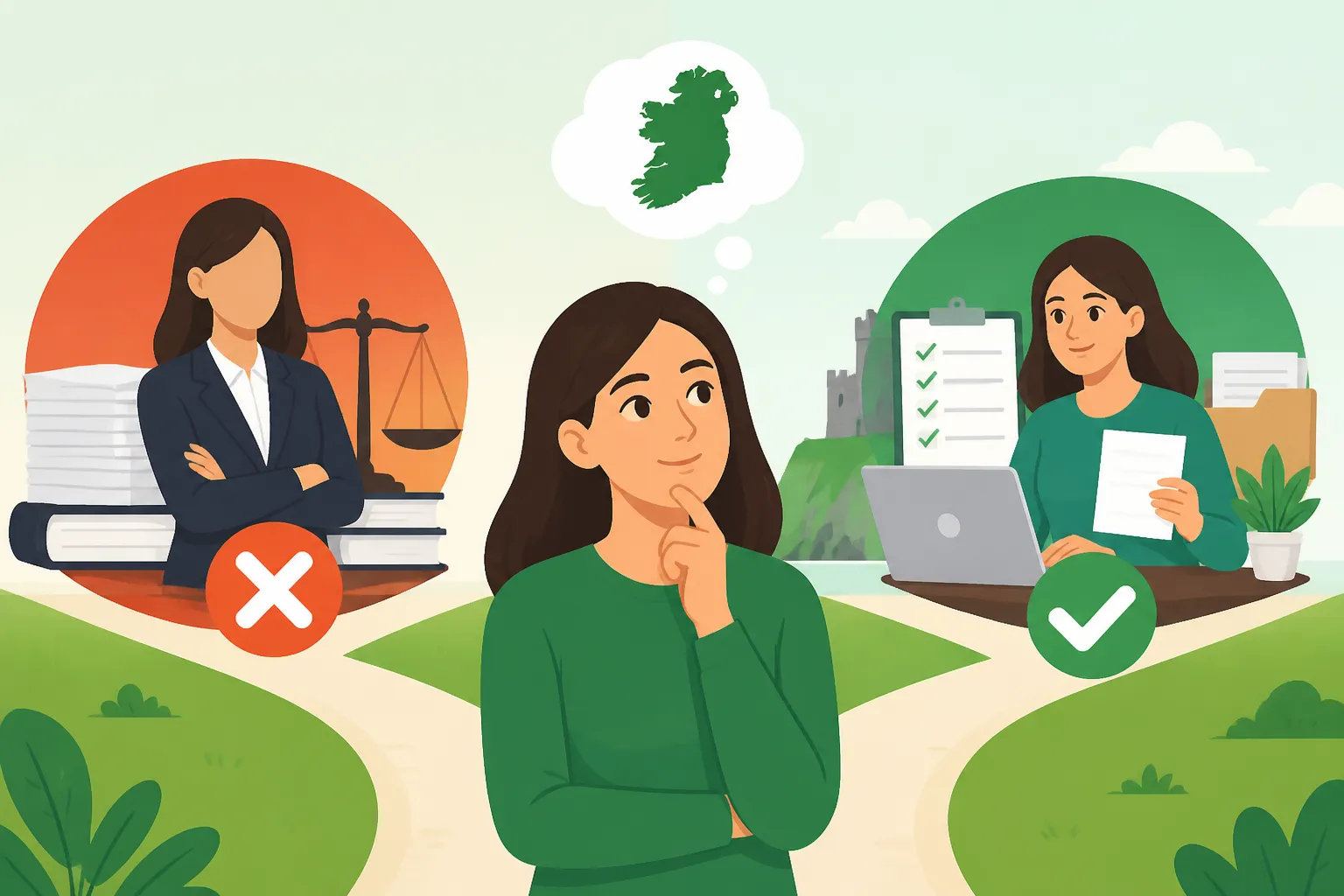
Deciding whether to hire a solicitor often boils down to a cost-benefit analysis. On one hand, legal fees can be substantial, making the DIY route financially appealing. On the other hand, a rejected application or a prolonged delay due to errors can cost you far more in terms of time, stress, and even lost income or opportunities. Understanding the full scope of potential costs, both financial and intangible, is crucial for making an informed decision.
Consider the potential for unexpected expenses, too. If your application is rejected, you might lose the initial application fee, and then face additional costs if you have to reapply or appeal. There's also the financial pressure if your ability to work is impacted by immigration delays. Moreover, in Ireland, having appropriate health coverage is often a visa requirement, so factor in the cost of a robust plan from providers like Cigna Global, whether you go solo or with legal help.
Calculating the Financial and Time Investment
The financial cost of a DIY application primarily includes the application fees (which can vary significantly depending on the type of visa or permit), the cost of obtaining certified copies of documents, official translations, courier services for sending applications, and potentially travel costs for appointments at immigration offices. These can add up, but they are generally less than a solicitor's fee. For example, a standard employment permit application fee is currently €1,000 for a two-year permit. You also need to consider the cost of Understanding the Cost and Timeline of the Immigration Process in Ireland more broadly.
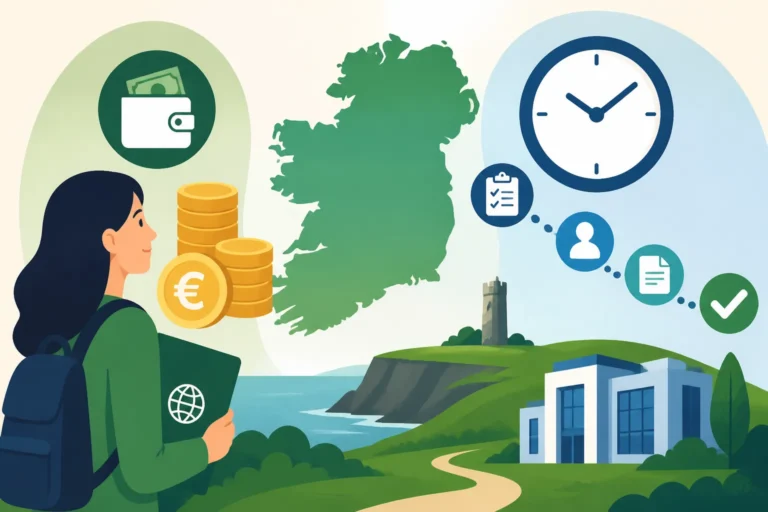
However, the hidden cost is time. Preparing a thorough immigration application can consume dozens, if not hundreds, of hours. This includes researching regulations, gathering documents, filling out forms, writing cover letters, and liaising with various entities (employers, previous institutions, etc.). If you're working full-time or have significant family commitments, this time investment can be a huge burden. For those whose time is limited or whose income would suffer from such a distraction, a solicitor might be a more cost-effective choice in the long run.
The Value of Peace of Mind
Ultimately, the decision to handle your Irish immigration application yourself or seek professional help often comes down to personal comfort and the value you place on peace of mind. For some, the satisfaction of successfully navigating the system independently is worth the effort and stress. For others, the complex, high-stakes nature of immigration means that outsourcing the worry to an expert is invaluable.
A solicitor brings not just legal expertise but also experience. They know the common pitfalls, the exact wording to use, and how to present a case in the most favourable light. They can anticipate issues before they arise and proactively address them. Knowing that an experienced professional is handling your application, scrutinising every detail, and advising you on the best course of action can significantly reduce anxiety. While it comes with a price tag, the psychological relief and increased confidence in a positive outcome can be well worth the investment, particularly if your situation is anything less than perfectly straightforward.
Disclaimer
The information provided in this guide is intended for general informational purposes only and does not constitute legal advice. Immigration laws and procedures in Ireland can be complex and are subject to change. While every effort has been made to ensure accuracy, the author is not a legal professional, and this content should not be used as a substitute for professional legal advice. Always consult with a qualified Irish immigration solicitor or the official Immigration Service Delivery (ISD) website for advice specific to your situation.