What Documents Do I Need to Open a Bank Account in Ireland?
Oh, trying to open a bank account in Ireland as a newcomer? I've been there, staring blankly at forms, wondering why something so seemingly simple could feel like unlocking a secret ancient vault. It's a rite of passage for every expat, filled with moments of utter frustration. This guide is here to walk you through the labyrinth of paperwork, making sure you know exactly what documents you need to successfully open a bank account and start your financial life in the Emerald Isle.
The Gauntlet: Why Opening an Irish Bank Account Can Feel Like a Quest
Let's be real, the moment you land in Ireland, you're hit with a barrage of administrative tasks, and opening a bank account is right up there with getting your PPSN and finding a place to live. It often feels like you need an Irish bank account to prove you live here, but you can't get an Irish bank account without proving you live here. It's a classic catch-22 that drives perfectly sane people to distraction. Many expats arrive with high hopes, only to be met with stern faces at bank counters and a long list of requirements they simply haven't had the chance to accumulate yet.
Understanding KYC and Anti-Money Laundering Laws
The strictness isn't just to make our lives difficult, though it often feels that way! Irish banks, like financial institutions globally, operate under stringent "Know Your Customer" (KYC) regulations and anti-money laundering (AML) laws. These are designed to prevent financial crime, terrorism financing, and identity theft. For a country like Ireland, which has a significant international population and acts as a financial hub, these regulations are particularly robust. Banks are legally obliged to verify the identity and residential address of every single customer, leaving very little room for flexibility, especially when dealing with someone who doesn't have an established footprint in the country. This means they need official, verifiable documents – not just a handshake and a charming smile.
The "Chicken and Egg" of Irish Residency
This is the big one, isn't it? You need an address to get a bank account, but often the utility bills that serve as proof of address aren't in your name until you have a bank account or have been living somewhere for a while. Imagine, you've just moved into your new rental, buzzing with excitement, ready to sort out your finances, only to be told your signed lease isn't quite enough without a utility bill. But how do you get a utility bill in your name if you've just moved in and haven't set up direct debits from an Irish account? It's a frustrating loop that many of us have been caught in. You're trying to build your life, but the very tools you need to do so are just out of reach because you haven't yet proven you fully exist within the system.
The Absolutely Non-Negotiable Documents You'll Need
When you finally get that appointment with AIB or Bank of Ireland, these are the documents you'll be expected to present. Do not, and I repeat, do NOT show up without them, or you'll be sent packing faster than you can say "fáilte."
Ironclad Proof of Identity
This is probably the easiest one, but still critical. Banks need to confirm you are who you say you are. They're looking for official, government-issued identification with a photograph.
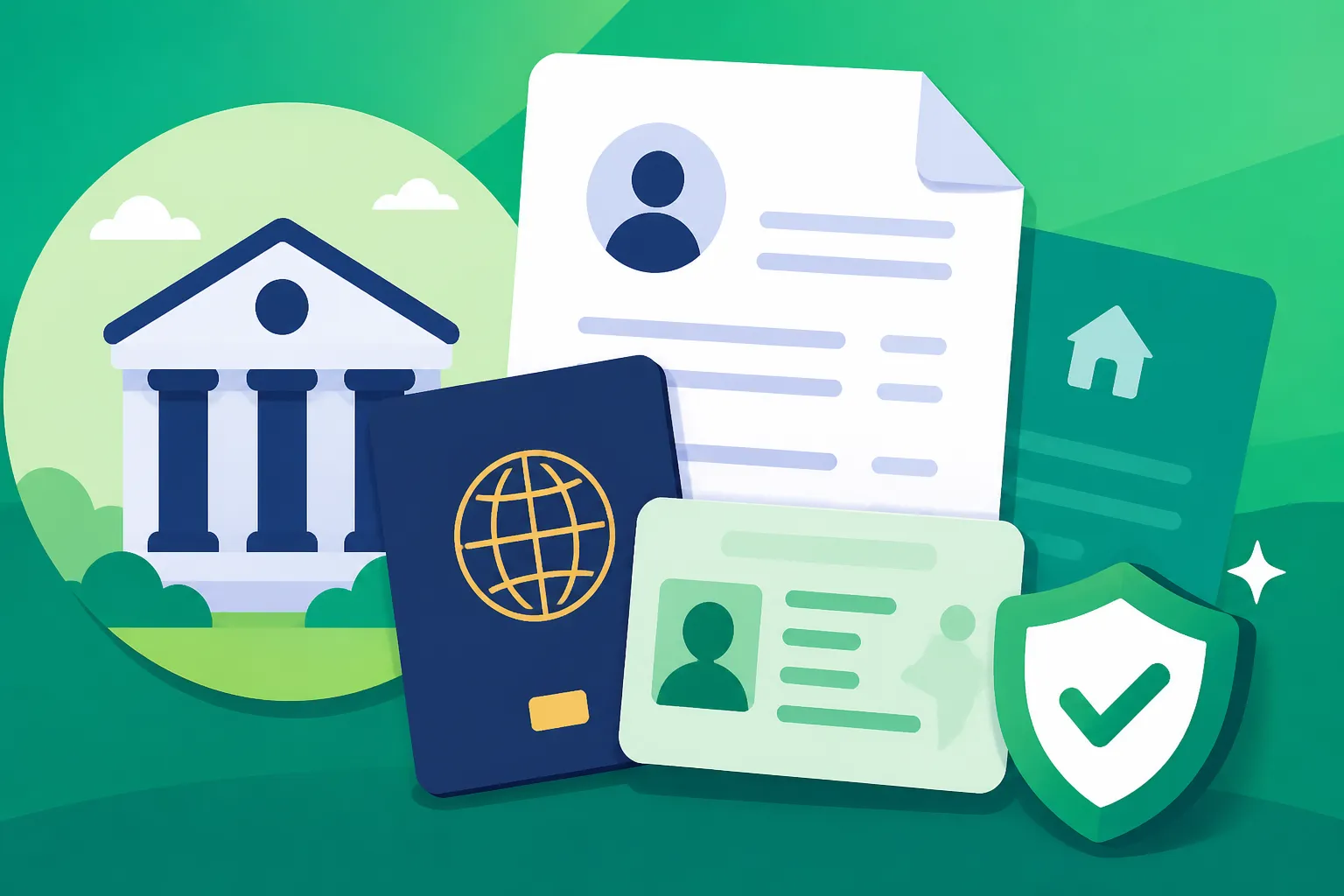
- Your Passport: This is the gold standard, folks. A valid passport from your home country, with at least six months' validity remaining, is almost universally accepted. It clearly shows your photo, full name, date of birth, place of birth, and nationality. Make sure it’s not expired, as that’s an immediate red flag for any financial institution. It’s always a good idea to bring your physical passport, not just a photocopy, even if you’ve been told a copy might suffice, because they’ll often need to scan it or verify security features.
- National Identity Card (for EU/EEA Citizens): If you're from an EU/EEA country, your national ID card will typically serve as sufficient proof of identity. Again, ensure it’s valid and unexpired. Like passports, these cards are recognised across the EU and generally carry the same weight as a passport in an Irish bank.
- Irish Driving Licence: If you’ve managed to exchange your foreign driving licence for an Irish one, or obtained one from scratch, this can also work. However, for initial account opening as a new arrival, your foreign driving licence is usually not accepted as primary ID. It might be useful as a supplementary document, but not as the main proof of identity for most banks. You'll need to know How to Exchange Your Foreign Driving Licence in Ireland eventually, but it won't help you much here at first.
The key here is that the document must be current, original (no photocopies for initial verification!), and easily verifiable by the bank's staff.
The Elusive Proof of Irish Address
Ah, the holy grail. This is where most expats stumble. Banks need concrete proof that you physically reside at an Irish address. And no, a letter from your best mate saying you're crashing on their couch won't cut it. This document needs to be official, recent, and ideally bear your name and the Irish address you're providing.
- Utility Bill: This is traditionally the most widely accepted form of address proof. We're talking about electricity, gas, or landline phone bills. Crucially, it must be less than 3-6 months old, show your name, and clearly state your Irish residential address. Mobile phone bills are almost never accepted as they're not tied to a physical property. If you've just moved into a place, getting a utility bill in your name can take a few weeks or even months, especially if you're waiting for the previous tenant's account to be closed. For those setting up utilities for the first time, check out The Expat Guide to Setting Up Utilities (Electricity, Gas, Water) in Ireland to get ahead of the game.
- Rental Agreement/Lease: A formal tenancy agreement or lease for your current Irish residence can often be accepted, especially if it's stamped by the Residential Tenancies Board (RTB) or from a registered letting agency. It needs to be signed by both you and the landlord/agent, and clearly show the full address, start date, and your name. Sometimes, banks may ask for a secondary proof alongside it, or a utility bill even if you present a lease. Be aware that informal subletting agreements might not be deemed sufficient.
- Official Correspondence from an Irish Government Department: This is often the saviour for new arrivals! Once you've secured your PPS Number (which you absolutely need to do first), you'll receive official letters from the Department of Social Protection or Revenue (Ireland's tax authority). These letters, addressed to your Irish residence and less than 6 months old, are usually excellent proof of address. So, before you even think about the bank, make sure you've started the process to How to Register for Tax and Get a PPS Number in Ireland. Getting that PPSN letter in the post is a huge step! Similarly, any official correspondence from the Immigration Service Delivery (ISD) could also work, as it confirms your presence and address for immigration purposes.
- Bank Statement from Another Irish Financial Institution: If you've already managed to open an account with a digital bank like Revolut or N26 (more on those later) and have received a physical statement by post, this can sometimes be used. However, it's a bit of a circular reference if you're trying to open your first Irish account.
- Letter from Your Employer: Some, but not all, banks might accept a formal letter from your Irish employer on company letterhead. This letter needs to confirm your employment, start date, and state your current Irish residential address. It's not always guaranteed, so treat this as a potential backup rather than your primary proof.
The trick with proof of address is ensuring consistency. The name and address on your proof of identity must exactly match the name and address on your proof of address. Any discrepancies can cause delays or outright rejection.
Your Crucial PPS Number (Personal Public Service Number)
Your PPSN is your unique identifier for all social welfare and tax purposes in Ireland, and it's also a fundamental requirement for opening a bank account. Banks need this for tax reporting (DIRT – Deposit Interest Retention Tax) and to verify your identity within the Irish system.
- PPS Card: If you have one, this is the simplest way to prove your PPSN.
- Official Letter from the Department of Social Protection or Revenue: As mentioned above, the letter you receive confirming your PPSN is perfectly acceptable. Keep this safe, as it’s a gold mine for administrative tasks.
- Payslip: A recent payslip from an Irish employer, showing your PPSN, can also be used as proof. This assumes you've started working and been paid, which might not be the case right when you're trying to open an account.
Without a valid PPSN, you’ll hit a brick wall. So, step one for many expats, even before thinking about banking, is ensuring you've applied for and received your PPSN. It’s absolutely essential for getting your financial life in order in Ireland, and you can learn more about it in How Do I Get a PPS Number in Ireland?.
Additional Documents and Considerations
While the above are the bare minimum, having a few extra documents in your arsenal can significantly smooth the application process. Think of these as your "bonus points" that demonstrate your serious intent and stability.
Evidence of Your Financial Footing
Banks appreciate knowing you’re not just passing through and that you have a legitimate reason for opening an account. This is particularly true if you’re trying to set up more than a basic current account.
- Letter from Your Employer (Detailed): Beyond just confirming your address, a comprehensive letter from your Irish employer stating your position, salary, and employment start date can be very helpful. It shows the bank you have a steady income stream and are financially viable. This is especially useful if your initial proof of address documents are a bit weak or you're looking for additional banking products like loans or credit cards down the line. Setting up your finances for a new job is key, and understanding How the Irish Tax System (Revenue) Works: PAYE, PRSI and USC Explained (2027) will be crucial.
- Student Acceptance Letter: If you’re here to study, a formal letter of acceptance from your Irish university or college, confirming your enrolment and course details, will be vital. Banks often have specific student accounts that cater to these needs, but they need to verify your student status.
- Proof of Funds/Source of Wealth: For larger transfers or certain types of accounts, banks may ask for proof of the source of your funds. This could be a bank statement from your home country showing savings, or evidence of a sale of property. This is more common for individuals bringing significant capital into the country. Expats often need to consider various financial angles, and companies like Taxes for Expats specialise in helping those with international income streams understand their obligations in Ireland.
These documents paint a clearer picture of your financial standing and reduce perceived risk for the bank. They help establish trust when you're a blank slate in the Irish financial system.
The Value of a Reference from Your Home Bank
While not always a strict requirement, a letter of introduction or reference from your previous bank in your home country can be a pleasant surprise for Irish banks.
- What it Should Contain: This letter should ideally be on official bank letterhead, confirm your account history, state that you've been a customer in good standing for a certain period (e.g., 2+ years), and that your accounts were managed satisfactorily. It should also typically confirm your name and previous address.
- How it Helps: For some of the larger Irish banks, like Bank of Ireland or AIB, a solid reference can sometimes grease the wheels, particularly if you're struggling with one of the other proofs, or if you're trying to establish a more complex banking relationship from the outset. It essentially gives them an external verification of your financial responsibility, which is invaluable when you have no credit history in Ireland. It’s definitely worth asking your home bank for this before you move.
Navigating the Application Process and Alternative Solutions
Once you have your documents in hand, the next step is actually engaging with the banks. This isn't always as straightforward as walking in off the street.
Choosing Your Irish Banking Partner
Ireland has a few main retail banks that expats typically use:
- Bank of Ireland: One of the largest and oldest banks. They have a wide branch network and generally cater to all types of customers.
- AIB (Allied Irish Banks): Another major player, similar to Bank of Ireland in terms of services and reach.
- Permanent TSB (PTSB): A smaller but still significant bank with a good presence, often perceived as being a bit more customer-service focused by some.
It's advisable to check the websites of these banks or even call a local branch to confirm their specific requirements for new non-resident customers or recent arrivals. Requirements can sometimes vary slightly between branches or change over time. Many will insist on an in-person appointment for initial account opening. Prepare for potential waiting times for these appointments, especially in busy urban centres like Dublin or Cork.
When you go to your appointment, you'll fill out application forms, which will ask for all the details your documents confirm: your name, address, date of birth, PPSN, and contact information. Be prepared for a short "interview" where the bank official will ask about the purpose of your account, your employment status, and perhaps the expected volume of transactions. This is all part of their KYC process.
Embracing Digital Alternatives Like Wise
If the traditional banks are proving to be a headache, or you need a functional account fast, digital banking solutions can be a lifesaver. Companies like Wise (formerly TransferWise) offer multi-currency accounts that can provide you with Irish (or other European) bank details surprisingly quickly.
- Advantages:
- Easier Setup: Often, you can open an account online with just your passport and a selfie, and perhaps a simple proof of address (which might be less stringent than traditional banks).
- Speed: You can often have an account number and start receiving funds within days.
- Multi-currency Functionality: These accounts are fantastic for managing money in different currencies, making international transfers much cheaper and easier than traditional banks.
- Limitations:
- Not Always "Full" Irish Bank Account: While they provide an IBAN (International Bank Account Number), some digital accounts might not be recognised by all Irish institutions for all purposes (e.g., setting up certain government payments, or some employers might prefer traditional banks).
- No Physical Branches: You won't have a branch to walk into if you have a problem.
- Limited Services: They typically offer fewer services than traditional banks (no mortgages, complex loans, etc.).
Think of Wise or N26 as excellent bridging solutions. They can help you manage your money, receive your first salary, and make payments while you're still battling with the traditional banks for a full account. Many expats find them invaluable during their initial months. You can explore more about these options in How to Use Revolut, N26 and Digital Banks in Ireland.
Troubleshooting Common Expat Banking Hurdles
Even with all your documents lined up, it's not always smooth sailing. Here's how to tackle some of the most common snags.
When You Don't Have Traditional Proof of Address
This is the quintessential expat problem. You're staying in temporary accommodation, or subletting, or your utilities are still in the landlord's name. What then?
- Get Your PPSN First: Seriously, prioritise this. Once you receive that official letter from the Department of Social Protection or Revenue confirming your PPSN and address, you have a solid document. It's often the first official piece of mail with your name and Irish address that a new arrival gets.
- Employer Letter (Stronger Version): If your employer is a large, reputable company, ask them to write a very specific letter stating not just your employment but also confirming your residential address as provided to them, and that you are an employee on their Irish payroll. This can sometimes carry more weight.
- Check with Your Immigration Status: If you're on a visa, any official correspondence from Immigration Service Delivery (ISD) that confirms your Irish address as part of your registration or IRP card process can be incredibly useful. Understanding the Irish Immigration Stamp System (Stamp 1, 2, 4) (2027) is part of piecing together your official identity in Ireland.
- Persistence and Politeness: If one branch or bank says no, try another. Policies can sometimes be interpreted differently by individual staff members. Always remain polite and explain your situation clearly. Bring every single piece of paper you have that could possibly show your name and address.
Remember, the bank isn't trying to be difficult just for the craic (Irish for fun). They have strict rules to follow. Your job is to make it as easy as possible for them to say yes by providing as much official documentation as you can.
Building Your Financial Identity from Scratch
As a new expat, you essentially arrive with a blank slate in Ireland's financial system. You have no Irish credit history, no long-standing bank relationships, and perhaps no record of utility payments. This affects more than just opening a current account; it impacts your ability to get credit cards, loans, or even certain phone contracts later on.
- Start Simple: Focus on getting a basic current account first. Don't immediately try to apply for a credit card or overdraft, as you'll likely be refused due to lack of history.
- Establish Utility Payments: Once your bank account is open, set up direct debits for your utility bills (electricity, gas, internet). Paying these on time, in your own name, helps establish a payment history.
- Get a Phone Contract: A post-paid mobile phone contract can also help build a small record of consistent payments, though it won't directly impact your bank's credit decisions much.
- Consider a "Secured" Credit Card (Later On): After a year or so, if you're still struggling to get a credit card, some banks might offer a "secured" credit card where you deposit money as collateral. This helps you build a credit history responsibly.
Building a financial footprint takes time. Be patient, pay your bills on time, and gradually your financial identity in Ireland will solidify. It's all part of the journey of The Complete Guide to Moving to Ireland: Your First 90 Days (2027).
Summary of Key Documents
To make it easy, here's a quick checklist of the documents you'll almost certainly need to bring to your bank appointment. Always bring originals!
| Document Category | Specific Documents | Notes |
|---|---|---|
| Proof of Identity | Valid Passport | The most universally accepted. Ensure at least 6 months validity. |
| Valid EU/EEA National Identity Card | Acceptable for citizens from EU/EEA countries. | |
| Proof of Address | Utility Bill (electricity, gas, landline) | Must be in your name, less than 3-6 months old, and show your Irish address. Mobile phone bills are generally not accepted. |
| Formal Tenancy Agreement/Lease | Signed by both parties, with full Irish address and dates. May require RTB registration or be from a recognised letting agent. | |
| Official Letter from Irish Government Department (e.g., Revenue, Dept. of Social Protection) | Confirming your PPSN or other official correspondence to your Irish address, less than 6 months old. | |
| Letter from Irish Employer (on company letterhead) | Stating employment details and confirming your Irish residential address. Acceptance varies by bank. | |
| Proof of PPS Number | PPS Card | If you have one. |
| Official Letter from Department of Social Protection or Revenue | The letter you receive when your PPSN is issued. | |
| Recent Irish Payslip | Showing your PPSN and Irish address. | |
| Supplementary | Bank Reference Letter from previous country | On official letterhead, confirming good standing and account history. |
| Employment Contract / University Acceptance Letter | Provides further proof of your status in Ireland. |
Disclaimer
Please remember that banking policies and required documentation can change. While I strive to provide the most up-to-date and accurate information based on my experience and current understanding of the Irish financial landscape, it's always best practice to contact your chosen bank directly before your appointment to confirm their exact current requirements for opening an account as a new resident or expat. This guide is for informational purposes only and does not constitute financial or legal advice.