What Hospitals Accept Private Insurance in Dublin?
One of the biggest anxieties for anyone moving to Ireland, or even just visiting, is figuring out the healthcare system – and believe me, it’s a labyrinth at the best of times! When you've invested in private health insurance, the last thing you want is to show up at a hospital only to find out they don't accept your plan. This guide is here to untangle that knot, specifically for Dublin, so you know exactly which hospitals will welcome you and your private insurance with open arms.
Understanding Dublin's Hospital Landscape with Private Insurance
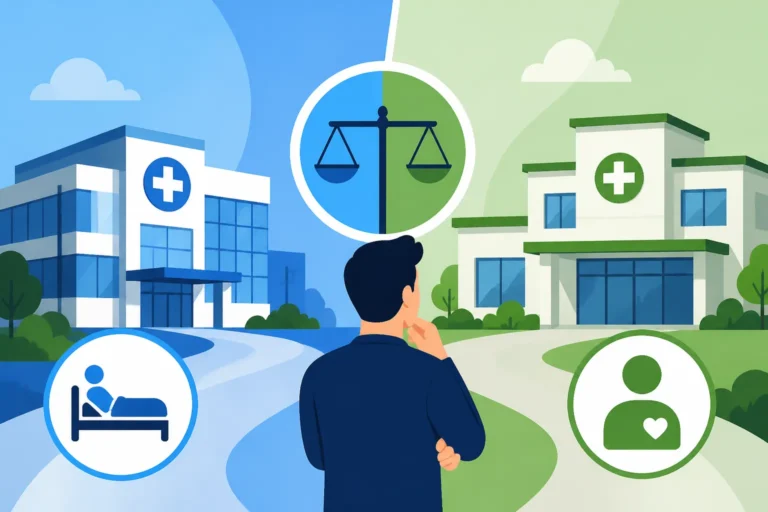
Alright, let's talk hospitals. Dublin's healthcare scene can be a bit of a head-scratcher because it operates on a mixed model. You’ve got public hospitals, which are the backbone of the Health Service Executive (HSE) system, and then you have dedicated private hospitals. What often catches expats off guard is that some public hospitals also have private wings or consultants who see private patients. It’s not always a clear-cut public-vs-private scenario, which just adds another layer of complexity to an already daunting system.
The key thing to grasp from the get-go is that if you have private health insurance, you generally have a wider choice of facilities and, often, quicker access to consultations and procedures. This is the whole point of having private cover, isn't it? To bypass some of those notoriously long public waiting lists. However, not every hospital is created equal in terms of private insurance acceptance, especially when it comes to the nitty-gritty of which plans they're aligned with.
The Dedicated Private Hospitals in Dublin
These are the facilities that primarily cater to privately insured or self-paying patients. They are purpose-built for those seeking private care, and as such, your private health insurance typically works very smoothly within their systems. Think of these as the 'go-to' places if you have comprehensive private cover and are looking for a more streamlined, often more comfortable, experience.
In Dublin, you'll hear names like the Beacon Hospital in Sandyford, the Mater Private Hospital on Eccles Street, the Blackrock Clinic in Blackrock, and the Hermitage Clinic in Lucan. These hospitals are well-known for their state-of-the-art facilities, private rooms (which are a huge bonus, trust me), and a focus on elective procedures and specialist care. Many expats find great comfort in these facilities because they often feel more akin to private hospitals in other Western countries. They are typically set up to handle direct billing with the major Irish health insurance providers like VHI, Laya Healthcare, and Irish Life Health, making the administrative side of things a bit less painful. When you're looking to understand how to leverage your policy for a smoother experience, delving into the specifics of How to Use Private Hospitals Like the Mater, Beacon and Blackrock in Ireland can be incredibly insightful. These institutions truly shine when you need specialist interventions or elective surgeries, providing an environment that prioritizes patient comfort and efficient scheduling.
It’s not just general care either. Dublin also boasts specialised private hospitals such as the Sports Surgery Clinic in Santry, which is renowned for its orthopaedic and sports injury expertise. If you're covered by private insurance and need, say, a knee operation or specialist physiotherapy, this is where you'd likely be directed. The experience is usually much faster than waiting for a public appointment, and the facilities are top-notch. For anyone needing to access advanced medical services, understanding How to Access Specialist Care Through Private Insurance in Ireland is absolutely crucial for navigating the system effectively.
Public Hospitals with Private Beds/Wings
Now, this is where it can get a little tricky, but it's important to understand. Many of Dublin's large public hospitals, which are run by the HSE, also have designated private facilities or consultants who see private patients within the public hospital setting. It’s not quite a separate hospital, but rather a different pathway within the same institution.
For example, St. Vincent's University Hospital in Donnybrook has a private wing, St. Vincent's Private Hospital, which is a separate entity but co-located and sharing some services. Similarly, the Mater Misericordiae University Hospital on Eccles Street has a private patient option, though it's distinct from the Mater Private Hospital located across the road. Other major public hospitals like Beaumont Hospital on the northside and Tallaght University Hospital in the southwest also have provisions for private patients, often in a semi-private or private room setting, and certainly with access to specific consultants on a private basis.
The advantage here is that you get access to the broader facilities and expertise of a large university hospital, which often includes highly specialized units or emergency services that might not be available in smaller, purely private hospitals. For example, if you need a very specific or rare surgical procedure, a public university hospital might be the only place with the necessary specialist equipment and teams, even if you’re being seen privately.
However, there can be drawbacks. Even when you’re a private patient within a public hospital, you might still experience some of the systemic pressures of the public system, particularly if complex, emergency situations arise that impact bed availability or theatre schedules. It's a bit of a hybrid experience, offering some of the benefits of private care (choice of consultant, better amenities) while still being intertwined with the public health infrastructure. This is why always confirming with the hospital's admissions department and your insurer about your specific care plan is paramount.
Navigating Your Private Health Insurance in Dublin
Alright, so you’ve got your private insurance, and you know there are hospitals that accept it. But actually using it? That’s another hurdle, and one that often causes a fair bit of head-scratching for us expats. The Irish system, while generally efficient once you're in it, loves its processes, and bypassing them often leads to frustration.
Key Private Health Insurance Providers and Their Networks
When you're dealing with private hospitals and private wings in Ireland, you'll primarily be interacting with one of the big three private health insurance providers: VHI, Laya Healthcare, and Irish Life Health. These companies dominate the market and have established direct billing agreements with virtually all private hospitals and private consultants across Dublin and the rest of the country.
Each insurer offers a dizzying array of plans, from basic hospital cover to comprehensive packages that include outpatient benefits, dental, and even optical. The level of cover you have will dictate which hospitals you can access without significant out-of-pocket expenses, the type of room you're entitled to (private, semi-private), and what percentage of consultant fees or procedure costs will be covered. This is why it’s absolutely critical to understand your specific policy documents inside out or, better yet, call your insurer directly before any major appointment or admission. They're the experts on your plan! If you’re still in the early stages of choosing a plan, reading Health Insurance in Ireland: VHI, Laya, Irish Life and Options Explained can really clarify your choices, and Understanding Private Health Insurance Plans in Ireland will help you decipher those confusing terms. For newcomers to the Emerald Isle, finding out How to Buy Private Health Insurance as a Newcomer in Ireland should be one of your first steps.
Now, you might be wondering about international health insurance plans, perhaps from providers like SafetyWing, which are often popular with digital nomads or short-term travellers. While fantastic for travel emergencies or basic global coverage, these might not always integrate seamlessly with the Irish private hospital system for long-term residency. Irish hospitals and consultants are primarily set up to deal with the major domestic insurers. If you have an international plan, you'll need to confirm very carefully if direct billing is possible or if you'll need to pay upfront and claim reimbursement, which can be a significant financial burden while waiting for funds to come through. Always clarify the specifics of your plan with the hospital before your visit.
The Referral Process and Pre-Authorisation
This is perhaps the single most important piece of advice I can give any expat using private insurance in Ireland: you almost always need a GP referral to see a specialist or be admitted to a private hospital for elective care. Unlike some systems where you might just pick up the phone and book an appointment with a dermatologist or orthopaedic surgeon, Ireland typically funnels you through your General Practitioner (GP) first.
Your GP acts as the gatekeeper, assessing your condition and referring you to the most appropriate specialist. This isn't just a formality; it ensures you see the right person and, crucially, it's often a prerequisite for your private health insurance to cover the costs. Many insurance policies will explicitly state that a GP referral is required for specialist consultations. If you bypass this, you could find yourself footing the entire bill. If you're not yet registered with a family doctor, checking out Registering with a GP in Ireland: The Complete Expat Guide (2027) is a great starting point, as this is your first port of call.
Once your GP refers you to a consultant, and before any hospital admission or major procedure, you must seek pre-authorisation from your private health insurance provider. This step cannot be skipped. Pre-authorisation is essentially your insurer confirming that the proposed treatment or admission is covered under your policy and agreeing to pay for it. The hospital will usually ask for this authorisation number before scheduling your procedure. Without it, the hospital may refuse to admit you as a private patient, or you could be liable for all charges. Understanding How Specialist and Consultant Referrals Work in Ireland is paramount to avoiding unexpected costs and delays.
It's a bureaucratic step, yes, and it can feel like a lot of hoops to jump through, but trust me, it saves you a world of pain and financial stress down the line. Always get that pre-authorisation in writing if you can, or at least note down the authorisation number and who you spoke to.
Practical Considerations and What to Expect
Even with private health insurance, navigating the practicalities of a hospital visit in Dublin can still throw a few curveballs your way. As an expat, it's easy to assume certain things based on your home country's system, but Ireland often has its own way of doing things. Being prepared means fewer surprises and a smoother experience.
Costs Beyond Insurance Coverage
While private health insurance covers a significant portion of your hospital and consultant fees, it's a common misconception that it covers everything. Unfortunately, that's rarely the case. You will almost certainly encounter some out-of-pocket expenses.
These can include:
- Policy Excesses: Many private health insurance plans have an "excess" – a fixed amount you pay towards a claim before your insurer starts to cover costs. This is usually per admission or per outpatient consultant visit.
- Shortfalls/Co-payments: For some procedures or consultant fees, your policy might only cover a percentage of the total cost, leaving you to pay the remainder. Consultant fees, in particular, can vary, and sometimes your insurance won't cover the full amount charged by a specific consultant, leading to a "shortfall."
- Non-Covered Treatments: Certain niche treatments, experimental therapies, or even some common services (like certain types of physiotherapy or mental health support) might not be fully covered, or at all, depending on your plan.
- Outpatient Fees: While your policy might cover inpatient stays fully, outpatient consultant visits often come with a separate excess or a limit on how many visits are covered per year.
- Prescription Medications: Generally, private health insurance does not cover the cost of prescription medications you pick up from a pharmacy after discharge. You'll use the public Drugs Payment Scheme (DPS) or pay the full cost, unless your plan has a specific outpatient pharmacy benefit.
Always confirm with your insurer exactly what your plan covers for the specific treatment you're undergoing. Don't be shy about asking for a breakdown of estimated costs from the hospital and consultant beforehand. Being financially prepared for these possibilities can make a huge difference, especially given The Cost of Healthcare in Ireland: A Complete Breakdown for Foreigners (2026) which can be quite steep for unexpected expenses.
Emergency Care and Private Insurance
This is a critical distinction, so listen closely: in a genuine emergency, you go to the nearest Accident & Emergency (A&E) department, which are located in public hospitals across Dublin. You do not, in that moment of crisis, ring your private hospital or insurer. Life-threatening situations override any insurance policy. The priority is immediate care, and Ireland's public A&E departments are where that care is delivered. You should know that Emergency Medical Care in Ireland: What Every Expat Needs to Know covers this in much greater detail.
Once you are stable and admitted to a public hospital, your private insurance may kick in if there's a private bed available in that hospital, or you might be transferred to a private facility if medically appropriate and your insurer approves. However, for the initial A&E visit itself, you will often be charged a standard A&E fee (€100, as of early 2024, subject to change) unless you are admitted as an inpatient or meet certain exemptions. Your private insurance might reimburse this fee, but you will likely pay it upfront. You'll find specific details if you check How Much Does an A&E Visit Cost in Ireland?.
For anyone, like those using SafetyWing for short-term travel or as a basic backup, it's crucial to understand that while such plans are excellent for covering emergency evacuations or immediate crises while abroad, they are not a substitute for comprehensive Irish private health insurance if you are residing here long-term. Always confirm the specific terms of your policy for emergency care, particularly if you're not on a full-fledged Irish private health insurance plan.
Preparing for Your Hospital Visit
Preparation is your best friend when navigating the Irish healthcare system. Before any planned hospital visit or admission, make sure you have the following ready:
- Your Private Health Insurance Card/Details: This sounds obvious, but you’d be surprised how often people forget. Have your policy number and, if applicable, your pre-authorisation number readily available.
- IRP Card and PPSN: Your Irish Residence Permit (IRP) card and Personal Public Service Number (PPSN) are essential for identification and administrative purposes.
- GP Referral Letter: Keep the original referral letter from your GP. The hospital will need this.
- List of Current Medications: Include dosages and how often you take them.
- Allergies: A clear list of any known allergies.
- Contact Information: For your next of kin and your GP.
When in doubt, always call the hospital's admissions or pre-admissions department a few days before your appointment. Ask them what documents you need, confirm your appointment, and double-check their billing procedures with your specific insurer. There are many options, and finding out How Do I Choose a Private Hospital in Dublin? is a smart move before you even make that first call. For a broader perspective on the entire system, taking a look at Public vs Private Healthcare in Ireland: Which Should Expats Choose? can also help you make informed decisions about your long-term health strategy in Ireland.
Here's a quick overview of some of Dublin's key private hospitals:
| Hospital Name | Primary Focus | Major Insurers Accepted | Location |
|---|---|---|---|
| Beacon Hospital | General acute, oncology, orthopaedics | VHI, Laya, Irish Life Health | Sandyford, Dublin |
| Mater Private Hospital | General acute, cardiology, cancer care | VHI, Laya, Irish Life Health | City Centre, Dublin |
| Blackrock Clinic | General acute, cardiology, orthopaedics | VHI, Laya, Irish Life Health | Blackrock, Dublin |
| Hermitage Clinic | General acute, orthopaedics, bariatrics | VHI, Laya, Irish Life Health | Lucan, Dublin |
| St. Vincent's Private Hospital | General acute, cancer, gastroenterology | VHI, Laya, Irish Life Health | Donnybrook, Dublin |
| Sports Surgery Clinic | Orthopaedics, sports medicine | VHI, Laya, Irish Life Health | Santry, Dublin |
Remember, this table is a general guide. Specific services and accepted plans can vary, so always confirm directly with the hospital and your insurer.
Navigating healthcare in a new country is never truly easy, but knowing which hospitals in Dublin accept private insurance, understanding the referral process, and being proactive with your insurer will significantly ease your journey. Don't be afraid to ask questions; it's your health, and you have every right to understand how it works here.
Disclaimer
The information provided in this article is intended for general guidance purposes only and does not constitute professional medical, legal, or financial advice. While every effort has been made to ensure accuracy, the healthcare system in Ireland, including insurance policies and hospital affiliations, can change frequently. Always consult directly with your health insurance provider, a medical professional, or relevant hospital administration for the most current and specific information pertaining to your individual circumstances.