What Is the Emergency Phone Number in Ireland?
Living in a new country like Ireland is full of exciting discoveries, from finding your favourite local pub to mastering the art of parallel parking on narrow streets. But let's face it, lurking in the back of every expat's mind is the unsettling question: "What if something serious happens?" The fear of a medical emergency or a dangerous situation when you're still learning the ropes can be truly paralyzing. This guide is designed to empower you with crucial knowledge about Ireland's emergency services, so you know exactly which number to call and what to expect when you need urgent help, ensuring you're as prepared as possible for any unforeseen crisis.
The Primary Emergency Numbers: 112 and 999
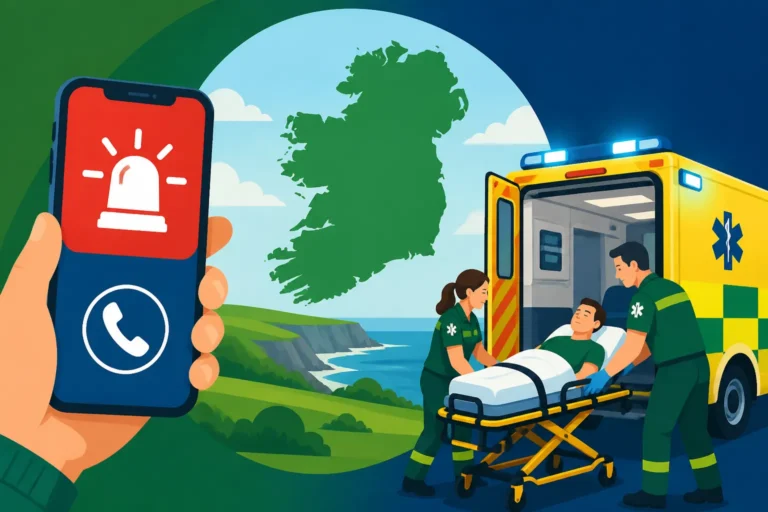
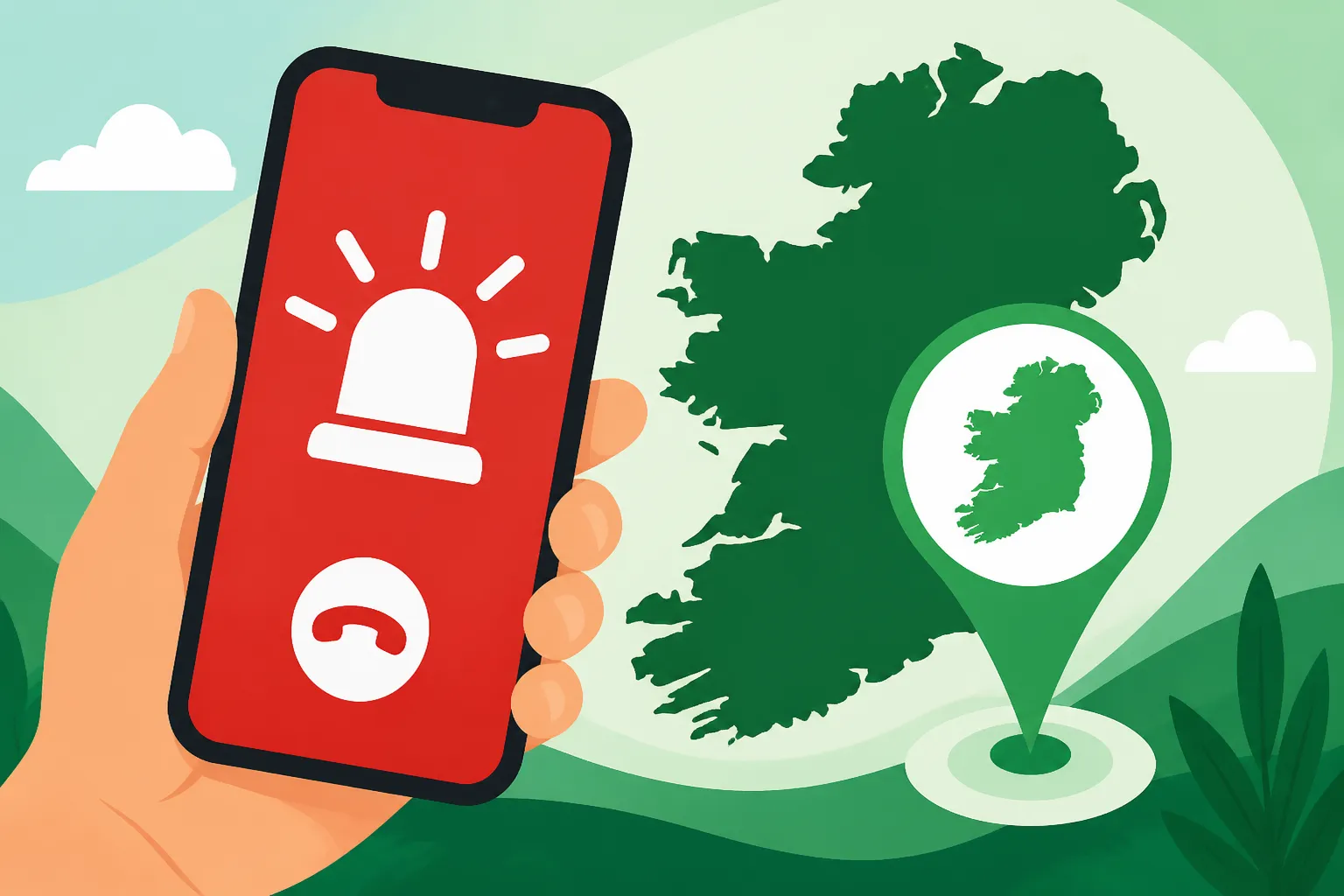
When you find yourself in a genuine emergency in Ireland, there are two numbers you need to commit to memory: 112 and 999. These numbers are functionally identical, both connecting you directly to the emergency services operator. It’s like having two doors to the same critical room. The 112 number is the European standard and works across all EU member states, including Ireland, so if you're used to that from another European country, you're good to go. The 999 number has been in use in Ireland (and the UK) for decades, so both are equally valid. You don't need to choose between them; just dial whichever comes to mind first.
When you dial either 112 or 999, you'll first reach an operator who will ask you which emergency service you require. This is a crucial step, and you need to be clear and concise. They'll ask if you need:
- An Garda Síochána (Police): For crimes, accidents that require police presence, or public disturbances.
- Ambulance Service: For serious medical emergencies, injuries, or life-threatening health events.
- Fire Service: For fires, road traffic collisions where people are trapped, or other rescue operations.
- Coast Guard: For maritime emergencies, or incidents near coastal areas or major bodies of water.
It's important to state clearly and calmly which service you need. For example, "Ambulance, please" or "Gardaí, please." The operator will then connect you to the specific service you requested, where a specialist controller will take over and gather more detailed information about your situation.
Understanding the Difference Between Emergency Services
While 112 and 999 are the gateway, it’s vital to understand what each service does. This isn't just about knowing who to call, but knowing what kind of help to expect, which can be a real comfort in a stressful situation.
Garda Síochána (Police): The Gardaí are responsible for law enforcement, maintaining public order, and investigating crimes. If you witness a serious crime in progress, are a victim of a crime, or are involved in a road traffic accident with injuries or significant damage, you call them. They also respond to situations involving public safety threats, domestic disturbances, or any incident where police intervention is immediately necessary. It's not uncommon for expats to be unsure when to call the Gardaí versus a local station directly for less urgent matters, but for anything that feels dangerous or critical, the emergency line is absolutely the way to go.
Ambulance Service: This is the service you call for critical medical situations. We're talking about suspected heart attacks, strokes, severe bleeding, unconsciousness, serious injuries from accidents, difficulty breathing, or any situation where someone’s life is in immediate danger. In Ireland, the ambulance service is primarily operated by the Health Service Executive (HSE). While you might be tempted to call an ambulance for less severe issues because you're unfamiliar with the local healthcare system, remember that emergency ambulances are a finite resource. Misusing them can delay help for someone truly in a life-or-death situation. Knowing when to call an ambulance versus visiting a GP or an out-of-hours service is a common challenge for newcomers, but we'll delve into that a bit more later. For a deeper understanding, you might want to read up on Emergency Medical Care in Ireland: What Every Expat Needs to Know.
Fire Service: Beyond just putting out fires, Ireland's fire services are highly trained in various rescue operations. This includes extricating people from car crashes, dealing with chemical spills, responding to floods, or even rescuing animals in distress. If you see smoke, flames, or are trapped in a dangerous situation like a collapsed building, they are the people to call. Their rapid response is critical in saving lives and preventing further damage.
Coast Guard: Ireland has a long and rugged coastline, and the Coast Guard plays a vital role in search and rescue operations at sea, along the coast, and on inland waterways. If you or someone you know is in trouble in the water, has fallen from a cliff, or needs assistance on a boat, the Coast Guard is who you need. They coordinate air and sea rescue efforts, often working with volunteer services like the RNLI (Royal National Lifeboat Institution).
When to Pick Up the Phone: Defining a Real Emergency
It’s one thing to know the numbers; it’s another to know precisely when to use them. The rule of thumb for 112 or 999 is simple: call when there is an immediate threat to life, property, or when a crime is in progress. Anything less than that is generally not an emergency for these lines.
Let's break down some hypothetical scenarios to make this crystal clear, because in the heat of the moment, it can be hard to think straight.
Medical Emergencies: When Every Second Counts
Imagine you're having dinner, and your partner suddenly clutches their chest, complaining of severe pain and difficulty breathing. Their face is pale, and they're sweating profusely. This is a classic example of a suspected heart attack – a definite 112/999 situation. Or perhaps your child falls from a tree, lands awkwardly, and is unconscious or bleeding heavily. Again, call for an ambulance immediately. The goal here is to get professional medical help to the scene as quickly as possible. Don't waste time trying to figure out which hospital to go to or if you can drive them yourself if their condition seems critical.
However, if your child has a high fever but is still responsive, drinking fluids, and able to interact, that's likely not an emergency for an ambulance. It might be a situation for an urgent GP visit or an out-of-hours service. Similarly, a sprained ankle where the person can still move their toes and doesn't have an open wound, while painful, typically doesn't warrant an emergency ambulance. You might head to an urgent care centre or even consult a pharmacist first. Expats often struggle with this distinction, especially if their home country's healthcare system uses emergency services differently. Understanding How Ireland's Health System Works: The HSE vs Private Explained (2027) can provide valuable context here.
Public Safety and Crime: When to Involve the Gardaí
You're walking home late at night, and you witness a serious assault happening in an alleyway. This is absolutely a 112/999 call for the Gardaí. Or perhaps you come home to find your front door forced open and your house ransacked – a burglary in progress or very recent. Again, emergency services. If you're involved in a car accident and someone is injured, or if the vehicles are blocking a major road and creating a hazard, the Gardaí need to be involved via 112/999.
On the other hand, if your bicycle was stolen from outside a shop an hour ago, that's a crime, but not an emergency. You would report that to your local Garda station during business hours, or use their non-emergency reporting channels. If you have a dispute with a neighbour over a fence line, that's a civil matter and not a police emergency. It’s about assessing the immediate danger and urgency.
Fire and Rescue: Immediate Action
Seeing smoke billowing from a nearby building, or the smell of gas filling your kitchen are immediate triggers for calling 112/999 for the Fire Service. If you're at the beach and see someone struggling in strong currents, the Coast Guard should be your first call. These are situations where immediate, professional intervention is necessary to prevent severe injury, loss of life, or widespread damage. Don't try to be a hero yourself; let the trained professionals handle it.
What Happens When You Call: Your Step-by-Step Guide
Making that call can be nerve-wracking, especially in a foreign country. But knowing what to expect can help you stay calm and provide the critical information needed. Here's a breakdown of the process:
- Connecting to the Operator: Your call will be answered by a central emergency operator. They will immediately ask: "Emergency, which service do you require?" State clearly and calmly: "Gardaí," "Ambulance," "Fire," or "Coast Guard."
- Being Transferred: Once you state the service, you'll be quickly transferred to a controller for that specific service. This is when the more detailed questioning begins.
- Providing Essential Information: This is the most critical part. The controller will need specific details to dispatch help efficiently. Try to have this information ready, or at least think about it as you dial.
Here's a handy table of what information you'll likely need to provide:
| Category | Key Information to Provide | Why it's Important |
|---|---|---|
| Location | Exact address, Eircode (if known), nearby landmarks, street names, crossroads, town/city. | This is paramount. Without a precise location, help cannot reach you. |
| Nature of Emergency | What happened? What is the problem? (e.g., "Car crash," "Someone collapsed," "House on fire"). | Helps dispatchers understand the severity and what resources are needed. |
| People Involved | Number of people affected, their age (approx), conscious/unconscious, breathing, injuries visible. | Crucial for medical and fire services to assess manpower and equipment. |
| Your Contact | Your name and the phone number you are calling from. | Allows emergency services to call you back if they need more information or can't find you. |
| Hazards | Any immediate dangers? (e.g., "Smoke," "Gas leak," "Aggressive person," "Traffic hazard"). | Warns responders of potential risks to their safety and helps them prepare. |
- Stay on the Line: Do NOT hang up until the operator tells you to. They may have further questions, or they might need to give you instructions (like how to perform CPR, or safety advice). Even if help is en route, they might keep you on the line to monitor the situation.
- Speak Clearly and Calmly: This can be tough, but try your best. Panicked speech can be hard to understand, and critical details can be missed.
- Eircode is Your Friend: If you live in Ireland, you'll have an Eircode for your address. This is a unique seven-character postcode that pinpoints every address. Having it handy can significantly speed up emergency response times, especially in rural areas where street names might be less clear or houses are far apart. If you don't know your Eircode, you can usually find it on bills or by searching the Eircode finder website.
The controllers are highly trained professionals, and they deal with stressed and panicked callers every day. They will guide you through the process, so even if you're flustered, they'll work with you to get the necessary information. Remember, your safety, and the safety of others, is their priority.
Beyond Emergencies: Non-Urgent Care and Support
Not every medical issue warrants an ambulance, and not every police matter requires a 999 call. For expats, this distinction can be particularly confusing because systems vary so much globally. Over-reliance on emergency services for non-emergencies can clog the system and divert resources from critical cases, leading to longer wait times for everyone.
For Medical Issues: GP, Out-of-Hours, and Urgent Care
For non-life-threatening medical concerns, your first port of call in Ireland should almost always be your General Practitioner (GP). Your GP is your family doctor who handles routine check-ups, common illnesses, minor injuries, referrals to specialists, and prescriptions. If you haven't already, make sure you Registering with a GP in Ireland: The Complete Expat Guide (2027). For issues like a bad cold, flu, minor cuts, aches and pains, or ongoing health conditions, your GP is the appropriate resource.
What if your GP is closed, and you have an urgent but not life-threatening medical issue? This is where GP out-of-hours services come in. These are cooperative services, often staffed by local GPs, that provide urgent care when regular surgeries are closed (evenings, weekends, and public holidays). You usually need to call them first, and they will assess your condition over the phone before advising you to attend a clinic or arranging a home visit if necessary. Examples include a child with a worsening fever at night, a severe ear infection, or an unexpected allergic reaction that isn't causing breathing difficulties.
Some urban areas also have urgent care centres or minor injury units. These can handle things like sprains, minor fractures, cuts that need stitches, and other non-critical injuries or illnesses, often with shorter waiting times than a full Emergency Department (A&E). However, these are not universally available, so it's good to know what's in your local area.
Remember, if you find yourself needing urgent, but not emergency, care as a new expat, having some form of health coverage, whether it's through the public system (if eligible, perhaps with a The Expat Guide to the Medical Card and GP Visit Card in Ireland (2027)) or private health insurance, is incredibly important. Policies like those offered by VHI, Laya Healthcare, or Irish Life Health are common, and for tourists or those in transition, travel insurance like SafetyWing can be a lifesaver for unexpected urgent medical needs.
For Police Matters: Local Garda Stations and Online Reporting
If you need to report a non-urgent crime, like a theft that occurred hours ago, or you have information about a past incident, you should contact your local Garda station. You can find their contact details online. Many stations also have public counters during business hours where you can report crimes or make enquiries. For very minor incidents or lost property, some Garda divisions may even have online reporting tools, but it's always best to check their official website or call them directly if unsure.
Other Useful Numbers
Beyond emergencies, there are other helplines and services that can provide support in less critical but still distressing situations. For example, if you or someone you know is struggling with mental health, there are various mental health support services available. Knowing How to Access Mental Health Services in Ireland as an Expat can be incredibly valuable. These services offer confidential support and guidance and are definitely the appropriate channel for non-immediate mental health crises.
Essential Advice for Expats and Tourists in an Irish Emergency
As an expat, you’re already navigating a new culture, possibly a new language (even if it's English, the accents and slang can be a challenge!), and certainly a new bureaucratic system. An emergency adds a huge layer of stress. Here's some tailored advice to help you cope:
Language Barriers and Communication
While English is the primary language, Irish accents can sometimes be thick, and local slang might throw you off. If you are struggling to understand the operator, don't be afraid to politely ask them to speak slowly or rephrase. Most people in Ireland are incredibly helpful and understanding, especially in an emergency. If English isn't your first language, try to speak as clearly as possible, and use simple, direct sentences.
Be Prepared: Have Key Information Handy
It sounds obvious, but in a panic, even your own address can slip your mind. I always advise fellow expats to have a small card in their wallet or a note on their phone with their full Irish address, Eircode, and maybe even a trusted emergency contact number. This is especially true for tourists. Ensure you know your accommodation's full address. For those travelling frequently, a digital nomad insurance provider like SafetyWing often includes a useful app with local emergency numbers and resources, which can be invaluable when you're moving between places.
Understanding Costs and Insurance
This is a big one for foreigners. If you require an ambulance and subsequent hospital treatment, there will be charges. Public hospital A&E (Emergency Department) visits incur a fee, though this can be waived if you're admitted or referred by a GP. Ambulance costs can vary. If you’re a tourist, you will be expected to pay for any medical services received, so having comprehensive travel insurance is non-negotiable. For residents, your eligibility for public healthcare services depends on your 'ordinary residence' status in Ireland. The Cost of Healthcare in Ireland: A Complete Breakdown for Foreigners (2026) will give you a comprehensive overview. If you have private health insurance with a provider like VHI, Laya, or Irish Life, it's worth understanding what your plan covers regarding emergency care and ambulance transport. Always keep your insurance details accessible.
Don't Hesitate to Call
My final piece of advice is this: when in doubt, call. If you genuinely believe there's a serious emergency, pick up the phone. It's always better to make the call and have it determined that it's a non-emergency than to delay and risk a tragic outcome. The operators are there to help, and they'd rather receive a call that turns out to be minor than miss one that was critical. They are trained to assess the situation and guide you on what to do next.
Navigating emergencies in a foreign country can be daunting, but with a clear understanding of Ireland's 112/999 system and what services are available, you can face unexpected situations with greater confidence. Stay safe, stay informed, and enjoy your life in Ireland!
Disclaimer
The information provided in this article is intended for general guidance only and does not constitute professional advice. Healthcare regulations, costs, and services in Ireland can change. Always consult with official government sources, legal professionals, or healthcare providers for the most accurate and up-to-date information relevant to your specific situation. Reliance on any information in this article is solely at your own risk.