Can Tourists Access Emergency Care in Ireland?
Imagine you are enjoying a weekend wandering the vibrant streets of Galway or hiking the rugged trails of Kerry when a sudden medical crisis strikes. For many tourists, the initial panic of the injury is quickly followed by a second wave of anxiety: how does the Irish healthcare system work for outsiders, and will you be hit with a catastrophic bill? This guide clarifies exactly how visitors can access emergency care in Ireland, what it costs, and how to navigate the public and private systems efficiently.
The Immediate Response: What to Do in a Life-Threatening Emergency
If you find yourself in a situation where a life is at risk—perhaps a severe car accident, a suspected heart attack, or significant trauma—the first thing you need to know is the number to call. In Ireland, the emergency services can be reached by dialing either 999 or 112. Both numbers are free to call and will connect you to the same emergency dispatchers who can send an ambulance, the fire brigade, or the police (Gardaí).
It is vital to understand that the emergency dispatcher will prioritize calls based on clinical need, not on your nationality or insurance status. If you are a tourist, you will be treated with the same urgency as a local resident. When the ambulance arrives, the paramedics will stabilize you and transport you to the nearest appropriate public hospital with an Emergency Department (often called A&E, for Accident and Emergency). For more details on this specific process, you might want to read our guide on Understanding Emergency Numbers (112 and 999) and Ambulance Care in Ireland.
One thing many tourists don't realize is that while emergency treatment is immediate, it is not always "free" in the way people assume European healthcare might be. Unless you are a resident with a Medical Card or have specific reciprocal rights, there is usually a charge for the ambulance service and the subsequent hospital visit. However, in a true life-or-death scenario, no hospital in Ireland will turn you away based on your inability to pay upfront. They will treat you first and handle the administrative side of things once you are stable.
Navigating the Public Hospital System (A&E)
The public hospital system in Ireland is managed by the Health Service Executive (HSE). For tourists, the most common point of entry for emergency care is the Accident and Emergency (A&E) department. These departments are open 24 hours a day, 365 days a year. However, as a veteran who has navigated these halls more times than I care to admit, I must warn you: public A&E departments in Ireland are notorious for long wait times.
The Triage Process
When you arrive at an A&E, you will go through a process called triage. A nurse will assess the severity of your condition. If you have a minor break or a deep cut, you might find yourself sitting in a waiting room for 6, 8, or even 12 hours if the hospital is dealing with major traumas. This can be incredibly frustrating for a tourist who just wants to get back to their holiday, but it is the reality of the public system here.
To better understand how these departments function, you should look into triage. Understanding that you are being ranked by "need" rather than "arrival time" helps manage expectations during those long hours in the plastic chairs of a Dublin or Cork waiting room.
The Statutory A&E Charge
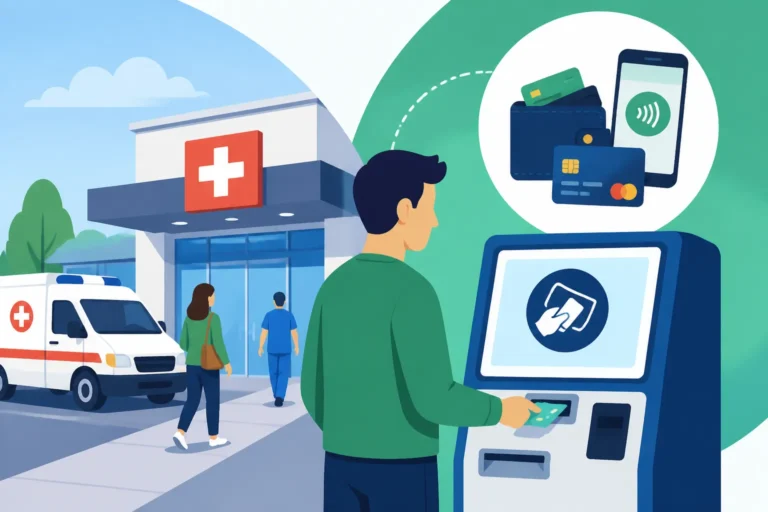
For visitors who are not from the EU/EEA or the UK, there is a standard statutory charge for attending a public A&E without a referral from a local GP. As of 2026, this charge is generally 100 Euro. This is a flat fee that covers your assessment and initial treatment in the department. If you are admitted to the hospital as an inpatient, the costs will escalate quickly. For non-residents, the daily rate for a hospital bed can exceed 1,000 Euro per night in a public hospital. This is why having comprehensive travel insurance, such as SafetyWing, is absolutely essential before you set foot on the Emerald Isle.
Reciprocal Healthcare: The EHIC and UK Residents
If you are a tourist visiting from an EU/EEA country or Switzerland, you have access to a fantastic safety net: the European Health Insurance Card (EHIC). This card entitles you to necessary public healthcare in Ireland on the same basis as an Irish resident. This means that if an Irish resident would get the service for free, you do too.
How the EHIC Works in Practice
If you have a valid EHIC, you should present it immediately upon arrival at the hospital registration desk. This will often waive the 100 Euro A&E fee. It is important to note that the EHIC only covers "necessary" care—it isn't for elective procedures or for flying you back to your home country. It is also worth reviewing Understanding the Difference Between Public and Private Hospitals in Ireland to see how these public charges compare to the private alternatives.
Post-Brexit Rules for UK Tourists
Following Brexit, many UK tourists were worried about their healthcare access in Ireland. Fortunately, due to the Common Travel Area and subsequent agreements, UK residents still have access to "necessary" healthcare during a temporary stay in Ireland. You can use a UK Global Health Insurance Card (GHIC) or even just proof of UK residency (like a passport) in many cases to access the same reciprocal benefits as EU citizens. However, it is always safer to have your GHIC card or a dedicated travel policy like SafetyWing to cover any gaps, especially for medical evacuation.
Private Emergency Care: A Faster Alternative?
Ireland has a robust private healthcare sector, and for tourists with the right insurance or deep pockets, this can be a much faster way to receive care. Private hospitals like the Mater Private, the Beacon Hospital, or the Blackrock Clinic in Dublin often have their own Emergency Departments or "Urgent Care" centers.
The Benefits of Private Emergency Care
The primary benefit of going private is speed. While a public A&E might have a 10-hour wait, a private urgent care center might see you in less than an hour. The facilities are generally more modern, and you are more likely to have a private or semi-private space. For those interested in this route, our article on How to Use Private Hospitals Like the Mater, Beacon and Blackrock in Ireland provides a deep dive into these locations.
The Cost of Private Treatment
Speed comes at a price. A private A&E consultation fee can range from 200 to 500 Euro just for the initial assessment. Any tests (X-rays, blood work, MRIs) will be charged on top of that. If you require surgery or an overnight stay in a private hospital, the bill can easily reach 10,000 Euro or more. This is where a high-quality insurance provider like SafetyWing becomes your best friend, as they are designed to handle these types of sudden, high-cost medical emergencies for international travelers.
| Care Type | Average Wait Time | Initial Cost (Tourists) | Best For |
|---|---|---|---|
| Public A&E | 6 – 14 Hours | 100 Euro (Flat fee) | Major Traumas, Life-threatening |
| HSE Injury Unit | 1 – 3 Hours | 75 – 100 Euro | Broken bones, Stitches, Minor burns |
| Private Urgent Care | 1 – 2 Hours | 200 – 500 Euro | Non-life-threatening, fast service |
| Out-of-Hours GP | 2 – 4 Hours | 70 – 100 Euro | Illness, Infections, Rashes |
Minor Emergencies: HSE Injury Units
One of the best-kept secrets in the Irish healthcare system—and something I always tell visiting friends—is the existence of HSE Injury Units. These are designed specifically for minor injuries that are not life-threatening but still require urgent attention, such as suspected broken bones, sprains, stings, or minor burns.
These units are usually located in smaller hospitals or dedicated centers. They are far less crowded than a main A&E. If you go to an Injury Unit, you will still pay the standard charge (around 75 to 100 Euro), but you will likely be in and out in a fraction of the time. You can learn more about these facilities by checking Emergency Medical Care in Ireland: What Every Expat Needs to Know. For a tourist who has a nasty fall while exploring a castle, an Injury Unit is almost always a better choice than a major city hospital A&E.
Accessing a GP for Non-Emergency Illness
Not every "emergency" requires a hospital. If you wake up with a severe ear infection, a high fever, or an allergic reaction that isn't affecting your breathing, your first stop should be a General Practitioner (GP).
Finding a GP as a Tourist
Finding a GP who is taking new patients can be difficult in Ireland, even for locals. However, many practices keep "emergency slots" open for acute illnesses. You will likely have to call several local clinics to find one that can fit you in. As a visitor, you will be treated as a "private patient," meaning you will pay the full consultation fee, usually between 60 and 80 Euro. To get a head start on this, read our guide on Can I See a GP on the Same Day in Ireland?.
Out-of-Hours Services
If your illness occurs at night or over the weekend, you will need to use an "out-of-hours" GP service. In Dublin, this is often "D-Doc"; in other areas, it might be "SouthDoc" or "WestDoc." These services are not walk-in clinics; you must phone them first, and they will give you an appointment time at a local treatment center. This is a vital service for tourists who fall ill when the regular clinics are closed. For those worried about the language barrier, though most doctors speak excellent English, you might find How to Find an English-Speaking Doctor in Ireland helpful if you have specific communication needs.
Pharmacies and Over-the-Counter Care
Irish pharmacists (chemists) are highly trained and can offer a wealth of advice for minor ailments. If you have a minor stomach bug, a mild skin rash, or need basic pain relief, the pharmacist is your first line of defense.
However, be aware that Ireland has strict regulations on medications. You cannot buy antibiotics over the counter, and many medications that might be available without a prescription in other countries (like certain high-strength painkillers) are strictly controlled here. If you need a specific medication, you will likely need a prescription from an Irish GP. For a full breakdown of how this works, see Prescription Medications and Pharmacies in Ireland: The Complete Guide. If you lose your regular medication while traveling, an Irish pharmacist might be able to help in an emergency, but they will generally require proof of your existing prescription from your home country.
Insurance and Peace of Mind
The most important takeaway for any tourist visiting Ireland is that while you will always be treated in an emergency, the financial aftermath can be a nightmare without the right coverage. The public system is overwhelmed, and the private system is expensive.
I always recommend that tourists look into specialized travel medical insurance. For digital nomads and long-term travelers, SafetyWing is a standout choice because it offers flexibility that traditional travel insurance often lacks. Whether you are dealing with a broken leg from a hike or a sudden bout of appendicitis, having a policy like SafetyWing ensures that you can focus on your recovery rather than worrying about whether you'll have to sell your car back home to pay the hospital bill.
It is also worth considering how a sudden illness might affect your long-term plans if you were thinking of staying in the country. If your "trip" turns into a longer stay, you might need to understand Understanding Health Insurance Waiting Periods and Lifetime Loading in Ireland to ensure you aren't caught out by waiting periods later on.
Practical Steps to Take During a Medical Crisis
- Carry Your Passport and Insurance: Always have a digital or physical copy of your passport and your insurance policy (like your SafetyWing certificate) on you. Hospitals will need these for registration.
- Keep All Receipts: Even if you think your insurance will cover everything directly, keep every single piece of paper, from GP receipts to pharmacy bills. You may need these.
- Use 112 for Ambulances: It is the universal European emergency number and works perfectly in Ireland.
- Phoning Ahead: If it isn't a life-threatening emergency, phone a local GP or an out-of-hours service before showing up at a hospital. They might be able to save you a 12-hour wait.
- Check for Reciprocal Rights: If you are from the UK or EU, make sure your GHIC/EHIC is in your wallet.
Navigating a foreign healthcare system while you're in pain or scared is never easy. But by knowing the difference between an Injury Unit and an A&E, and ensuring you have the right insurance like SafetyWing in place, you can handle whatever the Irish weather—or luck—throws at you. Ireland is a beautiful place to explore, and with a bit of preparation, a medical hiccup doesn't have to be the end of your adventure.
Disclaimer
This guide is for informational purposes only and does not constitute medical or legal advice. Healthcare regulations and costs in Ireland can change frequently. Always consult with a medical professional in an emergency and verify your insurance coverage details with your provider before traveling. If you are in a life-threatening situation, call 999 or 112 immediately.