How Long Are Waiting Lists in the Public Health System in Ireland?
Arriving in Ireland often feels like finding a home you never knew you had, but the moment you need to see a specialist, the "Emerald Isle" charm can hit a bureaucratic brick wall. Many expats move here expecting a seamless public health experience, only to be confronted by waiting lists that stretch for months or even years. This guide pulls back the curtain on the current state of HSE waiting lists and provides actionable strategies to navigate the system without losing your mind.
The Stark Reality of the Irish Public Health System
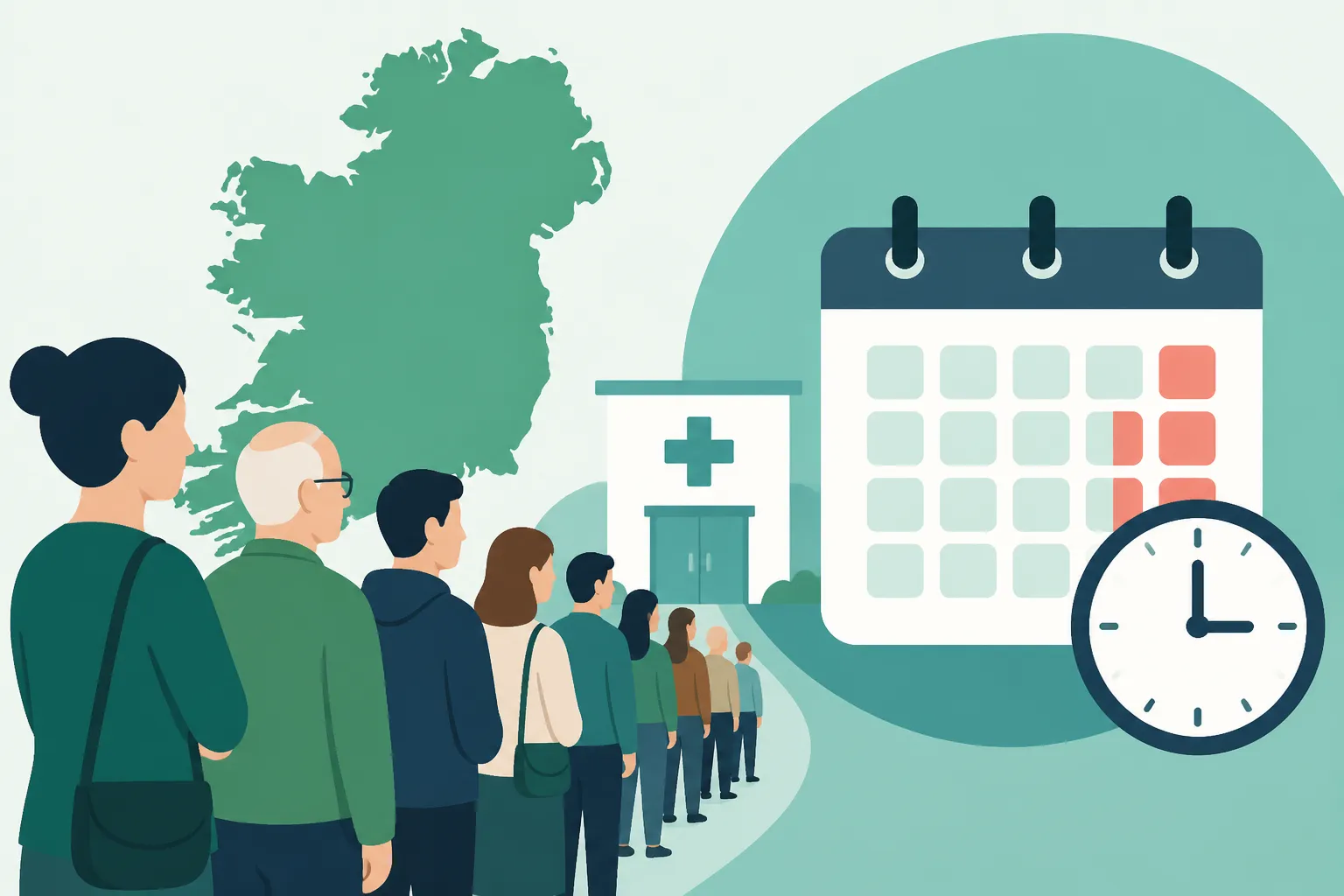
If you are coming from a country with a highly efficient, single-tier healthcare system, the Irish model—often referred to as a "two-tier" system—will be a significant adjustment. The public system, managed by the Health Service Executive (HSE), provides care to everyone, but the sheer volume of demand consistently outstrips the supply of consultants, beds, and diagnostic equipment. It is not uncommon for a "routine" referral to result in a letter stating that your appointment is scheduled for eighteen months from now. For an expat dealing with a persistent but non-life-threatening issue, this can feel like a personal affront, but it is an unfortunate systemic reality.
The frustration often starts at the GP's office. Once your doctor determines that you need a specialist—perhaps for a recurring dermatological issue or a persistent knee injury—they send a referral to a public hospital. At this point, you enter a "black hole" of administrative processing. You are triaged based on urgency: Urgent, Semi-Urgent, or Routine. While urgent cases (such as suspected oncology) are generally seen within weeks, the "Routine" category is where the massive backlogs live. Navigating The Complete Guide to Healthcare in Ireland for Expats (2027) is essential to understand where you fit within this hierarchy.
It’s important to validate the emotional toll this takes. Living in a new country is already stressful; adding a chronic health concern with no clear end date for treatment can lead to significant anxiety. This is why many expats choose to maintain international coverage through providers like SafetyWing during their first few years, ensuring they have a safety net while they figure out the complexities of local private insurance and the public queue.
The Outpatient vs Inpatient Distinction
To understand waiting lists, you must distinguish between an "outpatient" wait and an "inpatient" wait. An outpatient wait is the time you spend just waiting to see a consultant for the first time. This is often the longest part of the journey. You might wait two years just for a twenty-minute consultation. Once the consultant sees you and decides you need a procedure—say, a tonsillectomy or a hip replacement—you then move onto the "inpatient" or "day case" waiting list.
The inpatient list is generally shorter than the outpatient list, but it is still subject to "winter surges." In Ireland, the public hospitals often become overwhelmed during the winter months due to respiratory illnesses, which leads to the cancellation of "elective" (scheduled) surgeries to make room for emergency admissions. This means even if you have a date for your surgery, there is a realistic chance it could be postponed at the last minute. Understanding Public vs Private Healthcare in Ireland: Which Should Expats Choose? can help you decide if you want to risk these public-sector delays.
Statistical Breakdown: What to Expect in 2026
While the government frequently announces "Waiting List Action Plans," the numbers in 2026 remain challenging. Certain specialties are notorious for their bottlenecks. Orthopaedics, Ophthalmology, and Urology consistently see some of the highest numbers of people waiting over a year for an initial appointment. For example, if you require a cataract surgery publicly, the wait time varies drastically depending on which county you live in. Someone in Sligo might be seen in six months, while someone in Dublin might wait eighteen.
The geographical "lottery" is a major factor in the Irish system. Larger Dublin hospitals like St. James's or Beaumont handle massive volumes, which can lead to longer administrative delays compared to smaller regional hospitals. However, the regional hospitals may lack specific sub-specialists, meaning they have to refer you back to Dublin anyway. It is a complex web that requires patience and persistent follow-up. You should also be aware of the Understanding Public Hospital Charges and the A&E Fee in Ireland as these costs apply even when you are on a long waitlist for non-emergency care.
| Procedure/Specialty | Estimated Public Wait (Routine) | Estimated Private Wait |
|---|---|---|
| MRI/CT Scan | 3 – 9 Months | 2 – 7 Days |
| Orthopaedic Consultation | 12 – 24 Months | 2 – 4 Weeks |
| Cataract Surgery | 10 – 18 Months | 3 – 6 Weeks |
| ENT (Ear, Nose, Throat) | 14 – 26 Months | 3 – 5 Weeks |
| Cardiology Assessment | 6 – 12 Months | 1 – 3 Weeks |
| Dermatology | 18 – 30 Months | 4 – 8 Weeks |
The Triage System and Your GP
Your GP is the gatekeeper of the waiting list. When they write your referral letter, they have the power to highlight specific "red flag" symptoms that might move you from the routine list to the urgent list. If your condition worsens while you are waiting, it is vital to return to your GP. They can send an "updated clinical note" to the hospital consultant. In some cases, this can shave months off your wait time if the consultant agrees that your status has shifted from routine to urgent.
However, don't expect the GP to be able to "jump the queue" just because you are frustrated. They are working within the same constrained system as everyone else. Many newcomers who aren't yet fully integrated into the Irish system find that having a flexible plan like SafetyWing allows them to seek private diagnostics (like an MRI) immediately, which they can then take back to their GP to expedite the public referral process. Knowing How Specialist and Consultant Referrals Work in Ireland is key to making this strategy work.
How to Navigate and Bypass the Longest Queues
If you find yourself facing a two-year wait, you aren't necessarily stuck. There are specific government schemes designed to alleviate the pressure on public hospitals by "buying" care from the private sector or allowing patients to travel abroad. These are life-savers for expats who cannot afford full private health insurance but have a condition that is significantly impacting their quality of life.
One of the primary mechanisms is the National Treatment Purchase Fund (NTPF). The NTPF identifies patients who have been on a public waiting list for a long time—usually over six or nine months—and offers them the chance to have their procedure done in a private hospital, with the state picking up the bill. You don't "apply" for the NTPF in the traditional sense; the hospital usually contacts you. However, you can be proactive. You can ask the hospital's waiting list manager if your case has been referred to the NTPF yet.
The Cross-Border Healthcare Directive
Another powerful tool is the Cross-Border Healthcare Directive. Under this EU rule, if you are entitled to a treatment in Ireland but the wait time is "undue" (which, in Ireland, it almost always is), you can choose to have that treatment in another EU or EEA country. You pay for the treatment upfront and then claim the cost back from the HSE at the rate it would have cost them to perform it in a public hospital.
This is a fantastic option for expats who might want to return to their home country in the EU for a procedure where they have a support network. For example, if you need a knee replacement and the wait in Dublin is two years, you could potentially have it done in France or Poland next month. You must get prior authorization from the HSE to ensure you'll be reimbursed, and you'll need to navigate the Is Public or Private Healthcare Better for Expats in Ireland? debate to see if this logistical hurdle is worth the effort.
Utilizing Private Diagnostics to Speed Up Public Care
A common "hack" used by locals and expats alike is to pay for private diagnostics. In the public system, waiting for a simple MRI or ultrasound can take six months. However, you can often book a private scan at a clinic for €200–€400 and get it done within 48 hours. Once you have the results, you can bring the scan to your GP.
If the scan shows something that requires immediate attention, your GP can use that evidence to upgrade your public referral to "Urgent." This doesn't bypass the specialist wait entirely, but it ensures you aren't waiting six months just to find out if there is a problem. This is where having a budget or a starter insurance plan like SafetyWing is incredibly useful; it covers the unexpected gaps while you are still getting settled and haven't yet committed to a high-premium Irish private plan. For more on this, read Registering with a GP in Ireland: The Complete Expat Guide (2027).
Bridging the Gap While You Wait
For many, the ultimate solution to the waiting list problem is simply to go private. Ireland has a robust network of private hospitals, such as the Mater Private, Blackrock Clinic, and the Beacon Hospital. If you have private health insurance, your wait time for a consultant will drop from two years to two weeks. The care is the same—often provided by the same consultants who work in the public system—but the administrative speed and hotel-style facilities are vastly superior.
If you don't have private insurance, you can still "self-pay" for a private consultation. A private specialist visit usually costs between €200 and €300. For many expats, paying this out-of-pocket is worth it just to get a definitive diagnosis and a treatment plan. Once you have seen the consultant privately, they can sometimes add you to their public surgical list, though they are technically supposed to keep these queues separate. To understand the facilities available, check out How to Use Private Hospitals Like the Mater, Beacon and Blackrock in Ireland.
Short-term Solutions for New Arrivals
When you first move to Ireland, there is often a "waiting period" for private health insurance. If you have a pre-existing condition, Irish law allows insurers to impose a waiting period of up to five years before they cover that specific condition. This is a massive trap for unsuspecting expats. This is why maintaining a flexible, international-friendly plan like SafetyWing is a smart move for digital nomads or those on a Critical Skills visa who are still in their probationary period. It provides that essential bridge of coverage before you are fully "vested" in the Irish private system.
Furthermore, if you are a non-EU citizen, you are required to have a certain level of health insurance to maintain your visa status. While the public system is technically available to you once you are "ordinarily resident," relying solely on it is risky given the current wait times. Exploring Understanding the Difference Between Public and Private Hospitals in Ireland will give you a clearer picture of why most expats aim to get off the public waiting lists as quickly as possible.
Taking Control of Your Healthcare Journey
Ultimately, the best way to handle Irish waiting lists is to be your own advocate. Call the hospital's "Appointments Office" or "Waiting List Manager" every few months. Be polite but persistent. Sometimes, cancellations happen, and if they know you are willing to come in on short notice, you might get bumped up the list. Ireland's system is built on "who you know" and "how much you ask," so don't be afraid to make your presence known.
Remember that while the public system is slow, it is medically excellent in a crisis. If you have a heart attack or a major accident, the Irish public system will provide world-class care immediately and at a very low cost. The waiting lists are a failure of elective administration, not a failure of medical skill. By combining public entitlement with strategic private spending and a reliable international plan like SafetyWing, you can ensure that your health remains a priority, rather than a statistic on a spreadsheet.
Disclaimer
The information provided in this guide is for informational purposes only and does not constitute legal or medical advice. Healthcare regulations, waiting list statistics, and insurance policies in Ireland are subject to frequent change. Always consult with the Health Service Executive (HSE), a qualified medical professional, or a licensed insurance broker to confirm your specific entitlements and coverage options before making healthcare decisions.