What Is the Cost of Living for a Single Person in Dublin?
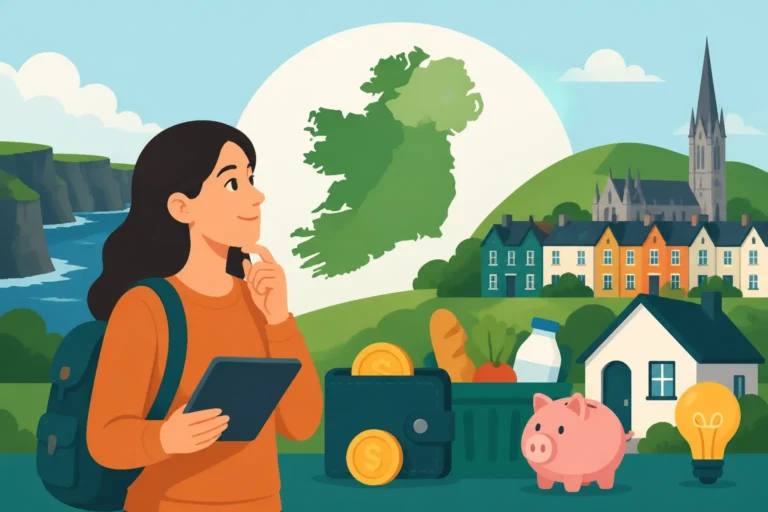
Moving to Dublin as a single person often comes with a huge question mark: how much cash do I really need to survive, let alone thrive, in this vibrant but notoriously pricey city? It’s not just about the rent; it’s about understanding the entire ecosystem of costs from your morning coffee to your weekend adventures. As an expat who’s navigated these waters, I can tell you it takes a bit of planning and a lot of realism. This guide is here to strip away the guesswork and give you a detailed, down-to-earth breakdown of what you can expect to spend as a single person making a life in Ireland's capital.
The Elephant in the Room: Accommodation Costs for a Single Person in Dublin
Let's not beat around the bush – housing in Dublin is likely going to be your biggest expense, and probably the biggest source of frustration. The city is in the midst of a significant housing shortage, which means high demand and even higher prices. For a single person, finding an affordable place often means making compromises or looking a bit further afield.
Renting an Apartment: What to Expect in Different Areas
When you’re a single person looking for your own space in Dublin, you're primarily going to be eyeing studios or one-bedroom apartments. The prices for these can vary wildly depending on location, condition, and how recently the landlord remembered to update the décor from the 1990s.
In the city centre, or in highly sought-after areas like Portobello, Ranelagh, or Dalkey, a one-bedroom apartment can easily set you back anywhere from €1,800 to €2,500+ per month. Yes, you read that right. These areas offer proximity to amenities, nightlife, and often your workplace, which for many is worth the premium. However, you’ll typically be looking at smaller spaces, and competition is fierce. It’s not uncommon for dozens of people to view the same property, leading to quick decisions and sometimes even bidding wars. You might find some relief in a studio, perhaps shaving a couple of hundred euro off, but space will be at an absolute premium. If you're hoping to understand the broader trends, our guide on How Much Does It Cost to Rent in Dublin in 2026? offers a more comprehensive overview.
Venture a bit further out, into inner suburbs like Rathmines, Clontarf, or Phibsborough, and you might find prices dropping slightly to the €1,600 to €2,000 range for a one-bedroom. These areas still offer excellent transport links into the city and have their own thriving communities, shops, and pubs. They often represent a good balance between cost and convenience.
If you're really trying to stretch your budget, looking at outer suburbs and commuter towns is your best bet. Places like Tallaght, Blanchardstown, or Swords, while still within Dublin County, or even commuter towns in neighbouring counties like Maynooth (Kildare), Drogheda (Louth), or Bray (Wicklow), can offer one-bedroom apartments for €1,300 to €1,600. The trade-off here is a longer commute, but you might gain more space and a slightly quieter lifestyle. Remember, public transport might not be as frequent or direct as within the city, so factor in potential travel costs and time. Understanding the Irish Rental Market and the Housing Shortage (2027) can provide additional context on these pressures.
Alternative Accommodation: Room Share, Co-Living, and Beyond
Given the steep prices, many single expats, especially when they first arrive, opt for a room in a shared house or apartment. This is often the most realistic entry point into the Dublin rental market if you’re on a tighter budget. For a room in a shared house, expect to pay anywhere from €700 to €1,200 per month, depending on the location, the size of the room, and how many other people you’re sharing with. This option often includes utilities in the rent, or they are split evenly, which simplifies budgeting. While it might not be the dream of having your own space, it’s a fantastic way to meet people and keep costs down in those crucial first months. Websites like Daft.ie are your go-to for finding these.
Another option that's emerged, particularly for professionals, is co-living. These purpose-built developments offer private rooms (often with en-suite bathrooms and small kitchenettes) within a larger building that features shared amenities like gyms, workspaces, and communal kitchens. They provide a sense of community and often all-inclusive bills, but they are not a budget-friendly choice. Prices can be similar to or even exceed a one-bedroom apartment, sometimes ranging from €1,500 to €2,000+. It's a convenient, low-hassle option, but certainly not for everyone's wallet.
For your initial arrival, before you find something permanent, you might need to factor in a few weeks of B&B, hostel, or short-term rental accommodation. This can add up quickly, so try to secure viewings and potential accommodation before you arrive, or at least have a solid plan. When planning your move, services like Sirelo can be incredibly helpful for managing the logistics, especially if you’re bringing a lot of belongings, which can ease the stress of those first few weeks.
Upfront Costs and Hidden Fees
Beyond the monthly rent, you'll need to budget for significant upfront costs. The standard in Ireland is a security deposit equivalent to one month's rent. So, if your rent is €1,600, you’ll need €1,600 for the deposit plus another €1,600 for your first month's rent – that's €3,200 just to get the keys. It's a considerable lump sum that often catches newcomers off guard. Our article on How Much Deposit Do I Need to Rent in Ireland? provides more detail on this, including your rights concerning deposit protection.
While direct letting agent fees for tenants have largely been banned, be wary of any hidden "administration" or "booking" fees. Always clarify the total amount due before signing anything. If you're moving into an unfurnished place, which is less common for single-person apartments but still happens, you'll also need to factor in the cost of furniture. Even for a basic setup, this can run into hundreds or even a few thousand euro. While many rentals are furnished, the quality can vary, so inspect thoroughly.
Everyday Essentials: Utilities, Groceries, and Household Bills
Once you've got your head around rent, the next big chunk of your monthly budget will go towards keeping the lights on, staying warm, and keeping yourself fed. These costs, while not as shocking as rent, definitely add up, especially if you’re not mindful.
Utility Breakdown: Electricity, Gas, Internet, and More
Utilities are a variable cost, heavily influenced by the size of your space, your habits, and the time of year. For a single person in a one-bedroom apartment in Dublin, here’s a rough breakdown:
- Electricity: This is usually your biggest utility bill. Expect to pay anywhere from €60 to €100 per month, on average. In colder months, if you're using electric heating, this could easily jump to €150 or more. Companies like ESB Networks manage the national grid, but you'll choose a supplier like Electric Ireland, Bord Gáis Energy, or Flogas.
- Gas: If your apartment has gas heating and/or a gas hob, this will be an additional cost. Again, it’s highly seasonal. In the warmer months, you might pay €20-€30, but come winter, it could easily be €70-€100 or higher. Bord Gáis Energy and Electric Ireland are common providers.
- Broadband: A good internet connection is non-negotiable for most of us these days. You'll find a competitive market with providers like Virgin Media, Eir, and Sky. For a decent speed (e.g., 200-500 Mbps), expect to pay around €40-€60 per month. Often, new customer deals are available, but watch out for price hikes after the initial contract period.
- Mobile Phone: For a single person, a good mobile plan is essential. Pay-as-you-go options are available from companies like Three, Vodafone, and Eir, but a contract plan (SIM-only) typically offers better value for data. Expect to pay €15-€30 per month for unlimited calls/texts and a generous data allowance. If you're just arriving, or travel frequently, using an eSIM from providers like Airalo can be a super flexible and cost-effective way to get data immediately without needing a local SIM card, especially for those first few weeks. It's a lifesaver for staying connected while you get settled.
- TV Licence: Even if you only stream content and don't watch live TV, if you have any device capable of receiving a broadcast signal (a TV, laptop with an aerial, etc.), you are technically required to pay the TV Licence fee, which is currently €160 per year. It's an annual lump sum but can be paid in installments.
- Water Charges: Good news here – residential water usage is not directly charged in Ireland. Uisce Éireann (Irish Water) is responsible for the infrastructure, but householders are not billed per litre. You won't have a monthly water bill to worry about.
To get a full picture of these costs and how to set them up, you might find our article How Do I Set Up Electricity After Moving to Ireland? or the more general The Expat Guide to Setting Up Utilities (Electricity, Gas, Water) in Ireland incredibly helpful.
Fuelling Yourself: Grocery Shopping in Dublin
Your grocery bill as a single person in Dublin can vary wildly depending on your dietary habits, whether you cook from scratch, and where you shop. A realistic budget for healthy, home-cooked meals for a single person would be in the range of €250 to €400 per month.
To keep costs down, embracing budget supermarkets like Aldi and Lidl is key. They offer excellent value for fresh produce, pantry staples, and many household items. Mid-range options like Tesco and SuperValu are more widespread and offer a wider selection, but prices are generally higher. Convenience stores like Centra or Spar are great for emergencies or a quick grab-and-go item, but avoid doing your main shop there unless you want your budget to evaporate.
Tips for saving:
- Meal prepping: Plan your meals for the week and stick to a shopping list.
- Seasonal produce: Buy fruits and vegetables that are in season, as they tend to be cheaper.
- Shop sales: Keep an eye out for weekly specials and buy non-perishables when they're on offer.
- Avoid food waste: Make the most of your ingredients.
Household Odds and Ends
Beyond groceries, you’ll have other recurring household expenses:
- Toiletries and Cleaning Supplies: Budget around €30-€50 per month for shampoo, soap, laundry detergent, cleaning sprays, etc.
- Waste Collection: In Dublin, household waste collection is handled by private companies, not the local council. You'll typically sign up with a provider like Greyhound Household or City Bin Co. and pay a monthly or annual fee, plus potentially per-lift charges for bins. Expect to pay around €25-€40 per month for this service. This covers general waste, recycling, and often organic waste.
- Small Discretionary Purchases: Things like lightbulbs, batteries, new tea towels, or a small plant can add another €10-€20.
Getting Around and Staying Connected: Transport and Communication
Dublin is a very walkable city, especially the city centre. However, to get to and from work, or to explore different neighbourhoods, you’ll likely rely on public transport.
Navigating Dublin: Public Transport Costs
Dublin boasts a relatively comprehensive public transport network comprising Dublin Bus, the Luas (tram), and the DART (commuter train). The most cost-effective way to use all of these is with a Leap Card. You tap on and off, and fares are generally cheaper than paying with cash (which is often only accepted on buses with exact change).
- Leap Card Fares: A single adult fare within the city centre (up to 3 zones on bus/Luas) is typically around €1.70-€2.30, depending on the number of zones travelled. Longer journeys on the bus might go up to €3.00. DART fares vary more by distance.
- Weekly/Monthly Passes: If you’re commuting daily, a weekly or monthly pass loaded onto your Leap Card is usually the most economical option. A 7-day adult Rambler ticket for unlimited travel within Dublin's short hop zone costs around €27, while a monthly pass can be around €110-€150 depending on zones.
- Walking and Cycling: Dublin is increasingly bicycle-friendly, and there are bike-sharing schemes like Dublin Bikes available for short trips. Embracing walking and cycling not only saves money but is a great way to explore the city and stay fit.
For a deep dive into the public transport system, check out How Do I Use the Leap Card in Dublin? and The Expat Guide to Public Transport in Ireland.
Personal Transport Considerations
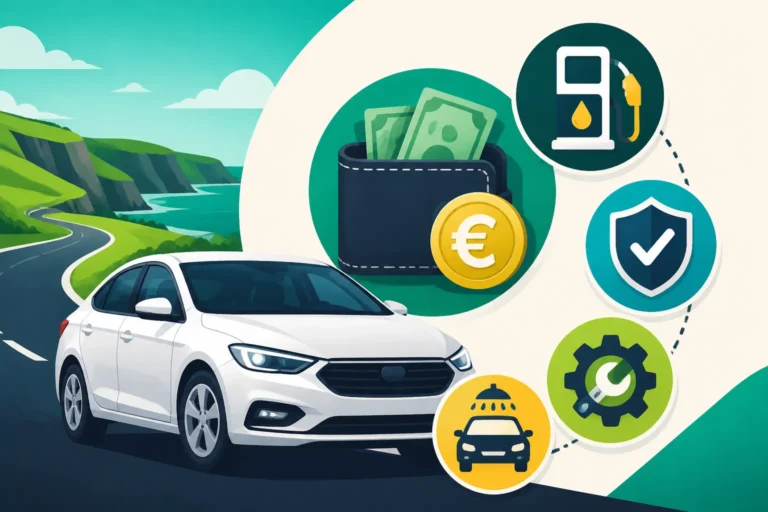
While having a car offers freedom, it's generally not recommended for a single person living in Dublin due to the exorbitant costs.
- Car Insurance: This is incredibly high in Ireland, especially for new drivers or those with foreign licenses, often running into thousands of euro per year.
- Motor Tax: Annual motor tax varies based on engine size and emissions, but it's another significant cost.
- Fuel: Petrol and diesel prices are high, currently hovering around €1.80-€2.00 per litre.
- Parking: Parking in Dublin is expensive and hard to find. Residential parking permits exist but are not guaranteed and come with their own fees.
Between insurance, tax, fuel, maintenance, and parking, running a car in Dublin can easily add €300-€500+ to your monthly expenses. Unless your job absolutely requires it or you live far outside the city with poor public transport, it’s best avoided for a single person. If you're curious about the full picture, our article Is It Worth Owning a Car in Dublin? lays it all out. Ride-sharing apps like Free Now are readily available if you need a taxi occasionally.
Staying in Touch: Mobile and Internet
As mentioned earlier, mobile phone costs are usually a monthly outlay. A decent SIM-only plan will generally cost between €15-€30, offering plenty of data and calls. For your home internet, budget for €40-€60 per month. These are pretty standard costs across many Western countries, but it’s worth including them in your Dublin budget. Again, consider Airalo for those initial days to keep your phone running without hassle while you secure a local plan, or even as a consistent choice for flexible data on the go.
Discretionary Spending and Lifestyle
This is where your personal preferences really come into play. Dublin offers a fantastic lifestyle, from cozy pubs to vibrant cultural scenes, but enjoying it requires careful budgeting.
Eating Out and Socialising
Dublin is a city that loves to eat out and socialise. Here are some typical costs:
- Coffee: A regular coffee will set you back €3.00-€4.50.
- Pint: The cost of a pint of Guinness or lager in a Dublin pub is usually between €6.50-€8.50, especially in the city centre.
- Casual Meal: A main course in a casual restaurant or pub grub will be around €15-€25.
- Dinner Out: A nicer dinner, with a starter and main, might be €30-€50 per person, without drinks.
- Takeaway: A pizza or a typical Asian takeaway will be €15-€25.
If you’re social and enjoy eating out or having a few pints, this budget category can quickly balloon. Many expats find great joy in the pub culture, which is an integral part of Irish life. Learning to balance these outings with home-cooked meals is key to managing your budget.
Fitness, Entertainment, and Hobbies
Staying active and entertained is crucial for wellbeing, but these costs can also vary.
- Gym Membership: Expect to pay €35-€60 per month for a decent gym, with some premium options going higher.
- Cinema Ticket: A standard adult cinema ticket is around €10-€15.
- Live Music/Events: Tickets for concerts or theatre can range from €20 to hundreds, depending on the act and venue.
- Outdoor Activities: Many of Dublin's natural attractions, like hiking in the Dublin Mountains or strolling along the coastline, are free. Day trips to nearby towns or attractions might involve transport costs and entry fees, but offer a great way to explore What Are the Best Areas to Live in Ireland?.
Healthcare and Miscellaneous Expenses
While Ireland has a public healthcare system, as an expat, you’ll likely interact with both public and private services.
- GP Visits: If you don't have a Medical Card or GP Visit Card (which most new arrivals won't immediately qualify for), a private GP consultation typically costs €60-€80. This is an out-of-pocket expense unless you have private health insurance that covers it. Our guide on How Much Does a GP Visit Cost in Ireland Without a Card? goes into more detail.
- Prescription Medications: Prescription costs can add up, though the Drugs Payment Scheme (DPS) caps monthly out-of-pocket expenses for prescribed medications at €80 per household.
- Private Health Insurance: Many expats opt for private health insurance to bypass long public waiting lists and cover private GP visits or hospital stays. Plans vary widely, but for a single person, expect €100-€200+ per month, depending on the level of cover. For comprehensive advice, see The Complete Guide to Healthcare in Ireland for Expats (2027).
- Personal Care: Haircuts, grooming, etc., can add another €30-€60 per month depending on your routine.
- Buffer for Unexpected Expenses: Always keep a buffer in your budget for emergencies or unexpected costs – anything from a broken appliance to a last-minute flight home.
Category Estimated Monthly Cost (Single Person in Dublin) Notes `
| Category | Lowest Monthly Cost | Realistic Monthly Cost (for single expat) |
|---|---|---|
| Rent | €800 (shared room) | €1,600 – €2,000 (1-bed apt, mid-range) |
| Utilities | €100 | €150 – €250 (electricity, gas, internet, mobile, waste) |
| Groceries | €250 | €300 – €400 |
| Public Transport | €50 (Leap Card pay-as-you-go, limited use) | €110 – €150 (monthly pass) |
| Social/Leisure | €100 | €200 – €400 (eating out, pubs, activities) |
| Miscellaneous | €50 | €100 – €200 (toiletries, healthcare buffer, personal care) |
| Total Est. | €1,350 | €2,460 – €3,400+ |
Please note: These are estimates for a single person. Your actual costs will vary based on your lifestyle, choices, and where you live within Dublin. Rent is the dominant factor.
Ultimately, Dublin is a city that demands a robust financial plan, especially for a single person. While it’s certainly more expensive than many other European capitals, the quality of life, career opportunities, and vibrant culture often make it worth the investment. Be realistic with your budget, track your spending, and don't be afraid to make smart choices like sharing accommodation or cooking at home to keep your costs in check. With careful planning and a bit of Irish ingenuity, you can absolutely build a rewarding life here.
Disclaimer
The information provided in this guide is for general informational purposes only and does not constitute financial, legal, or professional advice. While we strive to ensure the information is accurate and up-to-date, costs and regulations in Ireland can change frequently. It is always recommended to consult with relevant professionals or official government sources for the most current and specific advice tailored to your individual circumstances.