Understanding Public Hospital Charges and the A&E Fee in Ireland
One of the most stressful experiences for any expat is facing a sudden medical emergency in a new country without understanding the financial fallout. I remember the panic of my first late-night dash to a Dublin hospital, wondering if I was about to face a multi-thousand-euro bill. This guide meticulously breaks down Irish public hospital charges and the dreaded A&E fee so you can navigate the HSE system with confidence.
The Reality of Public Hospital Charges in Ireland
When you first land in Ireland, the healthcare system can feel like a contradiction. Is it free? Is it paid? The answer is somewhere in the middle. Unlike the "free at the point of use" model of the NHS in the UK, the Health Service Executive (HSE) in Ireland operates on a subsidized basis. Most people who are considered "ordinarily resident" are entitled to public hospital services, but unless you hold specific exemptions, you are expected to contribute toward the cost of your care.
For many years, the most significant burden for expats was the daily inpatient charge. If you were admitted to a hospital ward, you were charged €80 per night, up to a maximum of €800 in a rolling 12-month period. However, in a major move toward universal healthcare, the Irish government abolished these statutory inpatient charges in April 2023. This means that if you are admitted to a public bed in a public hospital today, you will not receive a bill for your stay or your treatment. This was a massive relief for the expat community, as a week-long recovery from surgery no longer carries a €560 price tag.
However, just because the "bed stay" is now free doesn't mean the entire journey through the hospital gates is without cost. The most common charge that catches newcomers off guard is the outpatient or emergency department fee. This is a flat rate designed to discourage people from using emergency rooms for non-urgent issues that could be handled by a local doctor. Understanding how this fee works is the first step in Navigating the Irish Healthcare System: An Expat's Roadmap (2027).
The Dreaded €100 Accident and Emergency Fee
If you walk into the Emergency Department (often called A&E or ED here) of a public hospital like St. Vincent’s in Dublin or University Hospital Galway without a referral, you will be charged a flat fee of €100. This is a one-time charge for that specific visit, covering your initial assessment, any blood tests, X-rays, or consultations with the duty doctors while you are in the department.
It is important to realize that this €100 is not a "deposit." It is the fee for the service provided. Even if you wait for eight hours and decide to leave before being seen by a doctor (which, unfortunately, happens due to long wait times), you may still be billed if you have already been triaged. I have seen many expats get frustrated by this, but it is the standard operating procedure for the HSE. To avoid the confusion often found in government pamphlets, remember that this fee applies to everyone who does not fall into an exempt category, regardless of their nationality or how much they pay in taxes.
If you are a newcomer still waiting for your local PPS number or residency status to settle, having a flexible plan like SafetyWing can be a lifesaver. While it is primarily designed as travel medical insurance, it provides a crucial safety net during those first few months when you are still figuring out the difference between public and private systems.
How a GP Referral Can Save You Money
The "Golden Rule" of the Irish healthcare system is to always go to a General Practitioner (GP) first. If you visit your local family doctor and they decide that your condition requires emergency hospital care, they will write you a referral letter. If you present this letter at the A&E reception desk, the €100 fee is completely waived.
Essentially, the system rewards you for following the proper triage path. A GP visit typically costs between €60 and €70, so even if you pay for the doctor's visit, you are still saving €30 to €40 compared to walking straight into the hospital. More importantly, the GP can often call ahead or direct you to the most appropriate facility, which might not even be the A&E. For those unsure how to find a doctor, I highly recommend reading up on How to Find and Register with a Local GP Practice in Ireland to ensure you have a contact point before an emergency strikes.
Exemptions from Public Hospital Charges
Not everyone is required to pay the €100 A&E fee or other outpatient charges. The Irish system has a robust safety net for those on lower incomes or with specific medical needs. The most common exemption is the Medical Card. If you have one, almost all public hospital services are free. This includes the A&E fee and any follow-up appointments.
Other exempt groups include:
- People receiving treatment for prescribed infectious diseases (such as TB).
- Children referred from child health clinics or school health examinations.
- Pregnant women receiving services related to motherhood (under the Maternity and Infant Care Scheme).
- People with a valid European Health Insurance Card (EHIC) from another EU/EEA country.
- People who have been admitted to the hospital as an inpatient following their A&E visit.
If you are unsure about your status, Understanding the Expat Guide to the Medical Card and GP Visit Card in Ireland (2026) provides a deep dive into the income thresholds and application processes that could save you thousands over the long term.
Navigating the A&E Experience as an Expat
Walking into an Irish A&E is an exercise in patience. It is a high-pressure environment where cases are prioritized by clinical need, not by arrival time. As an expat, the lack of "customer service" in the public system can be jarring if you come from a country with a more commercialized healthcare model.
The moment you arrive, you will speak to a receptionist who will ask for your details and the €100 fee (if applicable). After that, you will be called for "Triage." A nurse will assess your vitals—blood pressure, heart rate, and the severity of your symptoms. Based on this, you are assigned a priority level. If you have a broken finger and someone arrives with a suspected heart attack, that person will go ahead of you every single time, even if you have been waiting for six hours.
The Long Wait and What to Expect
It is no secret that Irish public hospitals struggle with capacity. In major cities like Dublin, Cork, or Limerick, wait times in A&E can easily exceed 12 or 15 hours during peak times or winter flu seasons. You will likely spend a lot of time in a plastic chair in a crowded waiting room.
During this time, it is vital to stay proactive. If your condition worsens while you are waiting, you must inform the triage nurse immediately. Don't worry about being "polite"—the staff is overwhelmed, and they need to know if your clinical status has changed. For those who find the public wait times unacceptable, the alternative is Understanding the Difference Between Public and Private Hospitals in Ireland and opting for private emergency care, which is significantly faster but much more expensive.
Minor Injury Units: The Secret Shortcut
One thing I wish someone had told me when I first moved to Ireland is that the "Big Hospital" A&E isn't your only option for emergencies. The HSE operates several Minor Injury Units across the country. These units treat things like broken bones, dislocations, minor burns, and wounds that need stitches.
The best part? The wait times are usually measured in two or three hours rather than twelve. The fee is still €100 (unless you have a GP referral or a Medical Card), but the efficiency is much higher. However, they cannot treat "medical" emergencies like chest pain, stomach pain, or pregnancy-related issues. They are strictly for "injuries." Knowing when to use these units is a core part of Emergency Medical Care in Ireland: What Every Expat Needs to Know.
Referral Letters vs. Self-Presentation
To reiterate, the referral letter is your most powerful tool. Beyond saving you €100, a referral letter from a GP or a Consultant provides the hospital staff with a clinical history and a specific reason for your visit. It moves you past the "why are you here?" phase and into the "how do we treat this?" phase.
If you are a freelancer or working for a tech company without a traditional office, you might not have a local GP yet. In this case, you can use "Doc on Duty" services or online GP platforms. While they can provide a referral letter, some hospitals prefer a physical letter from an in-person examination. For a deeper look at your options, check out How to Get a Referral to a Consultant in Ireland.
Payment Procedures and Avoiding Administrative Headaches
One of the quirks of the Irish system is that you don't always pay the €100 fee on the spot. While most hospitals prefer payment at the reception desk via card or cash, they will often admit you or treat you and send a bill to your home address later.
This is where many expats run into trouble. If you have recently moved and your address isn't fully updated or your name is spelled incorrectly on the hospital system, the bill might get lost. In Ireland, unpaid hospital debts don't just disappear. They can be referred to debt collection agencies, which is a massive headache you want to avoid while trying to build a life here.
How and When to Pay the Bill
If you receive a bill in the mail, it will usually contain instructions for online payment through the hospital's website or a dedicated HSE portal. You can also pay via phone or by post with a cheque or postal order.
If you have private health insurance, you might think you don't need to worry about this bill. However, many basic private plans do not cover the initial €100 A&E fee—they only kick in once you are admitted as an inpatient. Always check your policy details. If you are using a plan like SafetyWing for your initial relocation period, keep all your receipts and the clinical summary from the hospital, as you will likely need these to file a claim for reimbursement later.
What Happens If You Don't Pay?
The HSE is generally patient, but they are persistent. If a bill remains unpaid for several months, you will receive a series of reminders. Eventually, the file may be passed to a third-party collection agency. Unlike some other countries, this doesn't immediately "trash" your credit score in the same way a defaulted loan would, but it can make future interactions with the HSE more complicated.
More importantly, it’s a matter of civic responsibility. The Irish healthcare system is heavily subsidized by the taxpayer, and these fees help keep the lights on in the emergency departments. If you are struggling to pay, most hospital accounts departments are open to setting up a payment plan if you contact them early. Understanding the total Cost of Healthcare in Ireland: A Complete Breakdown for Foreigners (2026) can help you budget for these unexpected hits.
Claiming Back Costs through Insurance
If you do end up paying the €100, check if your insurance offers "Outpatient Benefits." Many mid-to-high-level plans from VHI, Laya, or Irish Life allow you to claim back a portion of A&E fees (usually around €50 to €75). You typically do this at the end of your policy year by uploading a photo of your receipt to their app.
For those who are self-employed and managing their own benefits, it's worth reading Understanding Health Coverage for the Self-Employed in Ireland to see how you can structure your insurance to cover these frequent out-of-pocket expenses.
Public vs. Private: Cost Implications for Foreigners
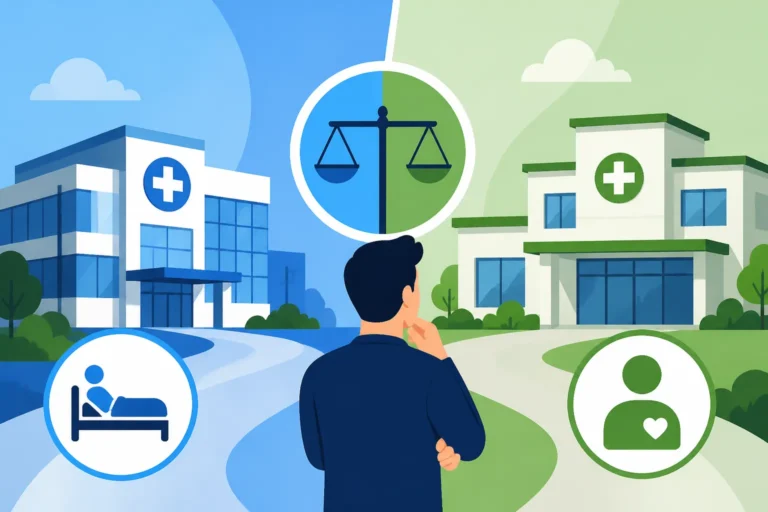
In Ireland, the public and private systems are inextricably linked. Many consultants work in both, and many private hospitals are located right next to public ones. As an expat, you have to decide whether you want to rely on the HSE or pay for the "fast track" of private care.
When it comes to emergency care, the "Private A&E" is a unique feature of the Irish landscape. Hospitals like the Blackrock Clinic or the Beacon Hospital have their own emergency departments. They are not free, and they are not subsidized. You will pay an initial consultation fee (often between €150 and €250) just to walk through the door.
The Hidden Costs of Public Care
While the public system is "cheaper" on the surface, the hidden costs come in the form of time and follow-up care. If you are treated in a public A&E, your follow-up appointments will also be in the public system. This means you might wait months for an MRI or a specialist consultation that would take days in the private sector.
For an expat working in a high-demand job, the "cost" of being out of action for weeks while waiting for a public scan often outweighs the cost of private insurance premiums. This is a common debate in the community, often explored in Public vs Private Healthcare in Ireland: Which Should Expats Choose?.
How Private Insurance Changes the Game
If you have a robust private insurance plan, you can choose to be a "private patient" in a public hospital. This sounds confusing, but it essentially means your insurance company pays a much higher rate to the hospital, and in return, you may get a semi-private or private room (subject to availability) and your choice of consultant.
However, since the abolition of inpatient charges in 2023, the financial benefit of being a private patient in a public ward has diminished for the patient. The main advantage now remains speed of access to elective procedures and scans. If you are just starting your search, Health Insurance in Ireland: VHI, Laya, Irish Life and Options Explained is the best place to start comparing plans.
| Feature | Public A&E (HSE) | Minor Injury Unit | Private A&E (e.g., Beacon) |
|---|---|---|---|
| Initial Fee | €100 (Free with GP letter) | €100 (Free with GP letter) | €150 – €250 |
| Typical Wait Time | 8 – 18 Hours | 2 – 4 Hours | 1 – 3 Hours |
| Referral Needed? | No, but saves money | No | No |
| Inpatient Charge | €0 (Abolished 2023) | N/A (Outpatient only) | Varies by Insurance |
| Follow-up Care | Public Waiting List | Limited | Private / Rapid Access |
Strategic Advice for Newcomers
If you have just arrived in Ireland, don't wait for an emergency to happen before you learn how the system works. My first piece of advice is always to get your "Ordinary Residence" status sorted. This usually means showing you intend to live in Ireland for at least a year (a work contract or lease agreement is usually enough). This status is what entitles you to the subsidized public rates.
Getting Your Medical Card or GP Visit Card
If your income is below a certain threshold, or if you have high medical expenses, you should apply for a Medical Card or a GP Visit Card immediately. Even if you don't qualify for the full Medical Card, the GP Visit Card allows you to see your doctor for free, which in turn gives you those all-important free referral letters to the A&E. You can find the specific details in Understanding the Medical Card Means Test in Ireland.
Travel Insurance vs. Private Health Insurance
Many expats arrive on a "Working Holiday Visa" or a "Critical Skills Permit" and rely on their travel insurance for the first few weeks. It is vital to understand that most travel insurance—including the initial stages of SafetyWing—is designed for emergencies, not for chronic care or routine GP visits.
Once you are settled, you should transition to an Irish-regulated health insurance provider to avoid "Lifetime Community Rating" loadings. If you wait until you are over 34 to join an Irish plan, you will pay a 2% loading for every year over that age. This is a trap many expats fall into. Learn more about how to avoid this in How to Buy Private Health Insurance as a Newcomer in Ireland.
Setting Up Your Emergency Plan
Finally, do a "dry run." Find out where your nearest public A&E is, where the closest Minor Injury Unit is located, and which GP surgeries in your area are currently accepting new patients. Many surgeries are "closed" to new patients due to the doctor shortage, so this is something you want to solve on a Tuesday morning, not a Saturday night when you have a fever.
If you are living in the capital, Where Is the Nearest HSE Health Centre in Dublin? is a great resource to keep bookmarked. Knowing the geography of care will reduce your stress levels significantly when things actually go wrong.
Understanding Public Hospital Charges and the A&E Fee in Ireland Disclaimer
This guide is intended for informational purposes only and reflects the healthcare system in Ireland. Healthcare policies, fees, and legislation can change frequently. Always consult the official Health Service Executive (HSE) website or a qualified legal or medical professional regarding your specific entitlements, residency status, and medical care. The author is a veteran expat sharing personal experiences and research, not a government representative or a financial advisor. Fees mentioned (such as the €100 A&E charge) are standard rates and may vary based on individual circumstances or future policy updates.