How to Enrol Your Child in an Irish School
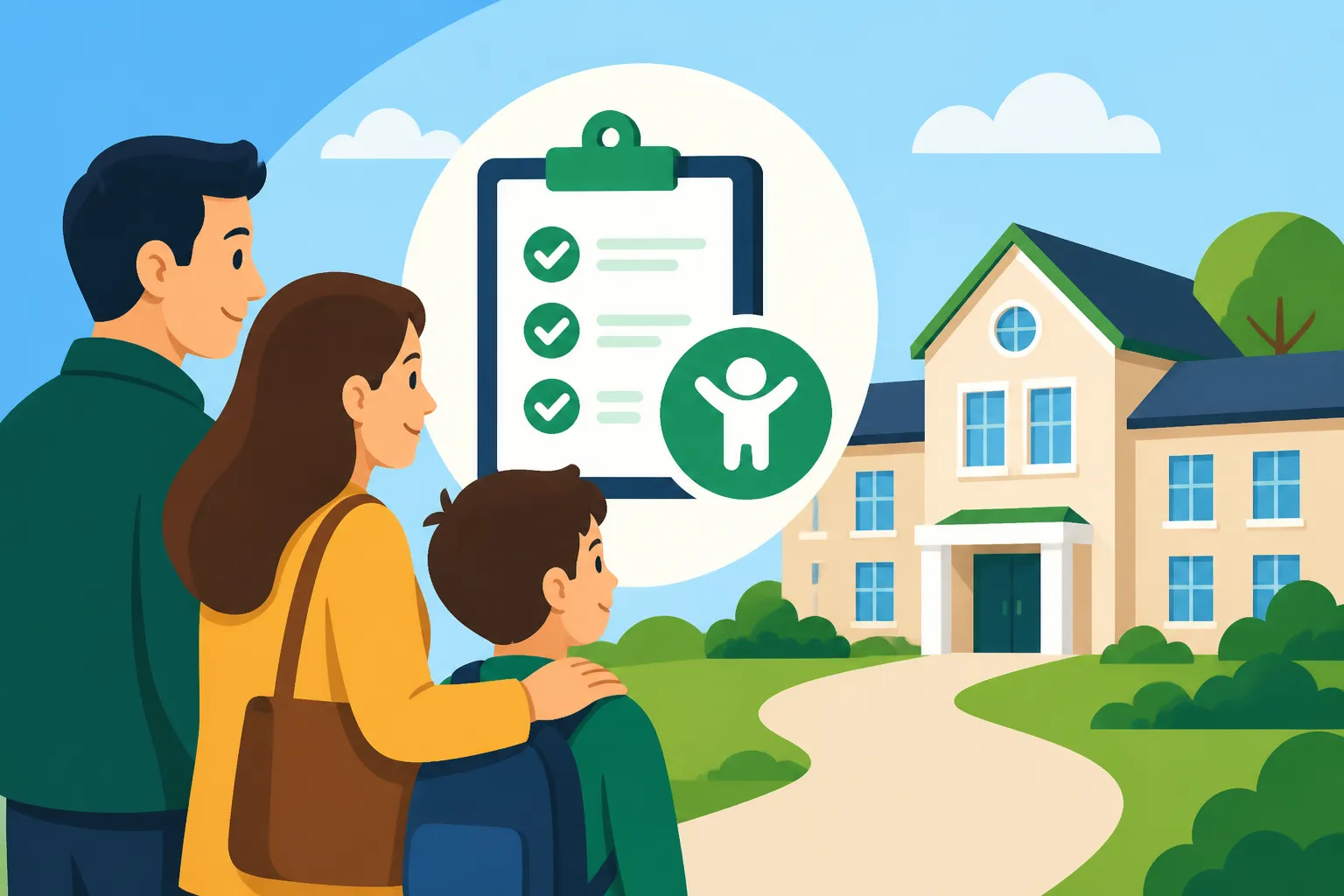
Moving to Ireland with children brings a unique blend of excitement and trepidation, and let's be honest, the thought of navigating a whole new school system can feel like climbing Mount Everest in flip-flops. From deciphering school types to understanding catchment areas and enrolment deadlines, it's a labyrinth that can leave even the most seasoned expat scratching their head. This comprehensive guide will walk you through every step of enrolling your child in an Irish school, cutting through the confusion and providing the clarity you need to ensure a smooth transition for your little ones.
Understanding the Irish School System
Before you even start looking at schools, it’s crucial to wrap your head around how education works here in Ireland. It’s probably quite different from what you’re used to back home, and understanding the basics will save you a lot of grief and confusion down the line. We’re talking about a system rooted in history, with a mix of public and private options, and a strong emphasis on community.
Primary Education: From Junior Infants to Sixth Class
Primary school in Ireland typically caters to children from ages 4 to 12. The journey starts with Junior Infants, usually for children turning four by a specific date (often September 1st, though this can vary slightly by school), and goes all the way up to Sixth Class. It’s a foundational period, focusing on literacy, numeracy, and a broad curriculum including Irish language (Gaeilge), history, geography, science, and the arts.
One of the first things you'll notice is the strong influence of the Catholic Church. Historically, most national (primary) schools in Ireland were founded by religious orders. While many still retain a Catholic ethos, there's a growing number of multi-denominational schools, such as those run by Educate Together, which aim to provide an inclusive environment for children of all backgrounds and none. There are also a smaller number of Gaelscoileanna, where teaching is conducted entirely through the Irish language, offering a full immersion experience. Deciding on the ethos that best fits your family's values is an important first step. For a deeper dive into these options, you might find our guide on Understanding the School System Primary, Secondary, Educate Together to be incredibly helpful.
Secondary Education: Junior Cycle and Senior Cycle
After primary school, children transition to secondary school, which typically runs from ages 12 to 18 or 19. Secondary education is split into two main cycles: the Junior Cycle and the Senior Cycle. The Junior Cycle usually lasts three years (First Year to Third Year) and culminates in the Junior Cycle Profile of Achievement (JCPA), which replaced the old Junior Certificate. This cycle focuses on a broad curriculum to give students a taste of various subjects before they specialise.
The Senior Cycle, lasting two or three years (Fourth Year to Sixth Year), prepares students for the Leaving Certificate, the national examination that largely determines entry to universities and colleges. Some schools offer an optional Transition Year (TY) after the Junior Cycle, which is a non-academic year focused on personal development, work experience, and community involvement. It’s a fantastic opportunity for students to mature, explore interests, and gain practical skills, and many expat families find it a valuable experience for their children adapting to a new country. The decision to opt for TY is often a big one, as it extends secondary school by a year but can be incredibly enriching.
The Primary School Enrolment Process
Enrolling your child in primary school in Ireland can sometimes feel like a competitive sport, especially in densely populated areas like Dublin. Places can be highly sought after, and schools often have very specific enrolment policies. It’s not uncommon to hear stories of parents putting their child’s name down practically at birth, though new legislation aims to make the process fairer.
Researching Local Schools and Catchment Areas
Your first port of call should be to identify the primary schools in your local area. The Department of Education and Skills website (gov.ie) is a great resource, offering a school finder tool. However, a more hands-on approach is often best. Talk to other parents in your neighbourhood, especially other expats, who have navigated this journey. They'll give you the real lowdown on which schools are genuinely good, what the atmosphere is like, and how difficult it is to get a place.
Each school has an Admissions Policy, which you must read carefully. These policies outline the criteria for admission, which often include factors like siblings already attending the school, children of staff members, and, crucially for many, living within a defined "catchment area." Living within the catchment area doesn't guarantee a place, but it significantly increases your chances. This is why when you’re looking for a place to live, it’s worth considering The Best Places to Live in Ireland for Expats: A Complete Guide, which often takes school access into account. Sometimes, moving just a street or two can make all the difference, so ensure your housing choices align with your preferred schools.
Application Steps and Required Documents
Once you've identified potential schools, the application process usually begins in the autumn or early winter of the year before your child is due to start (e.g., for a September 2026 start, you’d apply in late 2025). Many schools now require applications to be submitted online through their website, though some may still prefer paper forms.
Here’s a typical list of documents you’ll need to have ready, and I cannot stress enough how important it is to have these neatly organised and readily available:
| Document Type | Purpose | Notes |
|---|---|---|
| Child's Birth Certificate | Proof of age and legal name. | Ensure it's an official, certified copy. Foreign birth certificates are generally accepted but may require translation and apostille. |
| Proof of Address | To verify you live within the school's catchment area. | Utility bills (electricity, gas, internet), a current rental agreement (registered with the Residential Tenancies Board), or a mortgage statement are commonly accepted. A recent bank statement can sometimes work too. Make sure the address on all documents matches. |
| Parent/Guardian Photo ID | Identification of the person enrolling the child. | Passport or Irish driving licence are standard. |
| PPS Number (Child & Parent) | Essential for all public services in Ireland, including education. | Your child will need a PPSN for school funding. If your child doesn't have one, apply for it as soon as possible after arrival. Our guide on How to Register for Tax and Get a PPS Number in Ireland is a must-read for this. |
| Baptismal Certificate (if applicable) | For Catholic schools, demonstrating adherence to the school's ethos, often a criterion for admission. | If you’re applying to a Catholic school and wish to qualify under a faith-based criterion, this is vital. |
| Previous School Reports | For children transferring mid-year or into higher classes. | Not strictly necessary for Junior Infants but good to have if your child has attended school elsewhere. |
| Immunisation Records | Proof of vaccinations, though not usually an admission requirement, good for school records. | While not always mandatory for admission, schools will request these for their health records. It’s always good practice to have your child's vaccination schedule up to date. For information on healthcare, check out The Complete Guide to Healthcare in Ireland for Expats (2027). |
After submitting the application, you'll typically receive an acknowledgement. Then comes the nerve-wracking wait. Offers of places are usually sent out in the spring. If you accept an offer, you'll need to confirm it by a specified date, often accompanied by a small registration fee (which is typically refundable or goes towards initial school supplies). If you don't hear back, or are declined, don't despair! Get in touch with the school to understand why and ask about waiting lists.
Navigating Secondary School Admissions
Transitioning from primary to secondary school in Ireland is a significant milestone, and the enrolment process for secondary schools has its own set of rules and nuances, which can sometimes feel even more complex than primary. It often starts earlier, with some schools accepting applications two or three years in advance.
Exploring Secondary School Options and Ethos
Just like primary schools, secondary schools in Ireland come in various forms. You have the publicly funded "Voluntary Secondary Schools," many of which still have a religious ethos (Catholic, Church of Ireland, etc.). Then there are "Community Colleges" and "ETB (Education and Training Board) Schools," which are generally multi-denominational and state-run. There are also a few "Comprehensive Schools" and, increasingly, "Gaelcholáistí" (Irish-speaking secondary schools).
Your choice will depend on many factors: location, academic reputation, extracurricular activities, and the school's ethos. Do you want a single-sex or co-educational environment? Is a strong sports programme important? What about arts or technology? Visit school open days if you can, talk to students and teachers, and don't hesitate to ask about their support systems for new students, especially those from international backgrounds. Remember, what looks good on paper might not be the right fit for your child's personality and learning style.
Application Timelines and Entry Requirements
The application timeline for secondary schools often begins when your child is in 5th or 6th Class of primary school, sometimes even earlier. Many schools have application windows that open a year or two before entry, so it’s essential to be proactive. For instance, if your child is due to start First Year in September 2028, some popular schools might open their applications in September 2026. This forward planning is crucial.
Entry requirements can vary significantly. Voluntary secondary schools, particularly those with a strong traditional reputation, may prioritise applicants based on:
- Feeder Primary Schools: Children from specific primary schools that historically send students to that secondary school.
- Siblings: Brothers or sisters already attending the secondary school.
- Parents as Alumni: Parents who previously attended the school.
- Religious Denomination: For denominational schools, baptismal certificates might be required.
- Catchment Area: Similar to primary schools, living within a specific geographical zone is often a significant factor.
It's absolutely vital to check the admissions policy for each secondary school you're interested in, as these are legally binding documents. Don’t assume anything based on hearsay; get the official policy. If you're looking for housing, keep these school zones in mind. Our guide on Understanding Tenant and Landlord Rights Under the RTB in Ireland might not directly help with school choices, but getting your tenancy sorted correctly is fundamental to proving your address for school applications.
Special Considerations for Expats
As an expat family, you face a few extra hoops to jump through when enrolling your child in an Irish school. But don't worry, many before you have navigated these waters successfully, and there are resources to help smooth the way.
Document Translation and Equivalence
If your child has attended school abroad, you'll likely have reports, transcripts, and perhaps vaccination records from their previous country. While many Irish schools are accustomed to international students, it's always best to have key documents translated into English by a certified translator. This isn't usually a strict legal requirement, but it makes the school’s job of understanding your child’s academic history and health records much easier. Sometimes, school reports might need an explanation of the grading system if it's very different from the Irish system (which typically uses percentages or letter grades for state exams).
In terms of academic equivalence, for primary school, it’s rarely an issue. For secondary school, if your child is joining mid-cycle or into an older year, the school will assess their previous learning. They’ll look at what subjects your child has studied and try to place them in the most appropriate year group. It’s a good idea to bring samples of your child’s work or a portfolio if they have one, to help the school gauge their level, especially in core subjects like Maths and English.
English Language Support and Additional Needs
One of the biggest concerns for many expat parents is their child's English language proficiency, particularly if English isn't their first language. Good news: Irish schools are generally very welcoming and often provide English as an Additional Language (EAL) support. This can range from in-class support from a dedicated EAL teacher to small group withdrawals for intensive language development. When you contact schools, always ask about their EAL programme and how they support non-native English speakers.
For children with identified Special Educational Needs (SEN), the process can be more complex. Ireland has a robust system for supporting children with SEN, managed by the National Council for Special Education (NCSE). If your child has an existing diagnosis or requires specific support (e.g., SNA – Special Needs Assistant support, resource teaching), you’ll need to provide all relevant reports and assessments from their previous country. It’s crucial to initiate contact with schools and, if necessary, the NCSE as early as possible to understand what support is available and how to access it. Bear in mind that getting comprehensive SEN support can involve waiting lists and assessments by Irish professionals, so proactive planning is key.
Exploring International and Private School Options
While most expats enrol their children in the mainstream national school system, some families opt for international or private schools. These schools typically follow an international curriculum (like the International Baccalaureate or a specific country's curriculum) or an enhanced Irish curriculum, often with smaller class sizes and more extensive facilities.
Pros of International/Private Schools:
- Curriculum Continuity: Ideal if you anticipate moving again to another country with a similar curriculum.
- Smaller Class Sizes: Often leads to more individualised attention.
- Extensive Facilities: State-of-the-art sports, arts, and science facilities are common.
- Diverse Student Body: A high percentage of international students can make new arrivals feel more at home.
- English as Primary Language: Guarantees an English-speaking environment.
Cons of International/Private Schools:
- Cost: This is the biggest factor. Tuition fees can be substantial, ranging from €10,000 to €25,000+ per year. Our guides on Understanding the Cost of Private and International Schools in Ireland and How Much Are Private School Fees in Dublin? offer a detailed breakdown.
- Less Local Integration: Children might have fewer opportunities to integrate fully into Irish culture and language.
- Limited Locations: International schools are primarily found in and around major cities like Dublin.
For many, the cost alone rules out private schools. However, if your company offers an education allowance, or if you plan on frequent international moves, they can be an excellent option for maintaining educational consistency.
Common Challenges and How to Overcome Them
Let's be real, moving to a new country and enrolling your kids in school is rarely a walk in the park. There will be challenges, frustrations, and moments when you want to pull your hair out. But every expat goes through it, and there are ways to navigate these bumps in the road.
Dealing with Waiting Lists and Limited Places
This is arguably the most common and exasperating challenge. Especially in popular areas and for younger age groups (Junior Infants) or specific secondary schools, waiting lists can be long. You might apply to several schools and find yourself on multiple lists, with no guarantee of a place. This can be incredibly stressful, particularly if you’ve moved specifically for a job and need your children settled quickly.
Strategies to cope:
- Apply Early and Broadly: Don't put all your eggs in one basket. Apply to as many suitable schools as possible, even if they're not your top choice. You can always decline later.
- Follow Up Regularly (but politely!): Once your child is on a waiting list, a polite email or call every few months to the school secretary can keep your application fresh in their mind. Don't be a pest, but do show continued interest.
- Consider Temporary Solutions: If you arrive mid-year, or can't secure a place immediately, look into options like home-schooling for a short period, or temporary enrolment in a private school that might have more flexibility.
- Explore All School Types: Don't discount schools purely because of their ethos (e.g., Catholic schools if you're not Catholic). Many schools are highly inclusive, and their primary goal is education.
- Be Flexible with Location: This is a big one. Sometimes, getting a school place means being open to living in a slightly different area than you originally envisioned. When you're assessing the cost of living in Ireland for expats, factor in housing flexibility to be closer to viable school options.
Adapting to a New Curriculum and Language
For children coming from a different educational system, adapting can take time. The curriculum might be structured differently, the teaching style could be unfamiliar, and even if they speak English, the Irish accent and local slang can be a hurdle.
Tips for smooth adaptation:
- Talk to the Teachers: Maintain an open line of communication with your child's teachers. Ask how your child is settling in, if they're struggling with anything specific, and what you can do at home to support them.
- Encourage Socialisation: Facilitate playdates and participation in extracurricular activities. Making friends is key to feeling settled. Joining local sports clubs (GAA, soccer, rugby) or youth groups can be a fantastic way for children to integrate quickly.
- Embrace the Irish Language: Gaeilge is a compulsory subject in Irish schools. While it can be daunting for newcomers, approach it with an open mind. Support your child with their homework, maybe even try learning a few phrases yourself! It's part of the Irish cultural experience.
- Patience is Key: It takes time to adjust. Some children dive right in, others take a few months, and some may struggle for longer. Be patient, be understanding, and reassure your child that it's okay to find things challenging.
Connecting with the School Community
Becoming part of the school community can greatly enhance your family's experience in Ireland. Schools are often the hub of local activity, and getting involved can help both you and your children feel more connected.
Ways to engage:
- Parents' Association: Most schools have an active Parents' Association. Joining this is a brilliant way to meet other parents, understand school events, and contribute to your child's educational environment.
- Volunteer Opportunities: From helping out with school events, fundraising, or even just reading with younger children, schools often appreciate parent volunteers.
- Attend School Events: Go to plays, sports days, concerts, and parent-teacher meetings. These are not just for your child, but also for you to connect with the wider school community.
- Connect with Other Expat Families: Seek out other expat parents at the school. They often have invaluable advice and can offer a much-needed sympathetic ear! A service like Sirelo can help with the logistics of moving your belongings, but it's these social connections that truly make a house a home.
Getting Ready for School Life in Ireland
Once you've secured a school place, the real fun begins: preparing your child for their new Irish school adventure! This involves everything from school uniforms to packed lunches, and understanding the general rhythm of the school day.
School Uniforms and Supplies
Irish schools typically have a school uniform, which is often a source of great pride for students. The uniform usually consists of specific colours and items, sometimes with a school crest. You’ll usually get a list of required uniform items from the school, and often there's a specific supplier (either a local shop or an online store). It’s an added expense, so factor it into your initial moving budget.
Beyond uniforms, you'll need standard school supplies: pens, pencils, notebooks, and a sturdy school bag. Many schools also require specific textbooks and workbooks, which they might sell directly or provide a list for you to purchase from a local bookshop. Don't rush out and buy everything until you have the official list from the school, as requirements can vary.
Daily Routines and Extracurricular Activities
The typical Irish primary school day runs from about 8:50 am or 9:20 am to 2:30 pm or 3:00 pm, with a morning break and a lunch break. Secondary school hours are usually a bit longer, ending around 3:30 pm or 4:00 pm. Lunch is typically a packed lunch from home; school canteens are less common in primary schools than in many other countries, though some secondary schools do have them.
Extracurricular activities are a big part of school life in Ireland. Sports like Gaelic football, hurling, soccer, and rugby are immensely popular. Many schools also offer drama clubs, music lessons, debating societies, and art classes. Encouraging your child to get involved is a fantastic way for them to make friends, develop new skills, and feel more connected to their new environment. For older children, participating in activities is a great way to bond, and it really helps with the overall settling-in process. You might even find yourself on the sidelines cheering them on!
Staying Connected and Informed
Communication is key, especially during those initial months. Most schools use a combination of methods to keep parents informed:
- School Website and App: Many schools now have a dedicated website and sometimes an app (like Aladdin Connect or similar) for notices, calendars, and direct communication.
- Email and Text Messages: Expect regular updates via email or text for school closures, events, or important announcements.
- Parent-Teacher Meetings: These are held annually, usually in the autumn/winter for primary, and more frequently for secondary students if needed.
- Informal Chats: Don't underestimate the power of a quick chat with your child's teacher at pick-up or drop-off time for minor queries.
Ensure the school has your up-to-date contact details, especially your mobile number and email. As an expat, having a reliable way to communicate is essential. Keeping your phone topped up or using an eSIM from providers like Airalo can ensure you don't miss any critical updates, especially in those first few frantic weeks of settling in. Remember, schools are used to dealing with expat families, so don't be afraid to ask for clarification if something isn't clear. They want your child to succeed just as much as you do.
Disclaimer
The information provided in this guide is intended for general informational purposes only and does not constitute legal or professional advice. While we strive to keep the information up-to-date and accurate, school enrolment policies and regulations in Ireland can change. It is always recommended to verify specific details with the individual schools and the official Department of Education and Skills (gov.ie) directly.