Understanding the School System (Primary, Secondary, Educate Together)
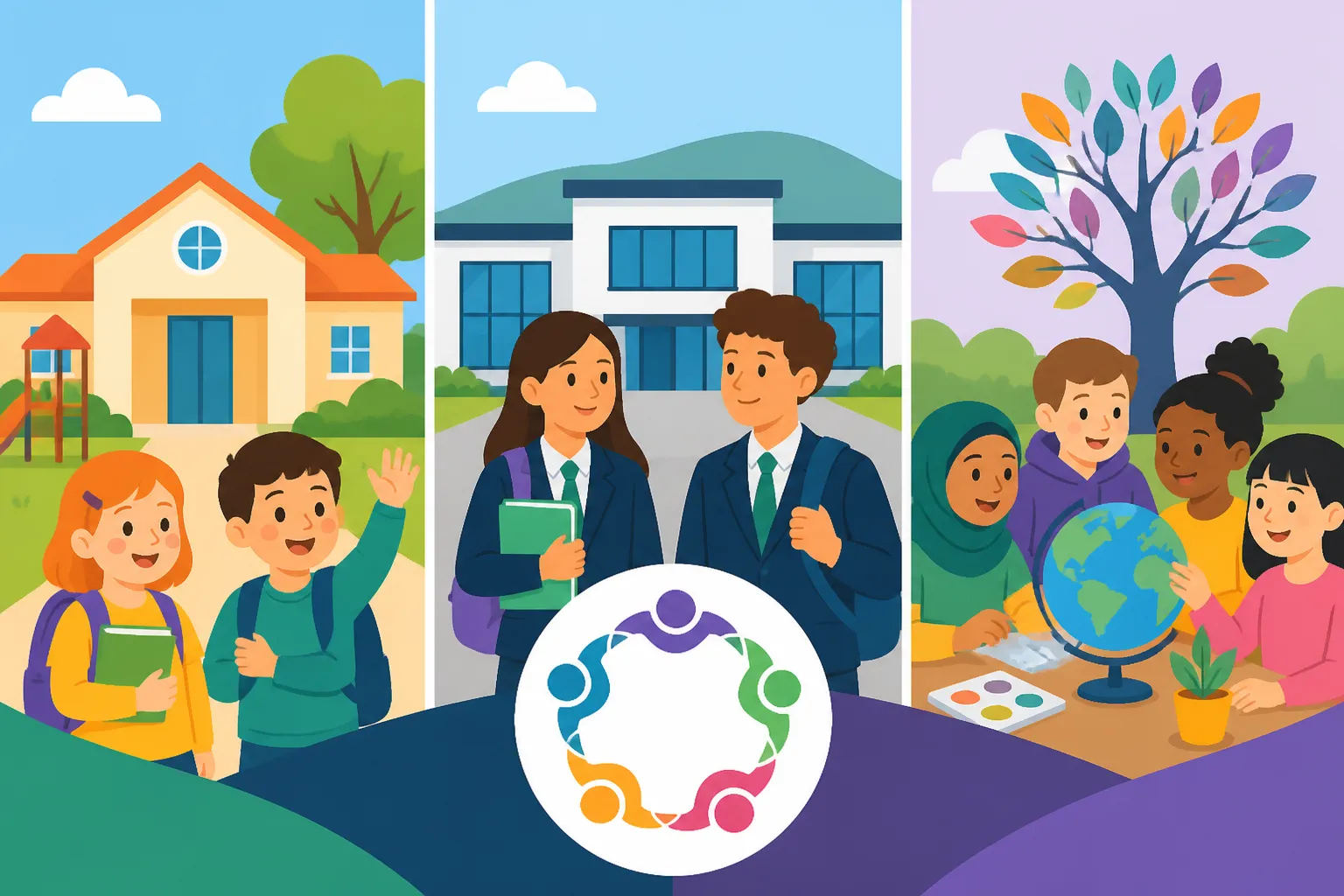
Moving to a new country like Ireland is exhilarating, but for expat families, one of the biggest anxieties often revolves around the children's education. The Irish school system can seem like a labyrinth of terms, ethos, and application processes that are wildly different from what you're used to back home. This guide is here to untangle that knot for you, breaking down the primary, secondary, and alternative school options like Educate Together, so you can make informed choices for your little ones as you settle into your new Irish life.
The Foundation: Primary School in Ireland
When you first arrive in Ireland with young children, your primary concern will likely be finding a primary school. The primary education system here is quite distinct, catering to children from as young as four years old, right up to twelve. It’s a formative period, and understanding its structure is key to a smooth transition for your family.
The Junior & Senior Infant Years: Starting Out
Irish primary school isn't just about reading, writing, and arithmetic from day one. It begins with two crucial years known as Junior Infants and Senior Infants. Children typically start Junior Infants in September of the calendar year they turn four. Yes, that means some children will be just turned four, while others might be nearly five! This age range can be a surprise for many expat parents, especially those from systems where formal schooling starts later. These early years are incredibly play-based, focusing on social development, fine motor skills, early literacy, and numeracy through engaging activities. It’s a gentle introduction to school life, designed to ease children into the routine and prepare them for more structured learning. The curriculum here is all about fostering curiosity and a love for learning, rather than rigid academic targets.
Mainstream Primary Education: What to Expect
After the infant years, children progress through First Class up to Sixth Class. This is where the core academic curriculum really takes shape. Subjects taught generally include English, Gaeilge (Irish language), Mathematics, Social, Environmental and Scientific Education (SESE), Arts Education (visual arts, music, drama), Physical Education (PE), and Social, Personal and and Health Education (SPHE). The emphasis in Irish primary schools is often on a holistic approach, aiming to develop well-rounded individuals. Learning Gaeilge is a mandatory part of the curriculum for all students, which can be a steep learning curve for expat children, but schools are generally well-equipped to support non-native speakers. It's an immersive experience for many, but don't fret; there are resources to help your child adapt. You'll find that many schools also integrate local history and culture into their lessons, providing a wonderful opportunity for your children to connect with their new environment.
Curriculum and Daily Life
A typical primary school day in Ireland runs from around 9:00 AM to 2:40 PM for older children, with infant classes often finishing earlier, around 1:40 PM. Lunch is usually a packed affair from home, as most Irish schools don't have cafeterias serving hot meals, so get ready to become a master of the packed lunch! The curriculum is set by the Department of Education, ensuring a nationwide standard, but individual schools often have their own unique character, traditions, and extracurricular offerings. You might find schools with strong sports programmes, others with a focus on music, or even those deeply involved in environmental initiatives. When you're looking for a school, it’s worth asking about their approach to these aspects, as they can significantly impact your child's overall experience. Finding the right fit for your child is crucial, and it's not always just about academics.
Stepping Up: Secondary School in Ireland
Once primary school concludes, typically after Sixth Class around age 12, students transition to secondary education. This stage, which usually lasts five or six years, is far more academically structured and culminates in the all-important Leaving Certificate, which is the gateway to higher education in Ireland.
The Junior Cycle: First Steps into Secondary
The first three years of secondary school are known as the Junior Cycle, typically for students aged 12 to 15. During this time, students study a broad range of subjects, usually around ten to twelve, including the mandatory English, Irish, and Maths. Other common subjects include Science, History, Geography, Business Studies, a modern European language (like French, German, or Spanish), Home Economics, and a variety of practical and artistic subjects such as Art, Music, Woodwork, Metalwork, and Technical Graphics. The Junior Cycle culminates in the Junior Certificate examinations, usually taken at the end of Third Year. These exams are important for assessing progress but are not typically used for progression to the Senior Cycle, rather they provide a good foundation and an early experience with formal state examinations. It’s a big leap from the more nurturing primary school environment, with students often moving between different teachers and classrooms for each subject.
The Senior Cycle: Preparing for Adulthood and Higher Education
Following the Junior Cycle, students embark on the Senior Cycle, which typically lasts two or three years. Most students will spend two years preparing for the Leaving Certificate, but there's also an optional 'Transition Year' (TY) that many schools offer in Fourth Year. Transition Year is a unique and often highly valued feature of the Irish system, designed to bridge the gap between the Junior and Senior Cycle. It’s non-examinable and focuses on personal development, life skills, work experience, community involvement, and often includes international travel opportunities or creative projects. For expat children, TY can be an excellent way to integrate, build confidence, and explore new interests without the pressure of exams. After TY (or directly after the Junior Cycle), students enter Fifth and Sixth Year, which are dedicated to preparing for the Leaving Certificate examinations. This is where things get serious, as results from these exams largely determine entry into universities and other third-level institutions.
Key Subject Choices and Exams
In the Senior Cycle, students choose a more focused set of subjects, typically seven, for their Leaving Certificate. The mandatory subjects remain English, Irish (though some exemptions apply for certain expats), and Maths. The choice of other subjects is vast and can vary significantly between schools, including sciences (Physics, Chemistry, Biology), business subjects (Accounting, Economics), humanities (History, Geography, Classical Studies), languages, and practical subjects. Choosing subjects wisely is crucial, as certain university courses require specific Leaving Certificate subjects at particular grades. The Leaving Certificate exams are highly competitive and take place in June of Sixth Year. This period can be intense for students and parents alike, with a strong focus on study and revision. It’s a system that, for all its pressures, produces well-prepared students for higher education. For parents looking to delve deeper into the system, understanding the nuances of how specialist and consultant referrals work in Ireland for healthcare or how the tax system works for their income can offer parallels in navigating complex administrative systems.
A Different Path: Educate Together and Other Options
While the traditional primary and secondary schools form the backbone of the Irish education system, there are increasingly diverse options available, reflecting Ireland's growing multicultural landscape. For many expat families, these alternative models can offer a more familiar or more aligned educational philosophy.
Educate Together: A Multi-Denominational Choice
One of the most popular alternatives, especially for expat families, is the Educate Together school model. These schools are child-centred, equality-based, co-educational, and democratically run. Unlike the vast majority of traditional primary schools in Ireland, which have a Catholic ethos, Educate Together schools are multi-denominational. This means they are welcoming of all faiths and none, teaching about different religions and beliefs in an ethical, inclusive manner rather than promoting one specific faith. For many international families, this inclusive ethos is a huge draw, as it mirrors the diversity they might be used to in their home countries or simply aligns better with their personal values. They aim to create a learning environment where every child feels equally valued and respected. This inclusive approach extends to their curriculum, which also includes the standard national curriculum but is delivered with a focus on active learning and critical thinking.
Gaelscoileanna (Irish-Medium Schools) and Steiner Schools
Beyond Educate Together, you'll find other alternative educational pathways. Gaelscoileanna are Irish-medium schools, where the entire curriculum is taught through the Irish language. For children new to Ireland, this can be a very intense, but incredibly effective, way to immerse them in the language and culture. While it might seem daunting, children are remarkably adaptable, and many quickly pick up Irish in these environments. These schools are generally highly regarded for their academic standards and cultural immersion. Another option, though less common, are Steiner (Waldorf) schools. These schools follow the educational philosophy of Rudolf Steiner, focusing on holistic development, creativity, and imaginative play, with a curriculum that integrates arts and practical skills. They offer a very different approach to learning, often with multi-age classrooms and a strong emphasis on hands-on experiences. While these can be wonderful environments, they might not be readily available in all areas, and it's essential to research their specific philosophy to see if it aligns with your family's needs.
Private and International Schools
For those with the financial means, Ireland also offers a range of private and international schools. These schools often cater specifically to the expat community, sometimes following international curricula like the International Baccalaureate (IB) or specific national curricula (e.g., British, American). They typically boast smaller class sizes, extensive facilities, and a diverse student body. While the fees can be substantial, they offer a consistent educational experience for children who might move between countries frequently, ensuring continuity in their learning journey. Schools like St. Andrew's College or Nord Anglia International School Dublin are examples of institutions that provide this kind of international education. It's worth noting that How much are private school fees in Dublin? can be a significant question for many families, as these costs are often a major factor in their overall budget. If you're considering this route, research early, as places can be competitive.
Navigating Admissions and Practicalities for Expats
The Irish school admissions process can feel like a bit of a scramble, especially when you're new to the country and perhaps don't have a deep understanding of catchment areas or local traditions. This is where planning and persistence really come into play.
Understanding Catchment Areas and Application Processes
For public primary and secondary schools, admissions are largely based on location. Most schools operate within a defined 'catchment area', prioritising children who live closest to the school. This means that where you choose to live can directly impact which school your child can attend. It's a key factor when you're looking for a home; indeed, many expats specifically look for a home near good schools in Ireland. The application process typically involves filling out an application form, usually available directly from the school, and submitting it by a specific deadline, often in the autumn of the year before your child is due to start. For example, if your child is starting Junior Infants in September 2026, you'd likely be applying in October 2025. It's not uncommon for schools, especially in urban areas like Dublin, to have waiting lists, so applying early is crucial. Don't be shy about contacting schools directly, even if it feels a bit early; they are generally very helpful in explaining their specific procedures.
Essential Documents and Enrollment Hurdles
When enrolling your child, you'll need a range of documents. These typically include:
- Your child's birth certificate
- Proof of address (utility bill, tenancy agreement, etc.)
- Your child’s PPSN (Personal Public Service Number)
- Immunisation records
- Any relevant educational or psychological reports (if your child has special educational needs)
- For non-EEA nationals, proof of your child's immigration status
Sometimes, you might also need a letter from a previous school outlining attendance and progress. The biggest hurdle for many expats can be securing a place if you arrive mid-academic year or in an area with high demand. Patience is a virtue here, and sometimes you might need to broaden your search to neighbouring areas. If you're moving your whole life here, remember that logistics can be tricky, from shipping your belongings with services like Sirelo to getting your phones set up with an eSIM from Airalo to stay connected for calls and online applications. Every little bit of preparation helps ease the administrative burden. Knowing how to enrol your child in an Irish school effectively is paramount to settling into your new life.
School Costs, Uniforms, and Transport
While primary and secondary education in Ireland is generally considered "free," there are indeed costs involved that parents need to budget for. You'll typically pay an 'enrolment fee' or 'voluntary contribution' to the school, which helps cover costs not fully funded by the state. You'll also need to budget for school uniforms, which are mandatory in almost all primary and secondary schools. These usually consist of specific colours and often include a school crest, purchased from designated suppliers. Textbooks and school supplies are another significant expense, especially in secondary school. The government does have schemes like the Back to School Clothing and Footwear Allowance for eligible low-income families, but many expats won't qualify for this immediately. For transport, many students walk or cycle to school. Bus services are available, especially in rural areas, but often require registration and a fee. If you’re looking into The complete guide to cost of living in Ireland for expats (2026), these school-related costs are definitely something to factor in.
Understanding the Wider Context: Beyond the Classroom
Education in Ireland extends well beyond the confines of the classroom. For expat families, truly integrating into the school community and supporting your child's overall well-being in their new environment is just as important as academic success.
Parent-Teacher Communication and Involvement
Parental involvement is highly valued in Irish schools. You’ll find that communication between parents and teachers is generally open and encouraged. Most schools hold formal parent-teacher meetings once a year, where you can discuss your child’s progress and any concerns. However, teachers are usually approachable for informal chats or quick queries throughout the year. Many schools also have Parent Associations (PAs) or Boards of Management, and getting involved, even in a small capacity, can be a fantastic way to meet other parents, understand school dynamics, and feel more connected to your new community. This involvement can also give you insights into the school's culture and priorities, helping you address any unique challenges your child might face as they adapt. It might seem like just another thing on your plate when you're also figuring out things like the complete guide to working in Ireland as a foreigner (2026), but it's truly beneficial for integration.
Extracurricular Activities and Social Integration
Irish schools, particularly at secondary level, offer a wide array of extracurricular activities. From Gaelic games (Gaelic football, hurling, camogie) to soccer, rugby, basketball, and athletics, sports play a huge role. There are also opportunities in music, drama, debating, art clubs, and various academic societies. Encouraging your child to participate in these activities is one of the best ways to help them make friends, develop new skills, and feel a sense of belonging. For expat children, especially those still finding their feet socially, these activities can be invaluable for forging connections outside of the classroom and building confidence. It’s often through these shared experiences that true friendships are made. Remember, when kids feel settled, the whole family feels settled.
Supporting Your Child's Transition and Well-being
Moving to a new country and starting a new school can be incredibly challenging for children, regardless of their age. They might face language barriers, cultural differences, and the emotional toll of leaving behind friends and familiarity. It’s vital to provide a strong support system at home. Listen to their concerns, validate their feelings, and celebrate small victories. Most schools have pastoral care systems or guidance counsellors, especially at secondary level, who can offer support. Don't hesitate to reach out to them if your child is struggling. Many schools also have buddy systems or specific programmes to help new students integrate. Ultimately, your children's well-being is paramount, and a happy child is one who will thrive in their new educational environment in Ireland.
Here’s a quick overview of the key differences you might encounter:
| Feature | Primary School (Junior Infants – 6th Class) | Secondary School (1st – 6th Year) | Educate Together Schools |
|---|---|---|---|
| Ages | ~4/5 to 12 years | ~12 to 18 years | ~4/5 to 12 years (primary) |
| Curriculum Focus | Play-based, holistic, foundational | Academic, exam-focused (Junior & Leaving Cert) | Standard curriculum with ethical framework |
| Duration | 8 years | 5 or 6 years (with Transition Year) | 8 years (primary) |
| Ethos/Religion | Predominantly Catholic (historically) | Varies (denominational & non-denominational) | Multi-denominational, equality-based |
| Key Exams | None (internal assessments) | Junior Cert, Leaving Cert | None (internal assessments) |
| Irish Language (Gaeilge) | Mandatory | Mandatory (some exemptions possible) | Mandatory |
| Teacher Movement | Often one main teacher per year | Different teachers per subject | Often one main teacher per year |
Disclaimer
The information provided in this guide is for general informational purposes only and does not constitute professional advice. While we strive to keep the information up-to-date and accurate, educational policies, admission criteria, and school specifics in Ireland can change. We strongly recommend that you verify any critical information with the relevant schools, the Department of Education, or an educational consultant. Individual circumstances may vary, and official guidelines should always be consulted.