How Much Does It Cost to Send My Child to School in Ireland?
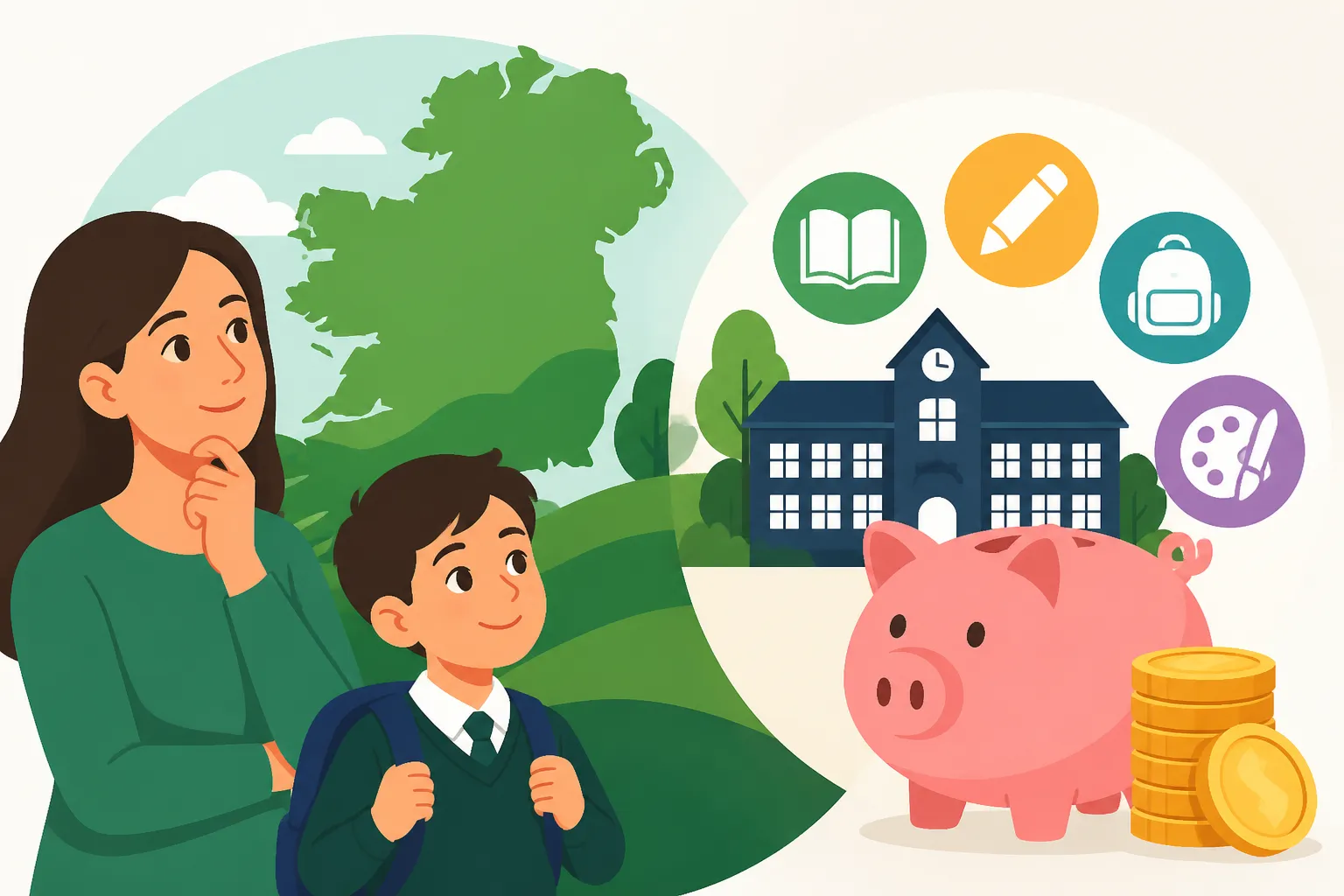
One of the biggest worries for expat parents moving to Ireland, once the initial chaos of finding a place to live and getting settled in has died down, is figuring out the school system. Beyond just understanding how to enrol your child in an Irish school, a huge question mark hangs over exactly how much it's all going to set you back. It's not always as straightforward as you might think, and the "free education" rhetoric can be a bit misleading. This guide is here to cut through the confusion, giving you a realistic breakdown of the costs involved, whether you're eyeing public or private options.
Understanding Ireland's School System and Its Cost Structure
Navigating the Irish school system as an expat parent can feel like trying to solve a Rubik's Cube blindfolded. You hear talk of "free education," but then you quickly realise that "free" in Ireland often comes with a rather long list of associated costs. It's a common frustration, and one that many expat families grapple with. So, let's pull back the curtain on what you can actually expect when it comes to financing your child's education here.
The "Free" Primary and Secondary Education Myth
Indeed, primary and secondary education in Ireland is tuition-free, which sounds fantastic on paper. This means you won't be paying hefty annual fees directly to a public school for your child to sit in a classroom. The state largely funds these schools, covering teacher salaries and core operational costs. However, this "free" model doesn't cover everything, and that's where the costs start to creep in, often catching newcomers by surprise.
You'll quickly learn that most schools, particularly at the secondary level, rely heavily on what are known as "voluntary contributions." These contributions are crucial for schools to provide a broader curriculum, maintain facilities, and offer extra-curricular activities that aren't covered by state funding. While legally voluntary, there's often an unspoken expectation that parents will pay them, as schools genuinely struggle without these funds. They’re a significant part of the school’s budget, and without them, your child's educational experience might be limited. We'll delve into these contributions more deeply, but it's important to set expectations early: "free" education certainly doesn't mean cost-free.
Key Cost Categories for Public Schools
Even within the "free" public school system, you'll encounter several categories of expenses that you absolutely need to budget for. These aren't hidden fees; they're standard parts of sending a child to school in Ireland, and they add up. Forget about simply buying a few pens and notebooks; it’s a whole lot more involved than that.
First up are voluntary contributions, which can range anywhere from €100 to €500 or more per child, per year, depending on the school and its needs. These funds often go towards things like school insurance, IT upgrades, sports equipment, art supplies, and general maintenance. Then there are the school books. Unlike some countries where books are provided, in Ireland, you'll generally purchase textbooks and workbooks for your child. This can be a substantial outlay, especially at the start of secondary school, potentially running into several hundred euros annually. School uniforms are another significant cost, with many schools requiring specific branded items that can only be purchased from designated suppliers. Don't forget extra-curricular activities, which are rarely free. Whether it's after-school sports, drama club, or music lessons, these will come with additional charges, often paid directly to external coaches or instructors. Finally, technology is increasingly a factor, with many secondary schools requiring students to have their own laptop or tablet, and transport costs can be considerable if your child doesn't attend a local school within walking distance.
A Deeper Dive into Specific Expenses
When you're trying to figure out your budget for moving here, these specific school costs can feel like death by a thousand cuts. It’s not one big bill, but rather a constant trickle of payments that can quickly drain your wallet. Let's break down some of the most significant line items.
Uniforms, Books, and School Supplies
Ah, the annual ritual of the school uniform. Most primary and secondary schools in Ireland have a mandatory uniform, and often specific items – like crests on jumpers or branded skirts/trousers – must be purchased from a particular supplier. This immediately inflates the cost compared to generic clothing. For a full uniform, including PE gear, shoes, and a winter coat, you could easily be looking at €200-€400+ per child for the initial outlay, particularly for secondary school. And let's be realistic, children grow, wear things out, and somehow manage to lose parts of their uniform with alarming regularity, so it's not a one-time cost. Many parents try to get by with second-hand uniforms where possible, often through school sales or online parent groups, but it's not always an option for every item.
Then there are the school books. Each year, your child will receive a book list, which can be daunting. For primary school, you might get away with spending €50-€150 on books and stationery, but for secondary school, especially in the junior cycle (first to third year), expect to shell out €200-€400 easily for new books. Some schools operate a book rental scheme, which can significantly reduce this cost, so it's worth asking about. Otherwise, chasing second-hand books can save you a pretty penny, but it requires a bit of hustle and often involves buying from other parents or specific second-hand book shops. Don't forget the everyday school supplies either – pens, notebooks, folders, calculators, art supplies – these small costs accumulate throughout the year.
Voluntary Contributions and Extracurricular Activities
The infamous "voluntary contribution" is a real head-scratcher for many expat parents. It's often presented as optional, but realistically, schools depend on these funds. If every parent opted out, the school simply wouldn't be able to provide the breadth of services it currently does. These contributions usually cover things like school insurance, maintenance, photocopying, IT infrastructure, and often contribute towards the salaries of non-teaching staff or specialist teachers (e.g., for music or art). At primary level, these might be €50-€150 per child, while at secondary level, they can range from €150 to €500+ per child annually. Some schools also have specific charges for things like lockers or exam fees that are separate from the voluntary contribution.
Beyond the classroom, extracurricular activities are where your child can truly thrive and integrate, but they come at a price. Think sports like GAA, soccer, rugby, or swimming, which might have club fees, travel costs for matches, and specific equipment requirements. Drama clubs, music lessons (especially for instruments), school tours, and even after-school study programmes all come with their own charges. A single sports club might cost €100-€300 per season, while music lessons could be €20-€30 per half-hour session. These are vital for your child's development and social life, but they can quickly add several hundred euros to your annual school bill.
Technology, Transport, and School Trips
In an increasingly digital world, technology has become a non-negotiable expense for many students, especially at secondary level. Many schools now operate a "bring your own device" (BYOD) policy, meaning your child will need a laptop or tablet for schoolwork. While you might already own one, if you need to purchase a new device specifically for school, this can be an initial outlay of €300-€800 or more. Some schools may offer leasing schemes or have specific requirements for software, which could add to the ongoing cost. Don't forget the cost of reliable internet at home, essential for homework and online learning, which you'll factor into your overall How to Set Up Broadband and TV in Ireland budget.
Transport to and from school is another significant consideration. If your child's school isn't within walking or cycling distance, you'll need to factor in bus fares, fuel costs, or school bus services. The State provides a school transport scheme, but it's not universally available and often requires an annual fee, typically around €100-€350 per child, with eligibility criteria. If you're relying on public transport, a student Leap Card can offer discounted fares, but these add up over a school year. For instance, a weekly student bus ticket in Dublin might be around €20-€25, which translates to almost €1,000 over a full school year.
Finally, school trips, tours, and excursions are common throughout the academic year. These range from local educational visits costing €10-€30 to more elaborate overnight trips or international exchanges that could set you back €100-€500+. While not mandatory, these trips are often formative experiences for children and are highly encouraged. It's tough to tell your child they can't go because of the cost, so it's wise to squirrel away some money for these throughout the year.
The Real Cost of Private and International Schools
For some expat families, particularly those with children who may benefit from a specific curriculum (like the International Baccalaureate) or who prefer smaller class sizes and enhanced facilities, private or international schools are the preferred choice. While the public system is robust, private options offer a distinct educational experience at a much higher price point. If you're coming from a country with a similar private school culture, these costs might not surprise you, but for others, they can be quite a shock.
What to Expect from Private School Fees
Private schools in Ireland are entirely fee-paying, meaning you'll pay annual tuition in addition to all the other costs (uniforms, books, trips) that are similar to public schools. These fees vary significantly depending on the school's reputation, facilities, and location. For day students, annual tuition fees for secondary schools typically range from €5,000 to €10,000+. For example, well-known private schools in Dublin like St. Andrew's College, Blackrock College, or Loreto College often fall into this bracket. Some highly selective or international schools, such as Nord Anglia International School Dublin or Sutton Park School, can have fees upwards of €15,000 to €25,000 per year, especially for older students or those pursuing specific international curricula.
If you're considering boarding options, these costs skyrocket further. Boarding fees can add another €8,000 to €15,000+ per year on top of tuition, bringing the total annual cost to potentially €20,000-€40,000+ for a single child. There are also often additional fees: a non-refundable application fee (typically €50-€200), a registration fee upon acceptance (which might be a full term's tuition or a significant deposit), and charges for specific extra subjects, learning support, or school trips. It’s a substantial financial commitment, so make sure you've thoroughly explored all the costs associated, as detailed in our guide on Understanding the Cost of Private and International Schools in Ireland.
The Value Proposition: What Do You Get for Your Money?
So, what exactly are you getting for these substantial fees? For many parents, the investment in a private or international school is justified by several factors. One of the most frequently cited benefits is smaller class sizes, which often translate to more individualised attention for students. Teachers can dedicate more time to each child, tailoring instruction and providing better support.
Private schools typically boast superior facilities compared to many public schools. Think state-of-the-art science labs, extensive sports grounds, dedicated art studios, music rooms, and modern technology infrastructure. This allows for a much broader range of academic, artistic, and athletic programmes. They often offer a wider and more specialised curriculum, including options like the International Baccalaureate (IB) or advanced placement courses, which can be particularly appealing to expat families looking for curriculum continuity or a globally recognised qualification. Many also have dedicated career guidance counsellors and strong university preparation programmes, which can be a draw for parents focused on higher education pathways.
Finally, for expats, international schools can offer a sense of community and familiarity. They often have diverse student bodies from around the world, making the transition easier for children who might otherwise feel like outsiders. They can also offer language support programmes and a curriculum that aligns more closely with educational systems in other countries, which is particularly beneficial if you anticipate moving again in the future.
Hidden Costs and Budgeting Tips for Expat Families
Beyond the obvious outlays for tuition, uniforms, and books, there's a whole raft of "hidden" costs that can chip away at your budget. These are the expenses that often catch expat parents off guard, largely because they're not explicitly listed in school brochures but are very much part of the everyday school experience in Ireland.
Unexpected Expenses to Watch Out For
Let's talk about the little things that add up. School lunches, for example. While some schools might have a canteen, many students bring packed lunches. This seems simple enough, but the cost of groceries in Ireland, particularly for fresh produce, can be higher than you're used to. Then there's after-school care or naíonraí (for younger children), which is a separate expense if you're working full-time. These services can range from €10 to €25 per day, per child, easily adding €200-€500 per month to your budget.
Additional tutoring can become necessary for specific subjects, especially as children move into the Leaving Cert cycle, with hourly rates often between €30-€50. Sports equipment, musical instruments (and their lessons), school photos, confirmation/communion expenses, and even the simple social pressure of birthday parties (gifts for classmates) are all small, recurring costs that you need to factor in. The cumulative effect of these expenses can be significant, so don't underestimate them.
Practical Tips for Managing School Costs
Alright, so the costs are real, but there are ways to manage them effectively. First, embrace the second-hand market. Many schools run second-hand uniform sales at the end of the academic year, or you can find items on local Facebook groups dedicated to school parents. The same goes for books – always try to source second-hand textbooks before buying new ones. This is a common practice among Irish parents and can save you hundreds of euros.
Secondly, research school grants. While many expats might not be eligible for means-tested benefits, it's worth checking if the School Book Grant Scheme or other local initiatives apply to your circumstances, especially if you have several children. The government sometimes announces back-to-school allowances, so keep an eye on official announcements from the Department of Education.
A crucial tip for budgeting is to create a specific savings pot for school expenses throughout the year. Instead of being hit with a massive bill in August/September for books, uniforms, and contributions, try to put aside a fixed amount each month. Many parents forget about the costs of school trips or extra-curricular activities until they pop up, so try to anticipate these. For example, if your child expresses an interest in playing a sport, research the associated club and equipment costs in advance.
Finally, when looking for a home, consider its proximity to schools and public transport. Choosing a home near a good school that your child can walk or cycle to can eliminate significant daily transport costs. You can find useful information on How to Find Family-Friendly Areas in Dublin or even How Do I Find a Home Near Good Schools in Ireland? to help with this. And while you’re thinking about the big move, remember to look into services like Sirelo to help compare removal quotes, because getting your family here smoothly is step one!
Comparing Public vs. Private: Making the Right Choice
Deciding between public and private education in Ireland is a deeply personal choice for any parent, but for expats, there are often additional layers of complexity. It's not just about cost; it's about integration, curriculum, and what feels right for your family's unique situation.
| Cost Category | Public School (Approx. Annual per Child) | Private School (Approx. Annual per Child – Day) |
|---|---|---|
| Tuition Fees | €0 | €5,000 – €25,000+ |
| Voluntary Contribution | €100 – €500 | Usually included in tuition, or small additional fee |
| School Books | €50 – €400 | €50 – €400 (may have rental scheme) |
| Uniforms & PE Gear | €150 – €400 (initial outlay higher) | €200 – €500 (initial outlay higher) |
| Extra-curricular Activities | €100 – €500+ | Often higher quality/variety, some costs included, others extra |
| Technology (Laptop/Tablet) | €0 (BYOD, initial device purchase) | €0 (BYOD, initial device purchase) |
| School Trips/Tours | €50 – €500+ | €50 – €1,000+ (more international trips) |
| Transport | €0 – €350+ | €0 – €500+ (depending on location) |
| After-school Care | €0 – €500+ (per month if needed) | €0 – €500+ (per month if needed) |
| Total Estimated Annual Cost | €450 – €2,200+ | €5,500 – €28,000+ |
Note: These are estimated ranges and can vary significantly by school, location, and individual child's needs and activities.
Pros and Cons of Each System
Public Schools:
- Pros:
- Relative Affordability: The primary draw, as tuition is technically free, making it accessible to all residents.
- Community Integration: Your child will likely attend school with children from the local neighbourhood, fostering strong community ties and a genuine Irish experience. This can be great for Learning About Working Culture and the Irish Workplace: A Complete Guide and general life in Ireland.
- Diversity: Public schools reflect the diverse demographics of Ireland, offering exposure to different backgrounds and cultures.
- Geographic Availability: Public schools are widespread, making it easier to find one close to your home.
- Cons:
- Larger Class Sizes: Often means less individual attention from teachers.
- Variable Resources: The quality of facilities and resources can vary significantly between schools, largely depending on their funding and parental contributions.
- Curriculum Limitations: While core subjects are consistent, the range of extra-curricular activities or specialist subjects might be more limited compared to well-funded private schools.
Private Schools:
- Pros:
- Enhanced Facilities & Resources: Generally offer superior sports facilities, science labs, art studios, and technology.
- Broader Curriculum & Specialist Programmes: Often provide a wider range of subjects, including international curricula (e.g., IB), and more extensive extra-curricular activities.
- Smaller Class Sizes & Individual Attention: A key selling point, leading to more personalised learning and support.
- Perceived Prestige & Networking: Can offer a strong academic reputation and connections for future university and career paths.
- Cons:
- High Cost: The most significant barrier, with annual fees ranging from thousands to tens of thousands of euros.
- Less Diverse Student Body: Can sometimes lead to a less diverse social environment, though international schools often mitigate this.
- Potential for Integration Challenges: Your child might mix less with children from the immediate local community if the school draws students from a wider geographical area.
Considerations for Expat Families
For expat families, the decision often comes down to a few key factors. Curriculum continuity is huge. If you're planning on moving again or want your child to have an internationally recognised qualification, an international private school offering the IB or similar programmes might be the best fit. This ensures a smoother transition between different educational systems.
Language support is another consideration. While all schools in Ireland teach in English (unless it's a Gaelscoil, an Irish-medium school), some expat children might benefit from specific English as an Additional Language (EAL) support, which private or international schools are more likely to offer. Our general guide on Schools and Education in Ireland: A Complete Guide for Expat Families covers the system in more detail.
Finally, think about the international community. Many expats appreciate the immediate sense of community that international schools can provide, as children and parents are all navigating a new country together. However, public schools can also be an incredible way to immerse your family in Irish culture and make local friends, especially if you're planning a longer stay. Whatever your decision, remember to budget carefully. And don't forget the practicalities for yourself: you'll need reliable internet to manage school communications and finances, so make sure to check out services like Airalo for easy eSIM setup when you first arrive.
Making a decision about your child's education in Ireland is certainly not just about ticking boxes; it's about finding the right fit for your family, your finances, and your child's unique needs. While the costs associated with schooling here can be higher than the initial "free education" promise suggests, with careful planning and an understanding of the system, you can ensure your child gets a great education without breaking the bank. Just remember to embrace the second-hand market, budget for the "voluntary" contributions, and plan for those unexpected extras.
Disclaimer
Please remember that this guide provides general information based on typical experiences and current estimates for 2026. Education costs and policies in Ireland can change, and individual school fees and requirements vary significantly. It is always advisable to contact specific schools directly for the most accurate and up-to-date information regarding their fees, contributions, and enrolment processes. This content is for informational purposes only and does not constitute financial or legal advice.